Data Center Power Consumption: Metrics, Efficiency Strategies, and Proven Reduction Methods
- Understanding the Power Profile of a Data Center
- Measuring Efficiency: PUE, DCiE, and Beyond
- Cooling Loads and Their Impact
- Lighting’s Role in Energy Use
- Power Distribution Losses
- Renewable Energy Integration
- Monitoring and Real-Time Optimization
- Quick Wins for Reducing Power Consumption
- Frequently Asked Questions
Key Takeaways
| Question | Short Answer |
|---|---|
| What is data center power consumption? | The total electrical load from IT equipment, cooling, lighting, and support infrastructure. |
| What’s a good Power Usage Effectiveness (PUE)? | 1.2 or lower is considered highly efficient; industry average is around 1.5–1.6. |
| Which systems use the most power? | Cooling systems, IT hardware, and power distribution losses. |
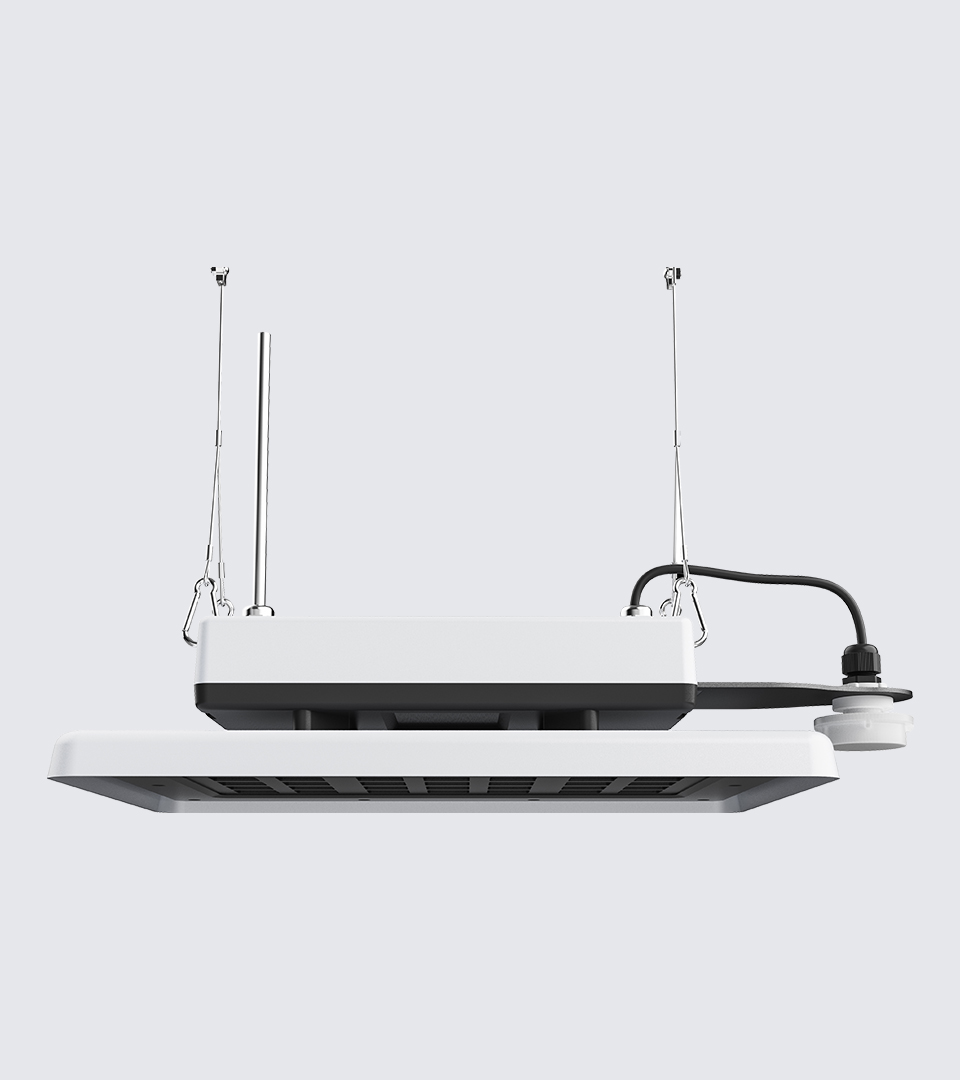
| Can lighting significantly affect consumption? | Yes, especially in large facilities — upgrading to efficient LED systems like Squarebeam Elite can cut lighting energy by 50–70%. |
| How to reduce power usage quickly? | Optimize cooling, upgrade lighting, implement server virtualization, and use real-time monitoring. |
| Can renewable energy fully power a data center? | Technically yes, but requires matching supply to high, constant loads — often paired with battery or grid backup. |
Understanding the Power Profile of a Data Center
Data centers are electricity-intensive by design. The load isn’t just servers; it’s a web of supporting systems that keep those servers alive and functioning. From years of field audits, I can say that lighting alone can account for 5–10% of total non-IT energy in poorly optimized sites.
- IT load (servers, storage, networking) – 50–60%
- Cooling (CRAC/CRAH units, chillers) – 30–40%
- Power conversion/distribution losses – 5–10%
- Lighting & other infrastructure – 5–10%
An engineer’s tip: always start by metering each of these categories separately. Without knowing where the load is, you’re just guessing.
Measuring Efficiency: PUE, DCiE, and Beyond
Power Usage Effectiveness (PUE) is the industry’s baseline metric:
PUE = Total Facility Power ÷ IT Equipment Power
A PUE of 1.0 means all power goes directly to IT equipment — practically impossible. The best sites I’ve worked on operate at 1.15–1.25, usually with advanced cooling and optimized lighting.

- DCiE (Data Center infrastructure Efficiency) – the inverse of PUE, shown as a percentage.
- EUE (Energy Usage Effectiveness) – incorporates renewable energy offsets.
Field note: I’ve seen facilities with good PUE numbers still waste money because their IT load was inefficient — the metric only tells part of the story.
Cooling Loads and Their Impact
Cooling is the elephant in the room for power draw. Even in tropical climates like Malaysia, I’ve seen operators cut cooling loads by 20% just by improving airflow management.
- Hot aisle / cold aisle containment to prevent mixing.
- Economizer systems that use outside air when conditions allow.
- Liquid cooling for high-density racks.
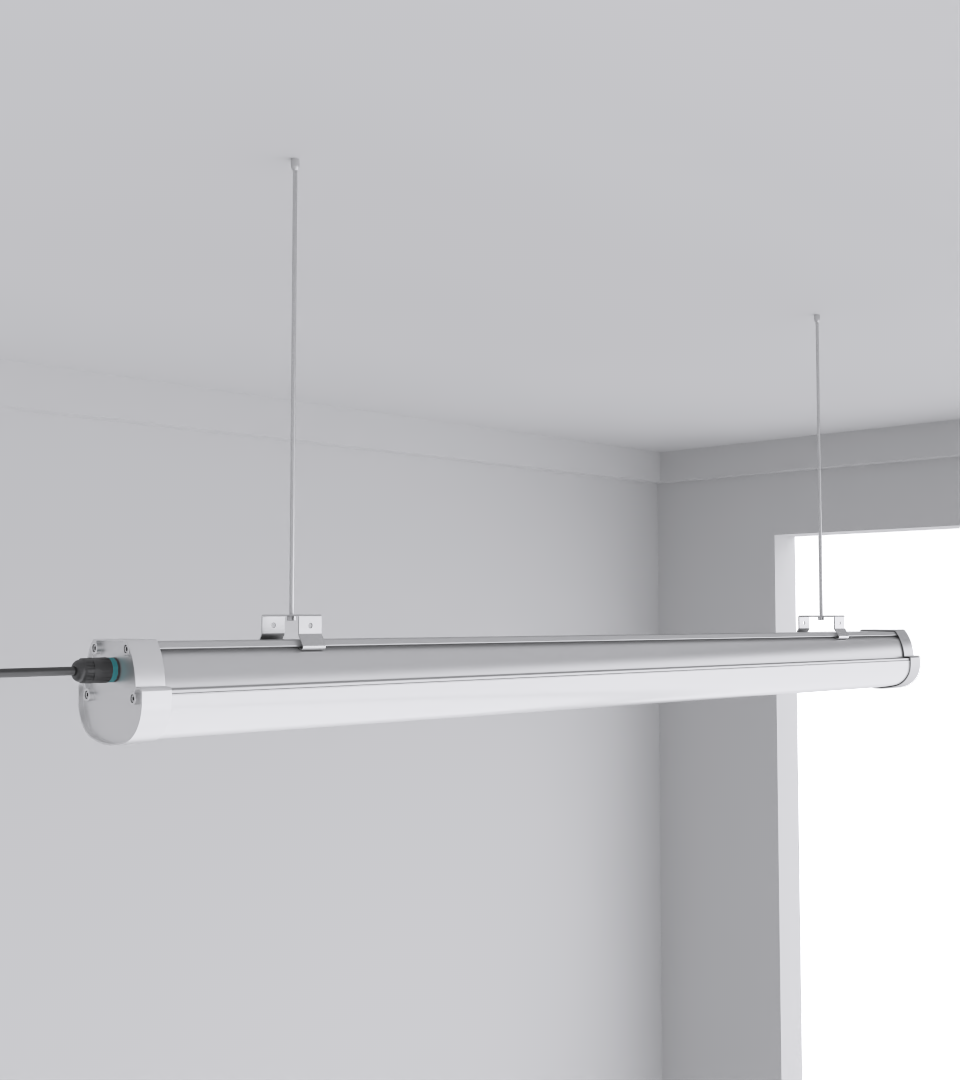
- Upgrading lighting to low-heat LEDs like Quattro Triproof Batten to reduce heat load.
Lighting’s Role in Energy Use
Lighting might seem minor, but in 24/7 environments with thousands of square meters, it adds up fast. Older fluorescent or metal halide systems produce excess heat, forcing cooling systems to work harder.
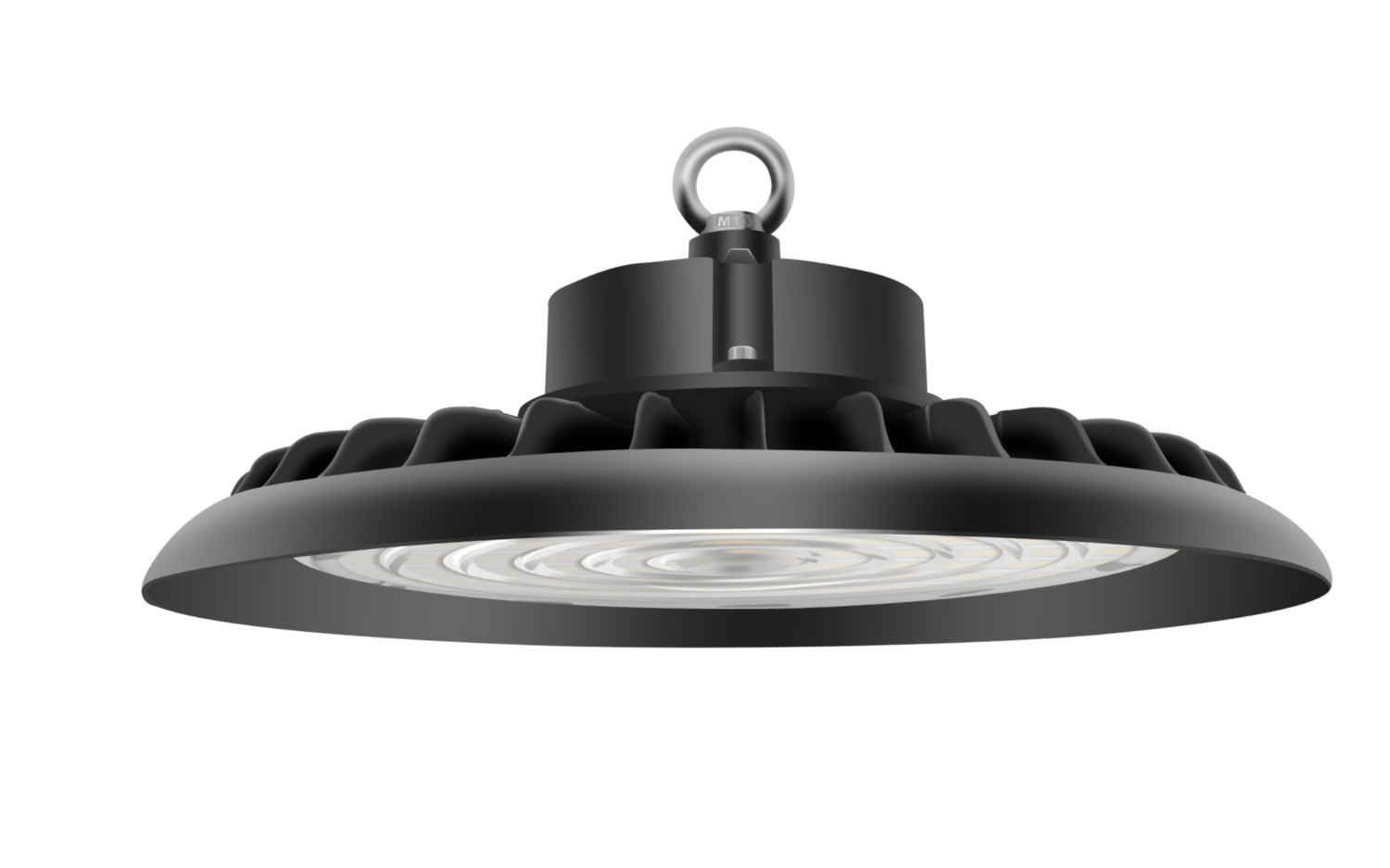
- Replace legacy fixtures with LED luminaires such as Budget High Bay Light.
- Install motion sensors in low-traffic areas.
- Use narrow beam optics where full-area lighting isn’t needed.
- Select fixtures with high lumen-per-watt ratings.
Power Distribution Losses
UPS systems, PDUs, and transformers all introduce losses — often 5–10% of total draw. In one retrofit, swapping out old UPS units improved efficiency from 88% to 96%, cutting annual costs by thousands.

- Use high-efficiency UPS with ECO modes.
- Match UPS capacity to actual load — oversizing wastes power.
- Reduce step-down conversions where possible.
Renewable Energy Integration
Even the most efficient data center still draws substantial power. Offsetting that with on-site or contracted renewables is becoming standard practice in some regions.
- On-site solar for partial offset of lighting and cooling loads.
- Power Purchase Agreements (PPAs) with wind or solar farms.
- Battery storage to balance renewable variability.
Monitoring and Real-Time Optimization
Energy monitoring isn’t optional — it’s the control panel for your efficiency strategy. In one Malaysian site, real-time lighting controls cut power use by 12% within three months.
- Circuit-level metering.
- AI-driven cooling management.
- Automated lighting schedules and occupancy sensors.
Quick Wins for Reducing Power Consumption
From an operational standpoint, here’s where I advise starting if you need immediate impact:
- Upgrade to LED lighting (Squarebeam Elite, Quattro Triproof Batten).
- Seal airflow leaks and improve rack layout.
- Right-size UPS and cooling for actual loads.
- Implement server virtualization to reduce idle power.
- Monitor continuously and adjust as load patterns change.
Frequently Asked Questions
Q: How much energy does a mid-size data center use annually?
A: Anywhere from 10–50 million kWh, depending on size, density, and efficiency measures.
Q: Is PUE the only metric I should track?
A: No. Also track IT load efficiency, cooling system COP, and lighting kWh.
Q: Can lighting upgrades alone justify the investment?
A: Yes — in high-operation environments, payback can be under two years.
Q: Do motion sensors disrupt operations?
A: If configured correctly, no. Modern sensors have adjustable delays and sensitivity.