Data Center Power Generation Explained: Onsite, Hybrid, and Renewable Strategies for Reliability & Cost Control
- Introduction
- Understanding Data Center Power Demand
- Key Metrics and Standards
- Power Sources and Technologies
- Onsite vs Offsite vs Hybrid Models
- Reliability, Redundancy, and Continuity
- Cost Considerations
- Environmental and Sustainability Impacts
- Case Studies and Real-World Applications
- Frequently Asked Questions (FAQ)
Key Takeaways
| Feature or Topic | Summary |
|---|---|
| Generation Options | Onsite, offsite, and hybrid models offer different trade-offs in cost, reliability, and emissions. |
| Reliability Metrics | N+1, 2N, and UPS integration define uptime expectations for mission-critical workloads. |
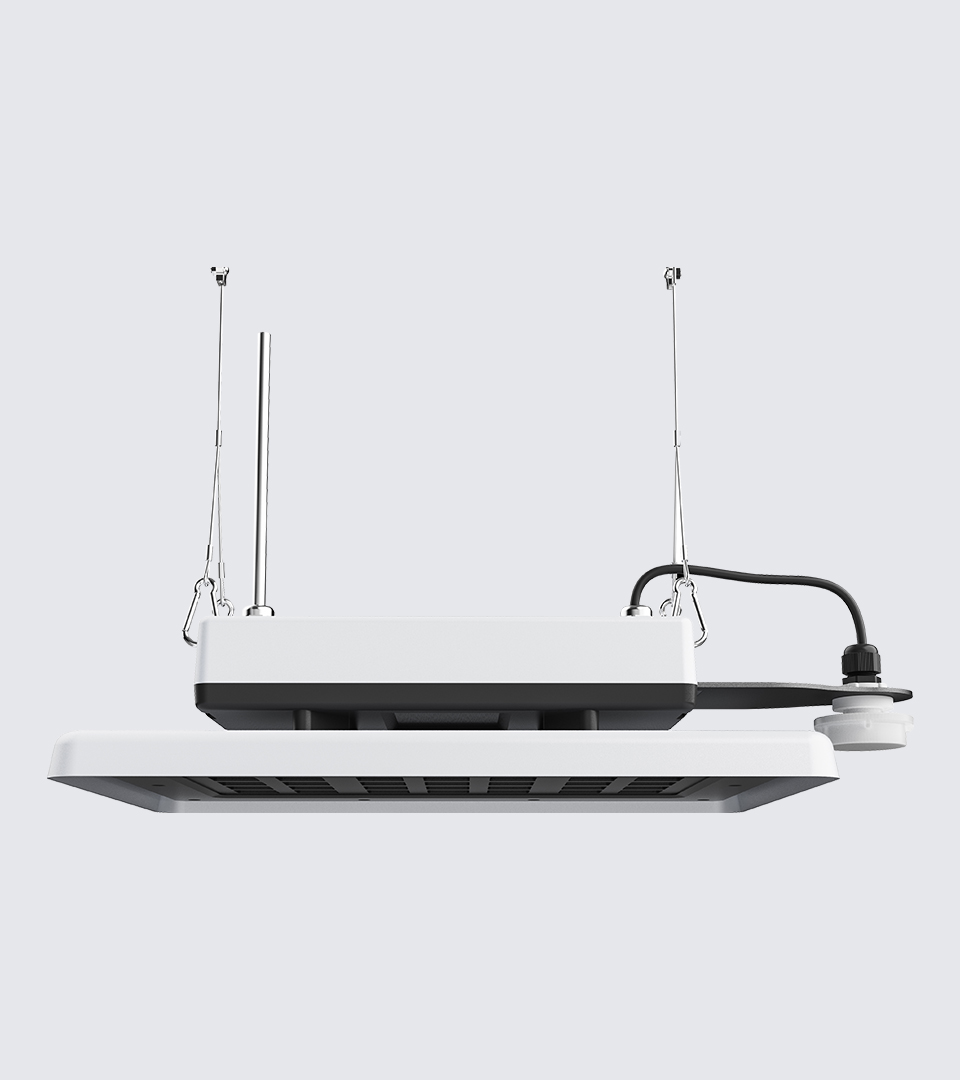
| Lighting Solutions | Products like Squarebeam Elite and Quattro Triproof Batten reduce energy waste in data centers. |
| Emerging Tech | Hydrogen, SMRs, and AI-driven optimization are reshaping future generation strategies. |
Introduction
Data centers consume massive amounts of energy. Reliable and efficient power generation strategies are not optional; they are mission-critical. Facility managers, engineers, and operators must balance cost, redundancy, emissions, and future scalability. Lighting solutions such as the Squarebeam Elite play a key role in reducing auxiliary loads and improving overall efficiency.
Understanding Data Center Power Demand
Data centers range from small edge facilities consuming a few hundred kilowatts to hyperscale sites drawing hundreds of megawatts. IT equipment typically accounts for 60–70% of power usage, followed by cooling and auxiliary systems such as lighting. Using efficient luminaires like the SeamLine Batten ensures lighting does not become a hidden source of energy waste.

Key Metrics and Standards
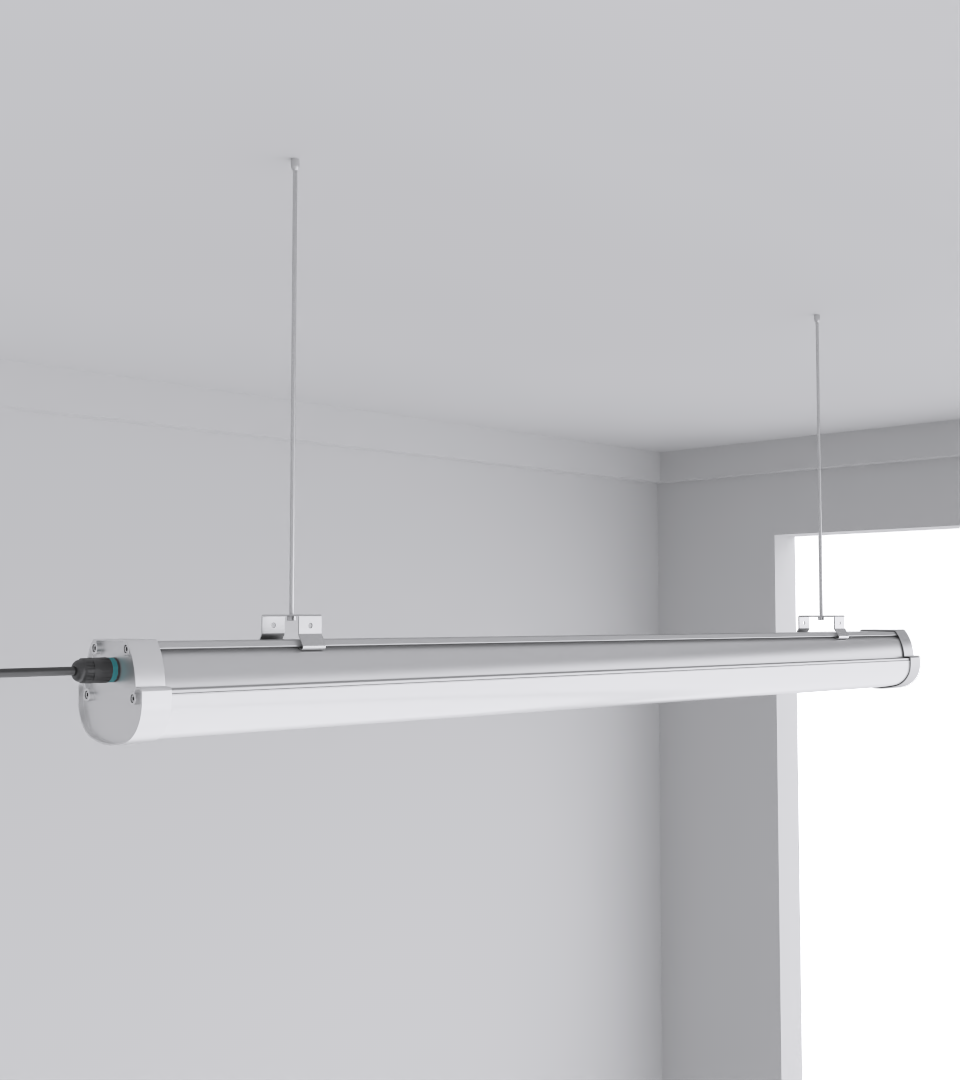
Metrics such as Power Usage Effectiveness (PUE) and Data Center Infrastructure Efficiency (DCIE) quantify efficiency. A PUE of 1.2 is considered excellent. Auxiliary loads, including cooling and lighting, directly affect this metric. Deploying the Quattro Triproof Batten reduces energy wasted in non-IT loads, supporting better PUE scores.
Power Sources and Technologies
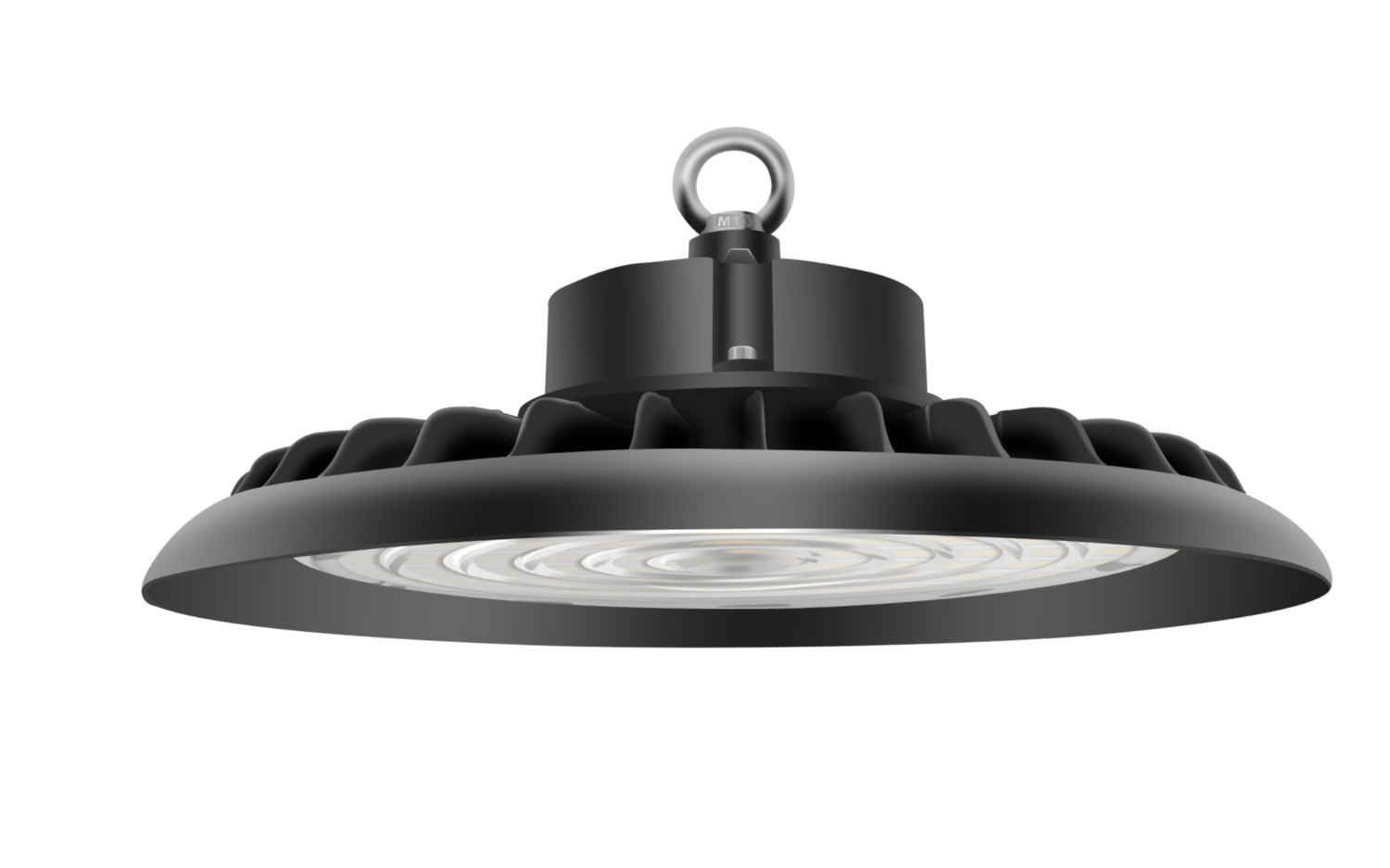
Power for data centers can come from the grid, onsite diesel or gas generators, renewable installations, or hybrid microgrids. Energy storage plays a growing role in bridging gaps. For lighting, resilient products such as the Budget High Bay Light ensure that illumination remains reliable even under demanding operational conditions.
Onsite vs Offsite vs Hybrid Models
Onsite generation increases resilience but may face permitting and space constraints. Offsite procurement through PPAs lowers emissions but depends on grid reliability. Hybrid models combine grid, renewable, and onsite backup. Similar logic applies to lighting—deploying a mix of battens, high bays, and triproof systems ensures redundancy and adaptability in different zones.
Reliability, Redundancy, and Continuity
Uptime requirements drive redundancy architectures like N+1 or 2N. Backup generators, UPS systems, and dual feeds are standard. In lighting, redundancy can be achieved with dual circuits or motion-sensor-enabled luminaires like the SeamLine Batten, which provide both energy savings and immediate availability when needed.
Cost Considerations
Capital expenditure (CapEx) covers generators, storage, and interconnection. Operating expenditure (OpEx) includes fuel, maintenance, and replacements. Efficient lighting reduces OpEx by lowering energy demand. A lifecycle analysis shows LED battens and high bays deliver 50,000+ hours of use, lowering replacement costs and downtime risk.
Environmental and Sustainability Impacts
Data centers face growing pressure to decarbonize. Renewable procurement, storage integration, and low-carbon backup are crucial. LED lighting also plays a role: products like Squarebeam Elite and Quattro Triproof Batten minimize emissions by consuming less power, directly supporting net-zero goals.
Case Studies and Real-World Applications
Hyperscale facilities in Asia-Pacific have adopted hybrid microgrids powered by solar and backed by diesel gensets. At the same time, they deployed CAE Lighting’s SeamLine Batten in corridors and Budget High Bay Lights in warehouse zones, reporting measurable energy savings and reduced maintenance intervals.
Frequently Asked Questions (FAQ)
- Q: How much power does a typical data center consume?
A: From a few hundred kilowatts (edge) to over 100 MW (hyperscale). - Q: What role does lighting play in total power use?
A: Usually 3–5%, but efficient LED systems reduce this significantly. - Q: Which lighting solutions are best for data centers?
A: Squarebeam Elite for data halls, SeamLine Batten for corridors, Quattro Triproof Batten for high-moisture zones, and Budget High Bay Lights for warehouses. - Q: What future technologies could change data center power generation?
A: Hydrogen fuel cells, small modular reactors, and AI-optimized grid interaction.