
Data Center Power Grid Demands Explained: Interconnection Bottlenecks, Large-Load Rules, and Grid Stability
–
- The Rising Strain Between Data Centers and Power Grids
- Large-Load Rules: How Utilities Define Data Centers
- Interconnection Pathways: Distribution vs Transmission
- Power Quality, Ride-Through, and Grid Stability
- Substations, Redundancy, and Interconnection Design
- Flexible Connections and Queue Risk
- Clean Energy Integration: Beyond Annual Offsets
- Checklist for Developers: Avoiding Interconnection Failure
- Frequently Asked Questions
Key Takeaways
| Feature or Topic | Summary |
|---|---|
| Data Center Demand | Global data center electricity demand could more than double by 2030, reaching ~945 TWh. |
| Interconnection Delays | Multi-year queues in PJM, ERCOT, and Europe now dictate construction schedules. |
| Power Quality | Harmonics, ride-through, and voltage sag compliance are critical for approval. |
| Developer Checklist | Utility studies, PQ compliance, redundancy, tariff strategy, and clean energy sourcing. |
1. The Rising Strain Between Data Centers and Power Grids
Data centers already account for 4.4% of US electricity use (2023), and DOE expects this to rise to 6.7–12% by 2028. Globally, the IEA forecasts demand to reach ~945 TWh by 2030, double today’s consumption.
That growth isn’t evenly spread. Regions like PJM (US East) project 30+ GW of added peak load by 2030, almost entirely from hyperscale and AI facilities. ERCOT (Texas) forecasts requests from data centers rising from ~30 GW to ~78 GW by 2030. These figures don’t represent approvals—just interest—but they demonstrate the scale of grid stress.
2. Large-Load Rules: How Utilities Define Data Centers
Interconnection isn’t just “plugging in.” Utilities and regulators now classify data centers as large loads, meaning:
- MW thresholds: often >20–50 MW triggers stricter study requirements.
- Study stack: load flow, short-circuit, stability, harmonics, and ride-through.
- Operational guarantees: many require PQ compliance and curtailment flexibility.
The NERC Large Load Task Force (LLTF) has issued FAQs and reliability guidelines, shaping how ISOs/RTOs handle new DC requests.
3. Interconnection Pathways: Distribution vs Transmission
A core decision: connect at distribution (13.8–34.5 kV) or transmission (69–230 kV).
- Distribution: Faster, cheaper, but limited capacity and higher PQ scrutiny.
- Transmission: Longer timelines, bigger substations, but necessary for >100 MW.
My experience: for a 120 MW AI build in Malaysia, going straight to 132 kV was unavoidable, even though it added 36 months to the schedule. Developers need to weigh capacity security vs speed.
4. Power Quality, Ride-Through, and Grid Stability
Power quality is where many interconnection studies fail. Key targets:
- Harmonic distortion (THD) < 5% (IEEE 519).
- Power factor > 0.95 at full load.
- Voltage ride-through: UPS + gens must not trip during a 100 ms sag.
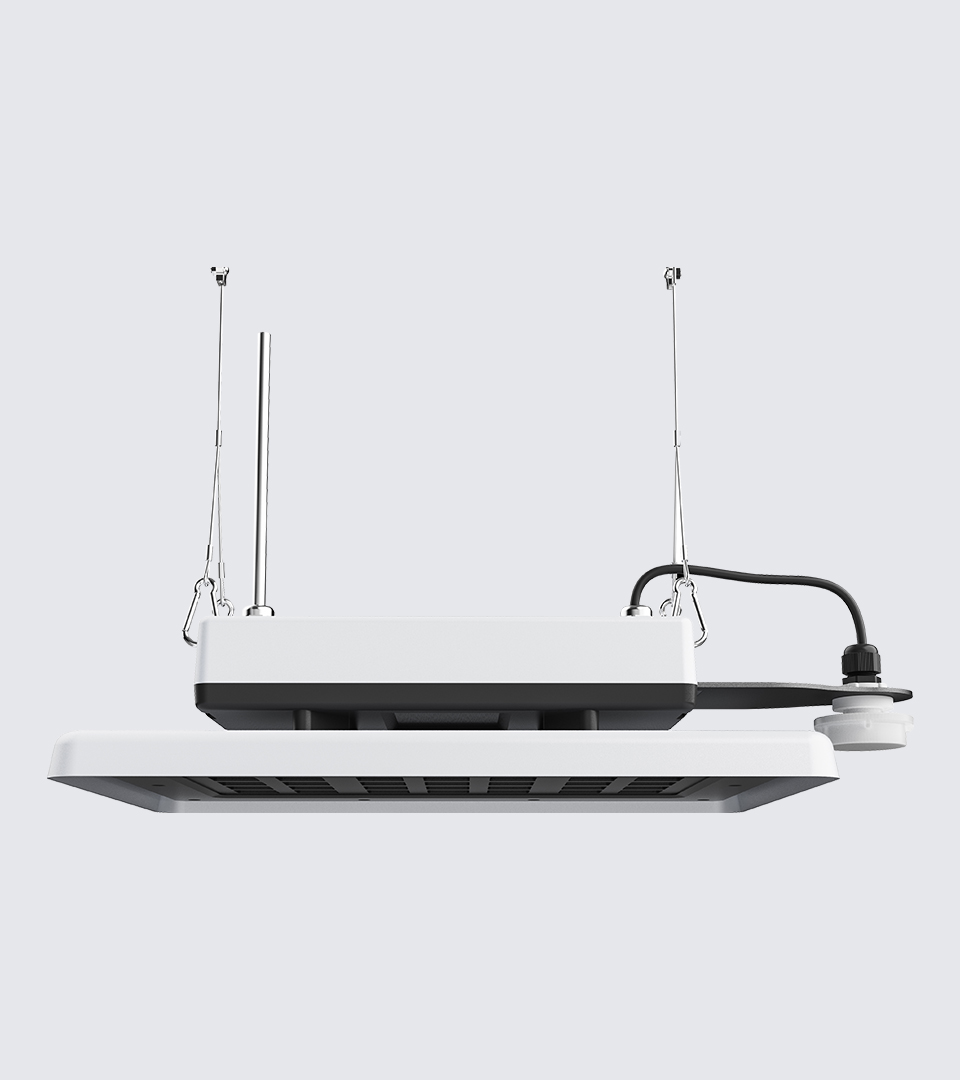
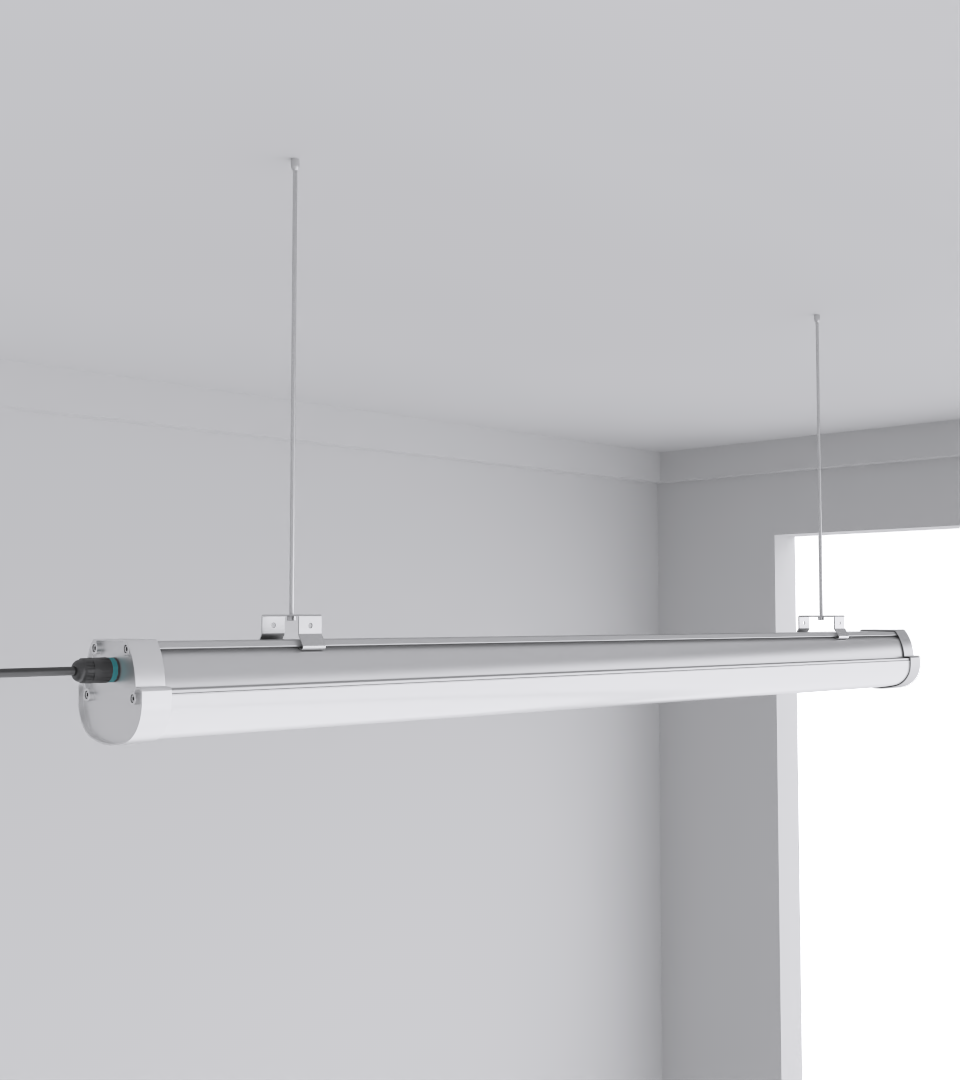
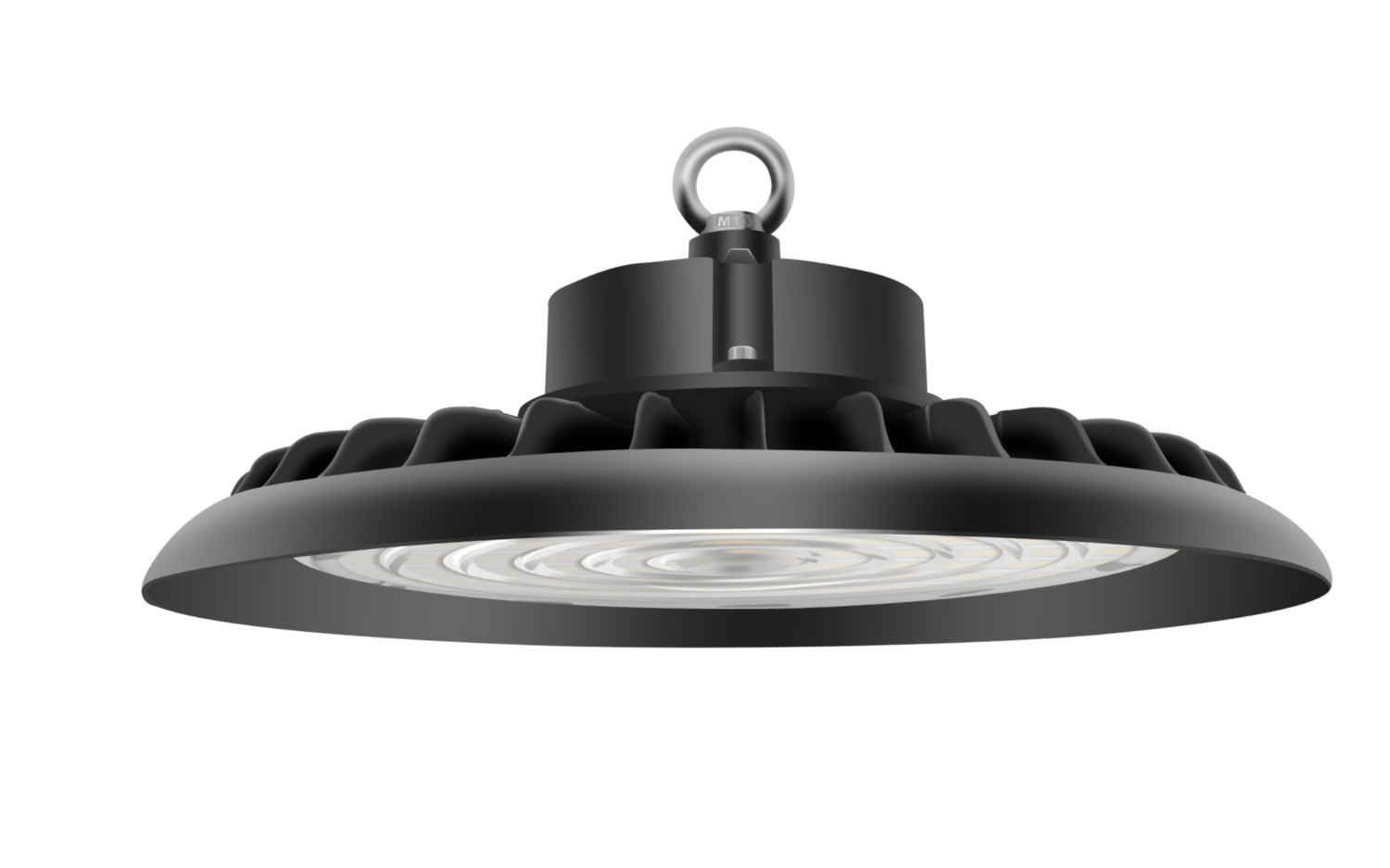
Lighting isn’t usually part of PQ debates, but poor drivers can cause harmonic spikes. That’s why data centers increasingly use CAE’s SeamLine Batten and Squarebeam Elite, both engineered with low-THD drivers.

5. Substations, Redundancy, and Interconnection Design
For 50–500 MVA campuses, substation topology matters:
- Dual-radial: common, supports Tier III.
- Ring bus or breaker-and-a-half: supports Tier IV/critical AI workloads.
Each design choice cascades into redundancy (N, N+1, 2N) requirements and MVA sizing. A typical 200 MW site might need two 138/34.5 kV substations with full 2N redundancy.

6. Flexible Connections and Queue Risk
Interconnection backlogs are often 5–8 years. Solutions:
- Flexible/non-firm connections: connect early, accept curtailment.
- On-site storage: Li-ion UPS or BESS to buffer curtailment.
- Gas-hybrid setups: UK examples show temporary natural-gas turbines bridging grid delays.
I’ve seen flexible connections shave 24 months off energization, enough to win a colocation anchor tenant.
7. Clean Energy Integration: Beyond Annual Offsets
“Buying green” isn’t enough anymore. Hyperscale tenants now demand 24/7 Carbon-Free Energy (CFE), which means:
- Hourly matching of load with renewable supply.
- Locational awareness: siting near solar/wind isn’t enough if curtailment is frequent.
- Contracts: VPPAs and direct PPAs with hourly tracking.
Data centers in PJM and ERCOT are experimenting with grid-aware procurement, pairing on-site ESS with renewable PPAs.
8. Checklist for Developers: Avoiding Interconnection Failure
From my project notes, here’s the minimum checklist every interconnection lead should run:
- Load flow, short-circuit, stability, harmonics, ride-through studies ✔
- Customer-owned substation spec (voltage class, relay coordination) ✔
- PQ compliance plan (filters, PF correction) ✔
- Redundancy design aligned to Tier target ✔
- Flexible/non-firm connection negotiation ✔
- Tariff and capacity market strategy ✔
- Carbon reporting and hourly CFE plan ✔
Frequently Asked Questions
Q1: Why are data centers now considered “large loads” by utilities?
Because their demand (often >50 MW per site) can destabilize local grids without detailed PQ and ride-through compliance.
Q2: What’s the main cause of interconnection delays?
Backlogs in utility studies, transformer shortages, and transmission upgrade schedules.
Q3: Can lighting design affect grid compliance?
Yes. Poor drivers cause harmonic distortion. Low-THD fixtures like Squarebeam Elite reduce PQ risk.
Q4: What’s the fastest way to connect a new site?
Negotiate a flexible/non-firm connection with storage to handle curtailment until firm capacity is built.
Q5: How do clean-energy contracts affect grid planning?
Hourly 24/7 CFE contracts push data centers to align with real-time grid carbon intensity, not just annual MWh totals.