
Data Center Power Infrastructure: Engineering Reliable, Redundant, and Energy-Efficient Electrical Systems
- Why Power Infrastructure is the Backbone of Data Center Reliability
- Core Components of Data Center Electrical Infrastructure
- Redundancy Models and Their Impact on Reliability
- Compliance Standards for Electrical Systems
- Energy Efficiency and Sustainability in Power Infrastructure
- Backup Power Systems and Battery Technologies
- Monitoring and Maintenance of Power Systems
- Future Outlook for Data Center Power Infrastructure
- Frequently Asked Questions (FAQ)
Key Takeaways
| Key Point | Summary |
|---|---|
| Critical Role of Power Infrastructure | Defines uptime, scalability, and operational safety in data centers. |
| Core Components | Includes UPS systems, PDUs, generators, switchgear, and distribution networks. |
| Redundancy Models | N, N+1, 2N, and 2N+1 configurations affect reliability and cost. |
| Compliance Standards | Key references include TIA-942, NEC, NFPA, IEEE, and ASHRAE 90.4. |
| Energy Efficiency | Metrics such as PUE and renewable integration strategies reduce operating costs. |
| CAE Lighting’s Role | Supplies advanced LED lighting solutions supporting safe, efficient power infrastructure. |
1. Why Power Infrastructure is the Backbone of Data Center Reliability
In data centers, the electrical backbone is the single most important determinant of uptime. Power interruptions, even of a few seconds, can cause catastrophic impacts ranging from server downtime to permanent hardware damage. For facilities operating mission-critical workloads, the architecture of the power infrastructure must balance reliability, redundancy, and efficiency.
A complete power infrastructure includes utility connections, on-site generation, uninterruptible power supply (UPS) systems, distribution paths, and backup strategies. At CAE Lighting, lighting integration is factored into power planning to ensure essential visibility during both normal and emergency operations.
2. Core Components of Data Center Electrical Infrastructure
Power infrastructure is composed of interconnected systems that must function seamlessly:
- Switchgear: Directs power from utility or generators to downstream systems.
- UPS Systems: Provide instantaneous backup power to critical IT loads.
- Power Distribution Units (PDUs): Distribute conditioned power to racks.
- Remote Power Panels (RPPs): Enable localized power management.
- Automatic Transfer Switches (ATS): Seamlessly switch between power sources.
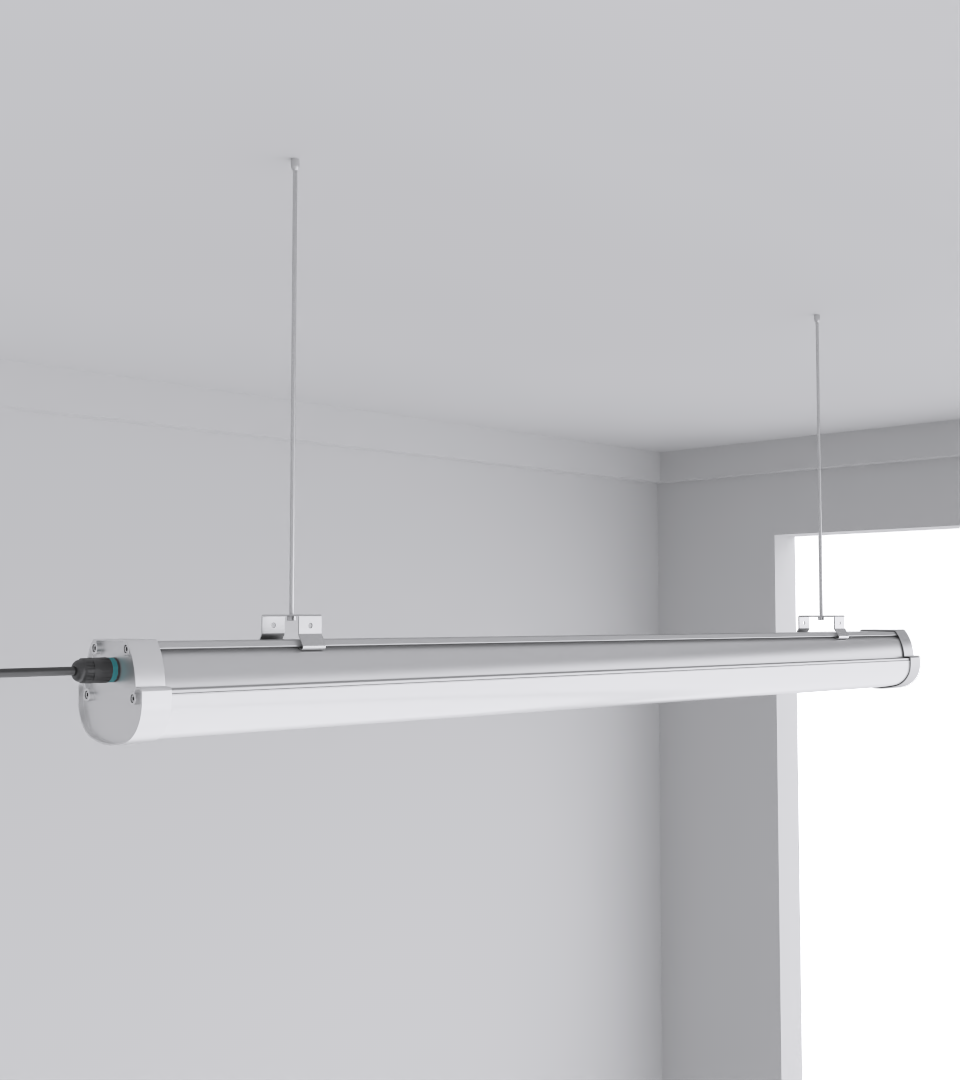
Lighting systems such as the Quattro Triproof Batten are often connected to essential power paths to maintain visibility during failures.
3. Redundancy Models and Their Impact on Reliability
Redundancy models dictate the resilience of a power system:
| Model | Description | Typical Uptime |
|---|---|---|
| N | No redundancy; one path to load. | 99.671% |
| N+1 | One additional component for failover. | 99.982% |
| 2N | Full duplication of components and paths. | 99.995% |

4. Compliance Standards for Electrical Systems
Several standards shape power infrastructure design:
- TIA-942: Telecommunications Infrastructure Standard for Data Centers.
- NEC: National Electrical Code, focusing on safe electrical installation.
- NFPA 70E: Electrical safety in the workplace.
- IEEE 519: Harmonic control limits.
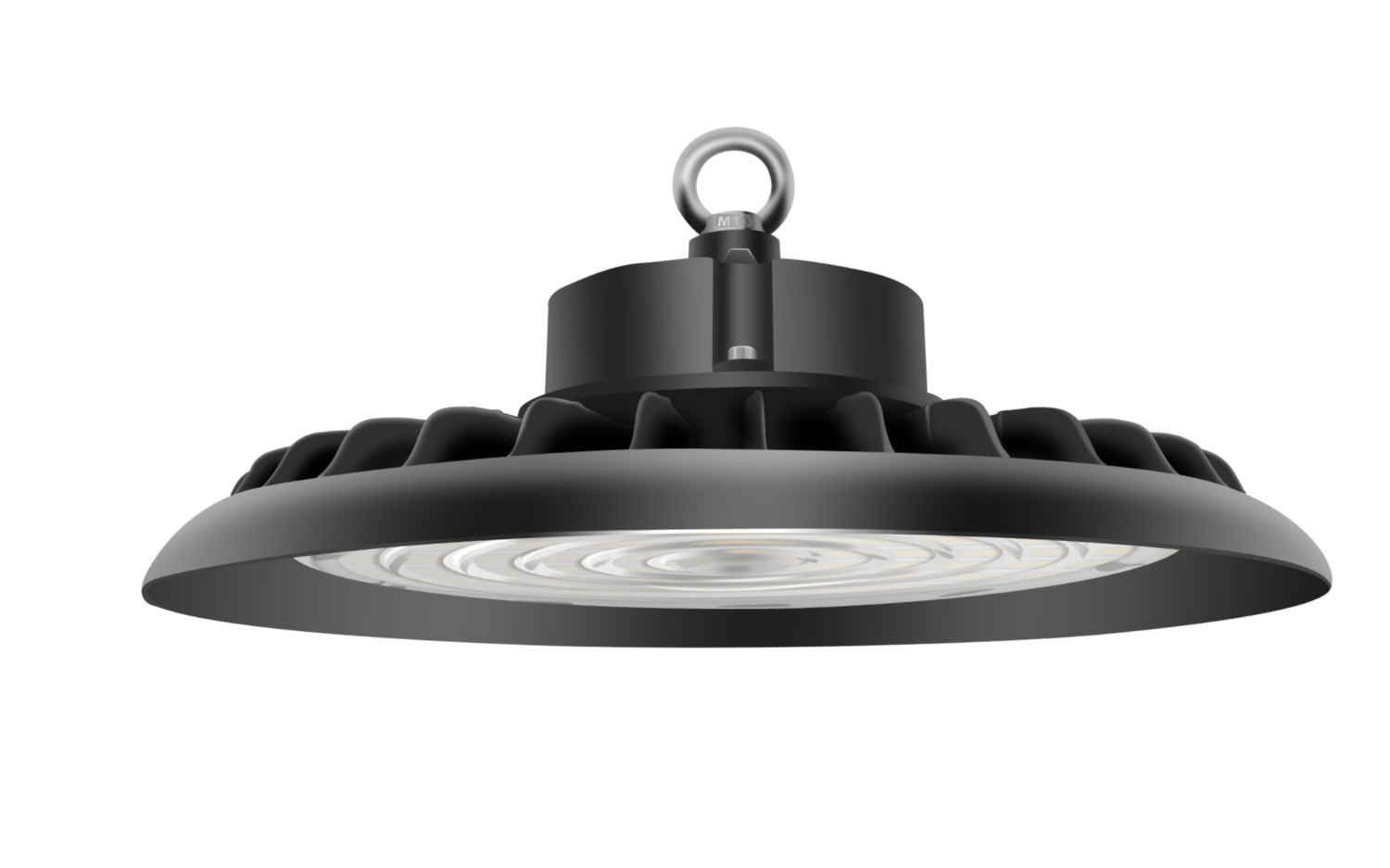
Integrating lighting products that comply with these standards ensures safety and reliability, such as the Budget High Bay Light for high-clearance environments.
5. Energy Efficiency and Sustainability in Power Infrastructure
Efficiency metrics such as Power Usage Effectiveness (PUE) are essential for cost control:
- PUE: Ratio of total facility power to IT equipment power.
- DCiE: Inverse of PUE; measures efficiency directly.
Lighting efficiency also plays a role — fixtures like SeamLine Batten support low-energy operation without compromising illumination.
6. Backup Power Systems and Battery Technologies
Backup systems are vital for bridging power gaps:
- Diesel Generators: Long runtime, high maintenance.
- Lithium-Ion Batteries: Long lifespan, smaller footprint.
- VRLA Batteries: Lower upfront cost but shorter lifespan.
7. Monitoring and Maintenance of Power Systems
Proactive maintenance prevents costly downtime:
- Infrared thermography to detect hotspots.
- Breaker testing for fault isolation.
- Battery health checks on a scheduled basis.
8. Future Outlook for Data Center Power Infrastructure
Emerging technologies such as solid-state transformers and direct current (DC) distribution are expected to improve efficiency and reduce conversion losses. Renewable integration with solar or wind via battery energy storage systems (BESS) will further support sustainability goals.
Frequently Asked Questions
- What is the most common redundancy model in Tier III data centers? N+1 is most widely used for balancing cost and uptime.
- How often should UPS batteries be tested? At least quarterly, with continuous monitoring for critical loads.
- Which CAE Lighting product is best for cold aisle illumination? The Squarebeam Elite offers high uniformity and low glare, ideal for aisles.
- What is the standard PUE target for modern facilities? Many aim for 1.4 or lower, depending on climate and design.