
Data Center Power Redundancy Explained: N, N+1, 2N Models, Uptime Tiers, and Best Practices for Critical Infrastructure
–
- Why Power Redundancy Is Non-Negotiable for Data Centers
- Core Redundancy Models: N, N+1, 2N, and 2N+1
- Data Center Tiers and Uptime Targets
- The Components That Make Redundancy Work
- Cost, ROI, and the Pain of Downtime
- Operational Best Practices: Testing and Maintenance
- Environmental and Regional Factors
- Choosing the Right Redundancy Strategy
- Frequently Asked Questions (FAQ)
Key Takeaways
| Question | Quick Answer |
|---|---|
| What is data center power redundancy? | The design and implementation of backup power systems (UPS, generators, dual feeds) that ensure uptime during failures. |
| What do N, N+1, and 2N mean? | N = baseline capacity, N+1 = one spare, 2N = full duplication of capacity. |
| How does redundancy affect uptime? | Directly tied to Tier levels (Tier I–IV) and uptime % guarantees, e.g., Tier IV ≈ 99.995%. |
| Is redundancy expensive? | Yes, but downtime is costlier — outages can cost $8,000–$15,000 per minute in large facilities. |
| Which components are involved? | UPS, PDUs, generators, ATS, power feeds, storage batteries, cabling, and monitoring. |
| What role does testing play? | Regular failover tests and maintenance ensure redundancy works under real fault conditions. |
| How do environmental factors matter? | Local grid reliability, fuel supply chains, and disaster risks shape redundancy design. |
| What’s the best way to choose a redundancy level? | Match business risk tolerance, SLA commitments, and regulatory needs with architecture cost. |
1. Why Power Redundancy Is Non-Negotiable for Data Centers
Power failures are among the top causes of data center outages worldwide. According to Uptime Institute surveys, UPS and power distribution failures consistently account for 30–40% of downtime events. That’s why redundancy isn’t a luxury — it’s foundational to data center design.
When designing facilities, managers often face a painful calculation:
- Is it cheaper to accept occasional downtime?
- Or to invest in expensive duplicate systems?
In real practice, most enterprise operators lean toward the second option. A downtime event in a financial trading firm may cost millions in a single hour. Healthcare facilities can’t risk life-critical equipment outages. Even cloud providers risk mass customer churn if SLAs are breached. Redundancy bridges this gap between technical reliability and business continuity.
2. Core Redundancy Models: N, N+1, 2N, and 2N+1
At its simplest, N represents the baseline capacity required. Add one spare (N+1), and you can handle a single component failure. Duplicate the entire system (2N), and you can handle a complete system outage. Add one extra on top (2N+1), and you’ve got additional resilience even if one system is under maintenance.
| Model | Definition | Typical Use Case | Cost Impact |
|---|---|---|---|
| N | Bare minimum | Small data halls, Tier I | Lowest |
| N+1 | One spare | Enterprise Tier III | Moderate |
| 2N | Full duplication | High availability Tier IV | High |
| 2N+1 | Duplication + spare | Ultra-critical sites (finance, defense) | Very high |
3. Data Center Tiers and Uptime Targets
The Uptime Institute classification is the global shorthand for redundancy.
- Tier I: Basic, no redundancy, ~99.67% uptime (≈ 29 hours downtime/year).
- Tier II: Redundant components, ~99.75% uptime (≈ 22 hours downtime/year).
- Tier III: Concurrently maintainable, N+1, ~99.98% uptime (≈ 1.6 hours downtime/year).
- Tier IV: Fault tolerant, 2N or 2N+1, ~99.995% uptime (≈ 26 minutes downtime/year).
Real-world operators sometimes push beyond these formal tiers. For example, one colocation facility in Singapore I audited implemented dual 2N UPS paths, effectively removing single points of failure but doubling CapEx.
4. The Components That Make Redundancy Work
A power redundancy system is only as strong as its weakest link. The main building blocks include:
- Utility feeds: Dual incoming lines from separate substations.
- UPS systems: Often Li-ion based now, replacing VRLA batteries.
- Diesel or gas generators: Backup runtime depends on on-site fuel storage.
- Automatic Transfer Switches (ATS): Switch load between utility and generator in milliseconds.
- Power Distribution Units (PDUs): Provide dual feeds to racks.
- Cabling & separation: True redundancy requires physical separation to prevent common-mode failures.
On a 2023 installation project in Thailand, the ATS was the bottleneck. It had been overlooked during procurement, creating a dangerous single point of failure despite otherwise solid N+1 architecture.

5. Cost, ROI, and the Pain of Downtime
The financial side of redundancy can’t be ignored.
- CapEx: Doubling UPS and generator capacity can increase upfront cost by 60–100%.
- OpEx: Fuel, maintenance, testing, and the space occupied by backup systems.
- Downtime Cost: Industry studies estimate average downtime costs at $8,000–15,000 per minute in large facilities.
So how do you justify 2N+1? By calculating the expected downtime loss and comparing it with redundancy investment. In most cases, finance teams respond better to numbers than abstract “uptime percentages.”

6. Operational Best Practices: Testing and Maintenance
Even the most redundant system fails if it isn’t tested.
- Load bank testing for generators under full load.
- Black start drills simulating complete grid loss.
- UPS switchover tests to verify zero interruption.
- Battery health checks — Li-ion is more stable but still requires monitoring.
I’ve seen facilities spend millions on redundant gear that was never properly tested. When the outage came, both primary and backup failed. Redundancy without maintenance is a false sense of security.
7. Environmental and Regional Factors
Redundancy isn’t universal. A data center in Guangdong faces different risks than one in Frankfurt.
- Grid reliability: In some Southeast Asian regions, dual feeds from the same substation are effectively not redundant.
- Natural disasters: Earthquakes, floods, and storms dictate backup generator location and fuel storage.
- Logistics: Remote data centers may struggle with consistent fuel supply.
In Malaysia, one logistics hub I worked with underestimated fuel supply chain risk during floods. Despite redundant generators, they couldn’t be refueled for 48 hours. True redundancy means covering supply chain vulnerabilities too.
8. Choosing the Right Redundancy Strategy
So what should operators actually choose?
- For SMB colocation sites: N+1 is usually sufficient.
- For enterprise workloads: Tier III with N+1 provides concurrent maintainability.
- For ultra-critical workloads (finance, defense, healthcare): 2N or 2N+1 is justified.
The decision process should consider:
- Risk appetite and SLA penalties
- CapEx/OpEx budget
- Regional grid reliability
- Long-term scalability
A practical step is running a downtime risk workshop with finance, operations, and IT teams together. Too often, redundancy is treated as a purely technical decision, when in reality it’s a business survival question.
Frequently Asked Questions (FAQ)
Q1. What is N+1 redundancy in data centers?
It means one extra component beyond the minimum required. If one fails, the spare takes over.
Q2. How many power feeds does a Tier III data center have?
Two — usually dual utility feeds, each with independent UPS and generator support.
Q3. Is 2N always better than N+1?
Not always. 2N costs more and consumes more energy. N+1 is often a practical balance unless uptime requirements are near zero-tolerance.
Q4. How often should redundancy be tested?
UPS and generator systems should be tested quarterly, with full failover or “black start” testing at least annually.
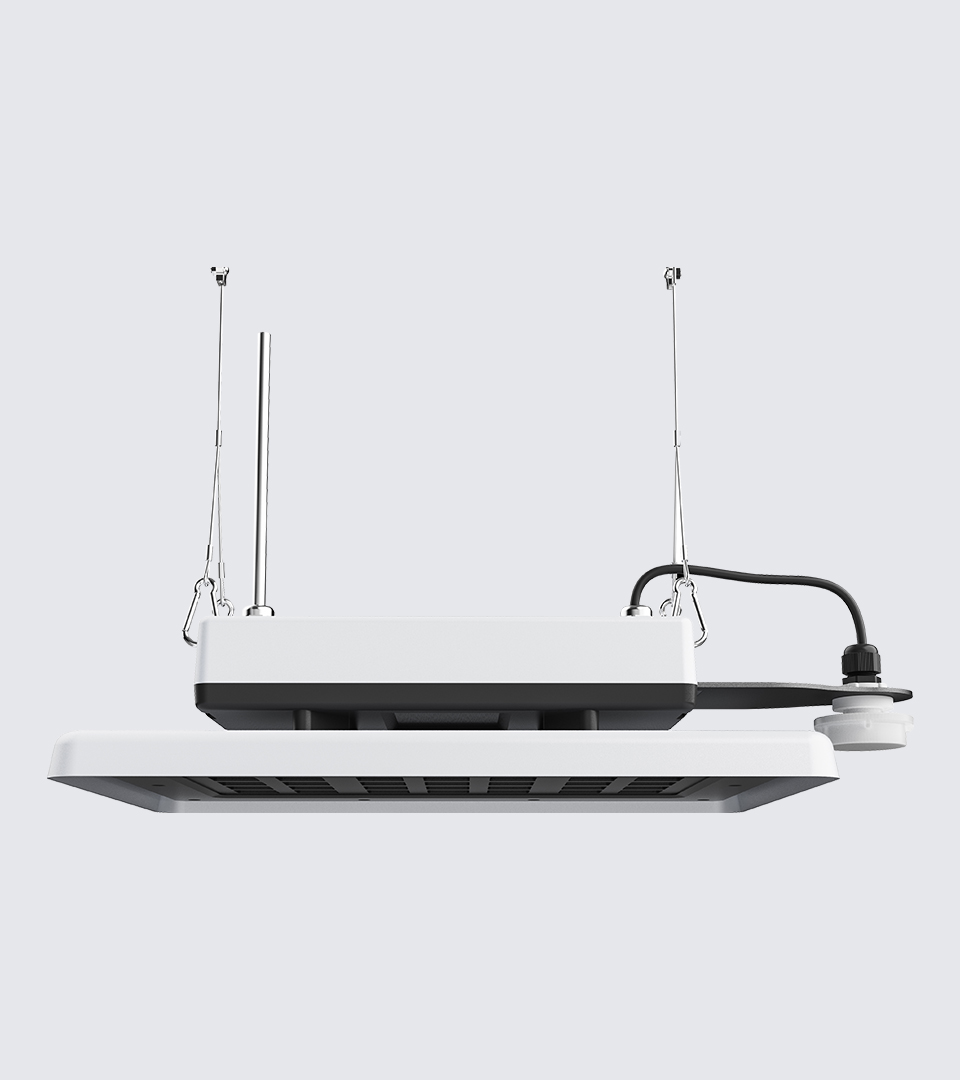
Q5. What role do lighting systems like
SquareBeam Elite or
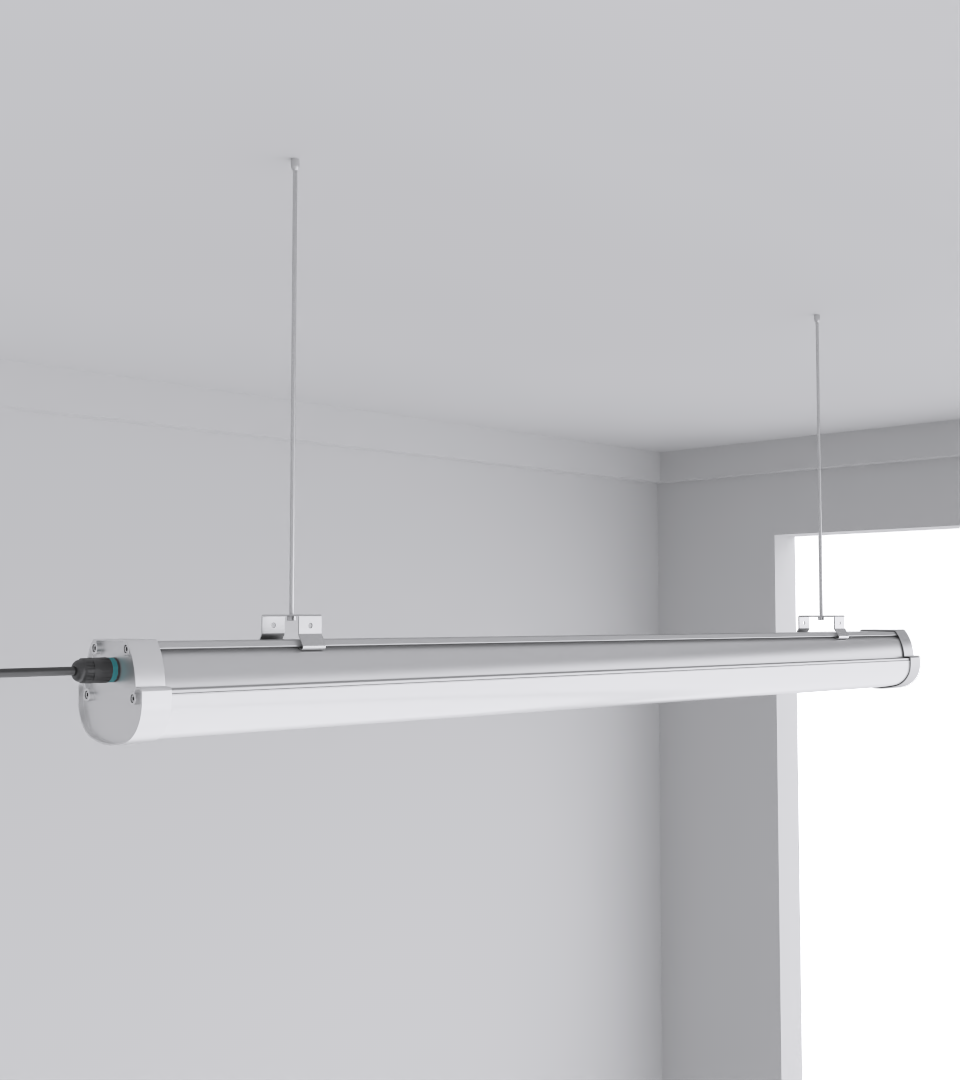
Quattro Triproof Batten play in redundancy?
While not directly powering IT, resilient lighting ensures safe maintenance and operations during failover events — a vital part of overall facility reliability.