Data Center Power Standards Explained: Redundancy Models, Voltage Levels, and Compliance Requirements
–
- Introduction
- Global and Regional Standards
- Redundancy Models and Uptime Institute Tiers
- Voltage and Phasing Standards
- Efficiency Metrics
- Safety, Grounding, and Compliance Standards
- Lighting Standards as a Component of Power Compliance
- Future Outlook: AI, Renewables, and DC Adoption
- Frequently Asked Questions (FAQ)
Key Takeaways
| Question | Quick Answer |
|---|---|
| What are data center power standards? | Defined engineering, regulatory, and operational norms for redundancy, voltage, efficiency, and safety. |
| Which global standards apply? | IEC, IEEE, ANSI/TIA-942, NFPA, NEC, ISO, and regional codes. |
| What are redundancy levels? | N, N+1, 2N, and 2N+1 configurations, linked to Uptime Institute Tiers I–IV. |
| What voltages are used? | Commonly 208V, 415V/480V three-phase AC, and emerging 400V DC systems. |
| How is efficiency measured? | With PUE, DCiE, WUE, and CUE metrics. |
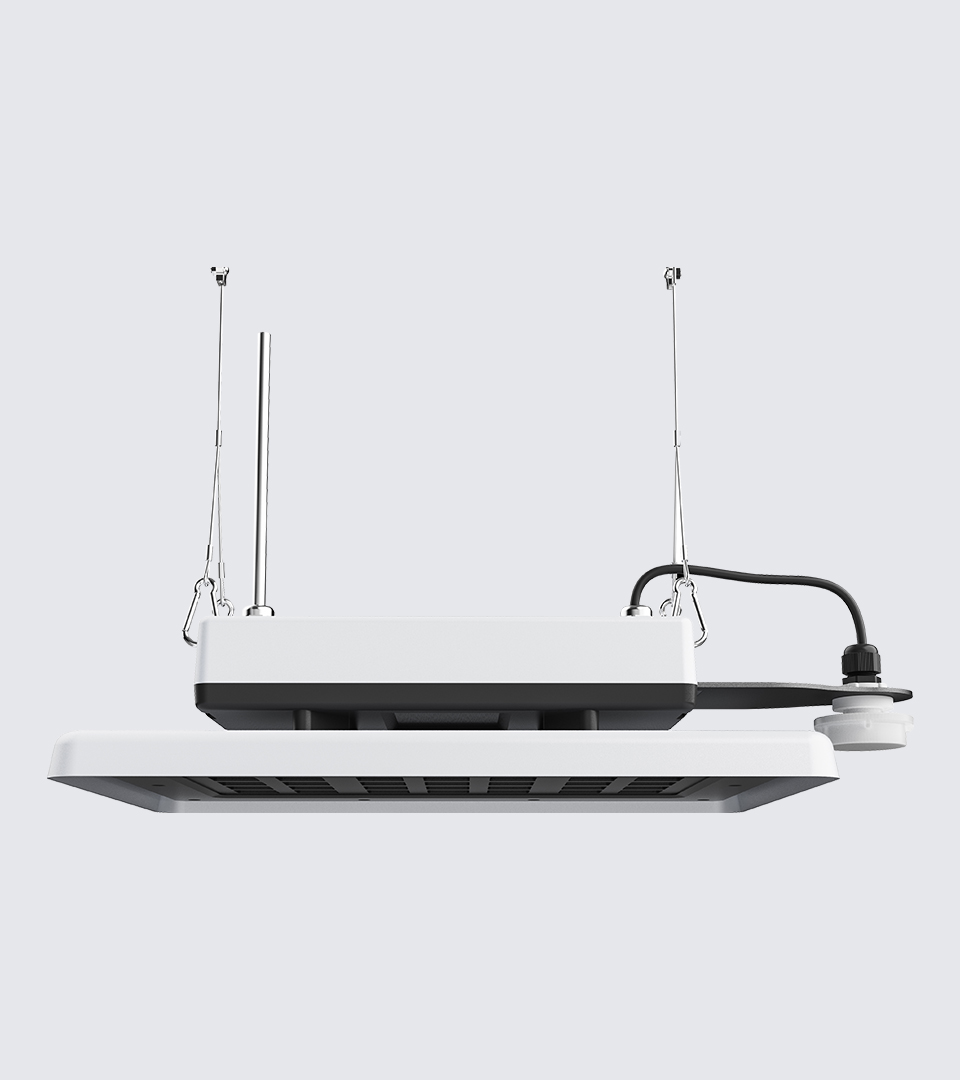
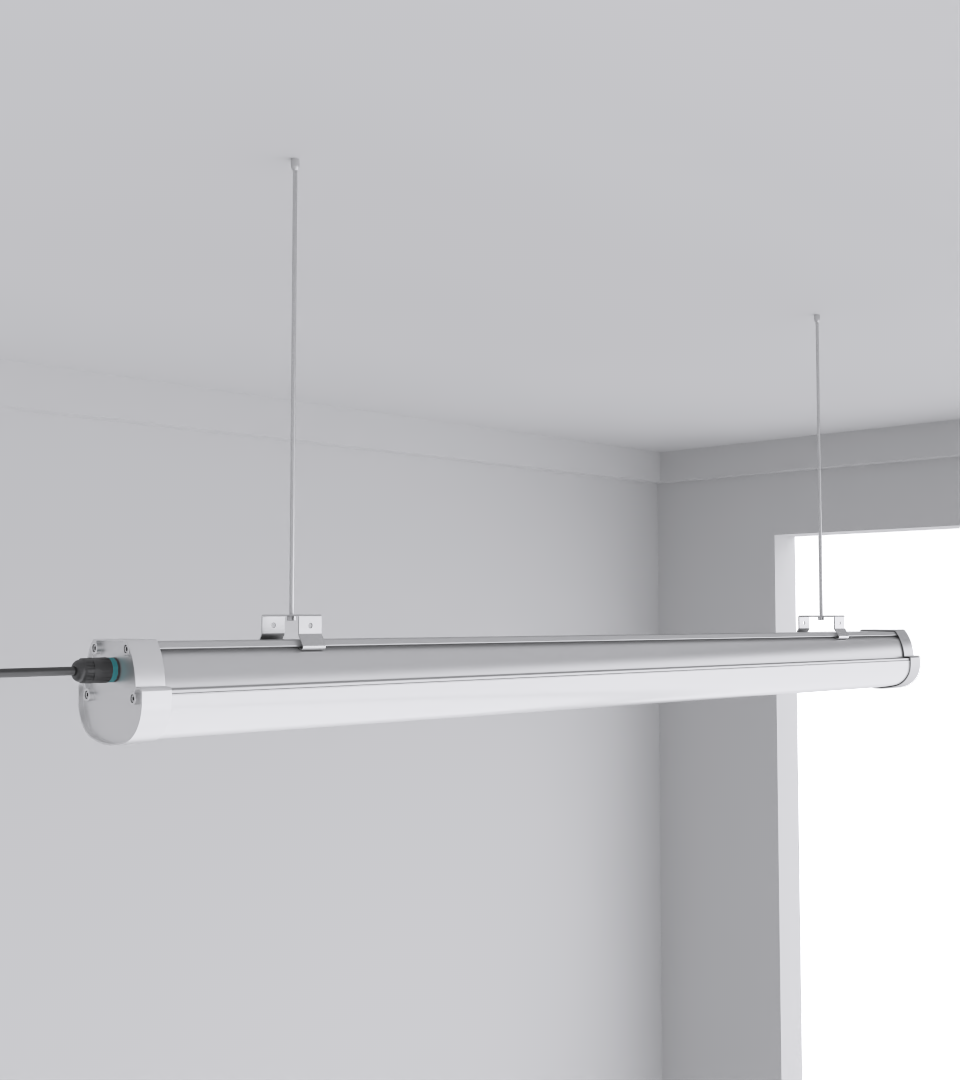
| What role does lighting play? | Standards require safe, reliable illumination — products like SquareBeam Elite and Quattro Triproof Batten meet IP, thermal, and safety codes. |
| What’s next for standards? | Higher power density for AI, renewable sourcing, DC adoption, and stricter compliance audits. |
1. Introduction: Why Power Standards Define Data Center Reliability
Data centers are power-hungry ecosystems where uptime is measured in seconds, and a miscalculation in redundancy or voltage planning can mean millions in losses. Power standards exist to impose structure on this chaos — defining how electricity is distributed, protected, and monitored.
From IEC guidelines on wiring to TIA-942 Tier definitions, engineers must translate standards into practical layouts of transformers, UPS banks, PDUs, and even compliant lighting. In my experience, the first sign of a poorly planned facility isn’t an outage — it’s a technician working under dim, non-compliant lighting trying to replace a breaker mid-shift.
2. Global and Regional Standards Shaping Power in Data Centers
Power standards are not universal. Engineers must navigate overlapping international and national codes:
- IEC (International Electrotechnical Commission) — IEC 60364 for low-voltage wiring, IEC 60950/62368 for IT equipment safety.
- IEEE — defining power quality, grounding, and reliability metrics.
- ANSI/TIA-942 — one of the few holistic data center design standards, prescribing electrical redundancy, grounding, and pathways.
- NFPA 70 (NEC) — the electrical backbone in the U.S.
- ISO 50001 — energy management and efficiency frameworks.
Across Asia, codes differ. Malaysia often references IEC directly; Singapore enforces SS 638 alongside TIA-942; China applies GB/T standards while aligning with IEC. Any global operator must adapt designs to local enforcement.
3. Redundancy Models and Uptime Institute Tiers
Power standards converge on redundancy. The Uptime Institute defines it in tiers:
- Tier I (N) — basic capacity, single path.
- Tier II (N+1) — redundant components, one fault tolerated.
- Tier III (N+1 concurrent maintainable) — all equipment maintainable without shutdown.
- Tier IV (2N or 2N+1 fault tolerant) — mirrored systems for maximum resilience.
| Redundancy | Description | Example Use |
|---|---|---|
| N | One path, no redundancy | Small colocation |
| N+1 | One backup per critical system | Regional enterprise DC |
| 2N | Fully mirrored systems | Hyperscale DC |
| 2N+1 | Mirrored plus spare | Financial trading hubs |
4. Voltage and Phasing Standards: AC, DC, and Global Practices
Voltage defines compatibility and efficiency:
- AC systems dominate, usually 208/120V in the U.S. and 400/230V three-phase in Europe/Asia.
- DC distribution (often 380–400V) is emerging, reducing conversion losses for high-density racks.
- Single-phase vs three-phase: single for office loads, three-phase for racks and cooling.
An overlooked issue: harmonizing building input with IT equipment PSU ranges. Many servers accept 100–240V, but the infrastructure must handle harmonics and transients. I once encountered a facility in Johor where incorrect phase balancing caused weekly breaker trips — all preventable with proper IEC-guided load analysis.

5. Efficiency Metrics: PUE, DCiE, and Beyond
PUE (Power Usage Effectiveness) remains the gold standard:
- PUE = Total Facility Power ÷ IT Equipment Power
- Target values: 1.1–1.3 for hyperscale leaders, 1.5–1.8 for standard enterprise sites.
Other metrics:
- DCiE = reciprocal of PUE.
- WUE — water use efficiency, critical where cooling depends on evaporative systems.
- CUE — carbon usage effectiveness.
| Metric | Formula | Notes |
|---|---|---|
| PUE | Total ÷ IT Power | Lower = better |
| DCiE | 1 ÷ PUE | Higher = better |
| WUE | L/kWh | Water consumption impact |
| CUE | CO₂e/kWh | Sustainability measure |
In practice, real efficiency gains often come from lighting upgrades and airflow management. Swapping outdated fluorescents for SeamLine Batten or SquareBeam Elite can shave measurable watts per square meter.

6. Safety, Grounding, and Compliance Standards
Standards protect people as much as uptime:
- Grounding & bonding: NEC Article 250, IEC 60364-5-54 mandate equipotential bonding.
- Arc flash protection: NFPA 70E defines PPE, labeling, and safe work practices.
- Fire suppression: NFPA 2001 (clean agent systems), IEC guidelines for electrical rooms.
Lighting again plays a part: emergency egress fixtures must meet NFPA 101 Life Safety Code. We once had to retrofit an entire hall with Quattro Triproof Battens after inspectors flagged IP ratings below minimum for humid zones.
7. Lighting Standards as a Component of Power Compliance
Though often overlooked, lighting is integral to compliance:
- Illuminance levels: IEC/EN 12464 mandates lux levels by task area.
- Emergency lighting: UL 924 and IEC 60598 require fixtures to stay lit during outages.
- Thermal management: fixtures in hot aisles must handle ambient 45–50°C.
CAE Lighting offers fixtures like:
- SquareBeam Elite — high-bay for halls up to 30m.
- Quattro Triproof Batten — waterproof for humid rooms.
- SeamLine Batten — corridor and rack-row compliance.
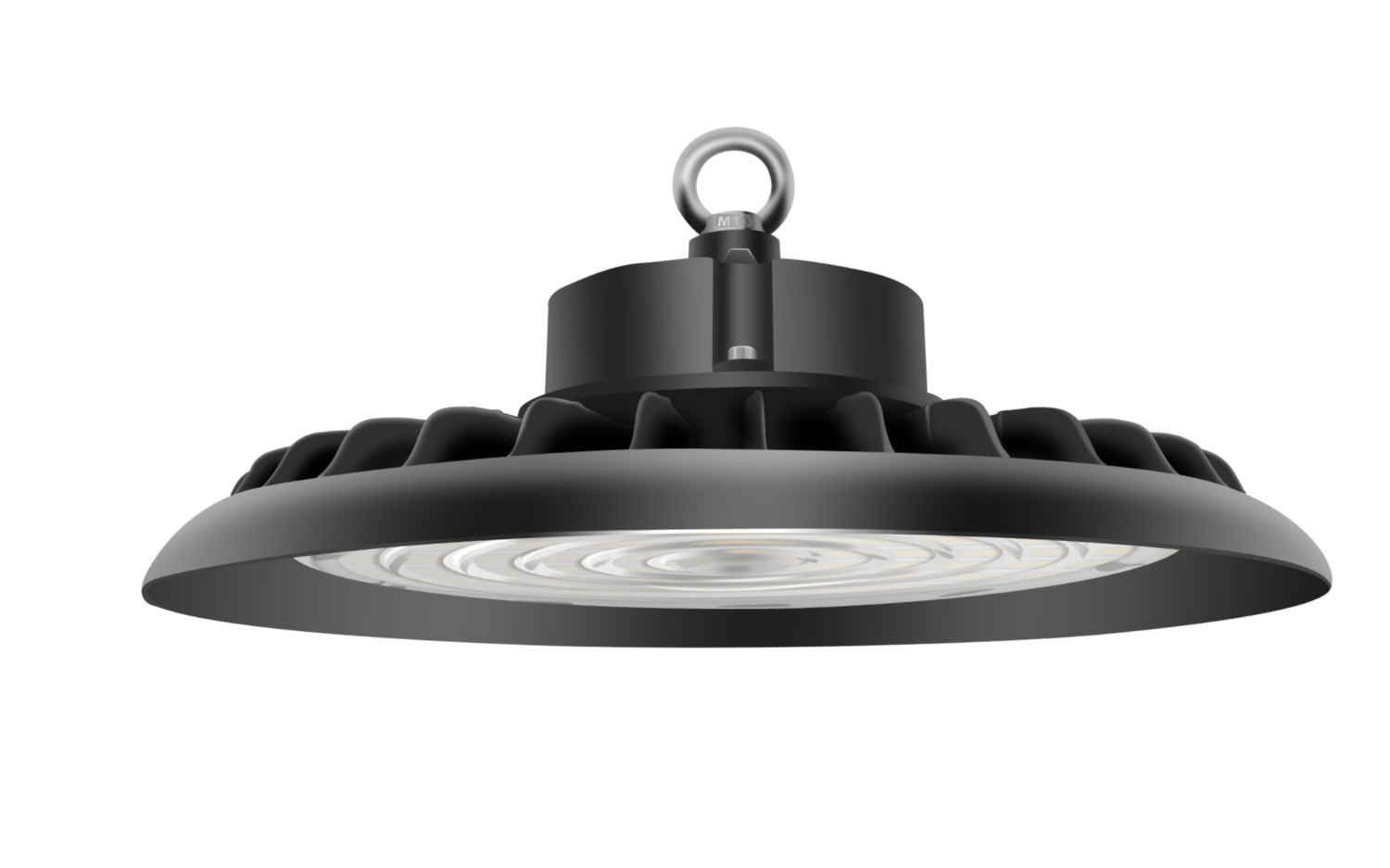
- Budget High Bay Light — economical option for auxiliary zones.
8. Future Outlook: AI, Renewables, and DC Adoption
Power standards are tightening under two simultaneous pressures:
- AI and HPC loads — rack densities jumping from 5–10 kW to 50–100 kW. Standards will soon mandate liquid-cooled busbars and higher voltage feeds.
- Grid decarbonization — renewable integration demands dynamic standards for hybrid energy (solar, battery, grid).
- DC distribution — 400VDC adoption is accelerating, potentially simplifying infrastructure.
My forecast? By 2030, data center power standards will formally codify renewable sourcing ratios, enforce stricter PUE baselines, and normalize DC rack distribution. Facilities not designed for these shifts risk non-compliance within a single upgrade cycle.
Frequently Asked Questions (FAQ)
Q1: What is the most widely used data center power standard?
TIA-942 combined with IEC electrical codes is the most globally recognized baseline.
Q2: What redundancy level is required for financial data centers?
Typically Tier IV (2N or 2N+1) with mirrored power paths.
Q3: Can LED lighting impact PUE?
Yes. Efficient LEDs like SeamLine Batten reduce facility overhead energy consumption, improving PUE marginally but measurably.
Q4: Why is DC distribution being considered?
It reduces conversion losses and simplifies feeding high-density AI racks.
Q5: How often should power systems be tested?
Industry practice: monthly generator runs, quarterly load tests, and annual full failover drills.