Data Center Site Infrastructure Tier Standards (Tier I–IV): Uptime Institute Framework & Lighting Integration Guide
- Understanding the Uptime Institute Tier Standard
- Tier I: Basic Site Infrastructure
- Tier II: Redundant Components
- Tier III: Concurrently Maintainable Infrastructure
- Tier IV: Fault-Tolerant Infrastructure
- Lighting Requirements Across Tier Levels
- CAE Lighting Solutions for Tiered Data Centers
- Implementation Roadmap & Compliance Guidance
- Frequently Asked Questions (FAQ)
Key Takeaways
| Aspect | Tier I – Basic | Tier II – Redundant Components | Tier III – Concurrently Maintainable | Tier IV – Fault Tolerant |
|---|---|---|---|---|
| Definition | Basic site infrastructure with limited redundancy | Adds redundant components for higher reliability | Supports concurrent maintenance without downtime | Fully fault tolerant with independent systems |
| Redundancy Level | No redundancy | Partial redundancy (N+1) | Redundant paths and systems | 2N or 2(N+1) redundancy |
| Typical Uptime | 99.671% (~28.8 hrs/year) | 99.741% (~22 hrs/year) | 99.982% (~1.6 hrs/year) | 99.995% (~26 min/year) |
| Lighting Integration | SeamLine Batten for cost-effective corridors | Quattro Triproof Batten in utility zones | Squarebeam Elite for high-bay halls | Budget High Bay + Squarebeam Elite in mission-critical zones |
1. Understanding the Uptime Institute Tier Standard
The Uptime Institute Tier Standard is the global benchmark for grading data centers based on infrastructure resilience, redundancy, and fault tolerance. It defines four levels (Tier I–IV) that measure a facility’s ability to maintain uptime. Lighting, though sometimes overlooked, is a direct contributor to compliance: redundant and well-designed systems keep maintenance staff safe and ensure visibility during failures.
2. Tier I: Basic Site Infrastructure
Tier I is the entry level. Facilities have a single path for power and cooling, no redundancy, and uptime of about 99.671%. Lighting is minimal and cost-focused. CAE Lighting’s SeamLine Batten fits well here for corridors and rack rows.

3. Tier II: Redundant Components
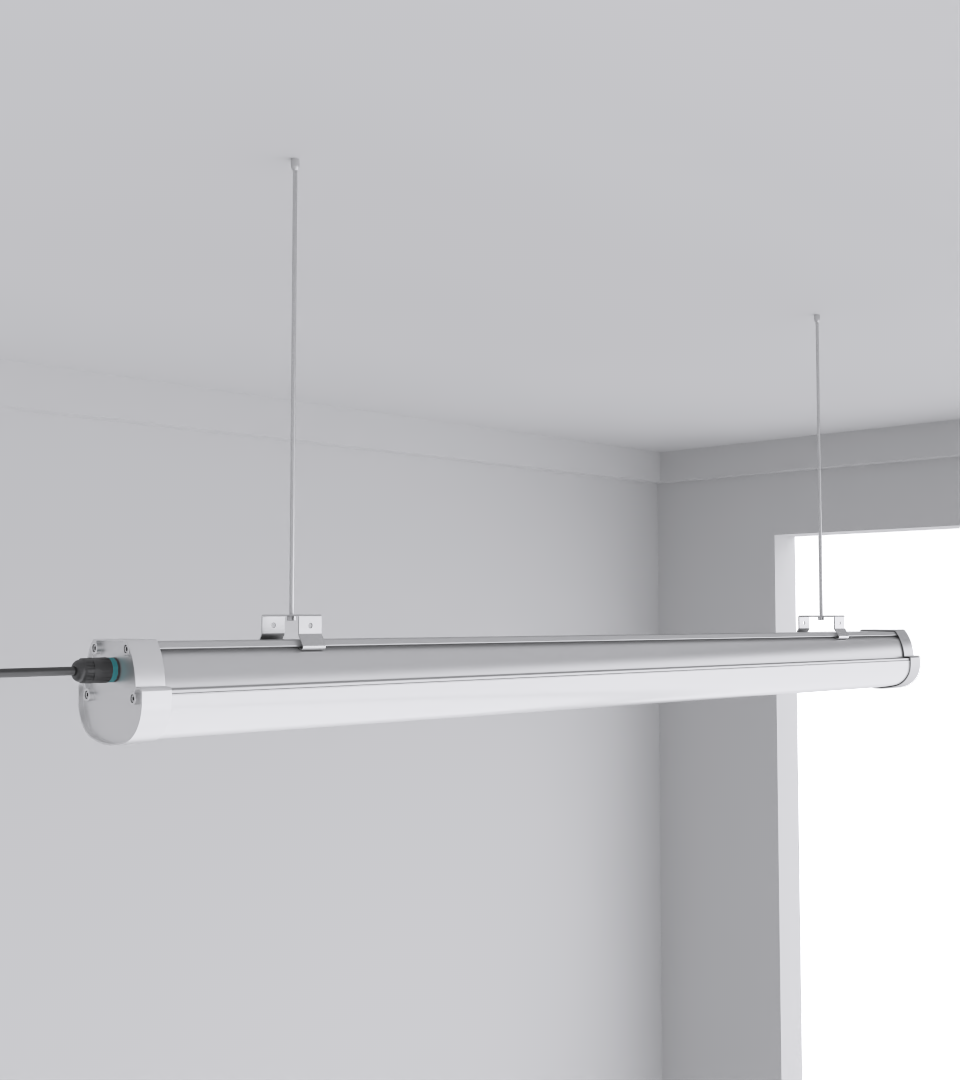
Tier II improves reliability with redundant components (N+1). Typical uptime is ~99.741%. Lighting in Tier II introduces redundancy in critical zones. CAE Lighting’s Quattro Triproof Batten is ideal for humid utility rooms and UPS spaces.
4. Tier III: Concurrently Maintainable Infrastructure
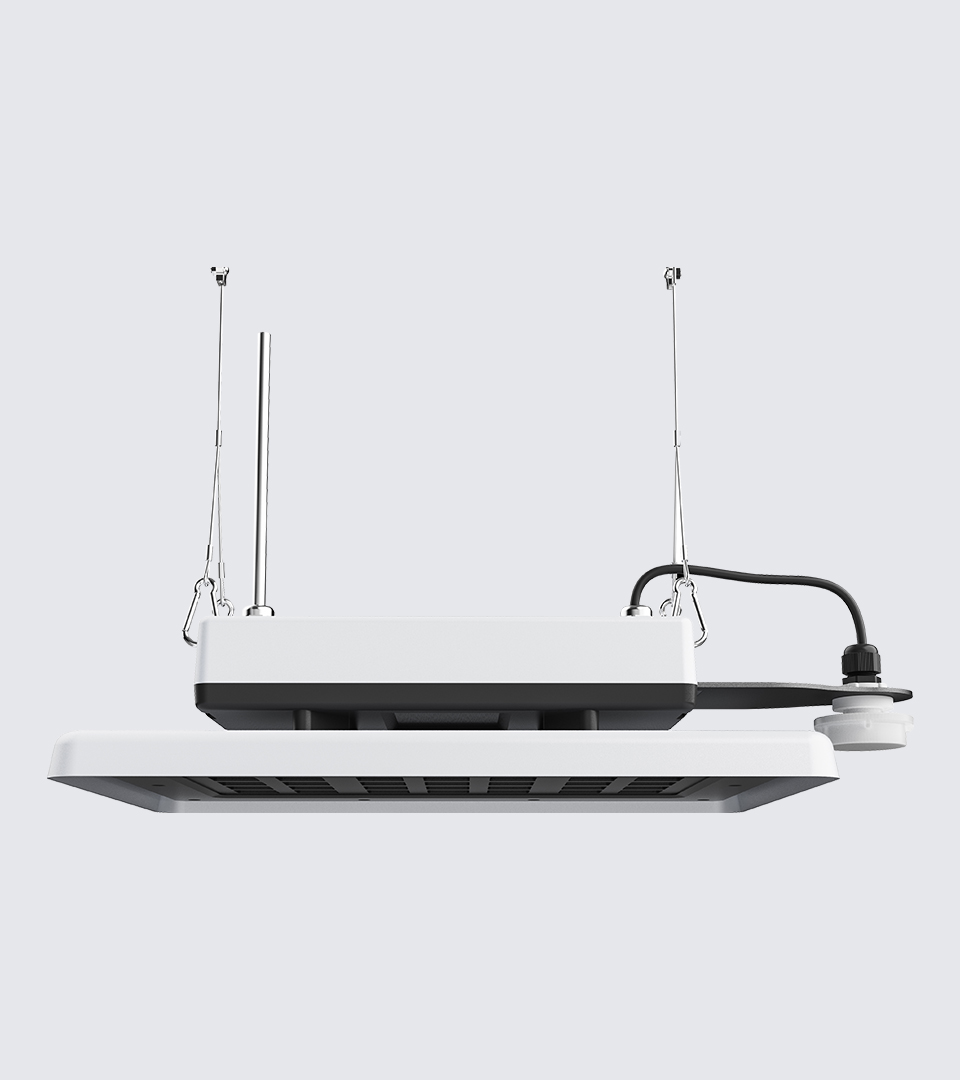
Tier III allows all components to be maintained without shutting down IT load. Uptime: 99.982% (~1.6 hrs downtime/year). Lighting must have dual feeds and maintainability. The Squarebeam Elite provides efficiency and smart controls for high-bay halls.
5. Tier IV: Fault-Tolerant Infrastructure
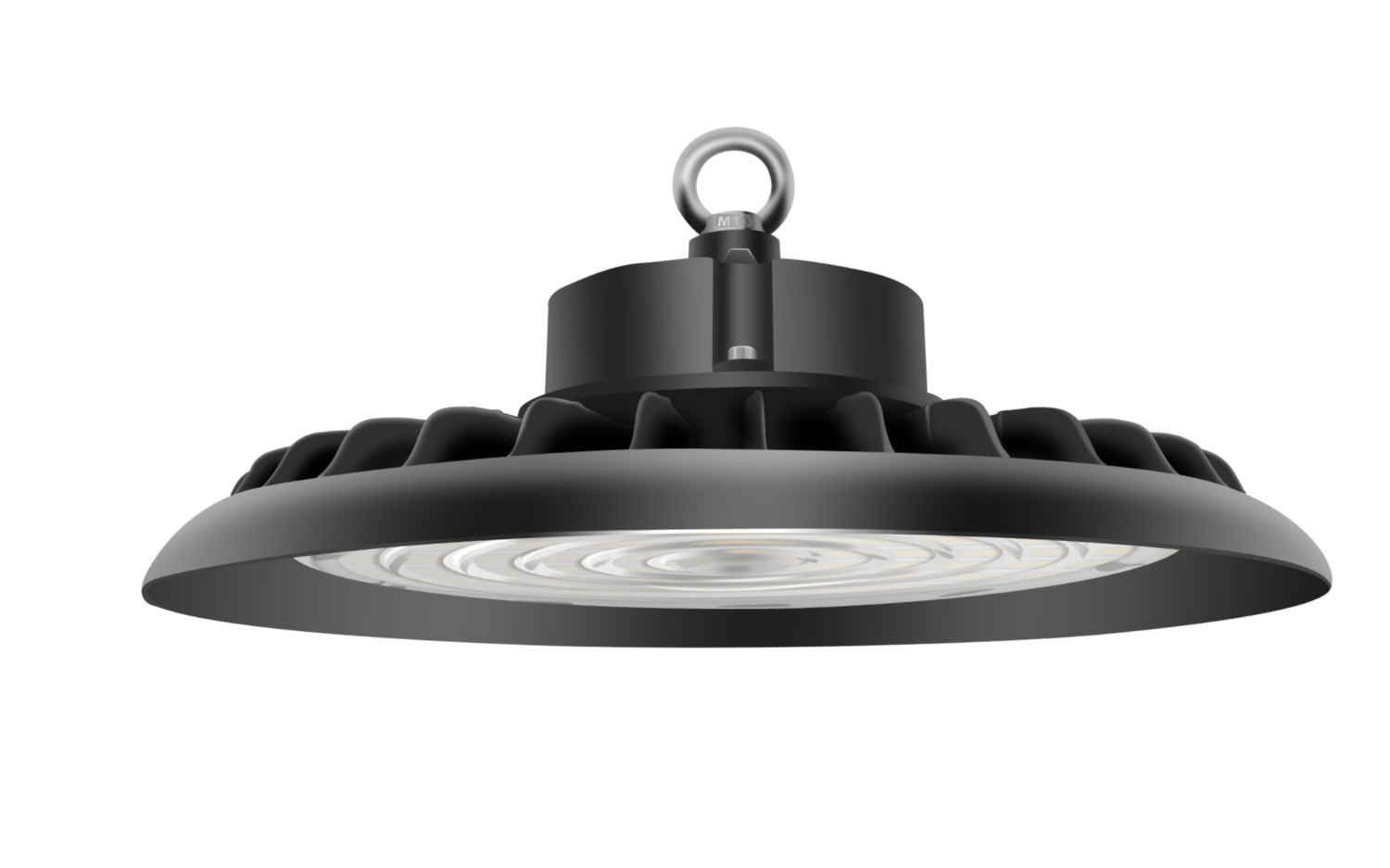
Tier IV is fully fault tolerant, with 2N or 2(N+1) redundancy. Uptime is ~99.995%. Lighting requires dual circuits, independent emergency systems, and zonal redundancy. Budget High Bay and Squarebeam Elite are deployed in mission-critical halls.
6. Lighting Requirements Across Tier Levels
Lighting compliance differs across tiers. Tier I: basic. Tier II: redundant in critical areas. Tier III: dual feeds. Tier IV: full redundancy. CAE Lighting products map to each tier level accordingly.
7. CAE Lighting Solutions for Tiered Data Centers
CAE Lighting delivers tailored products: SeamLine Batten (Tier I), Quattro Triproof (Tier II), Squarebeam Elite (Tier III), and Budget High Bay (Tier IV). Each supports the redundancy and durability expected at that tier.
8. Implementation Roadmap & Compliance Guidance
Steps to align with Tier standards: assess target Tier, audit infrastructure, define lighting redundancy, select fixtures, test redundancy, document compliance. Practical audits confirm dual-feed lighting circuits and emergency paths.
Frequently Asked Questions (FAQ)
Q1: What is the main difference between Tier III and Tier IV?
Tier III is concurrently maintainable; Tier IV is fault tolerant with multiple independent systems.
Q2: Are Tier Standards mandatory?
They are voluntary benchmarks, not legally enforced, but widely recognized.
Q3: How does lighting affect Tier compliance?
Dual feeds, emergency circuits, and redundancy in lighting are part of higher-tier requirements.
Q4: Which CAE product suits Tier III data halls?
The Squarebeam Elite with dual-path design and smart controls.