
Data Center Space Planning Best Practices: Standards, Layouts, and Future-Ready Design
–
- Understanding Data Center Space Planning
- Standards and Guidelines for Space Planning
- Forecasting Growth and Space Requirements
- Designing Rack, Aisle, and Containment Layouts
- Power and Cooling Interdependencies
- Scalability and Modular Design Approaches
- Cost Trade-Offs and Efficiency Metrics
- Common Pitfalls and Expert Lessons Learned
- Frequently Asked Questions (FAQ)
Key Takeaways
| Question | Answer |
|---|---|
| What is data center space planning? | Designing and managing racks, aisles, power, and cooling layouts for efficiency and scalability. |
| Why does it matter? | Prevents wasted space, reduces hot spots, ensures compliance, and avoids costly retrofits. |
| Which standards apply? | ANSI/TIA-942, Uptime Institute, EN 50600, ASHRAE thermal guidelines. |
| What mistakes are common? | Underestimating growth, poor airflow, no service clearance, ignoring modular expansion. |
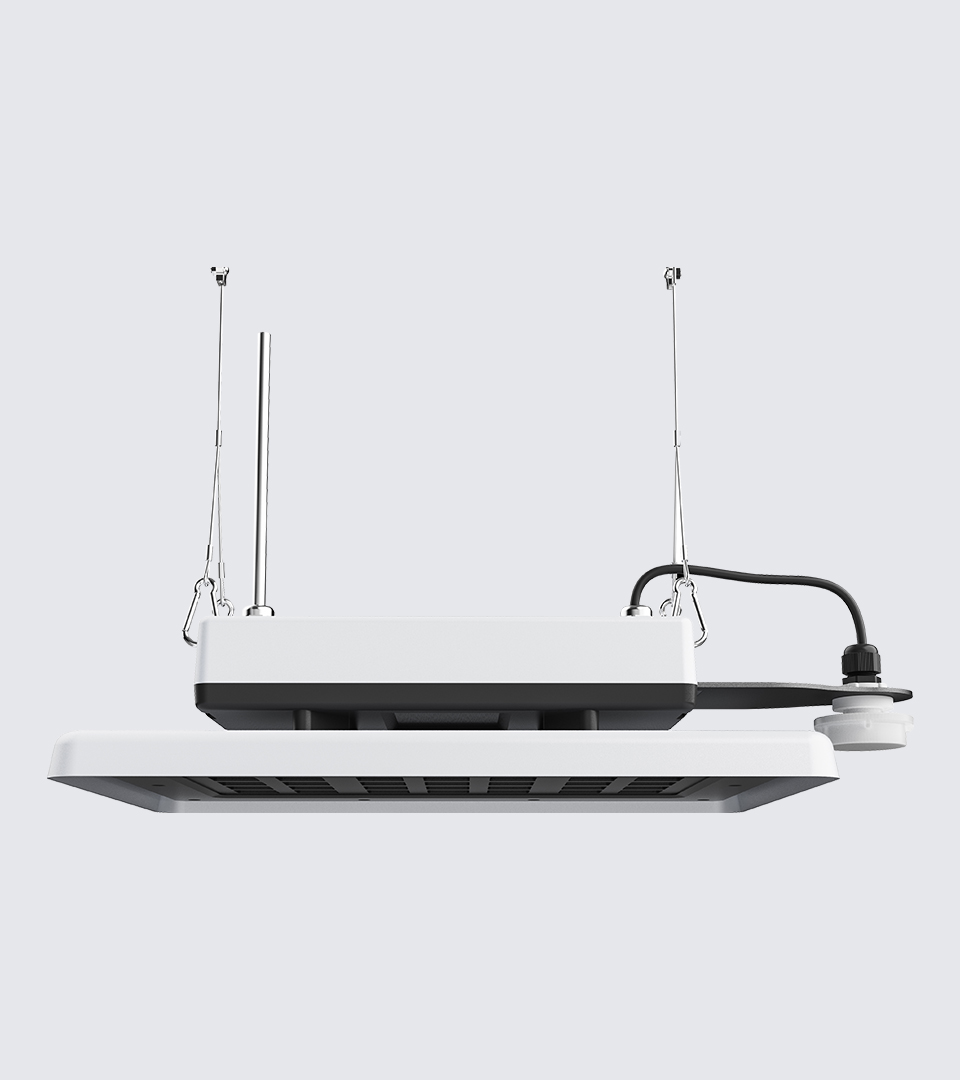
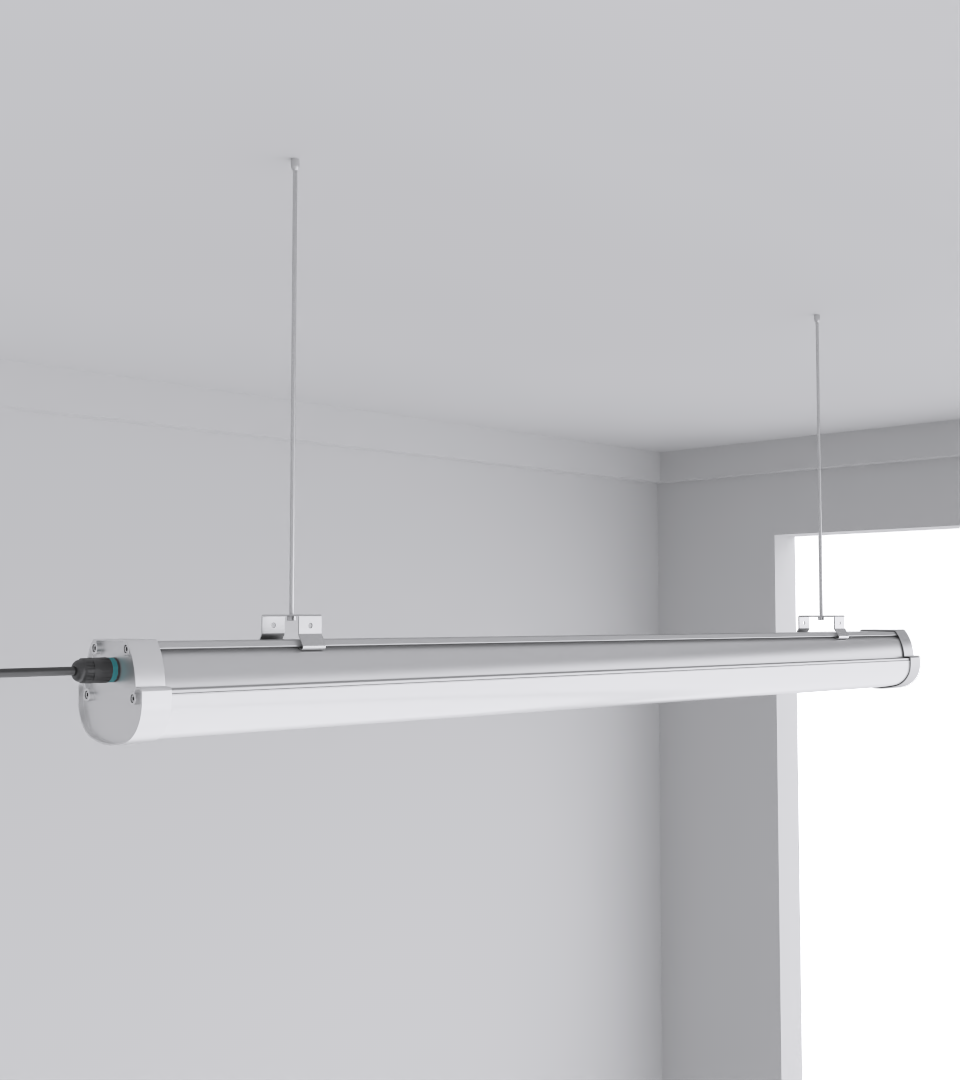
| Role of lighting? | Products like SquareBeam Elite and Quattro Triproof Batten improve safety and efficiency. |
1. Understanding Data Center Space Planning
Data center space planning goes far beyond counting square meters. It covers rack placement, aisle layout, cable routing, cooling paths, power distribution, and human accessibility. Done poorly, even a new Tier III facility can become inefficient within five years.
A simple example: in a 6-MW build in Johor, racks were packed tightly without service corridors. Within two years, technicians struggled to replace failed power supplies. Fixing that mistake meant cutting capacity by 12% just to regain access.
[ ]
]
2. Standards and Guidelines for Space Planning
Several global standards shape how space is planned:
- ANSI/TIA-942: defines minimum requirements for telecommunications cabling and pathways.
- Uptime Institute Tier Standard: classifies reliability (Tier I–IV).
- ASHRAE guidelines: thermal conditions for IT equipment.
- EN 50600: European standard for data center design.
[ ]
]
3. Forecasting Growth and Space Requirements
Space planning fails most often because growth projections are too conservative. AI, GPU clusters, and edge deployments double rack power density compared to legacy x86 workloads.
- Inventory existing load: racks, servers, switches, power draw.
- Apply growth multipliers: industry average is 15–20% per year.
- Plan for refresh cycles: hardware replaced every 3–5 years may increase rack density.
- Allocate overhead: reserve at least 30% space for expansion.
[ ]
]
4. Designing Rack, Aisle, and Containment Layouts
Layout defines airflow efficiency, technician safety, and cooling effectiveness.
- Cold aisle width: 1.2 m (single depth), 2.4 m (double depth).
- Hot aisle containment ensures exhaust air doesn’t mix with supply.
- Rack depth clearance: ≥1.0 m behind racks for service.
[ ]
]
5. Power and Cooling Interdependencies
Power and cooling dominate capital and operational expenditure. Rule of thumb: for every 1 kW IT load, ~0.8–1.2 kW of cooling is needed.
[ ]
]
6. Scalability and Modular Design Approaches
Modern builds favor phased expansion and modular pods over monolithic halls. Benefits include faster deployment, lower risk, and easier upgrades.
7. Cost Trade-Offs and Efficiency Metrics
Budget planning always balances CapEx vs OpEx.
| Option | CapEx Impact | OpEx Impact |
|---|---|---|
| Wider aisles | ↑ | ↓ (better airflow) |
| High density racks | ↓ | ↑ (cooling demand) |
| LED lighting upgrade | Small ↑ | Large ↓ |
8. Common Pitfalls and Expert Lessons Learned
Common mistakes include underestimating growth, ignoring service access, and poor airflow design. Lighting is often overlooked: dark aisles increase accident risk and slow maintenance.
Frequently Asked Questions (FAQ)
Q1: What is the first step in data center space planning?
Audit IT loads, rack density, and cooling capacity.
Q2: How much clearance is needed behind racks?
At least 1 meter.
Q3: How does lighting factor?
LEDs reduce heat and improve safety, e.g. SquareBeam Elite.
Q4: Which tools help?
DCIM software, BIM, CFD simulations.
Q5: How often should plans be revisited?
Annually, or with IT load changes.