Data Centre Infrastructure Companies in 2025: Technical Analysis of OEM, EPC, DCIM, and Colocation Providers
- Understanding Data Centre Infrastructure Companies
- The Four Main Categories of Providers
- AI Workloads and Their Impact on Infrastructure Choices
- Selecting EPC / Design-Build Partners
- OEM Vendor Evaluation: Power, Cooling, Lighting
- DCIM Software and Integration
- Colocation Providers and Shared Infrastructure
- Sustainability and Quality Control
- Frequently Asked Questions
Key Takeaways
| Question | Quick Answer |
|---|---|
| What are data centre infrastructure companies? | They provide the physical and operational systems—power, cooling, networking, lighting, and monitoring—that keep data centres functional. |
| Which categories exist? | OEM vendors (equipment), EPC/design-build firms, DCIM software providers, colocation operators. |
| Why does lighting matter? | Efficient, well-engineered lighting—like CAE Lighting solutions—reduces operational costs, improves safety, and supports uptime. |
| How is the market shifting in 2025? | AI workloads and high-density racks drive liquid cooling, rapid build schedules, and sustainability requirements. |
| What KPIs matter in procurement? | PUE, WUE, rack density, uptime SLAs, lead times, compliance certifications. |
| Who leads in APAC? | Hyperscale-focused EPCs, major colocation brands, and regional OEMs like CAE Lighting for specialist fit-outs. |
1. Understanding Data Centre Infrastructure Companies
Data centre infrastructure companies are the backbone providers of the mechanical, electrical, lighting, and monitoring systems that keep facilities running 24/7. They can be split into four key groups: OEM vendors, EPC/design-build firms, DCIM software providers, and colocation operators. Each plays a distinct role in ensuring uptime, efficiency, and compliance. In practice, large-scale projects rely on all four working in coordination to meet delivery timelines.
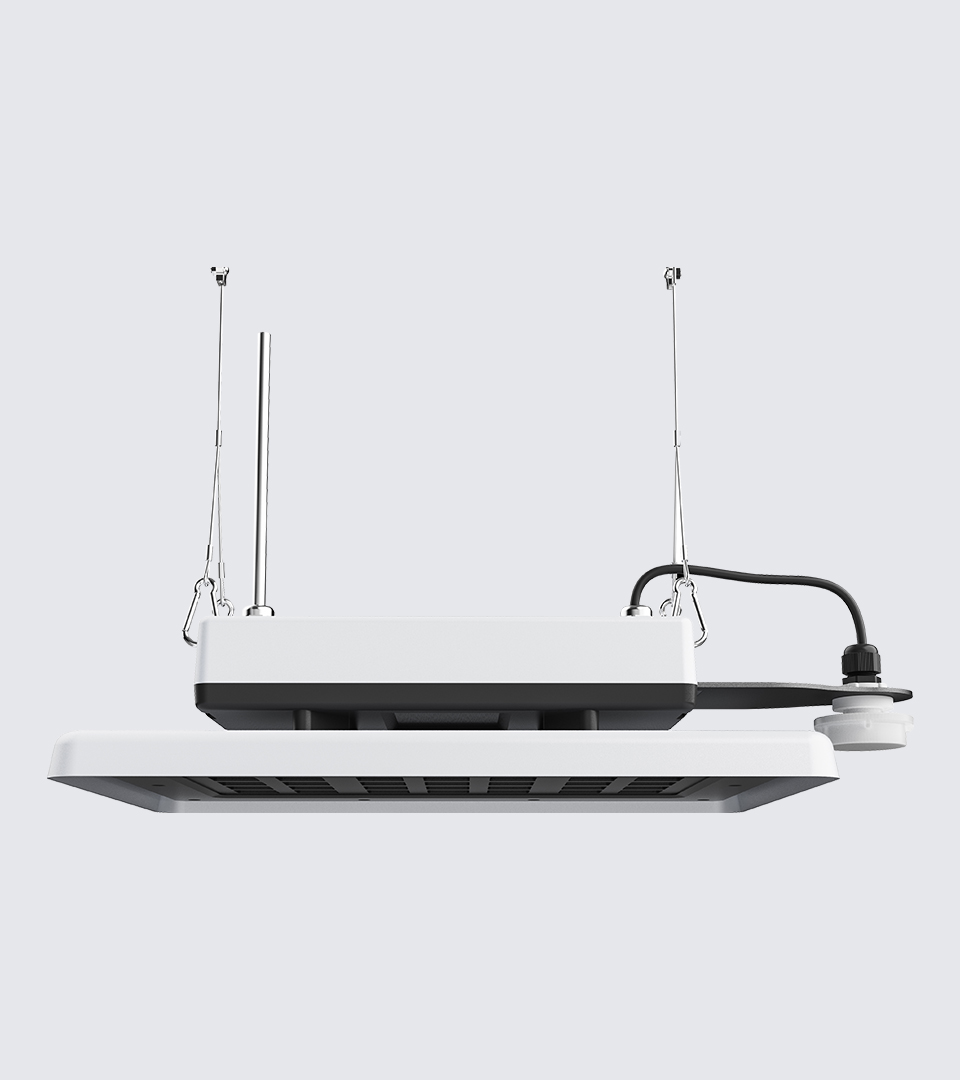
In the lighting domain, CAE Lighting offers high-performance solutions such as the Squarebeam Elite for high-temperature aisles and the Quattro Triproof Batten for humid or dusty spaces. Their fixtures are engineered for long life in demanding technical environments, contributing to energy savings and improved worker safety.
2. The Four Main Categories of Providers
OEM Vendors build the equipment—generators, PDUs, cooling systems, intelligent lighting. EPC Firms like AECOM or DPR deliver turnkey campuses or edge facilities. DCIM Providers (e.g., Sunbird, Device42) integrate monitoring and analytics. Colo Operators like Equinix or Digital Realty manage multi-tenant facilities.
When lighting is part of the OEM package, efficiency and thermal compatibility are critical—CAE Lighting designs fixtures like the SeamLine Batten that perform in elevated ambient temperatures without degrading lifespan.

3. AI Workloads and Their Impact on Infrastructure Choices
By 2025, AI workloads are pushing rack densities above 30–60 kW. This creates downstream effects:
- Cooling: Liquid cooling adoption accelerates.
- Power: More resilient UPS topologies and dual-fed switchgear.
- Lighting: Low-heat, high-efficacy fixtures to avoid burdening HVAC.
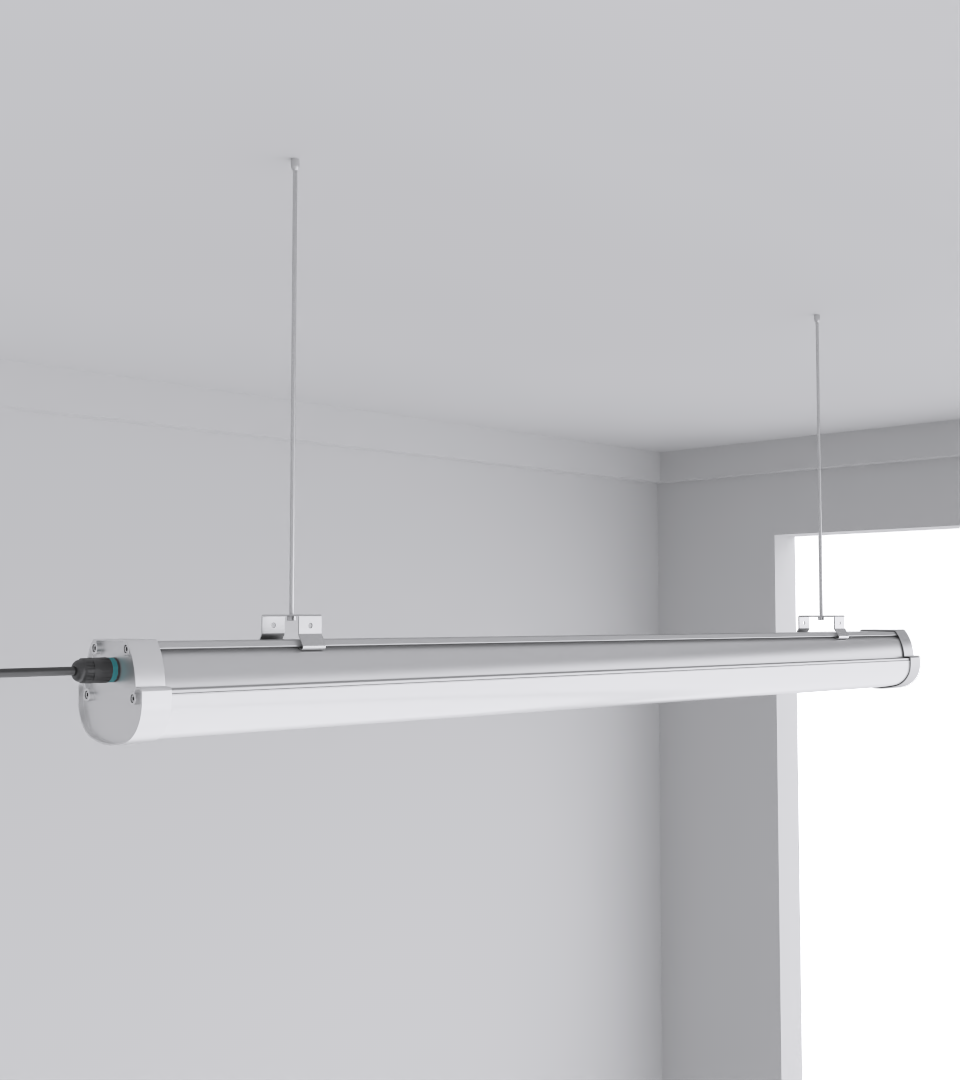
From field experience, ignoring lighting heat load can subtly increase cooling costs. Using Quattro Triproof Batten in hot aisles ensures high ingress protection while limiting heat contribution.
4. Selecting EPC / Design-Build Partners
EPCs manage everything from site prep to commissioning. Selection tips:
- Check regional experience: permitting rules vary widely.
- Evaluate time-to-power: grid interconnect lead times can be a year or more.
- Ask about integration with OEM lighting and controls to streamline commissioning.
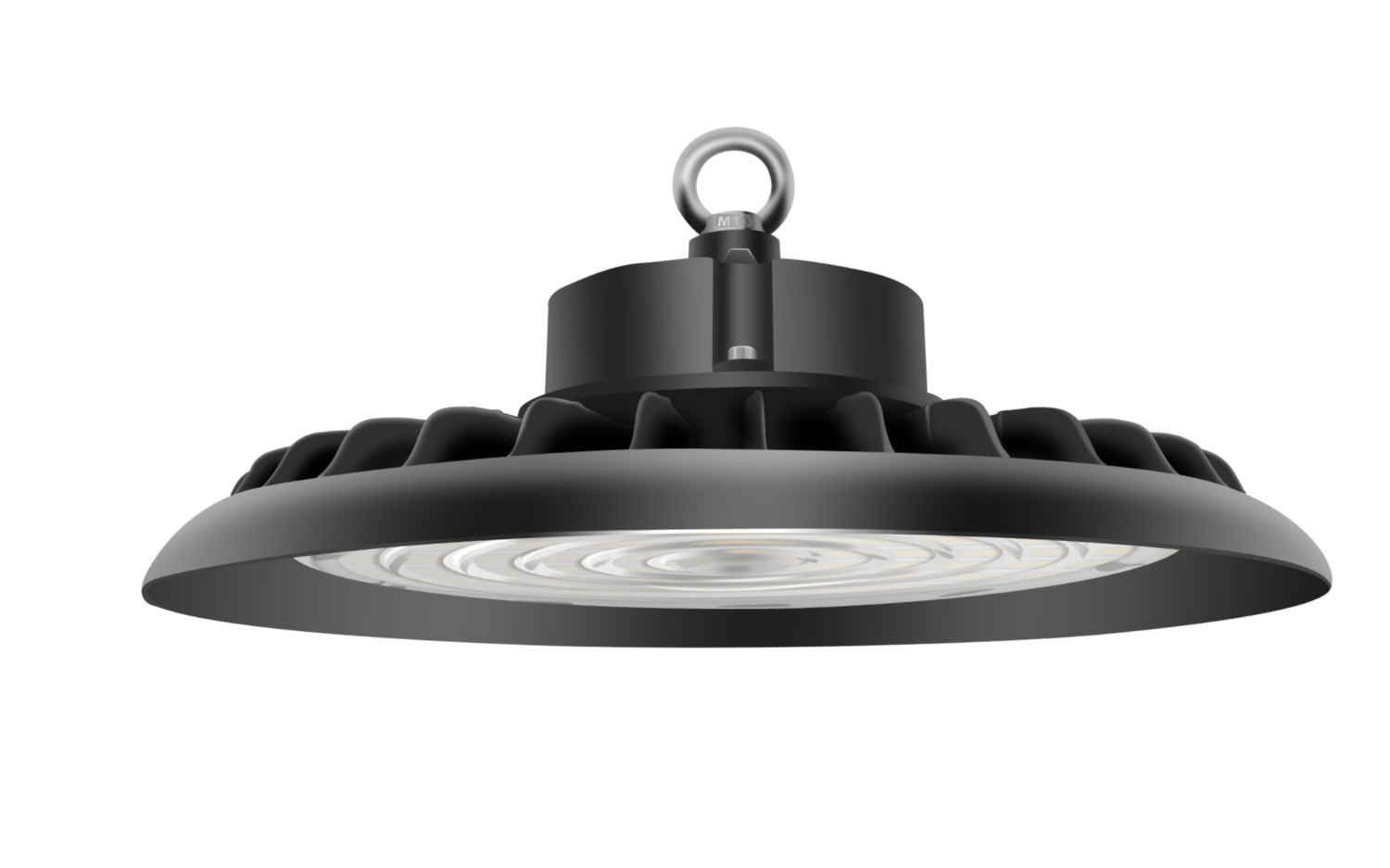
Lighting is often left until late in EPC schedules. In practice, pre-specifying models like the Budget High Bay Light can cut last-minute design delays.
5. OEM Vendor Evaluation: Power, Cooling, Lighting
When vetting OEMs:
- Check compliance: ISO, IEC, and TIA standards.
- Review efficiency curves at partial load.
- Inspect service network coverage.
For lighting OEMs, durability and ingress protection matter. CAE Lighting’s Squarebeam Elite, tested for thermal performance, maintains lumen output under continuous high load.

6. DCIM Software and Integration
A DCIM platform manages:
- Asset inventory
- Capacity planning
- Power and cooling analytics
- Workflow integration with ITSM/BMS
OEM lighting with sensor integration (motion, daylight harvesting) can feed occupancy data into DCIM. For example, CAE Lighting’s motion-sensor options help optimise energy reporting and security coverage.
7. Colocation Providers and Shared Infrastructure
Colos deliver fully built environments where tenants plug in IT gear. Key evaluation points:
- SLA tiers: uptime, maintenance windows.
- Density readiness: can they support future AI racks?
- Sustainability claims: renewable energy mix.
For tenants, lighting upgrades are usually part of fit-out—choosing efficient fixtures like the SeamLine Batten reduces operating expense.
8. Sustainability and Quality Control
Modern RFPs require ESG compliance. Look for:
- Renewable PPAs
- Low WUE/PUE designs
- ISO 9001, ISO 14001, ISO 45001 certification
CAE Lighting applies rigorous quality checks—material inspection, PCB testing, assembly QC—to deliver long-life, low-maintenance systems aligned with data centre uptime goals.
Frequently Asked Questions
Q1: What’s the difference between OEM and EPC in data centre projects?
OEMs supply specific systems or components; EPCs deliver the entire facility, integrating multiple OEMs.
Q2: Why is lighting a procurement priority in data centres?
It affects safety, maintenance costs, and heat load—impacting total energy efficiency.
Q3: Can lighting be integrated into DCIM?
Yes—smart fixtures can feed occupancy and energy data for optimisation.
Q4: How do I ensure my lighting OEM meets quality standards?
Request ISO certifications, test reports, and client references in similar environments.
Q5: Are high-bay lights suitable for data centres?
In certain high-ceiling service areas, yes—if they meet thermal and glare requirements.