
Data Centre Maintenance Best Practices: Lighting, Power, and Cooling Systems Explained
–
- Why Lighting Maintenance Matters in Data Centres
- Preventive Maintenance Routines
- Cooling System and Lighting Interactions
- Power Infrastructure and Emergency Lighting
- Safety and Emergency Systems
- Cleanliness and Physical Environment
- Staff Training and Maintenance Logs
- Continuous Improvement and Upgrade Paths
- Frequently Asked Questions (FAQ)
Key Takeaways
| Maintenance Area | What to Do | CAE Lighting Solution |
|---|---|---|
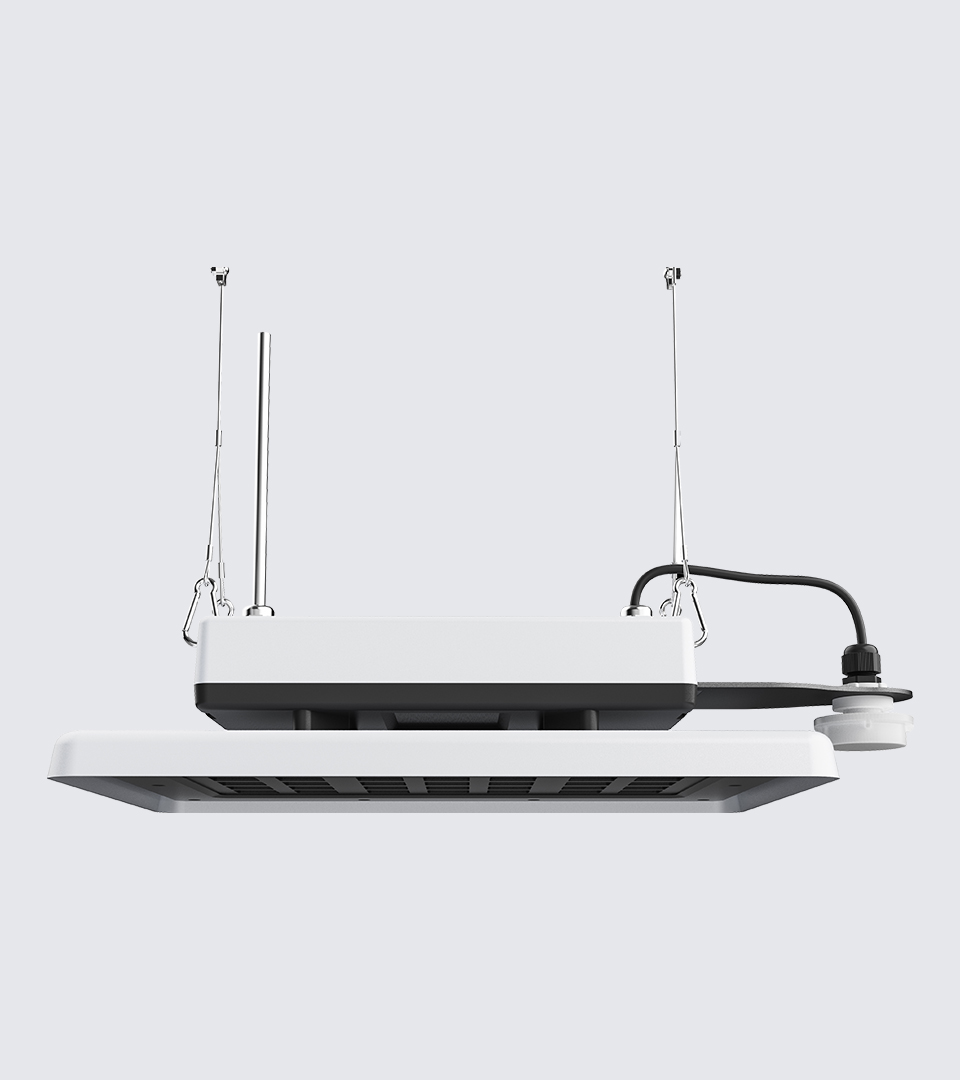
| Lighting Systems | Inspect fixtures quarterly, check lumen output, replace aging units | Squarebeam Elite |
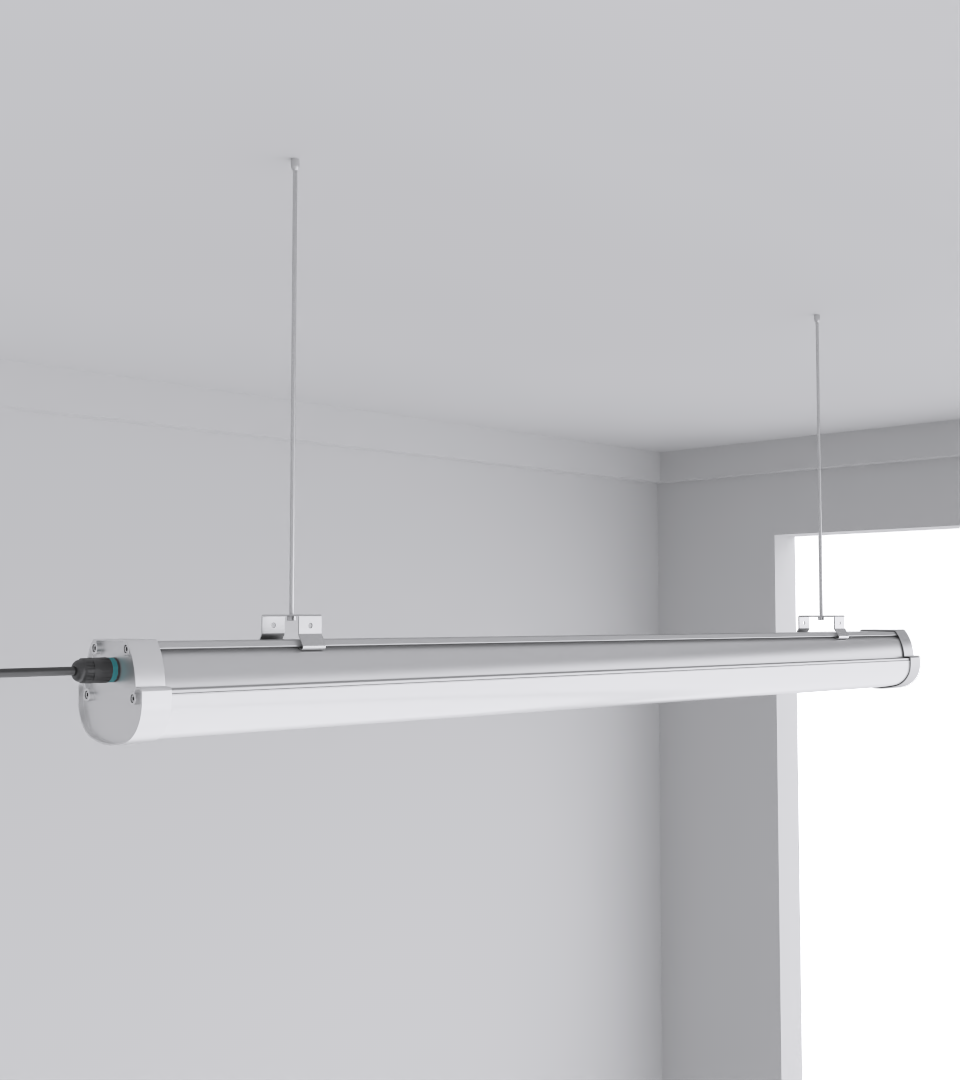
| Cooling & HVAC | Maintain airflow, check fans, filters, ducts | Quattro Triproof Batten |
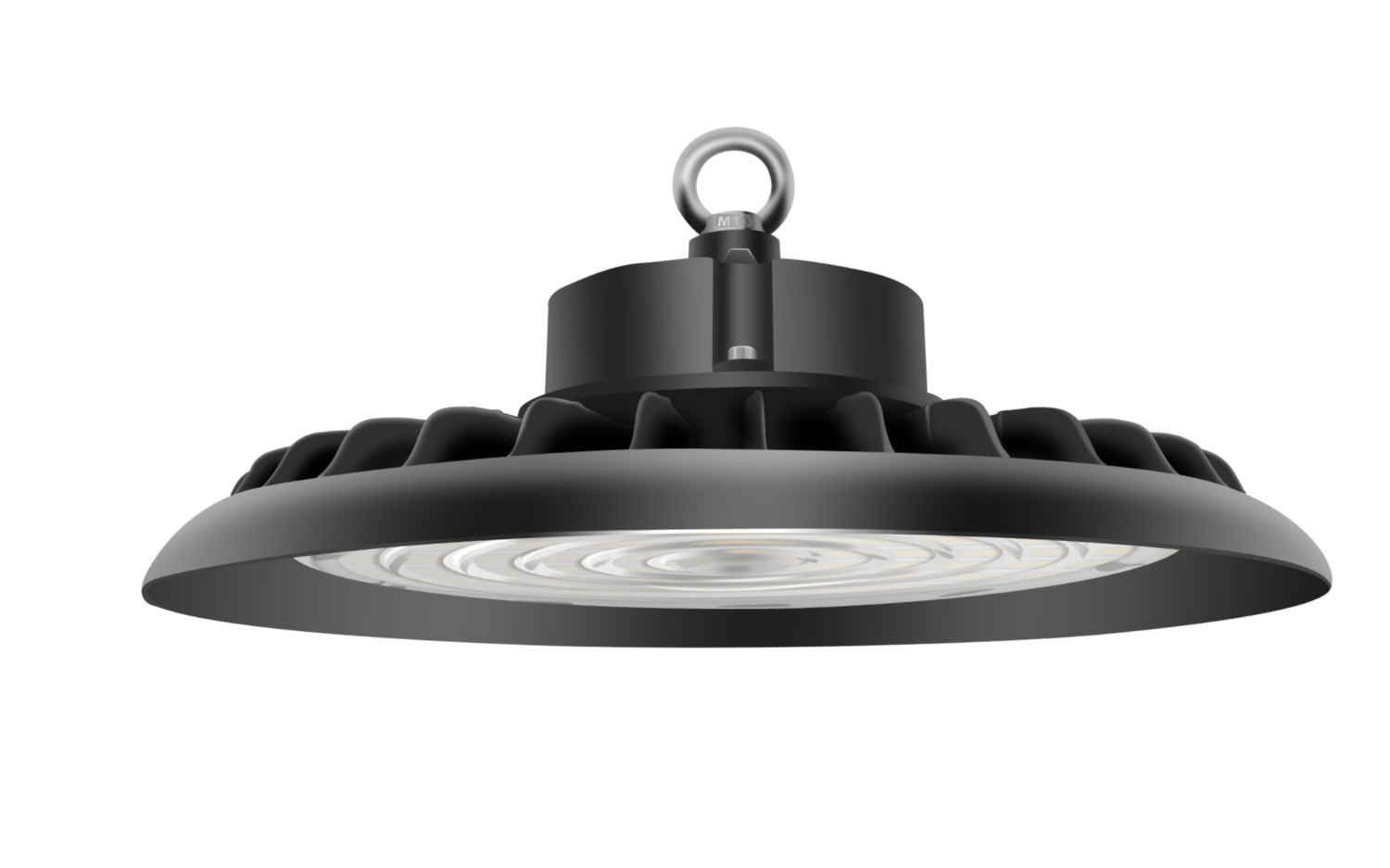
| Power Systems | UPS and generator testing, emergency light verification | Budget High Bay Light |
| Safety & Emergency | Verify emergency lights, exit signage, motion-sensors | SeamLine Batten |
| Cleanliness | Vacuum raised floors, replace filters, wipe luminaires | Squarebeam Elite simplifies cleaning |
| Staff Routines | Inspection logs, shift-based walk-throughs | Motion-sensor LED integration |
| Continuous Improvement | Track KPIs, plan fixture upgrades | CAE custom designs & upgrades |
1. Why Lighting Maintenance Matters in Data Centres
Lighting in a data centre isn’t only about visibility — it’s about uptime and safety. Poorly maintained lighting can result in unsafe work conditions, mis-identification of cabling, and even cooling inefficiencies if fixtures overheat.
In one Malaysian colocation facility we supported, 20% of floor dark spots were caused by aged fluorescent fittings that had degraded lumen output. Switching to Squarebeam Elite reduced maintenance calls by half and stabilized lux levels across the hot aisle.
2. Preventive Maintenance Routines
A good maintenance framework splits into weekly, monthly, and quarterly tasks:
- Weekly: Walk-throughs, checking for flickering LEDs, dust accumulation, or fixture vibration.
- Monthly: Test motion sensors and backup power to emergency lights.
- Quarterly: Measure lux levels, compare against design spec (often 500+ lux in data halls), and replace underperforming units proactively.
Preventive scheduling avoids “run-to-fail” scenarios that cost more in downtime. For example, the Quattro Triproof Batten performs best with quarterly seal inspections to maintain its IP65 waterproof rating.
3. Cooling System and Lighting Interactions
Lighting generates heat. Even efficient LEDs contribute to the thermal load, which directly affects cooling bills. Maintenance teams must ensure fixtures are not blocked by cable trays or ducts.
- Check airflow around suspended battens.
- Verify luminaires don’t disrupt hot/cold aisle containment.
- Replace any unit showing yellowing of lens — often a sign of heat stress.
We often recommend SeamLine Batten for corridors and perimeters because of its slim profile and low thermal footprint.

4. Power Infrastructure and Emergency Lighting
Maintenance teams should test UPS circuits, emergency generators, and lighting backups monthly. LEDs connected to dual-circuit systems ensure visibility even during power failures.
The Budget High Bay Light is commonly paired with dual power inputs in server halls. During a 2024 Thailand installation, these lights switched seamlessly to backup power during a test drill, ensuring compliance with NFPA and IEC standards.
5. Safety and Emergency Systems
Emergency maintenance goes beyond checking if a bulb glows red. Teams should:
- Inspect exit path markers monthly.
- Verify battery autonomy of at least 90 minutes.
- Ensure corridor luminaires support quick relighting.
The SeamLine Batten adapts well as an emergency corridor luminaire, linking into centralized backup systems.
6. Cleanliness and Physical Environment
Dust is a hidden killer. Accumulated particles reduce cooling efficiency and block light diffusion. Maintenance should:
- Vacuum raised floors and ceilings bi-monthly.
- Replace HVAC filters at least every 6 months.
- Wipe luminaires with anti-static cloths.
Smooth-finished products like Squarebeam Elite simplify cleaning compared to ribbed fluorescent housings.
7. Staff Training and Maintenance Logs
Even the best hardware fails if staff skip documentation. Logs ensure accountability. Every task — from tightening a mounting bracket to verifying an IP rating — should be written down.
- Maintain digital logs with timestamped checks.
- Train staff on identifying early lumen degradation.
- Rotate responsibility to avoid blind spots.
In one Kuala Lumpur project, maintenance records flagged a cluster of Quattro fixtures repeatedly showing ingress at the gaskets. Early detection avoided a mass outage.
8. Continuous Improvement and Upgrade Paths
Maintenance is not static. Data centres evolve, and so must lighting strategies. Reviewing KPIs every quarter keeps systems aligned with operational goals.
- KPIs to track: MTBF, MTTR, lux uniformity, idle load energy consumption.
- Upgrades: Replace legacy fluorescents with Simplitz Batten V3 equivalents or CAE custom builds.
- Future-proofing: Choose fixtures with smart sensor options for occupancy and daylight harvesting.

Frequently Asked Questions (FAQ)
Q1. How often should lighting systems in a data centre be inspected?
At least quarterly for lumen output and annually for full system evaluation.
Q2. Which CAE Lighting product is best for hot aisle environments?
Squarebeam Elite, engineered for high-temperature resilience.
Q3. How do emergency lighting systems get tested?
Monthly function tests plus a full 90-minute autonomy test every 6 months.
Q4. Why are IP65 fixtures important in data centres?
Because they resist condensation and particulate ingress, maintaining both safety and performance.
Q5. What’s the simplest way to reduce idle lighting loads?
Use motion-sensor LEDs or integrate occupancy scheduling via CAE fixtures like the Quattro Triproof Batten.