Data Centre Management 2025: DCIM, Intelligent Lighting, and Energy Efficiency Explained
–
Key Takeaways
| Feature or Topic | Summary |
|---|---|
| Integration Benefits | Energy savings, streamlined operations, enhanced monitoring, and predictive maintenance. |
| Key Protocols | BACnet, Modbus, SNMP ensure interoperability. |
| Implementation Strategies | Assess existing infrastructure, select compatible systems, phased deployment recommended. |
| Operational Advantages | Reduced downtime, improved safety, occupant comfort, and significant sustainability contributions. |
Understanding Intelligent Lighting Controls
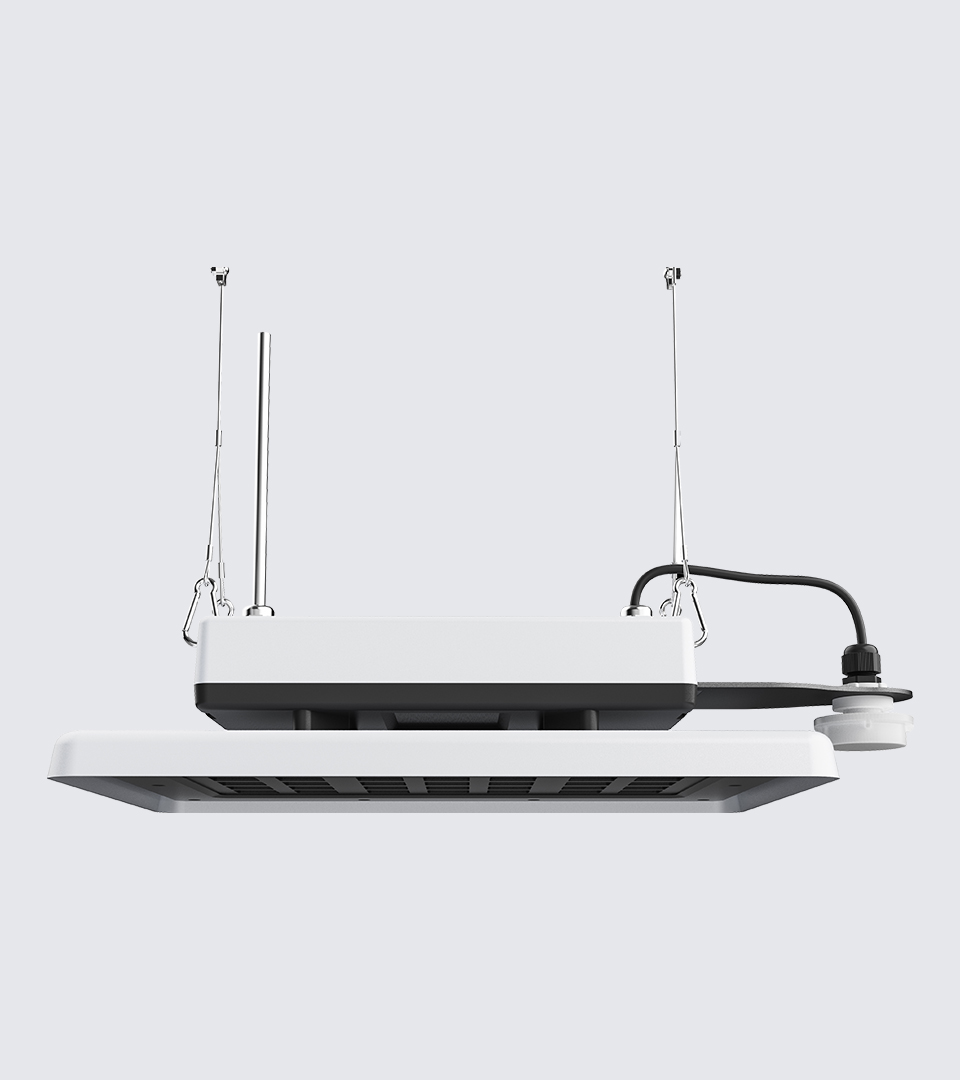
Intelligent lighting controls rely on sensors, timers, and automation protocols to deliver optimized illumination in data centres. They adjust brightness, detect occupancy, and reduce wasted energy. By linking to environmental sensors, lighting can complement HVAC adjustments, reducing strain on cooling systems.
Overview of DCIM Software
Data Centre Infrastructure Management (DCIM) software acts as the digital nervous system. It maps assets, monitors power consumption, tracks environmental data, and sends alarms when thresholds are breached. When paired with lighting systems, DCIM ensures facilities managers get a complete operational view from one dashboard.
The Need for Integration
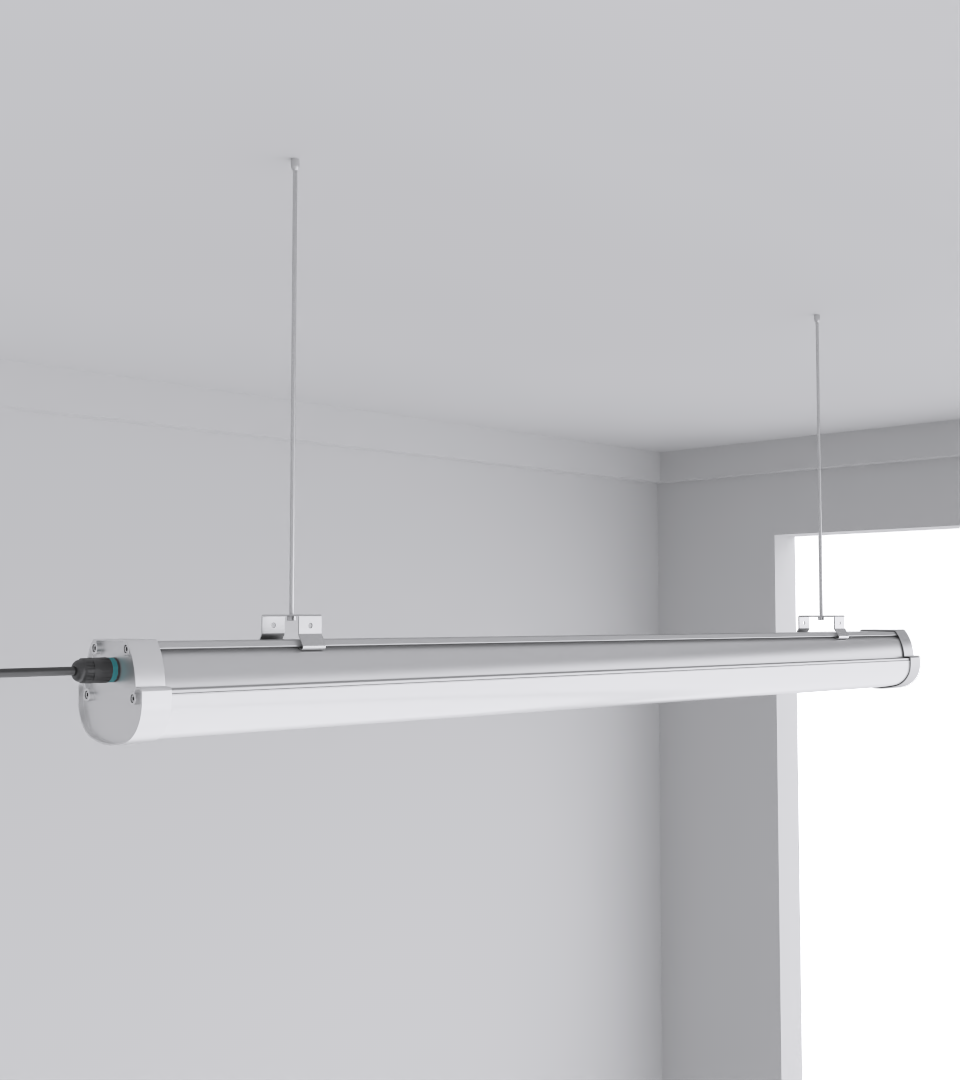
Running lighting, cooling, and IT monitoring in silos leads to inefficiency. Integration eliminates duplicated alerts and blind spots. For example, linking lighting sensors to DCIM allows automatic dimming when racks are idle, saving energy without manual intervention. This alignment simplifies management and boosts resilience.
Technical Aspects of Integration
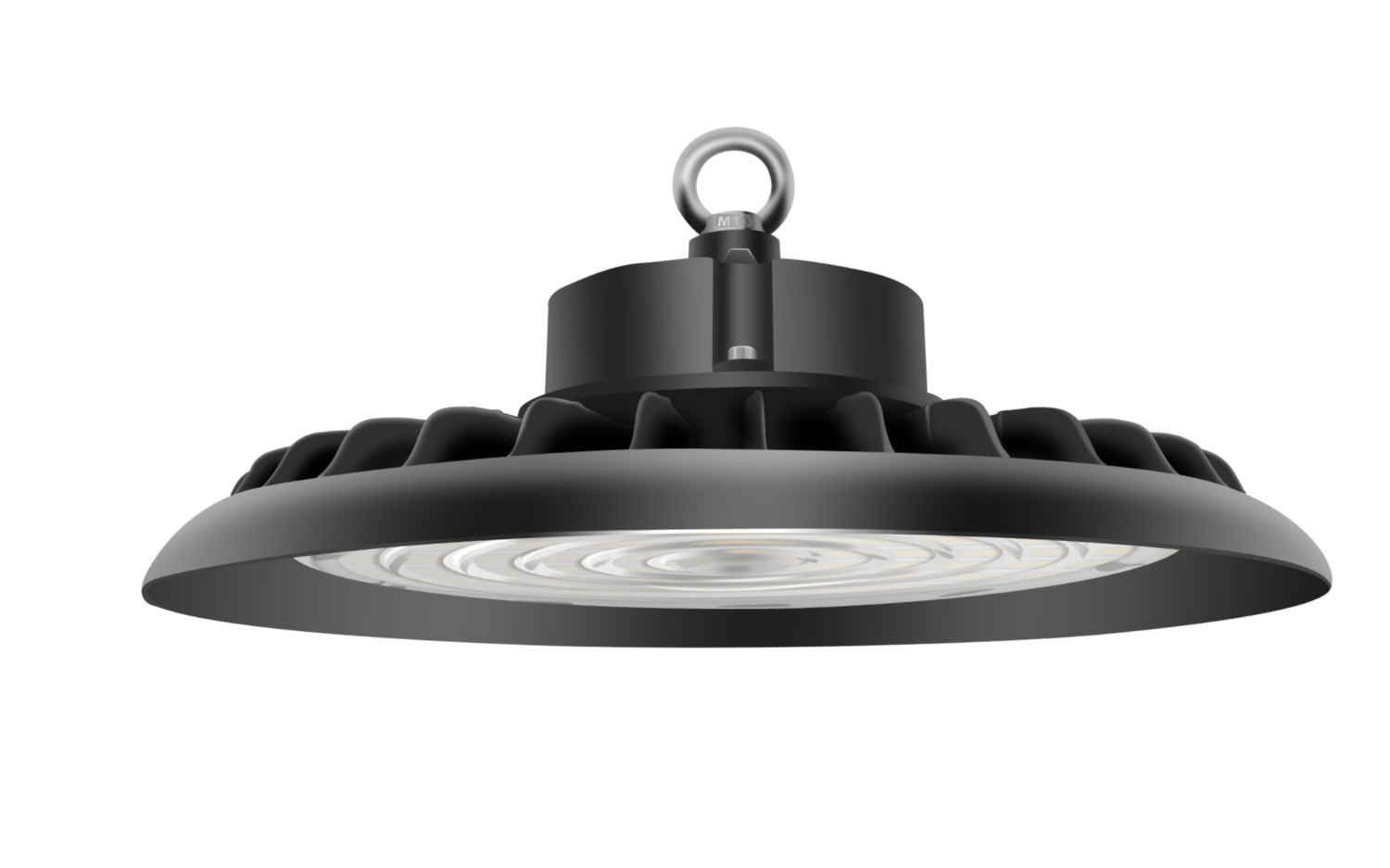
Protocols like BACnet, Modbus, and SNMP provide the backbone for interoperability between lighting and DCIM platforms. Gateways translate signals, ensuring seamless communication. Cybersecurity must be considered too, as every integration point is a potential attack surface. Robust encryption and access controls safeguard operations.

Implementation Strategies
Rolling out integration should be staged. Start with an audit of existing infrastructure. Identify legacy lighting and DCIM systems, then plan upgrades in phases. Testing interoperability in a pilot environment avoids disruption. Training staff ensures long-term success and prevents reliance on vendor-specific expertise.

Energy Efficiency and Sustainability
Lighting may account for 5–10% of a data centre’s power usage. Intelligent controls, combined with efficient LEDs, can reduce this by half or more. Integration enables real-time reporting of energy savings, supporting ESG reporting and sustainability goals. Reduced consumption directly translates to lower cooling demand.
Operational Benefits
Integrated lighting and DCIM systems reduce downtime risks by automating responses. Motion sensors can trigger lighting for technicians during maintenance, while DCIM correlates activity with system logs. The result is safer work environments, fewer errors, and improved staff productivity.
Challenges and Solutions
Integration comes with challenges. Legacy systems may lack modern interfaces, requiring costly retrofits. Compatibility issues between vendor platforms can delay projects. Solutions include middleware gateways, vendor-neutral standards adoption, and structured training programs to ensure long-term operability.
Future Trends
The future of data centre management will see AI-driven DCIM platforms predicting equipment failures and auto-adjusting lighting, cooling, and power distribution. Wireless lighting controls and IoT sensors will reduce cabling overhead. Sustainability reporting will evolve to include lighting-related carbon footprints, shaping purchasing decisions.
Frequently Asked Questions (FAQ)
How does intelligent lighting improve data centre management?
It reduces wasted energy, improves technician safety, and supports integration with other facility systems, enhancing monitoring and predictive maintenance.
What protocols are used for integrating lighting with DCIM?
Protocols like BACnet, Modbus, and SNMP allow lighting systems to communicate with DCIM platforms securely and effectively.
What are the biggest challenges during integration?
Legacy infrastructure, compatibility issues, and training gaps are common. Middleware and phased rollouts help address these.
How much energy can smart lighting save?
Intelligent controls can reduce lighting energy use by 50% or more, with additional benefits in cooling efficiency.
What’s next for lighting and DCIM integration?
Expect AI-driven automation, wireless sensor networks, and tighter ESG-linked reporting requirements to shape the next generation of systems.