
Data Centre Service Providers: Technical Guide to Power, Cooling, Interconnection, and Compliance
–
- Defining a Data Centre Service Provider
- Asia-Pacific as the Entry Point
- Key Criteria When Selecting a Provider
- Power and Cooling: The Backbone of Service Quality
- Interconnection and Network Strategy
- Compliance and Regional Considerations
- Pricing Models, Contracts, and Hidden Costs
- Building an Effective RFP and Shortlist
- Frequently Asked Questions (FAQ)
Key Takeaways
| Feature or Topic | Summary |
|---|---|
| Provider Types | Retail colocation, wholesale, interconnection hubs, and managed data centre outsourcing. |
| APAC Entry Points | Singapore, Hong Kong, Tokyo, and Sydney lead in capacity, connectivity, and compliance maturity. |
| Selection Criteria | Evaluate power density roadmaps, cooling capabilities, network reach, compliance, sustainability, and contract flexibility. |
| Global Leaders | Equinix, Digital Realty, NTT, Telehouse, QTS, CoreSite, and regional specialists like AirTrunk and GDS. |
| Lighting Integration | Specialized data centre lighting from CAE Lighting supports operational safety and energy management. |
1. Defining a Data Centre Service Provider
In the simplest terms, a data centre service provider delivers physical or virtual space, power, and network services for hosting IT workloads. Depending on the model, this can mean anything from leasing a single rack in a shared space to outsourcing the entire facility operation. Common service categories include:
- Retail Colocation: Smaller capacity commitments (1–20 racks), high service flexibility, access to multiple carriers.
- Wholesale/Campus: Large space and power blocks for enterprise or hyperscale customers.
- Interconnection Hubs: Carrier-neutral meet-me rooms, Internet Exchange points, cloud on-ramps.
- Managed DC Outsourcing (DCO/HIMS): Third-party operation of client-owned facilities.
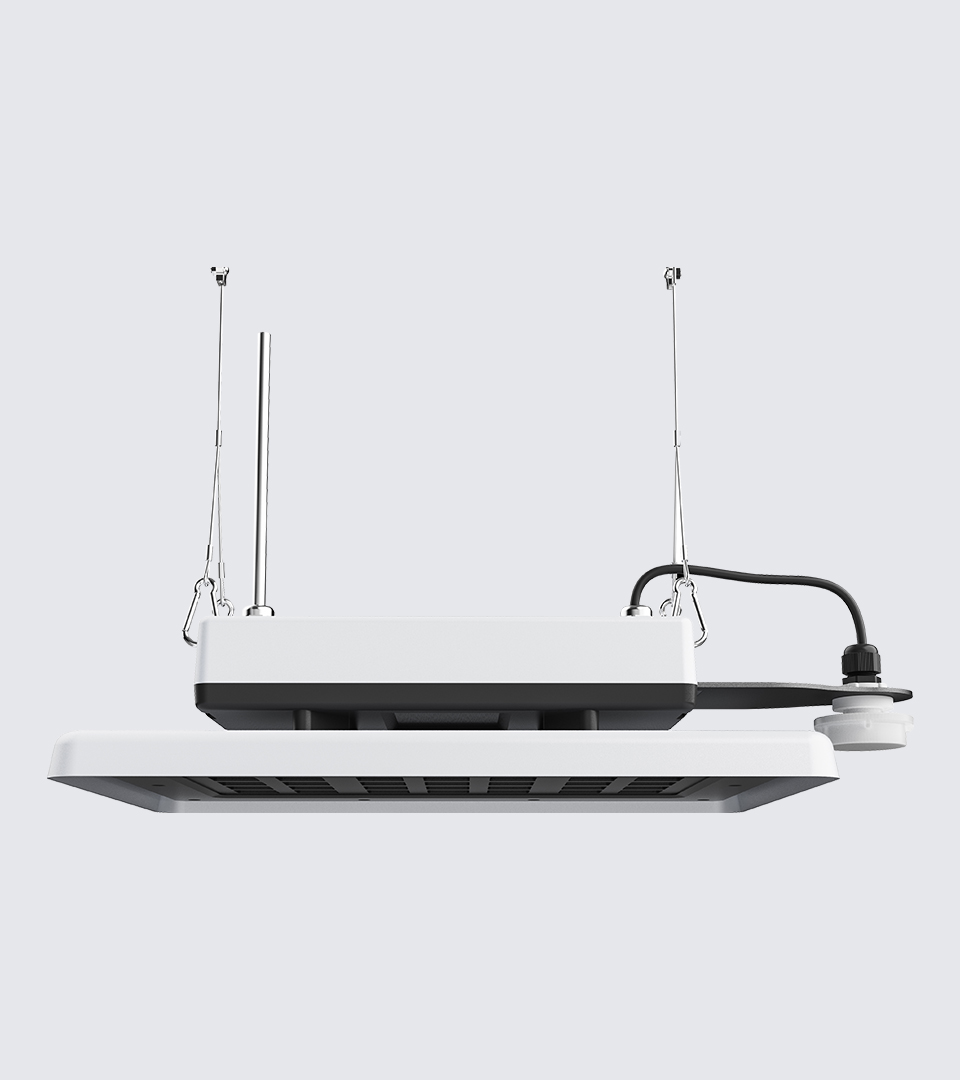
In high-density environments, such as AI training clusters, specialized infrastructure is critical — including lighting that maintains safe working conditions while minimizing heat load. The Squarebeam Elite from CAE Lighting is one example of a fixture designed for these spaces.
2. Asia-Pacific as the Entry Point
APAC markets such as Singapore, Hong Kong, Tokyo, and Sydney are often the first step for global providers expanding eastward. Each location offers distinct advantages:
- Singapore: Strong PDPA compliance, strategic subsea cable landing points, and data sovereignty assurance.
- Hong Kong: Low-latency access to mainland China and global financial networks.
- Tokyo: High-density power delivery, earthquake-resilient designs, and strong domestic connectivity.
- Sydney: Gateway to Oceania, robust renewable energy integration.
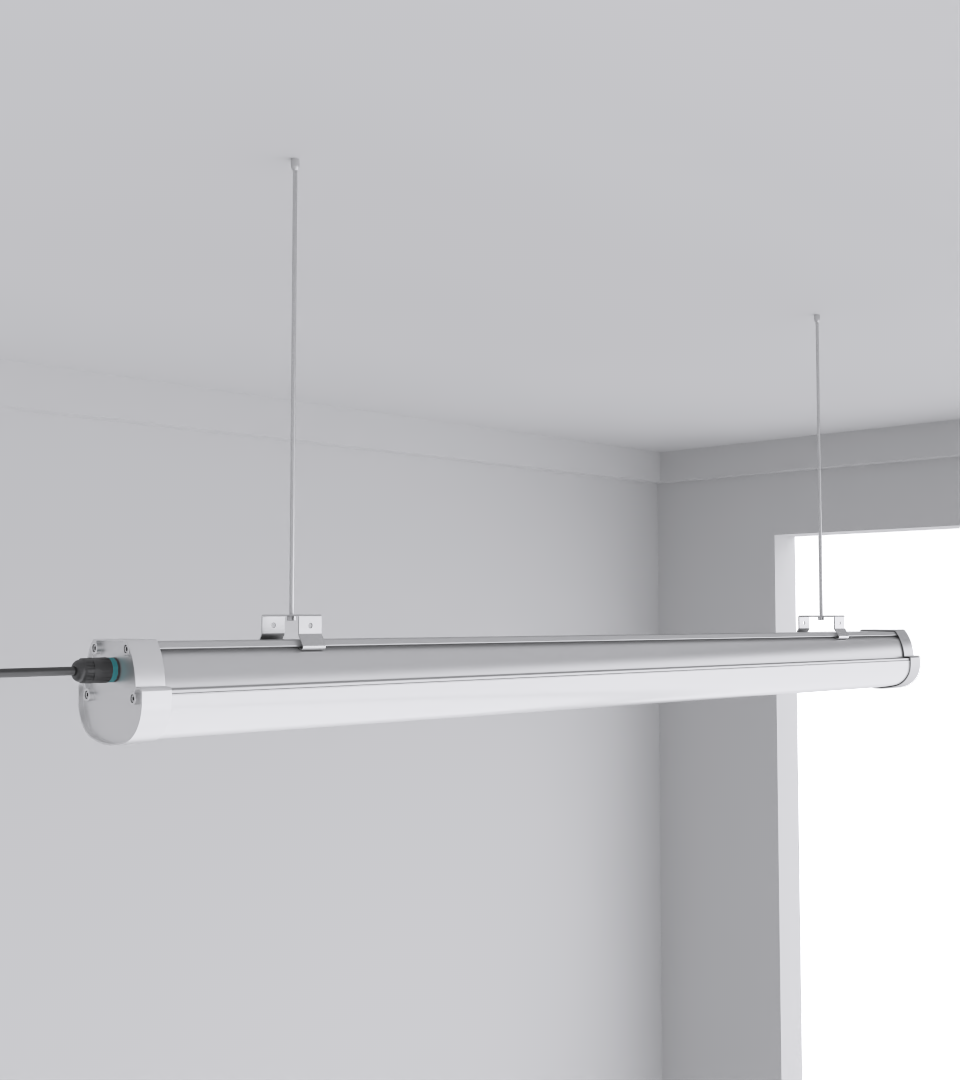
Lighting design is rarely the headline in these markets, yet facility operators rely on precision-engineered fixtures like the Quattro Triproof Batten to ensure consistent illumination in high-humidity or water-prone technical spaces.
3. Key Criteria When Selecting a Provider
Whether in APAC or elsewhere, decision-makers weigh similar factors when shortlisting providers:
| Criteria | Considerations |
|---|---|
| Power | Density roadmap (10–100kW/rack), redundancy (N, N+1, 2N), metering and billing transparency. |
| Cooling | Support for rear-door heat exchangers, direct-to-chip liquid cooling, containment strategies. |
| Network | Carrier diversity, cloud on-ramp options, Internet Exchange access. |
| Compliance | ISO 27001, SOC 2, PCI DSS, HIPAA, regional data laws. |
Lighting may not be the first checklist item, but energy-efficient models like the SeamLine Batten contribute to sustainability metrics such as PUE and WUE.

4. Power and Cooling: The Backbone of Service Quality
Power and cooling decisions influence both immediate performance and long-term scalability. In high-performance compute (HPC) and AI workloads, density requirements can reach beyond 80 kW per rack. The provider must offer a clear density roadmap and the ability to upgrade without disruptive retrofits.
- Redundancy: Check for N, N+1, and 2N configurations with transparent maintenance schedules.
- Metering: True usage-based billing prevents disputes and supports energy audits.
- Cooling Options: Rear-door heat exchangers, direct-to-chip liquid cooling, and cold/hot aisle containment should be available depending on the deployment.
In hot aisle environments, lighting fixtures must handle elevated ambient temperatures without performance degradation. Fixtures like the Quattro Triproof Batten are IP-rated for durability and moisture resistance.
5. Interconnection and Network Strategy
Network design is one of the strongest differentiators among data centre service providers. Key factors include:
- Carrier Neutrality: Avoid lock-in by ensuring multiple carrier options in the meet-me room.
- Cloud On-Ramps: Direct links to AWS, Azure, GCP, and other major platforms reduce latency and egress costs.
- Path Diversity: Dual, physically separated entry points prevent a single point of failure in the event of fibre cuts.
Data centres in Singapore and Sydney often integrate lighting layouts into their cable tray and pathway designs, ensuring maintenance crews can work safely in high-density interconnect rooms. CAE Lighting’s SeamLine Batten provides uniform illumination without causing glare on fibre panels.
6. Compliance and Regional Considerations
Compliance demands vary across geographies. Providers should demonstrate evidence for certifications and legal adherence:
| Standard / Law | Scope | APAC Impact |
|---|---|---|
| ISO 27001 | Information security management | Common in Singapore, Hong Kong, Tokyo facilities |
| SOC 2 | Operational and data handling controls | Critical for cross-border clients |
| PDPA (Singapore) | Personal data protection | Mandatory in Singapore-based deployments |
Operators should also apply environmental standards. CAE Lighting supports ISO 14001 compliance by manufacturing fixtures with high efficiency and low environmental impact.
7. Pricing Models, Contracts, and Hidden Costs
Cost transparency is essential for accurate TCO (Total Cost of Ownership) calculations. Common billing elements include:
- Space: Per rack, per square foot, or per cage.
- Power: Per kW committed, with metered overages.
- Cross-Connects: Monthly recurring and one-time install fees.
- Remote Hands: Hourly or per-task charges for on-site assistance.
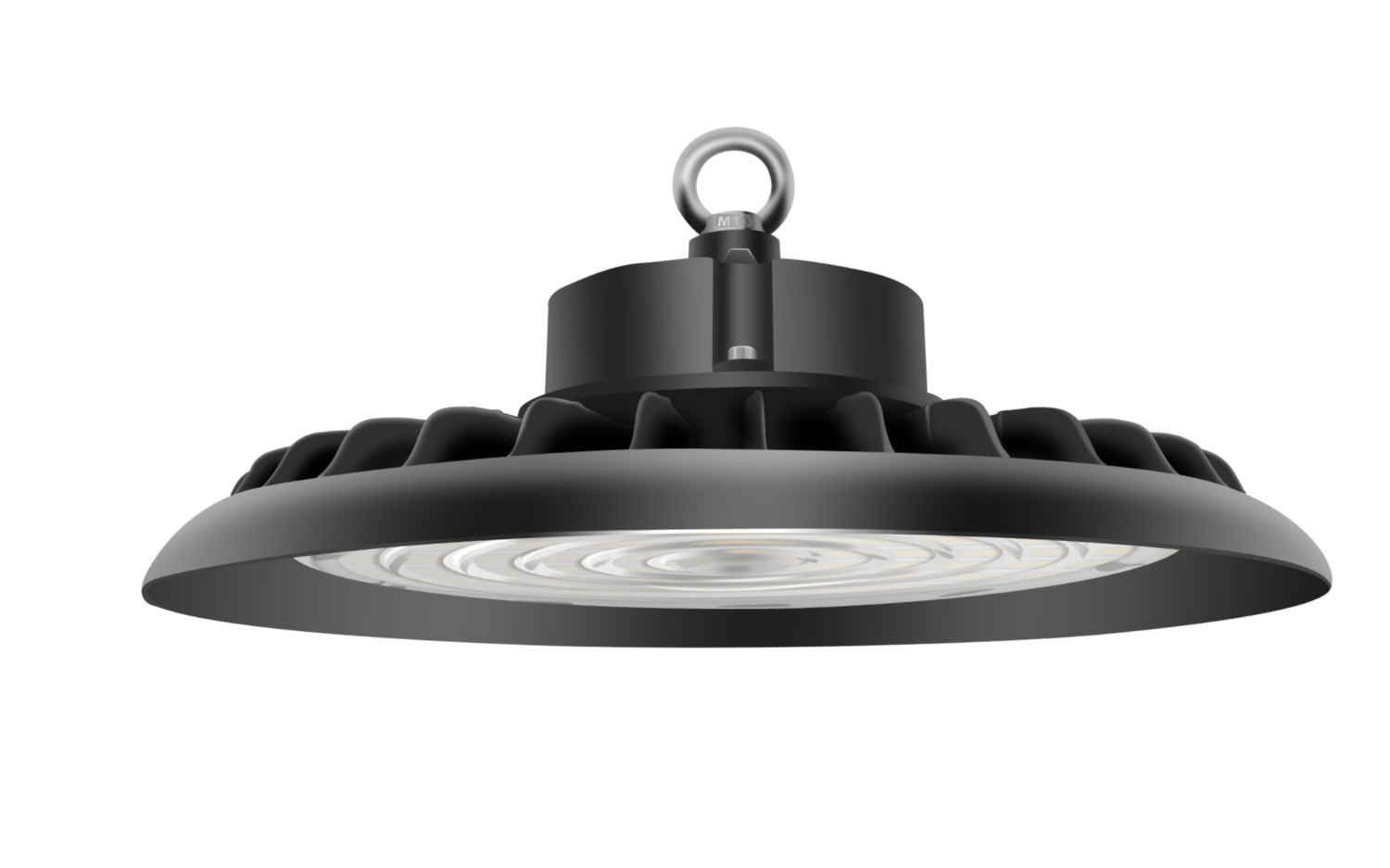
Short-term contracts provide flexibility but often carry higher rates. Larger wholesale deals benefit from economies of scale but require accurate forecasting. Including lighting energy consumption in TCO calculations is advisable — for example, choosing efficient products like the Budget High Bay Light can reduce operational costs over multi-year terms.
8. Building an Effective RFP and Shortlist
An RFP (Request for Proposal) should allow for objective, side-by-side provider comparison. A scoring matrix can make this process efficient:
| Criteria | Weight (%) | Notes |
|---|---|---|
| Power & Cooling | 25 | Density support, efficiency, redundancy |
| Network | 20 | Carrier diversity, interconnection, latency |
| Compliance | 15 | Certifications and legal alignment |
| Sustainability | 10 | PUE/WUE targets, renewable sourcing |
| Cost & Flexibility | 30 | Pricing structure, contract terms, scalability |
Lighting specifications should be integrated into the RFP’s sustainability and operational safety criteria. Products like the Squarebeam Elite can support both energy goals and visibility requirements.
FAQ
- Which APAC city is best for a first data centre deployment? Singapore is often the top choice due to connectivity, legal stability, and network density, though Tokyo and Sydney are strong alternatives.
- How do lighting systems fit into a data centre provider evaluation? Lighting impacts safety, energy use, and cooling load. Efficient systems lower operational costs and support sustainability targets.
- What’s the difference between carrier-neutral and carrier-specific providers? Carrier-neutral facilities offer connections from multiple telecoms, enabling cost control and redundancy; carrier-specific sites limit you to one provider.
- What is an SLA in this context? A Service Level Agreement sets the expected uptime, response times, and penalties for non-performance.