Data Centre Storage in Data Centers: Architecting High-Performance, Secure, and Efficient Systems (2025 Guide)
–
- The Foundation of Data Centre Storage
- HDD vs SSD: Cost, Performance, and Reliability
- NVMe Over Fabrics and Emerging Protocols
- Storage Tiering and Automation
- Backup, Archival, and Ransomware Resilience
- Compliance and Data Governance
- Sustainability and Energy Efficiency in Storage
- Future Outlook: Where Data Centre Storage Is Heading
- Frequently Asked Questions (FAQ)
Key Takeaways
| Key Question | Quick Answer |
|---|---|
| What is data centre storage? | The backbone of a data center, storing block, file, and object data for all workloads. |
| Which storage types matter most? | SAN, NAS, and object storage — often deployed together with NVMe acceleration. |
| How do costs compare (HDD vs SSD)? | HDDs remain cheapest per TB, SSDs lead in IOPS/latency, tiering blends both. |
| How can storage stay resilient? | RAID, erasure coding, immutable snapshots, and geo-redundant backup systems. |
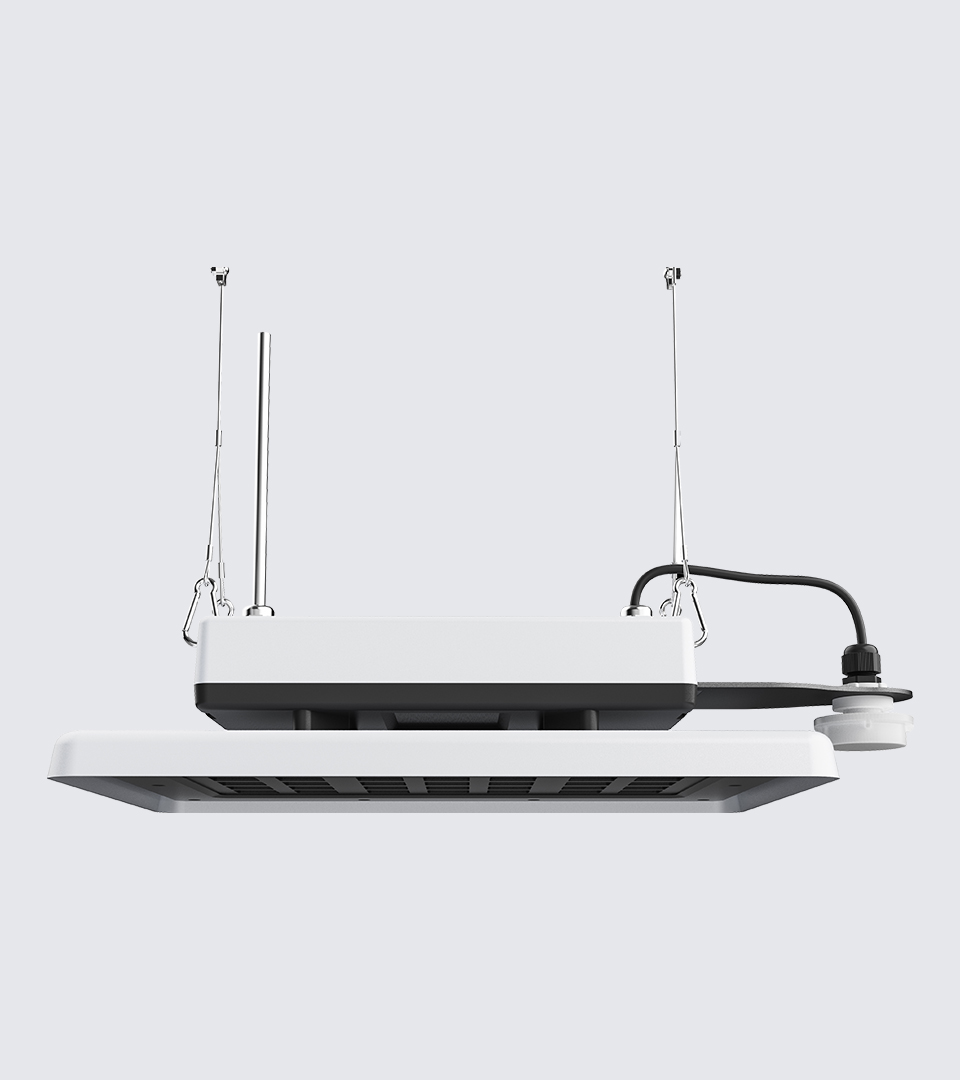
| What role does lighting play? | Energy-efficient luminaires like Squarebeam Elite reduce heat load and improve maintenance in storage halls. |
1. The Foundation of Data Centre Storage
Storage is the backbone of every data center. Without structured storage layers, computing and networking cannot perform at scale. In my years working on infrastructure deployments, I’ve seen projects delayed because storage growth was underestimated. IDC forecasts the global datasphere to exceed 393 zettabytes by 2028, underscoring the importance of robust storage planning.
Storage comes in three primary types:
- Block storage — low latency, vital for databases and VMs.
- File storage — traditional file shares over NFS or SMB.
- Object storage — massively scalable, used for cloud and analytics.
2. HDD vs SSD: Cost, Performance, and Reliability
The choice between HDD and SSD depends on workload economics. HDDs offer the lowest cost per terabyte, while SSDs dominate latency and throughput. Backblaze’s 2024 report noted HDD failure rates around 1.4% annually, versus 0.6% for SSDs. In practice, HDDs are best for cold and bulk storage, while SSDs handle high-performance transactional workloads.
3. NVMe Over Fabrics and Emerging Protocols
NVMe over Fabrics (NVMeoF) has become central to high-performance workloads. In one financial services project, NVMe/TCP reduced latency by nearly 30% compared to iSCSI. Fibre Channel remains in use, but NVMe/TCP dominates for flexibility. Looking ahead, CXL (Compute Express Link) will enable pooled memory resources, crucial for AI and HPC deployments.

4. Storage Tiering and Automation
Effective tiering ensures hot, warm, and cold data are placed on the right medium. Typically, less than 20% of enterprise data is “hot.” By automating placement with AI-driven tiering systems, enterprises can reduce TCO by 40% while keeping latency-sensitive apps performant.
5. Backup, Archival, and Ransomware Resilience
A backup strategy is non-negotiable. The 3-2-1-1-0 rule (3 copies, 2 different media, 1 offsite, 1 immutable, 0 errors verified) is the gold standard. Immutable snapshots and WORM-enabled storage mitigate ransomware risks. In practice, hybrid deployments combining cloud object storage with tape archives provide cost-effective resilience.

6. Compliance and Data Governance
Data centres operate under strict compliance requirements: GDPR, HIPAA, SEC Rule 17a-4, among others. Storage must enforce retention, auditability, and security policies. AES-256 encryption at rest and in transit is a minimum requirement. Many operators now use software-defined storage platforms with automated retention enforcement to remain compliant.
7. Sustainability and Energy Efficiency in Storage
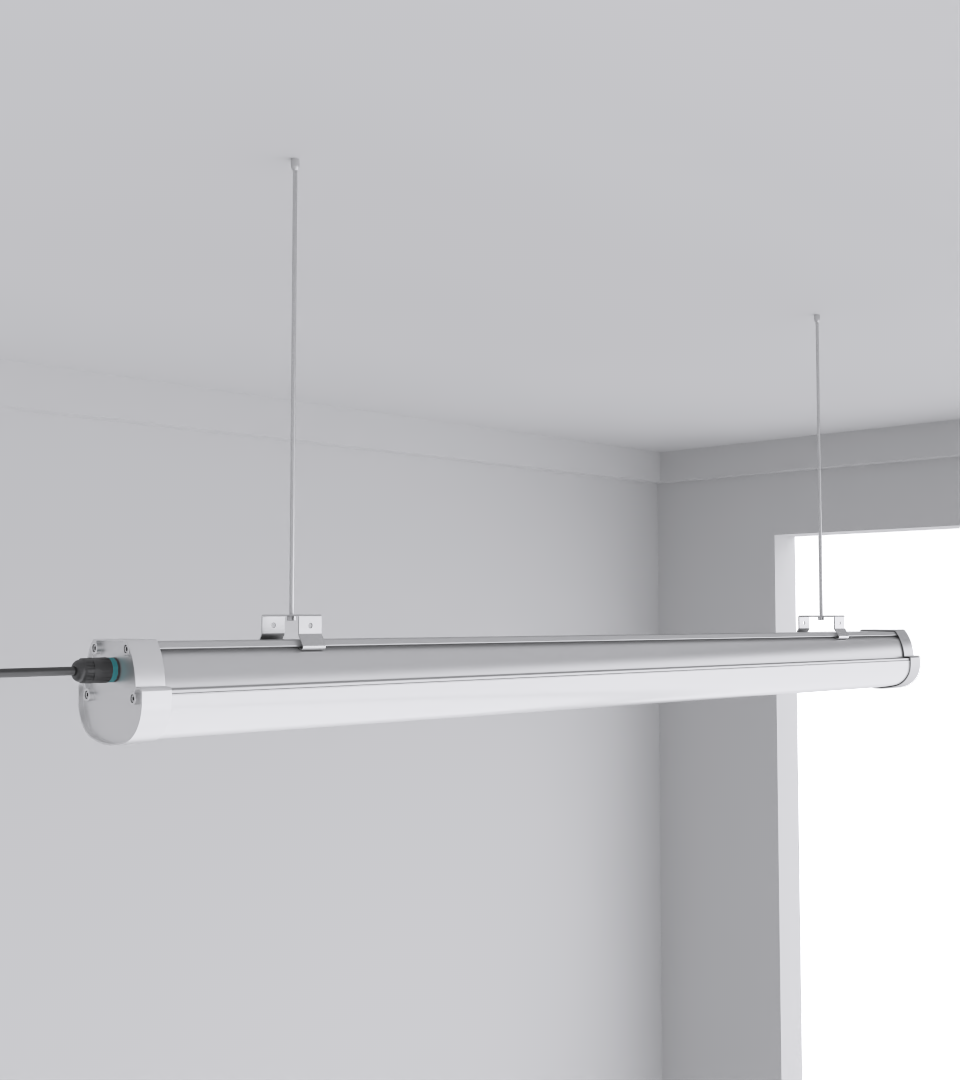
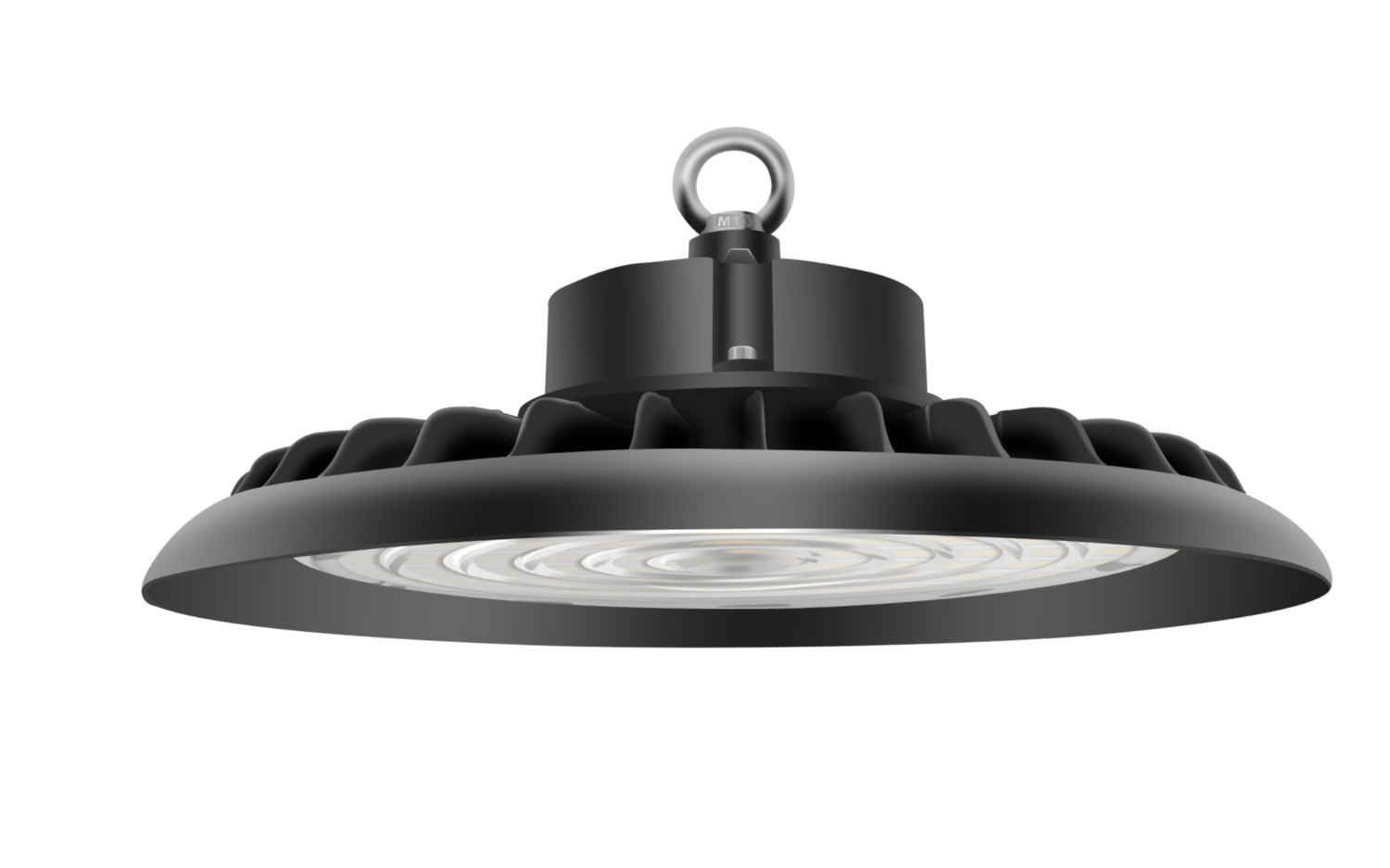
Storage consumes substantial energy — HDDs draw ~7–9W per TB, while SSDs average ~3W per TB. Cooling systems absorb another 30–40% of energy costs. Integrating efficient lighting like Squarebeam Elite and Quattro Triproof Batten lowers indirect heat loads, further cutting energy use in storage halls.
8. Future Outlook: Where Data Centre Storage Is Heading
Future storage trends point toward smarter systems rather than just larger capacity. Zoned Namespace SSDs will optimize write patterns, while DNA storage and optical solutions are under active research. AI-driven orchestration platforms will automate placement and scaling across hybrid infrastructures. In my view, tighter GPU-storage integration like NVIDIA’s GPUDirect Storage is the most impactful near-term advance.
Frequently Asked Questions (FAQ)
Q1: What’s the difference between block, file, and object storage?
Block = databases/VMs, File = shared enterprise apps, Object = scalable cloud.
Q2: Is HDD still worth it in data centres?
Yes, for cold/archival workloads where cost/TB is critical.
Q3: How can data centres defend against ransomware?
Immutable snapshots, WORM object storage, and verified 3-2-1-1-0 backup strategy.
Q4: What storage regulations affect compliance most?
GDPR, HIPAA, and SEC Rule 17a-4 — all demand retention, security, and auditability.
Q5: Does lighting impact storage efficiency?
Yes — efficient LEDs reduce HVAC burden, lowering overall power usage in storage halls.