Data Centre Tier Standards Explained: Technical Specifications, Uptime Metrics, and Certification Requirements
–
- Understanding Data Centre Tiers and Certification
- Tier I & Tier II: Foundational Facilities
- Tier III: Concurrently Maintainable Data Centers
- Tier IV: Fault-Tolerant Infrastructure
- Choosing the Right Tier for Your Business
- Energy Efficiency, PUE, and Sustainability
- Certification, Maintenance, and Upgrade Paths
- FAQ
Key Takeaways
| Tier | Uptime (%) | Redundancy Model | Downtime/Year | Typical Use Case |
|---|---|---|---|---|
| Tier I | 99.671% | N (No redundancy) | ~28.8 hrs | Small businesses, basic colocation |
| Tier II | 99.741% | N+1 (Partial redundancy) | ~22 hrs | SMEs, regional hosting |
| Tier III | 99.982% | N+1 (Concurrent maintainability) | ~1.6 hrs | Enterprise IT, banking, healthcare |
| Tier IV | 99.995% | 2N / 2(N+1) (Fault tolerant) | ~26 mins | Hyperscale cloud, critical national infrastructure |
1. Understanding Data Centre Tiers and Certification
The Uptime Institute Tier Standard is the most widely referenced classification for data centres, defining how facilities are built and maintained to achieve a certain level of availability. But here’s where many get tripped up — being designed to a Tier level isn’t the same as being certified at that Tier.
- Design Certification: The blueprints and engineering plans meet the Tier standard.
- Constructed Facility Certification: The actual built facility passes an audit.
- Operational Sustainability Certification: The team, processes, and maintenance meet Tier expectations.
Alternative frameworks like TIA-942 Rated Levels (Rated 1–4) mirror many of these concepts, but also address additional factors like cabling pathways and fire safety.
Read our full guide on data center lighting best practices.
2. Tier I & Tier II: Foundational Facilities
Tier I is the simplest — one power and cooling path, no redundancy. If a UPS fails or a chiller goes offline, you’re looking at downtime. Tier II improves this with N+1 redundancy on key components, so there’s a backup available when one unit needs maintenance.
- Small IT rooms
- Regional colocation facilities
- Startups balancing cost over uptime
Lighting in these environments is often functional rather than high-spec, but moving to efficient, low-maintenance options still reduces operational costs. The SeamLine Batten is a good example:

3. Tier III: Concurrently Maintainable Data Centers
Tier III brings concurrent maintainability, meaning all systems can be serviced without taking the data centre offline. This is possible through N+1 redundancy across every key component and multiple distribution paths for power and cooling.
Why Tier III is a sweet spot:
- High uptime (99.982%)
- Manageable operational costs compared to Tier IV
- Meets most enterprise SLA requirements
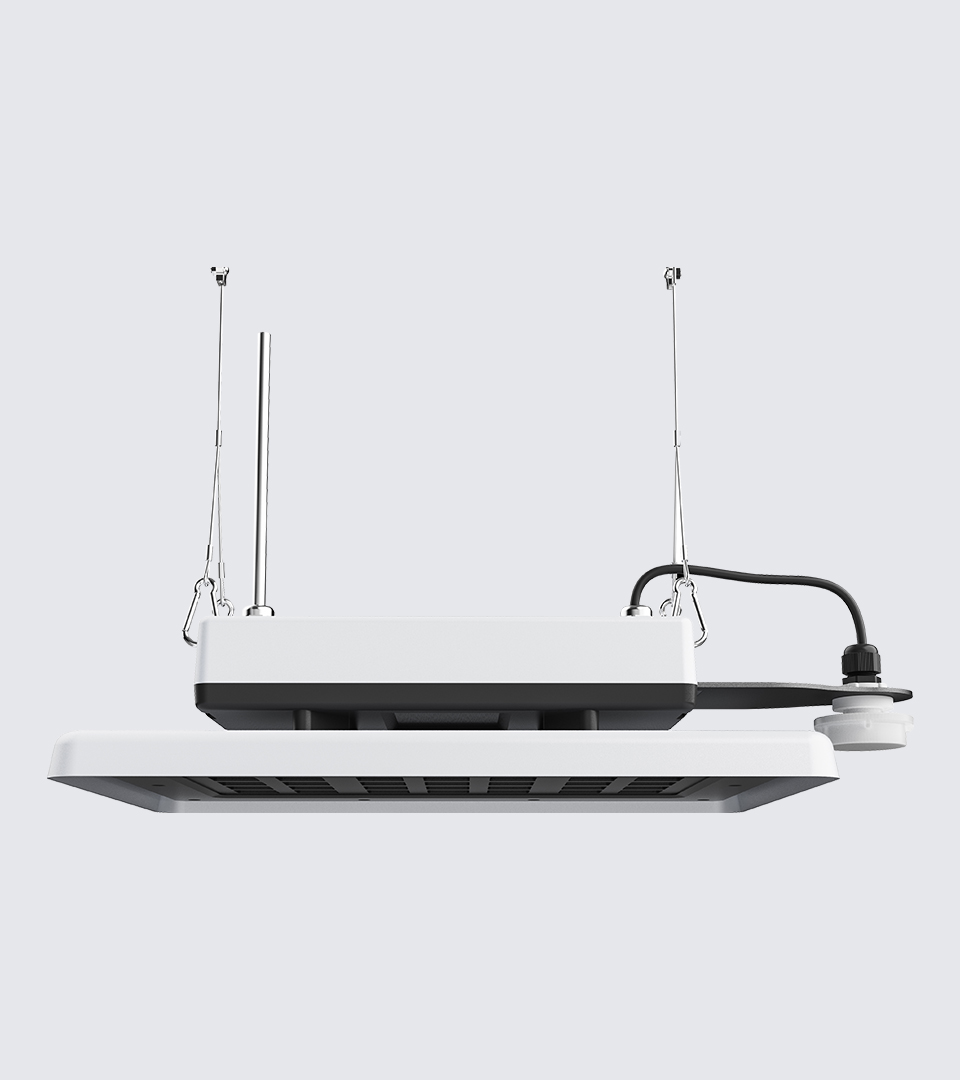
Used heavily by banks, government IT, and healthcare systems. Lighting choices here must consider maintenance without disruption — fixtures like the Squarebeam Elite allow tool-less access for quick replacement:
4. Tier IV: Fault-Tolerant Infrastructure
This is the top tier — fault tolerant with 2N or 2(N+1) redundancy. A single fault anywhere won’t cause downtime, as there’s a fully independent backup path for every system.
- Uptime: 99.995% (~26 minutes/year)
- Power and cooling paths: fully mirrored
- Cost: 2–3× Tier III CapEx
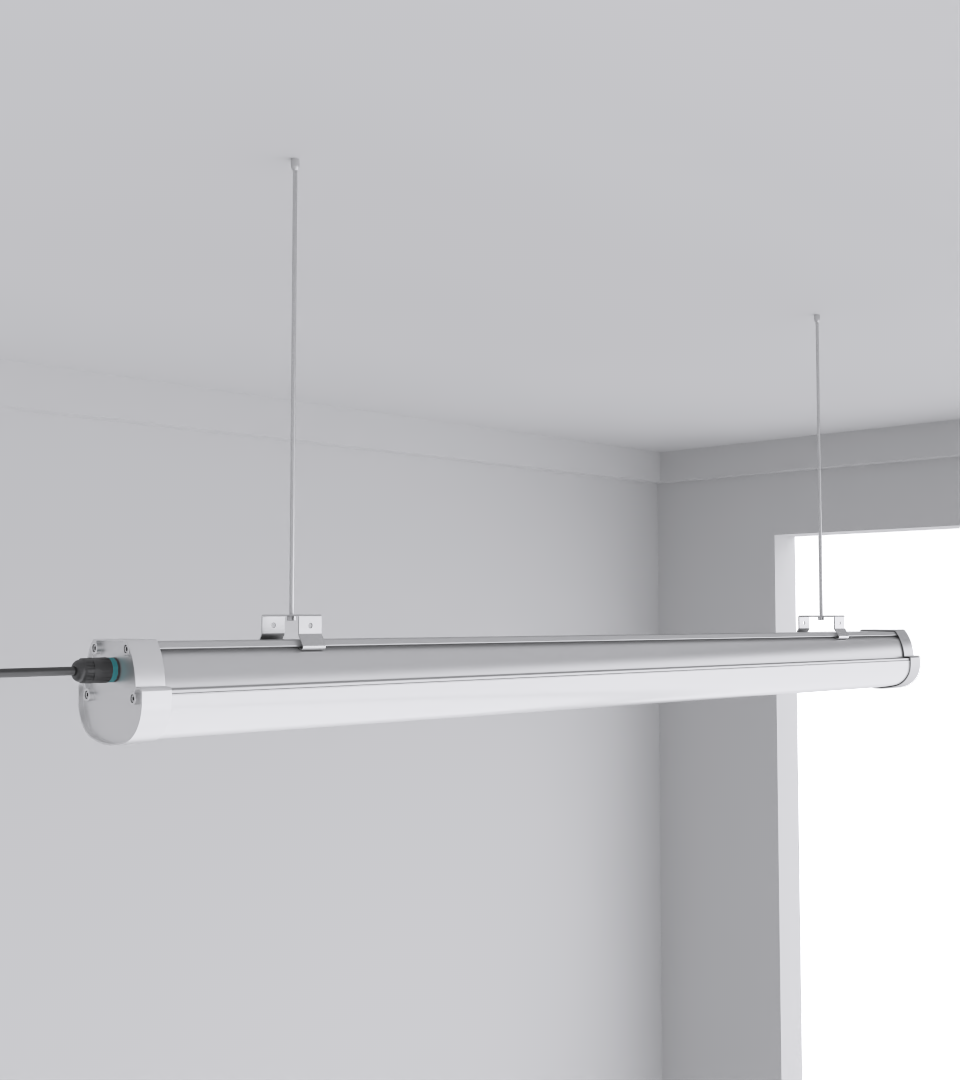
Lighting in Tier IV facilities often integrates into dual-feed circuits to maintain illumination during maintenance or power faults. One proven fixture here is the Quattro Triproof Batten, designed for sealed, high-humidity, high-security environments:
5. Choosing the Right Tier for Your Business
- RPO/RTO: Recovery objectives for data and service
- SLA commitments to customers
- Budget vs downtime tolerance
Example:
- E-commerce site: Tier III recommended for balance
- Public health registry: Tier IV for zero-risk tolerance
Learn how lighting supports emergency readiness in our 2025 data center emergency guide.
6. Energy Efficiency, PUE, and Sustainability
Higher redundancy = more equipment running or on standby, which can raise Power Usage Effectiveness (PUE). Efficient lighting helps offset this.
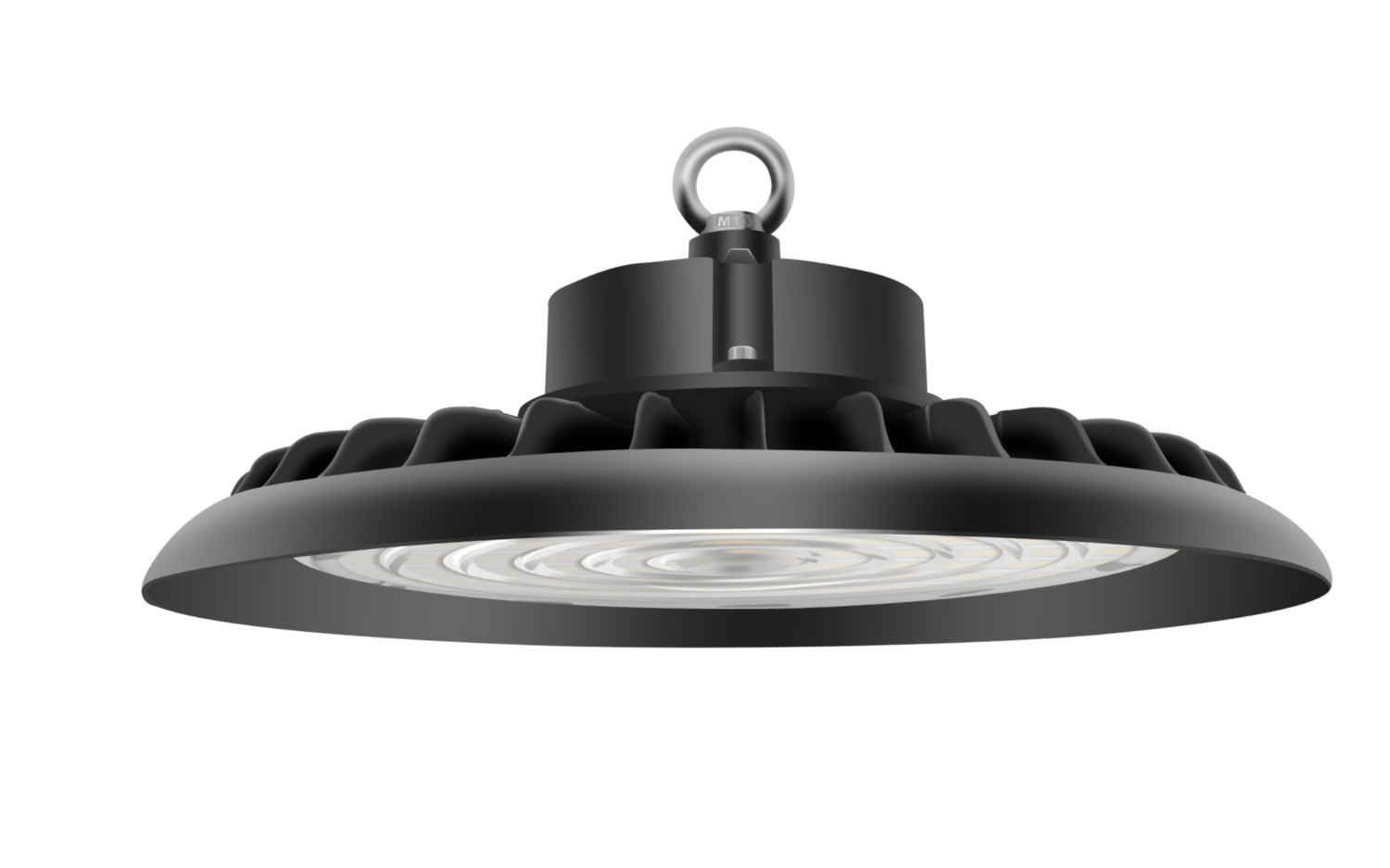
Benefits of switching to LEDs like the Budget High Bay Light:
- Lower wattage per lux output
- Less heat load on HVAC systems
- Longer replacement cycles
7. Certification, Maintenance, and Upgrade Paths
Getting certified involves:
- Design submission to Uptime Institute
- Facility inspection
- Operational sustainability audit
Upgrading from Tier II → III often requires:
- Adding redundant distribution paths
- Reconfiguring cooling systems
- Revising electrical architecture
See how innovation is shaping these upgrades in Lighting Data Center Industry’s Next Frontier for Innovation.
8. FAQ
Q: What is the highest data centre Tier?
A: Tier IV — fault tolerant, 99.995% uptime.
Q: Can a Tier II be upgraded to Tier III?
A: Yes, but often involves significant rewiring and cooling redesign.
Q: How much does a Tier III data centre cost to build?
A: Varies widely — typically 25–35% more than Tier II.
Q: Do all hyperscale data centres use Tier IV?
A: Not always; some run Tier III with redundant geo-clusters for resilience.