
Decentralized Lighting Intelligence in Data Centers: Architecture, Edge Control, and Real-Time Efficiency Gains
–
- Why Lighting Is No Longer Just About Light
- What Exactly Is Decentralized Lighting Intelligence?
- Centralized vs Decentralized: A Practical Comparison
- Why Data Centers Need This — Urgently
- Real-World Efficiency & ROI: Not Just Theoretical
- Maintenance, Diagnostics, and Operational Visibility
- Safety and Emergency Standards Built-In
- Sustainability, ESG, and Certifications
- Frequently Asked Questions (FAQ)
Key Takeaways
| Feature or Topic | Summary |
|---|---|
| Definition | Localized, edge-based lighting control using sensors, PoE, and AI — not a single central controller. |
| Benefits | Energy savings, uptime reliability, safety, operational visibility, ESG reporting. |
| Hardware | Smart LED battens, sensors, gateways, PoE switches, and modular controllers. |
| ROI | ROI in 2–4 years; reduced cooling load; improved PUE (0.01–0.05 typical). |
Why Lighting Is No Longer Just About Light
Data centers eat power. Everyone knows that. What’s less known is how much lighting silently adds to the operating cost — or how it can be redesigned to contribute to efficiency, uptime, and even ESG goals. In the past, lighting was an afterthought. Now? It’s a layer of data, control, and intelligence.
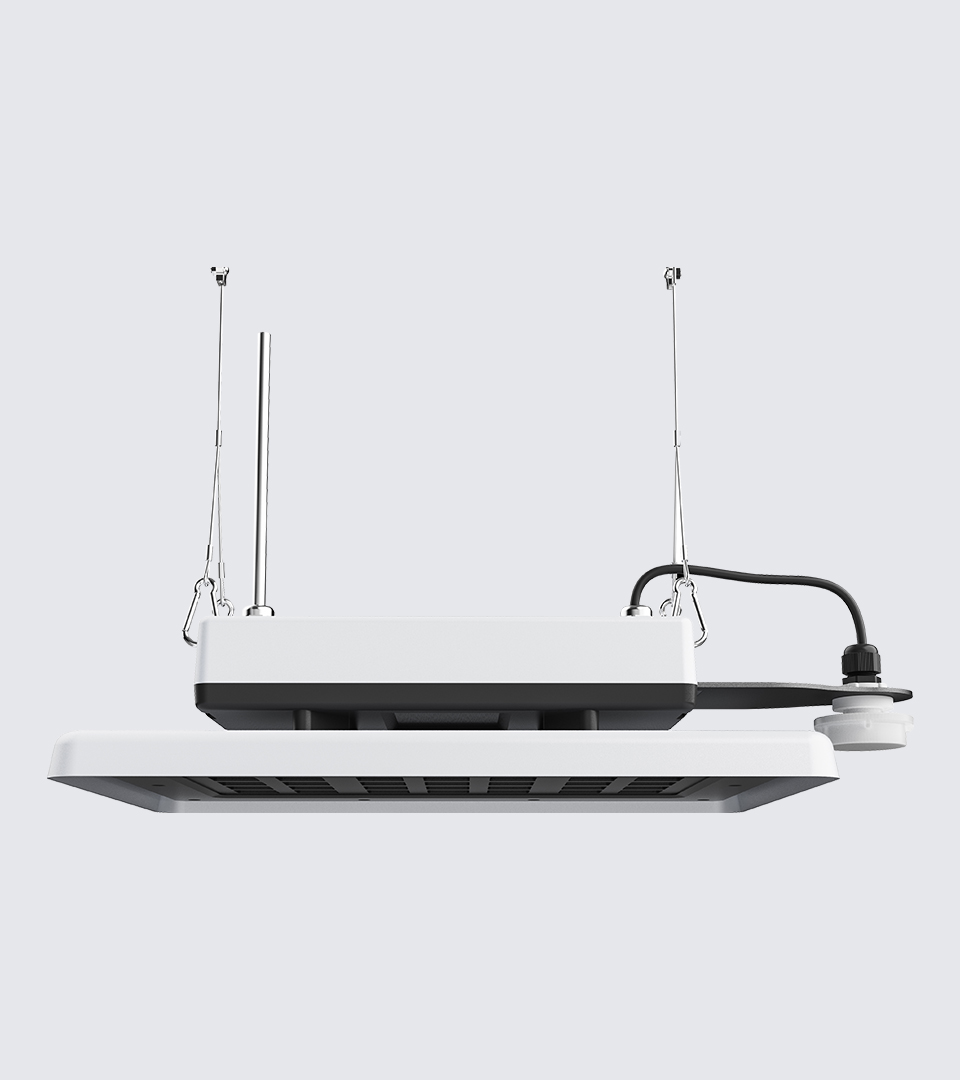
What Exactly Is Decentralized Lighting Intelligence?
- Traditional lighting: One central brain, multiple passive lights.
- Decentralized lighting: Each fixture is its own smart node.
- Sensors embedded per unit
- Independent control and decision-making at the edge
- Faster emergency or occupancy response
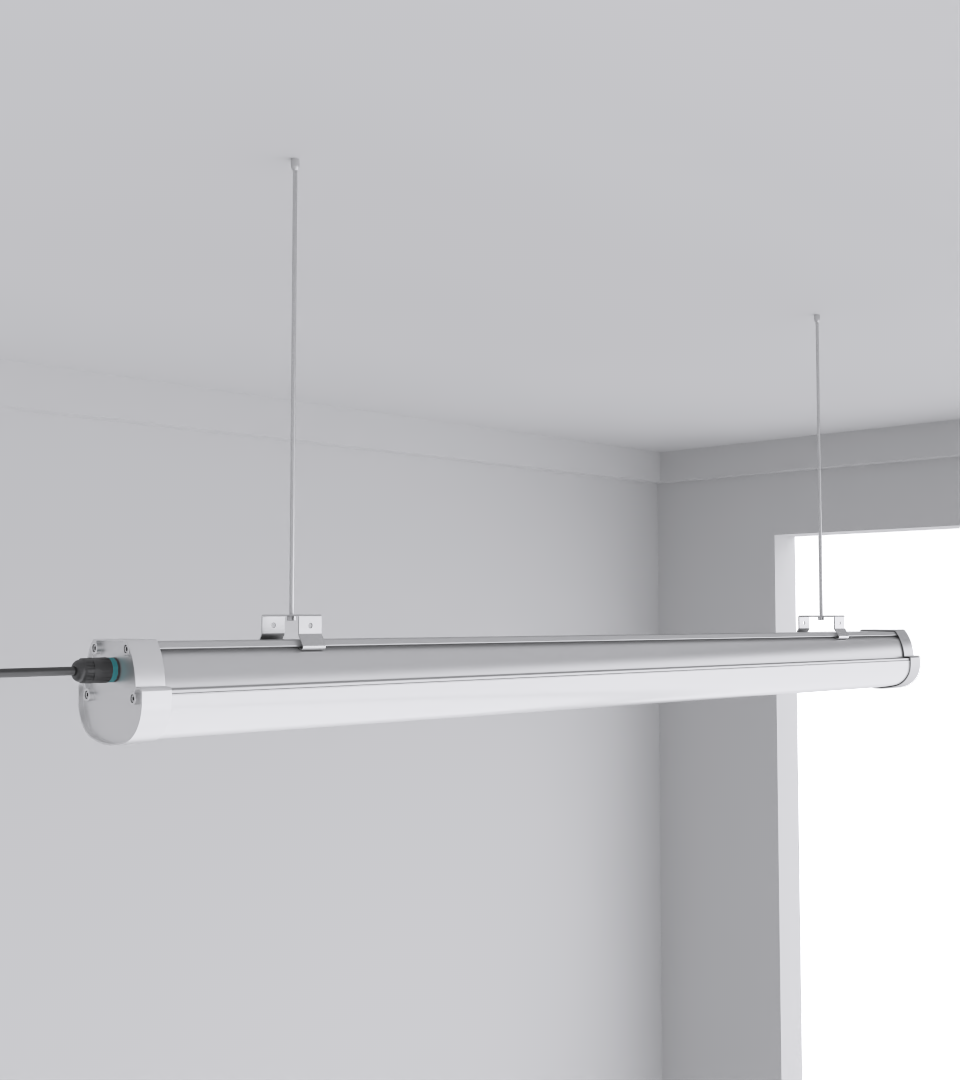
Centralized vs Decentralized: A Practical Comparison
| Feature | Centralized | Decentralized |
|---|---|---|
| Failure Risk | Single point of failure | Local recovery |
| Scalability | Complex | Modular |
| Real-Time Reaction | Limited by latency | Instantaneous at source |

Why Data Centers Need This — Urgently
- Lighting accounts for 2–5% of total power use, yet is 100% controllable
- Sensor-driven LEDs lower heat and waste
- Unlit blind spots reduce safety
- ESG pressure requires visibility at the lighting level
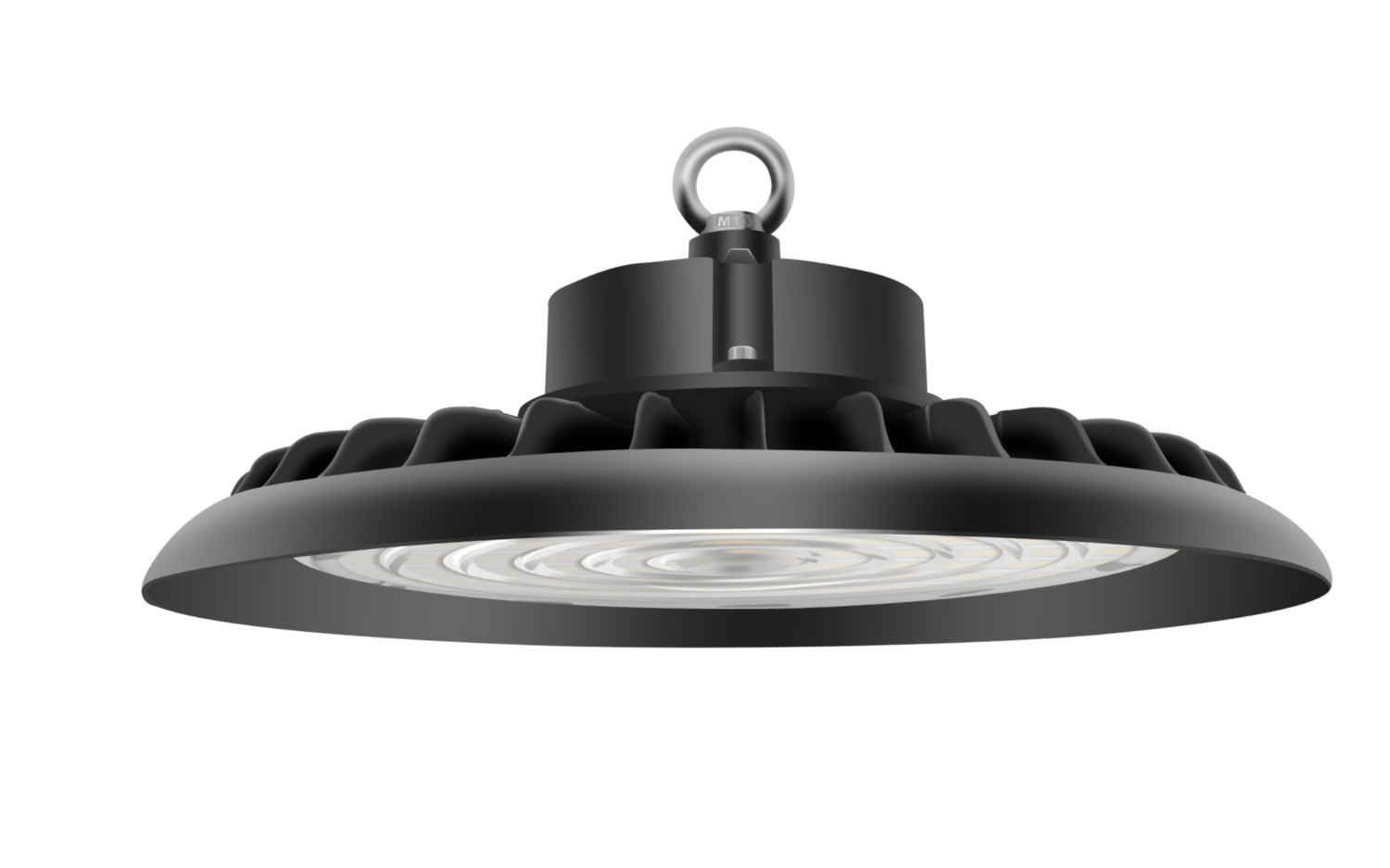
Real-World Efficiency & ROI: Not Just Theoretical
| Lighting Type | Energy Use (kWh/yr) | PUE Impact | Avg Payback |
|---|---|---|---|
| HID | 15,000 | High | – |
| Central LED | 6,000 | Medium | 5 years |
| Decentralized LED | 3,000 | Low | 2–3 years |

Maintenance, Diagnostics, and Operational Visibility
- Burnout detection per unit
- Thermal alerts before failure
- MQTT-based dashboards
Safety and Emergency Standards Built-In
- Emergency overrides and real-time dimming
- Battery backup for outages
- Evacuation routing by light response
Sustainability, ESG, and Certifications
- LEED v4 lighting and IAQ points
- Live CO₂ and lux dashboards
- Aligns with ISO 50001 for energy performance
FAQs
What’s the biggest reason to decentralize lighting in a data center?
Redundancy and uptime. Central failures cause blackouts. Local nodes keep working.
Do these systems work with existing BMS setups?
Yes, via DALI, BACnet, MQTT. Most include REST API integration.
Is it worth retrofitting an old facility?
Yes — especially if lighting is >8% of your power profile.
Can decentralized lighting help cooling systems indirectly?
Yes. Reduces ambient heat = lower HVAC load.
Is cybersecurity a concern?
Yes. Choose systems with encrypted comms and zero-trust design.