
Digital Edge Data Centers: Technical Infrastructure, APAC Deployment Strategies, and Low-Latency Performance Benchmarks
- Understanding the Digital Edge Model
- APAC Footprint and Expansion Strategy
- Technical Infrastructure and Rack Density
- Carrier Neutrality and Interconnection
- Standards, Compliance, and ESG Commitments
- Latency Performance Benchmarks
- AI and High-Performance Computing Support
- Risks, Challenges, and Future Roadmap
- Frequently Asked Questions
Key Takeaways
| Topic | Key Points |
|---|---|
| What Digital Edge Data Centers Are | Regional edge-focused colocation facilities designed for low-latency, high-density workloads across Asia-Pacific. |
| Why It Matters | Supports 5G, AI, IoT, and regional content delivery with sub-50 ms latency in targeted metros. |
| Technical Specs | Carrier-neutral, high-density racks, PUE targets <1.3, N+1 / 2N redundancy, advanced cooling systems. |
| Global Footprint | Operating in Japan, Indonesia, Philippines, South Korea, India, with expansions in Thailand and Vietnam. |
| Sustainability Goals | Renewable energy sourcing, ISO 14001 compliance, carbon-neutral targets for multiple regions by 2030. |
| Relevant for | Hyperscalers, telecom operators, AI/HPC workloads, cloud service providers, and OTT media companies. |
Understanding the Digital Edge Model
Digital Edge operates carrier-neutral data centers that are strategically located close to major population centers, reducing latency for bandwidth-heavy applications. Unlike hyperscale facilities that focus on vast capacity in centralized locations, these edge facilities prioritize geographic proximity to end users.
In my experience advising on deployments in Southeast Asia, this model has been especially effective for financial trading platforms and cloud gaming services, where even a 20 ms delay can alter user experience or transaction outcomes.
APAC Footprint and Expansion Strategy
Digital Edge’s portfolio spans Japan, Indonesia, Philippines, South Korea, India, and soon Thailand and Vietnam. The Thailand project, in partnership with B.Grimm, is designed for 100 MW IT load, making it one of the largest edge-aligned campuses in Southeast Asia.
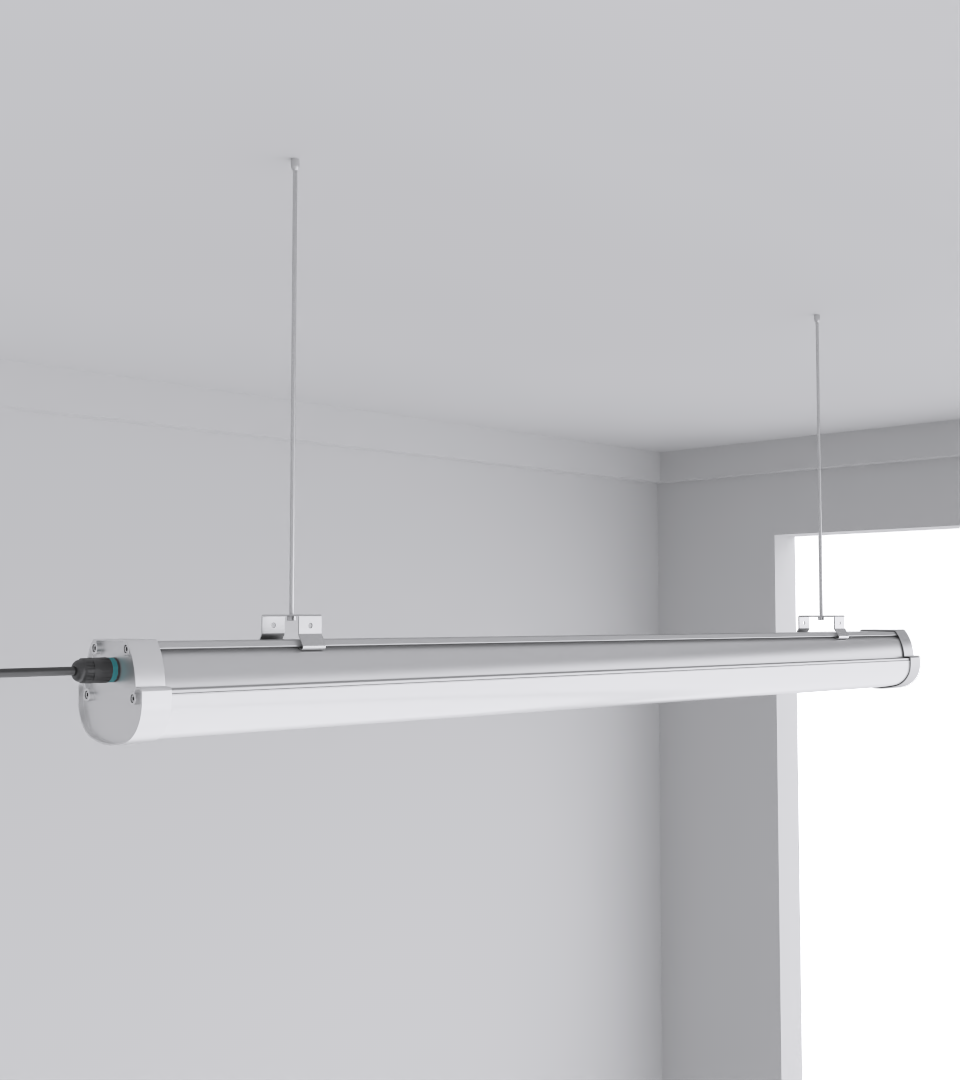
From a lighting infrastructure perspective, campuses of this size require energy-efficient luminaires such as the Quattro Triproof Batten to handle high humidity and maintain IP66 protection without airflow disruption.
Technical Infrastructure and Rack Density
These facilities support rack densities exceeding 15 kW, with options for high-performance computing clusters. Cooling configurations vary, including:
- Liquid cooling loops for AI clusters
- Free-air economization where climate allows
- Hot/cold aisle containment to maintain efficiency
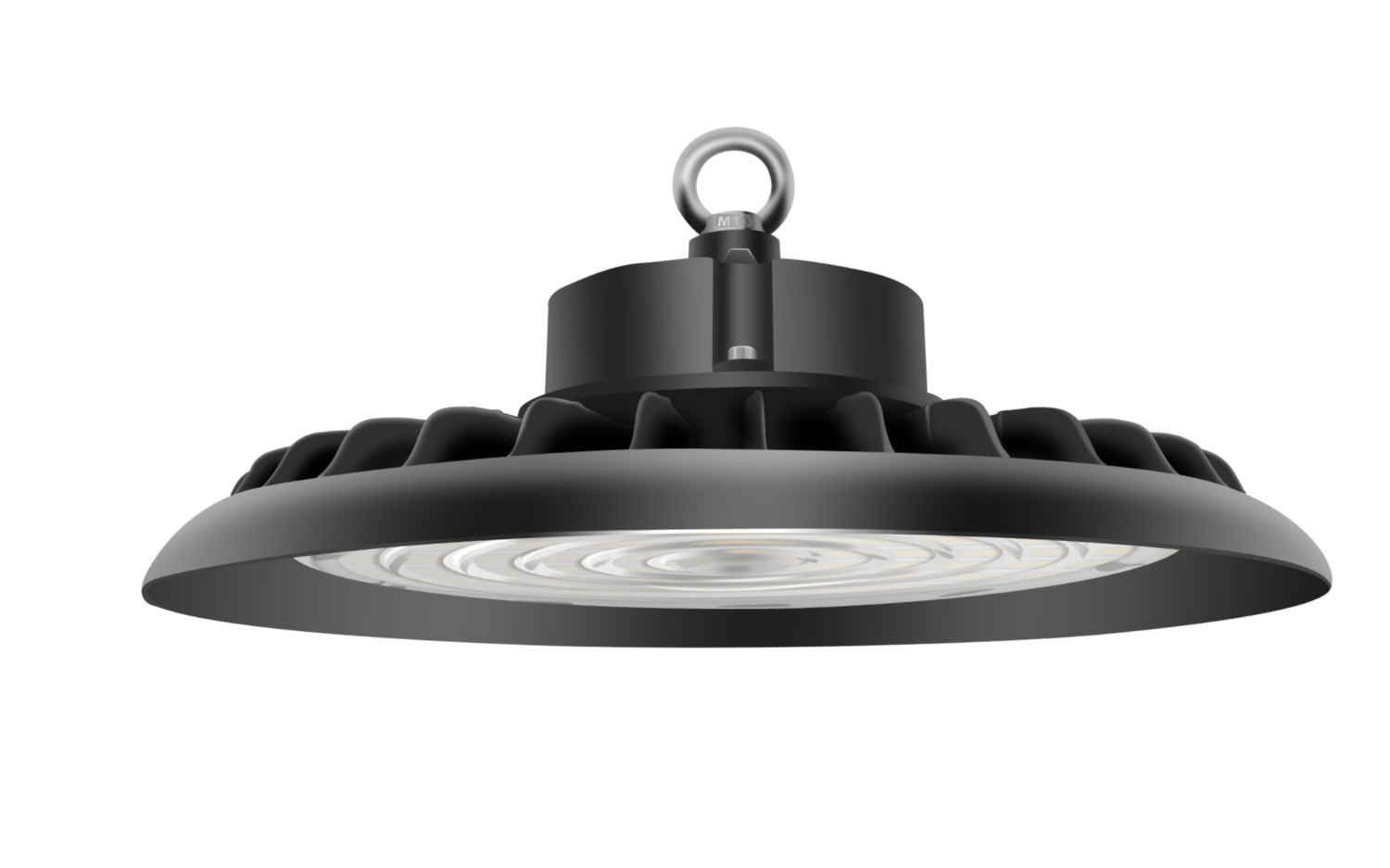
Lighting in such high-density halls benefits from low-glare, high-output fixtures like the Budget High Bay Light, ensuring uniform lux levels without interfering with airflow.
Carrier Neutrality and Interconnection
Digital Edge sites maintain a carrier-neutral policy, enabling multiple ISPs, IX points, and cloud on-ramps. This is critical for enterprises running multi-cloud strategies to avoid vendor lock-in.
- Peering ecosystems enable direct connections to content providers.
- Cross-connects are provisioned within days rather than weeks.
- Cloud on-ramps to AWS, Azure, and Google Cloud available in major hubs.

Facilities often use fixtures like the SeamLine Batten in meet-me rooms to ensure even, shadow-free lighting for patching work.
Standards, Compliance, and ESG Commitments
Digital Edge adheres to:
- ANSI/TIA-942 for data center design
- ISO 27001 (Information Security)
- ISO 14001 (Environmental Management)
- ISO 50001 (Energy Management)

Sustainability targets include sourcing renewable energy and implementing LED lighting retrofits—a domain where CAE Lighting has executed data hall upgrades reducing energy use by over 35%.
Latency Performance Benchmarks
Edge proximity allows Digital Edge facilities to achieve:
| Region | Target Latency | Example Use Case |
|---|---|---|
| Tokyo Metro | < 5 ms | Financial trading |
| Manila | 10–15 ms | Cloud gaming |
| Jakarta | < 20 ms | OTT video delivery |
Deployments in trading and real-time analytics benefit greatly from the Squarebeam Elite’s low-UGR optics to maintain worker alertness during critical tasks.
AI and High-Performance Computing Support
Digital Edge is aligning facilities for GPU-dense workloads, with:
- High rack densities
- Direct liquid cooling
- Scalable electrical backbones
In practice, AI-ready halls often demand redundancy in both lighting circuits and cooling systems to maintain operational continuity during maintenance windows.
Risks, Challenges, and Future Roadmap
Challenges include:
- Land scarcity in metro areas
- Energy pricing volatility
- Supply chain delays for key infrastructure
Roadmap priorities involve expanding Thailand and Vietnam campuses, integrating AI-driven facility management, and achieving net-zero carbon goals in select markets by 2030.
Frequently Asked Questions
Q1: How does Digital Edge differ from hyperscale operators?
A: Smaller footprint per site, closer to users, optimized for low-latency and edge applications.
Q2: What type of clients use Digital Edge?
A: Hyperscalers, telecom operators, media companies, financial services, and AI/HPC workloads.
Q3: How is sustainability addressed in Digital Edge facilities?
A: Through renewable energy sourcing, ISO 14001 compliance, and efficiency retrofits like LED conversions.
Q4: What are the typical PUE values?
A: Many sites target <1.3 PUE, with continuous monitoring to optimize performance.
Q5: Are these facilities suitable for AI workloads?
A: Yes, with high-density racks, liquid cooling, and scalable power delivery.