Emergency Lighting Code Compliance in Data Centers: Full Guide to NFPA 101, UL 924, NEC & TIA-942 Standards
- Why It Matters: Risks of Non-Compliance
- Key Codes and Authorities
- Illumination Levels You Actually Need
- Runtime and Transfer Time Compliance
- Where Lighting Is Required (And Often Missed)
- Equipment Types & Certification
- Testing & Maintenance You Must Document
- Integration with Power Systems
- Frequently Asked Questions (FAQ)
Key Takeaways: Emergency Lighting Code Requirements in Data Centers
| Requirement Area | Standard / Metric |
|---|---|
| Minimum Illumination | 1 fc average (10.8 lux), 0.1 fc minimum (1.1 lux), 40:1 max/min ratio |
| Runtime Duration | 90 minutes minimum (NFPA 101, UL 924) |
| Transfer Time | 10 seconds maximum |
| Coverage Areas | Exit paths, corridors, UPS rooms, server halls |
| Test Frequency | 30 sec monthly, 90 min annually (NFPA 101 Section 7.9.3) |
| Certifications Required | UL 924, NFPA 101/70, IBC/IFC, TIA-942-C |
| Lighting Technologies | LED with inverters, self-contained battery units |
| Common Issues | Under-illumination, aging batteries, delayed transfer, poor logs |
Code Requirements for Emergency Lights in Data Centers: Ultimate Guide to NFPA, NEC, UL 924 & TIA‑942 Compliance
Emergency lighting in a data center is about more than just backup lamps. It’s a legal, safety, and operational mandate. If the lights fail during an outage, you’re not just in the dark—you could be out of code, out of service, or worse. And yet, I see even high-spec server halls miss basic compliance by skipping the right test schedule or assuming a UPS alone covers egress. It doesn’t.
Why It Matters: Risks of Non-Compliance
- Regulatory Fines: NFPA 101 and IBC aren’t suggestions.
- Insurance Complications: Missing logs? Your insurer might skip payout.
- Life-Safety Risks: Emergency egress must be illuminated, period.
- Downtime and Liability: Failed lighting delays operations and introduces risk.
In one case, we had to retrofit 68 server rooms with compliant fixtures after a failed local fire inspection. Cost 6x more than doing it right the first time.
Key Codes and Authorities
- NFPA 101 (Life Safety Code)
- NFPA 70 (National Electrical Code)
- UL 924 (Emergency Lighting & Power Equipment)
- IBC/IFC (International Building/Fire Code)
- TIA-942-C (2024 version for data centers)
- OSHA and regional compliance mandates
Read CAE Lighting’s NFPA/UL breakdown
Illumination Levels You Actually Need
- Average: 1 foot-candle (10.8 lux)
- Minimum: 0.1 foot-candle (1.1 lux)
- Max-to-Min Ratio: 40:1
| Location | Target Lux | Notes |
|---|---|---|
| Hallways | 10.8 | No shadows or sharp drop-offs |
| Stairs | 11+ | Uniformity critical |
| Server Aisles | 8–10 | Recommend higher for camera ops |
| UPS Rooms | 10+ | Include test switch access |
Runtime and Transfer Time Compliance
90 minutes runtime after power loss (NFPA 101)
Transfer must occur in under 10 seconds (UL 924)
Must operate without manual intervention
Where Lighting Is Required (And Often Missed)
- Exit Routes
- UPS Rooms
- Generator Areas
- Racks & Cold Aisles
One audit we supported flagged 11 UPS bays with 0.04 fc due to aging tubes and no battery backup.
Equipment Types & Certification
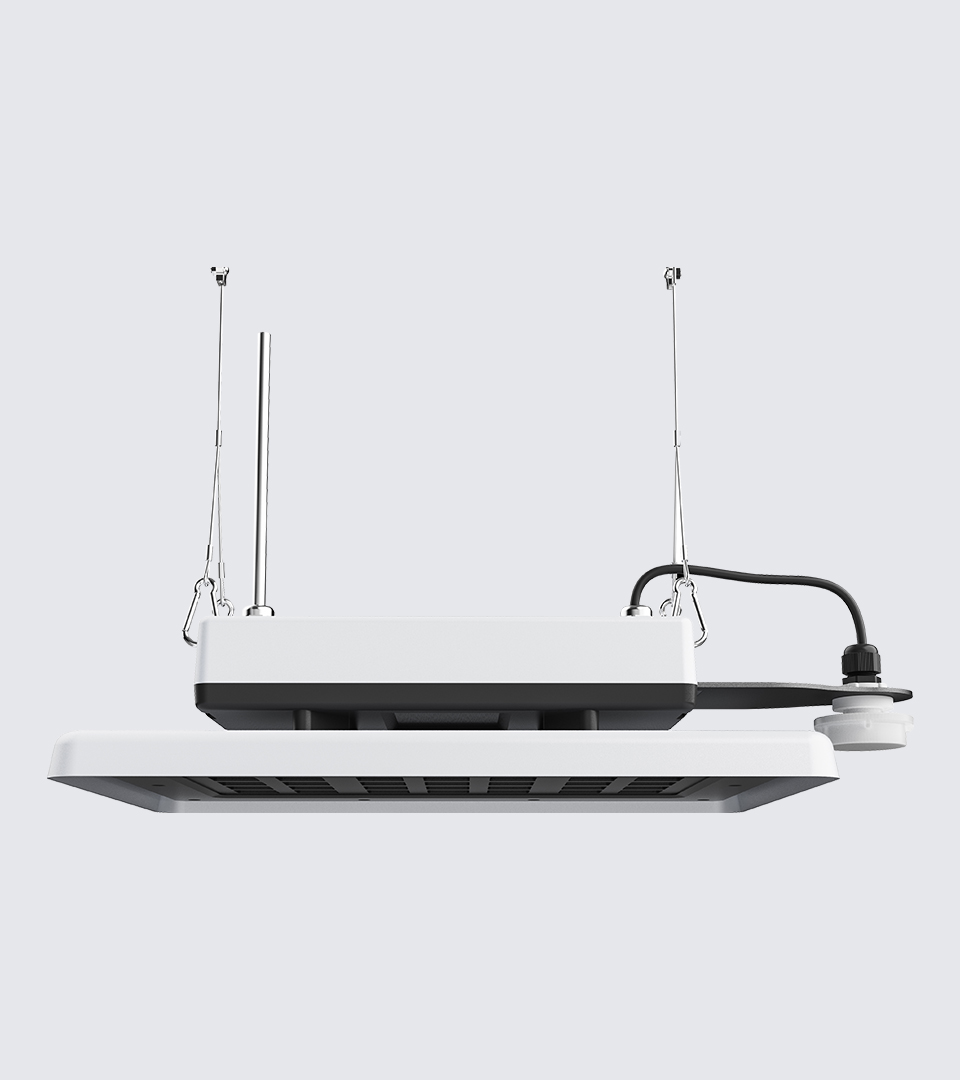
- Self-Contained LED Units
- Central Inverter Systems
- Hybrid Systems
Testing & Maintenance You Must Document
- Monthly: 30-second test
- Annually: 90-minute test
- Logs Required
Integration with Power Systems
- UPS alone ≠ compliance
- Must isolate from shutdown
Read: How CAE SeamLine Batten integrates with backup systems

Frequently Asked Questions (FAQ)
How long should emergency lights run?
90 minutes minimum, per NFPA 101.
What is UL 924?
A safety certification indicating the fixture is suitable for emergency lighting.
Do server rooms and UPS rooms need their own emergency lights?
Yes. Any occupied or accessible service area must be illuminated.
How often do I need to test my system?
30-second test monthly, full 90-minute test annually.
Who is responsible for compliance?
Facility managers or the designated electrical safety officer, by law.