
Engineering Precision: Advanced Data Center Lighting Strategies for Edge Infrastructure
Key Takeaways
| Feature or Topic | Summary |
|---|---|
| Integration Benefits | Energy savings, streamlined operations, enhanced monitoring, and predictive maintenance. |
| Key Protocols | BACnet, Modbus, SNMP ensure interoperability. |
| Implementation Strategies | Assess existing infrastructure, select compatible systems, phased deployment recommended. |
| Operational Advantages | Reduced downtime, improved safety, occupant comfort, and significant sustainability contributions. |
Understanding Edge Data Centers
Edge data centers are small-scale, decentralized computing facilities placed strategically closer to end-users and data sources. Their purpose is to minimize latency and support real-time data processing, especially for mission-critical systems and IoT infrastructures.
Unlike centralized cloud or colocation facilities, edge environments require modular infrastructure, optimized for local responsiveness and high availability. This paradigm shift necessitates reliable and efficient data center lighting that aligns with edge-specific needs such as compact layouts, frequent access, and environmental variations.
Why Data Center Lighting Matters
In edge computing deployments, where uptime and operational efficiency are critical, lighting is more than just visibility—it becomes a component of functional infrastructure. Data center lighting directly impacts:
- Visual performance and safety during hardware maintenance
- Energy efficiency, especially in modular and remote locations
- Thermal management, helping reduce heat load near server racks
- Emergency and fail-safe operations via backup systems
Core Requirements for Edge Data Center Lighting
1. Low Latency Visual Feedback
Operators must be able to visually assess indicators and server statuses immediately, often in compact corridors or vertical enclosures.
2. Thermal Compatibility
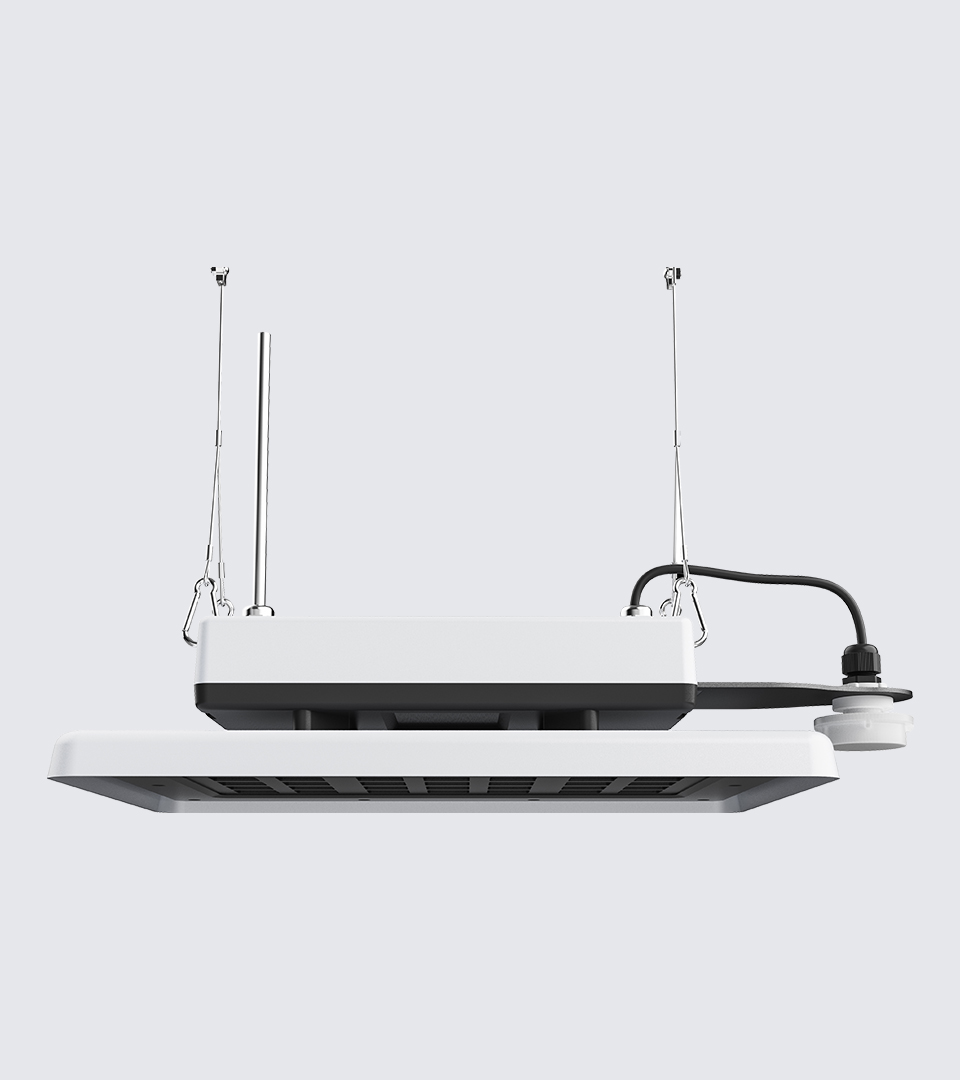
Lighting should produce minimal heat emissions, especially when installed near high-density racks. Products like the Squarebeam Elite are optimized for such environments.
3. Ingress Protection
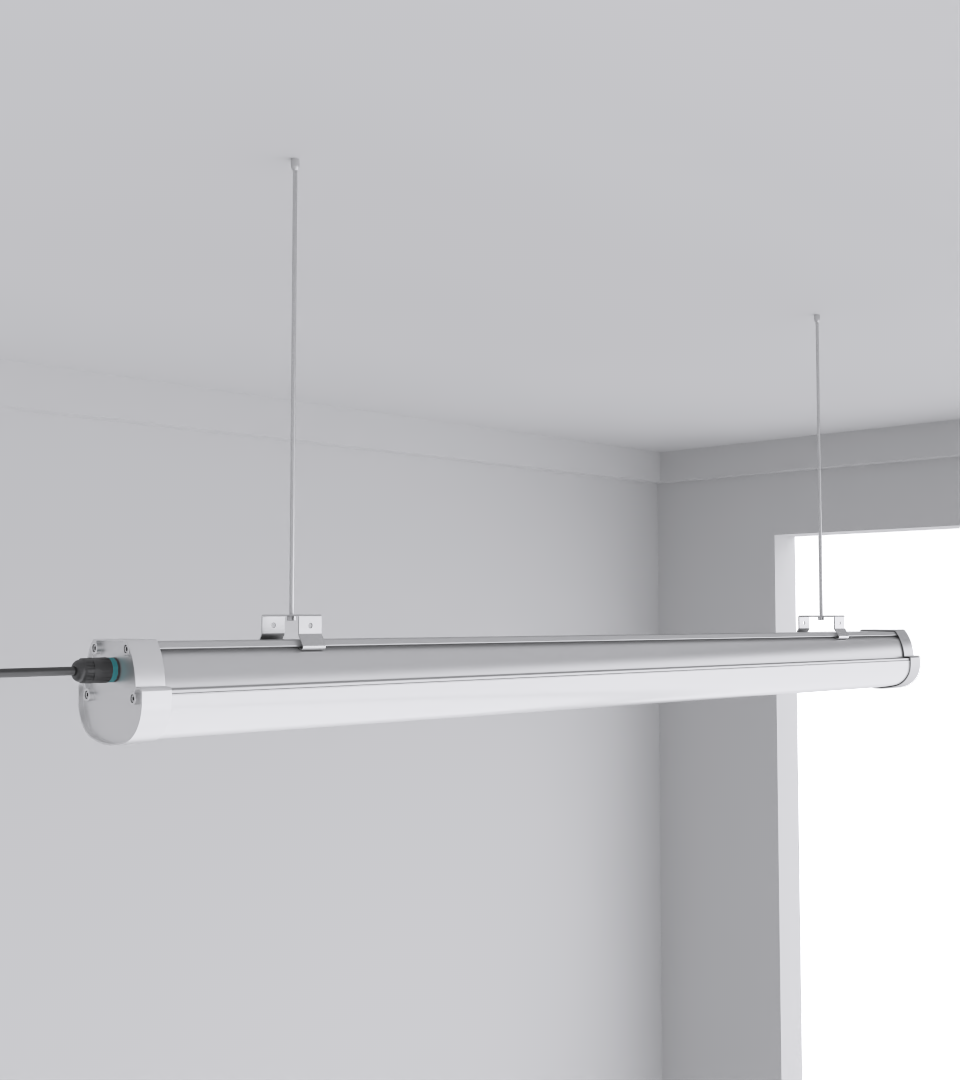
Many edge data centers are located in unconventional environments—such as retail backrooms or telecom base stations—where dust, humidity, or temperature swings are common. A high-IP fixture like the Quattro Triproof Batten ensures durability in such conditions.
4. Zoning and Control
Smart zoning capabilities—enabled through motion or occupancy sensors—allow lighting to operate only where needed, conserving energy and reducing operational cost. This is crucial in facilities with intermittent access.
Recommended Lighting Products for Edge Facilities
SeamLine Batten
Ideal for surface or ceiling mounting in compact server rooms. Provides uniform lighting with minimal glare.

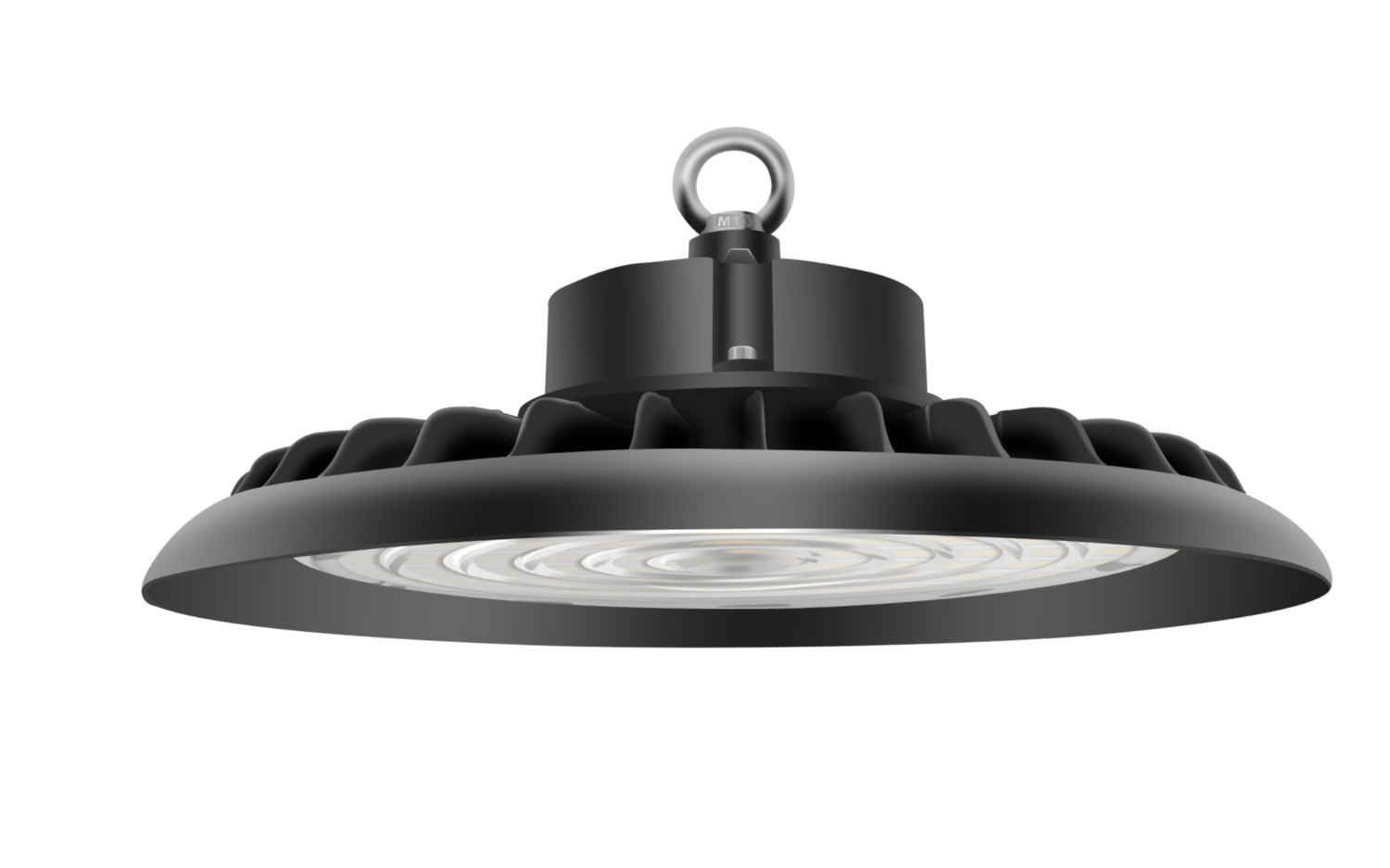
Budget High Bay Light
Suitable for modular or prefabricated edge facilities with high ceilings or open-air ventilation corridors.
Simplitz Batten V3 from Osram
A reference product widely recognized in the market for its modular integration and easy retrofitting.

Ensuring Efficiency, Reliability, and Compliance
- Power Usage Effectiveness (PUE): Energy-efficient fixtures like the Squarebeam Elite contribute to lowering overall PUE.
- Compliance with ANSI and IEC standards: All recommended fixtures meet global safety and electromagnetic compatibility guidelines.
- Smart integration: Seamless compatibility with edge monitoring platforms and DCIM systems ensures lighting is part of the intelligent infrastructure stack.
Industry Applications and Use Cases
- Healthcare: Edge lighting improves visibility during telemedicine equipment maintenance and ensures safe access in clinical data nodes.
- Manufacturing: Lighting plays a key role in edge servers located near production lines, offering high CRI for accurate readouts and diagnostics.
- Telecom and 5G: In telecom, edge data center lighting enhances signal station accessibility, where downtime caused by poor visibility can lead to cascading network failures.
FAQ About Edge Data Center Lighting
Q1: What is the difference between lighting needs for traditional vs. edge data centers?
A1: Edge data centers require more compact, energy-efficient, and versatile lighting due to smaller physical footprints and higher environmental variability.
Q2: Can lighting impact PUE in edge facilities?
A2: Yes, optimized LED data center lighting systems reduce overall energy consumption, contributing to improved PUE metrics.
Q3: Are smart controls essential in edge lighting setups?
A3: Yes. Because edge facilities often operate with intermittent human presence, motion sensors and automated dimming greatly reduce unnecessary energy usage.
Conclusion
As edge data centers become integral to the evolving digital infrastructure, data center lighting emerges as a critical enabler—not just a utility. By focusing on reliability, efficiency, and environmental adaptability, facility managers can improve uptime, lower costs, and ensure safe operation under any edge scenario.
To explore more about tailored lighting solutions for edge and modular data centers, visit CAE Lighting’s product catalog.