Ergonomic Data Center Lighting: Reduce Technician Eye Strain with UGR-Compliant LED Layouts
- Why Lighting Ergonomics Matter in Data Centers
- Core Lighting Challenges in High-Density Server Environments
- Reducing Glare and Eye Strain with Proper UGR Ratings
- The Role of Spectrum: Blue Light, Warm Tones & Night Shifts
- Using Vertical & Rack-Level Fixtures to Reduce Shadows
- Integrating Smart Control and Sensor Systems
- Maintenance, Specs, and Quality Standards That Matter
- How to Start: Site Audit, Sample Fixtures & Installation Support
- Frequently Asked Questions (FAQ)
Key Takeaways
| Issue | Solution | Product Examples | Benefits |
|---|---|---|---|
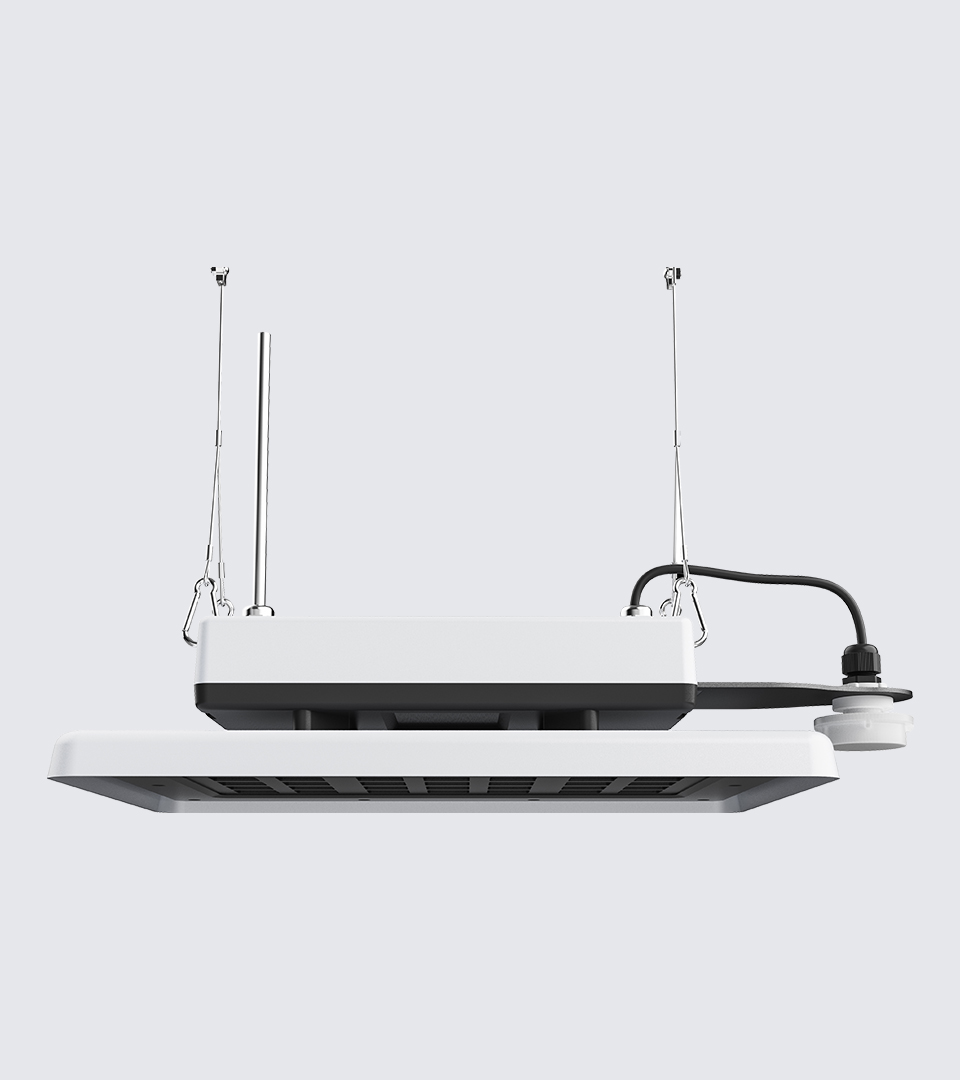
| Eye strain in technicians | Uniform, glare-free lighting with adjustable spectrum | Squarebeam Elite | Reduced fatigue, fewer errors, safer inspection tasks |
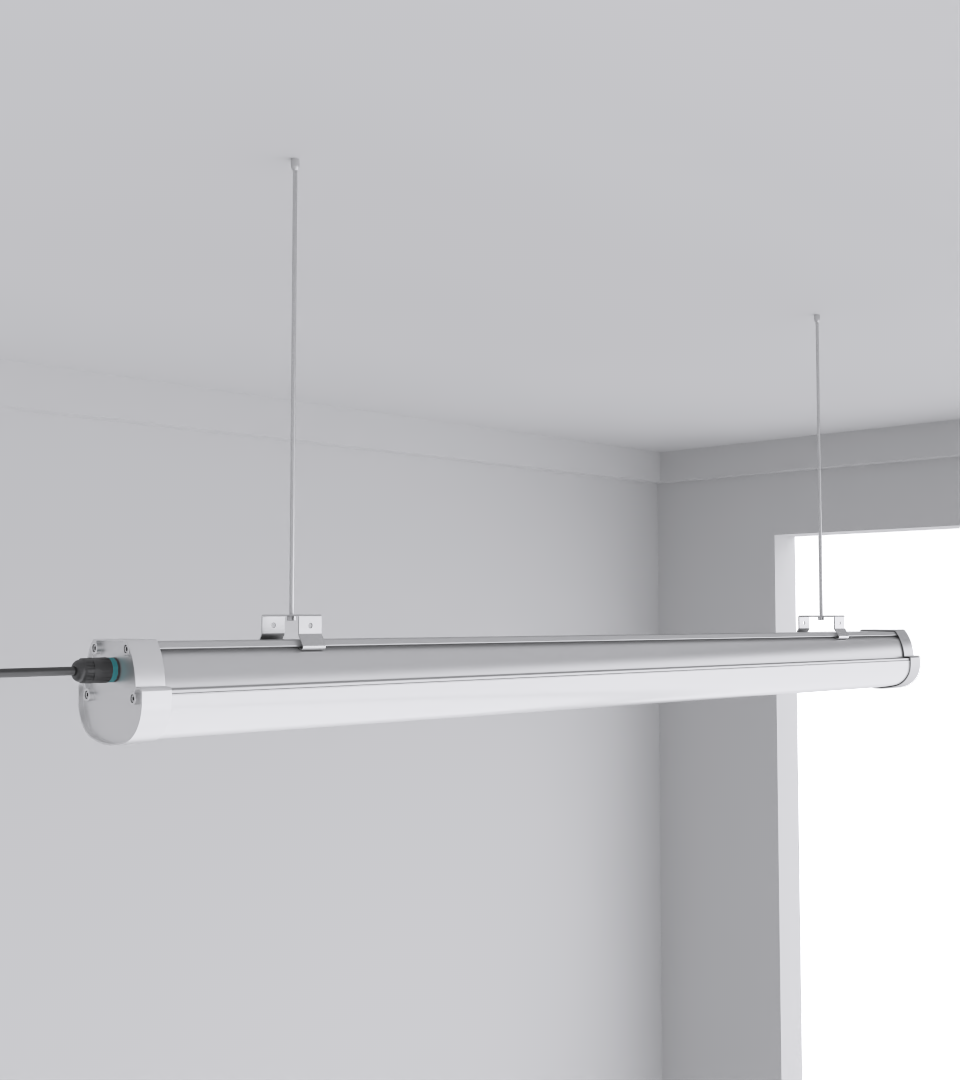
| Shadows in narrow aisles | Vertical lighting + directional LEDs | Quattro Triproof Batten | Fewer missed patches and cabling mistakes |
| Disrupted circadian rhythm | Warm spectrum LEDs + timed shift to cooler tones at night | SeamLine Batten | Improved alertness and melatonin cycle management |
| Glare off shiny surfaces | UGR < 19 lighting layout; matte reflectors | Simplitz Batten V3 | Better visibility, improved comfort in rack environments |
1. Why Lighting Ergonomics Matter in Data Centers
Data center technicians often work under lighting that wasn’t built for human vision. It’s built to survive heat, last long hours, and avoid damaging cables—not to protect eyes. That’s a problem.
- Constant exposure to high-intensity, cool-white light leads to fatigue
- Overhead-only illumination creates shadow pockets in racks
- Glare from shiny server exteriors causes eye stress during labeling and maintenance
I’ve personally seen techs start mislabeling patch panels simply because they couldn’t see what they were doing. Not because they were tired—but because the light setup was working against them.
2. Core Lighting Challenges in High-Density Server Environments
- Tall, tightly spaced racks that block light
- Reflective materials on equipment
- Limited airflow zones that restrict fixture placement
- Strict uptime demands that prevent frequent maintenance
3. Reducing Glare and Eye Strain with Proper UGR Ratings

- Aim for UGR < 19 in rack zones
- Use diffusers and matte reflectors
- Avoid placing lights too close to rack edges
4. The Role of Spectrum: Blue Light, Warm Tones & Night Shifts

- Disrupts circadian rhythm
- Suppresses melatonin
- Increases digital eye strain
Use warm-white lighting (2700K–3500K) in non-critical zones and schedule spectrum shifts for overnight teams. Combine with anti-glare filters or physical blue light filters on screens.
5. Using Vertical & Rack-Level Fixtures to Reduce Shadows
Ceiling-only lighting won’t cut it. Shadows form in middle-to-bottom rack zones. Misread labels = network downtime.
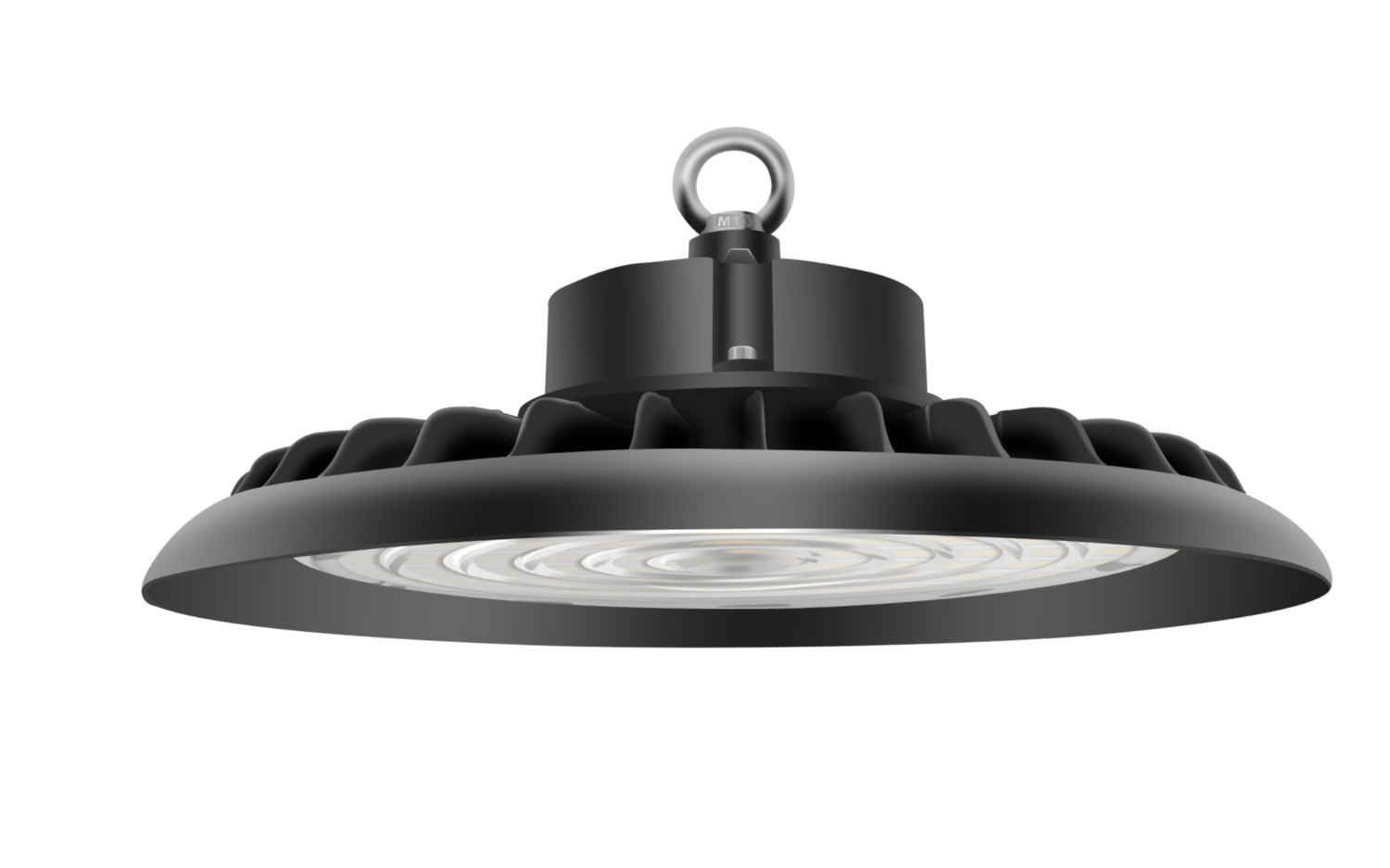
- Budget High Bay Light for ambient
- SeamLine Battens along racks for targeted visibility
6. Integrating Smart Control and Sensor Systems
- Occupancy sensors in walkways
- Task-based dimming in patch areas
- Scene control for diagnostics vs. maintenance
7. Maintenance, Specs, and Quality Standards That Matter
- ISO 9001, 14001, 45001 standards
- Flicker-free certification
- Thermal stability under high server-load heat
8. How to Start: Site Audit, Sample Fixtures & Installation Support
- Audit current lighting zones
- Order samples from CAE’s product lineup
- Request project support via contact form
Frequently Asked Questions (FAQ)
Q: What’s the ideal lux level for data center lighting?
A: Between 300–750 lux depending on zone: walkways lower, rack inspection higher.
Q: Can bad lighting really affect data accuracy?
A: Yes. Poor lighting increases mislabeling, incorrect patching, and missed inspections.
Q: What’s better—cool white or warm light?
A: Use cool white in active zones, warm white in relaxation or low-activity areas.
Q: Are CAE fixtures compliant with ISO and OSHA?
A: Yes. Most CAE luminaires are built to meet ISO 9001/14001/45001 and are OSHA-aligned.
Q: Do you need vertical lighting on racks?
A: For high-density installations—yes. It drastically improves visibility and reduces shadow zones.