
Essential Monthly Testing Procedures for Data Centers: Ensuring Uptime, Compliance, and Operational Efficiency
–
Key Takeaways
| Feature or Topic | Summary |
|---|---|
| Integration Benefits | Energy savings, streamlined operations, enhanced monitoring, and predictive maintenance. |
| Key Protocols | BACnet, Modbus, SNMP ensure interoperability. |
| Implementation Strategies | Assess existing infrastructure, select compatible systems, phased deployment recommended. |
| Operational Advantages | Reduced downtime, improved safety, occupant comfort, and significant sustainability contributions. |
Monthly Testing Procedures in Data Centers
The maintenance and testing of systems within data centers is crucial to ensuring both uptime and safety. Monthly testing procedures ensure systems are running as expected and that any failures are caught early before they cause downtime or compliance violations. In this guide, we’ll walk you through the steps, tools, and standards for monthly testing in data centers, ensuring you maintain the highest levels of reliability and compliance.
1. Understanding Intelligent Lighting Controls
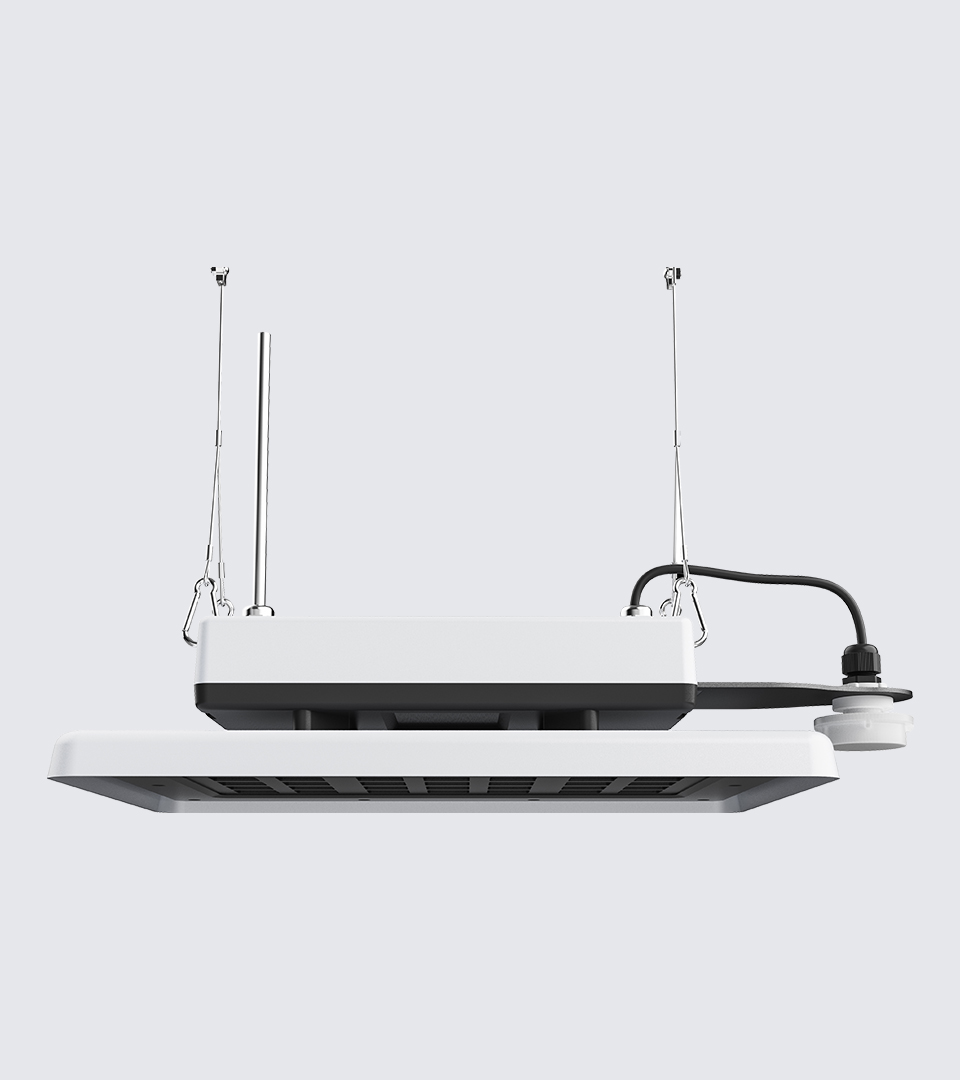
Intelligent lighting controls in data centers offer increased efficiency by adapting to occupancy, ambient light levels, and operational needs. These systems help in reducing energy consumption, enhancing security, and maintaining optimal lighting conditions for both equipment and personnel.
2. Overview of DCIM Software
Data Center Infrastructure Management (DCIM) software is crucial in monitoring and managing the physical components of a data center. With monthly testing integrated into the DCIM systems, facility managers can track system health, performance, and anticipate potential failures before they occur.
3. The Need for Integration
Integration of all data center systems into a unified monitoring platform helps in the seamless operation of the facility. Monthly tests should be aligned with your integration goals to ensure all systems are communicating effectively and working together to maximize efficiency and minimize failure rates.
4. Technical Aspects of Integration
When integrating different systems, consider factors such as compatibility, network protocols (e.g., BACnet, Modbus), and failover capabilities. Monthly testing ensures that these systems continue to work together without conflict.
5. Implementation Strategies
Successful implementation of monthly testing strategies in a data center relies on careful planning. Regular testing of key systems such as power backup, cooling, and security should be scheduled, and failure scenarios should be tested to prepare for emergencies.
6. Energy Efficiency and Sustainability
Monthly testing allows for the identification of inefficiencies, especially in lighting and cooling systems. By optimizing these systems through consistent testing, energy use can be minimized, leading to cost savings and a more sustainable operation.
7. Operational Benefits
By maintaining a robust monthly testing protocol, data centers can experience reduced downtime, quicker responses to potential issues, and greater operational reliability. This also enhances safety and comfort for employees working within the data center.
8. Challenges and Solutions
Some common challenges in monthly testing include scheduling, system compatibility, and staff training. Solutions include utilizing automated testing tools, integrating systems effectively, and ensuring staff have the necessary training to perform tests properly.
9. Future Trends
As data centers evolve, the integration of AI and IoT into monthly testing procedures will increase, providing more accurate predictions, energy savings, and automated failure detection. These advancements promise to enhance testing efficiency and improve overall data center operations.
Frequently Asked Questions (FAQ)
1. What are the key components of monthly testing in data centers?
Monthly testing covers backup power systems, UPS/battery checks, PDUs, cooling systems, fire safety, and physical infrastructure. Each system is tested for performance and compliance with relevant standards.
2. Why is monthly testing necessary for backup power systems?
Backup power systems like generators and UPS are critical in case of power failures. Monthly tests ensure that they function properly when needed, reducing the risk of downtime.
3. How can cooling and HVAC systems be tested?
HVAC and CRAC systems can be tested by checking airflow, temperature, and humidity levels. Regular inspections prevent overheating and ensure that systems operate efficiently.
4. What standards should monthly testing comply with?
Monthly testing should adhere to standards like ANSI/TIA-942, ISO 14644-1, NFPA, and local fire safety codes to ensure compliance and operational safety.