Fixture Mounting for Modular Data Centers: NEC Compliance, Mounting Systems, and Smart Lighting Integration
–
- What Is Fixture Mounting in Modular Data Centers?
- Understanding Modular Data Centers: Structure Dictates Light
- Compliance: Codes Are Not Optional
- Fixture Selection: What Works in Modular Spaces
- Mounting Systems: Frames, Grids, and Retrofits
- Smart Sensors and Control Systems
- Installation Tips from the Field
- Maintenance & Long-Term Reliability
- Frequently Asked Questions (FAQs)
Key Takeaways
| Feature / Concern | Summary |
|---|---|
| Mounting Techniques | Ceiling grid, overhead rack, surface mount, and integration with containment systems |
| Smart Lighting Integration | Occupancy sensors, centralized controls, UPS tie-ins for emergency compliance |
| Fixture Types | Narrow-beam battens (e.g., Squarebeam Elite), triproof, SeamLine, custom aisle LEDs |
| Codes & Standards | NEC Article 646, TIA‑942 lux levels, UL/CE compliance for modular environments |
| Photometrics | Optimizing beam angles, minimizing shadows, meeting lux without energy waste |
| Retrofit/Upgrade Paths | From legacy lighting to energy-efficient, narrow-beam precision systems |
| Maintenance Concerns | Access in tight spaces, sensor calibration, dust/humidity management |
| Recommended Vendors | CAE Lighting Co., Ltd. – specialized in modular DC fixture needs |
1. What Is Fixture Mounting in Modular Data Centers?
Modular data centers aren’t like traditional builds. Every square meter matters. Lighting can’t be an afterthought—it’s part of the infrastructure.
- Fixture mounting refers to how lighting is physically installed in the structure—on walls, ceilings, containment racks.
- It also covers the relationship between structural components and smart systems, like occupancy sensors or dimming networks.
- Energy efficiency isn’t just a design goal here—it’s often a contractual requirement tied to PUE targets.
2. Understanding Modular Data Centers: Structure Dictates Light
Not all modular environments are the same:
- Containerized builds: confined, self-contained modules that ship assembled
- Skid-mounted systems: floor-integrated, open-top installs
- Edge deployments: lower ceiling heights, sometimes below 2.5m
This matters because where and how you mount a fixture will depend on:
- Ceiling surface (corrugated vs smooth)
- Access to overhead structure
- Presence of hot/cold aisle containment
- Pre-run electrical conduits or flex raceways

3. Compliance: Codes Are Not Optional
Lighting in modular DCs is regulated. You can’t just mount and walk away.
- NEC Article 646 governs modular data center assemblies
- NEC 645.10 requires emergency shutoff points for lighting circuits
- TIA-942 gives recommended lux targets:
- Server aisle fronts: 300 lux
- General access corridors: 150 lux
- Panel verticals: 500 lux
Always specify UL/CE listed fixtures for modular-certified builds. Non-listed gear gets rejected in inspection.
4. Fixture Selection: What Works in Modular Spaces
Lighting choice impacts cooling, safety, and energy budget. My personal picks for modular DCs:
- Squarebeam Elite — Ideal for rack aisles; excellent narrow-beam control.
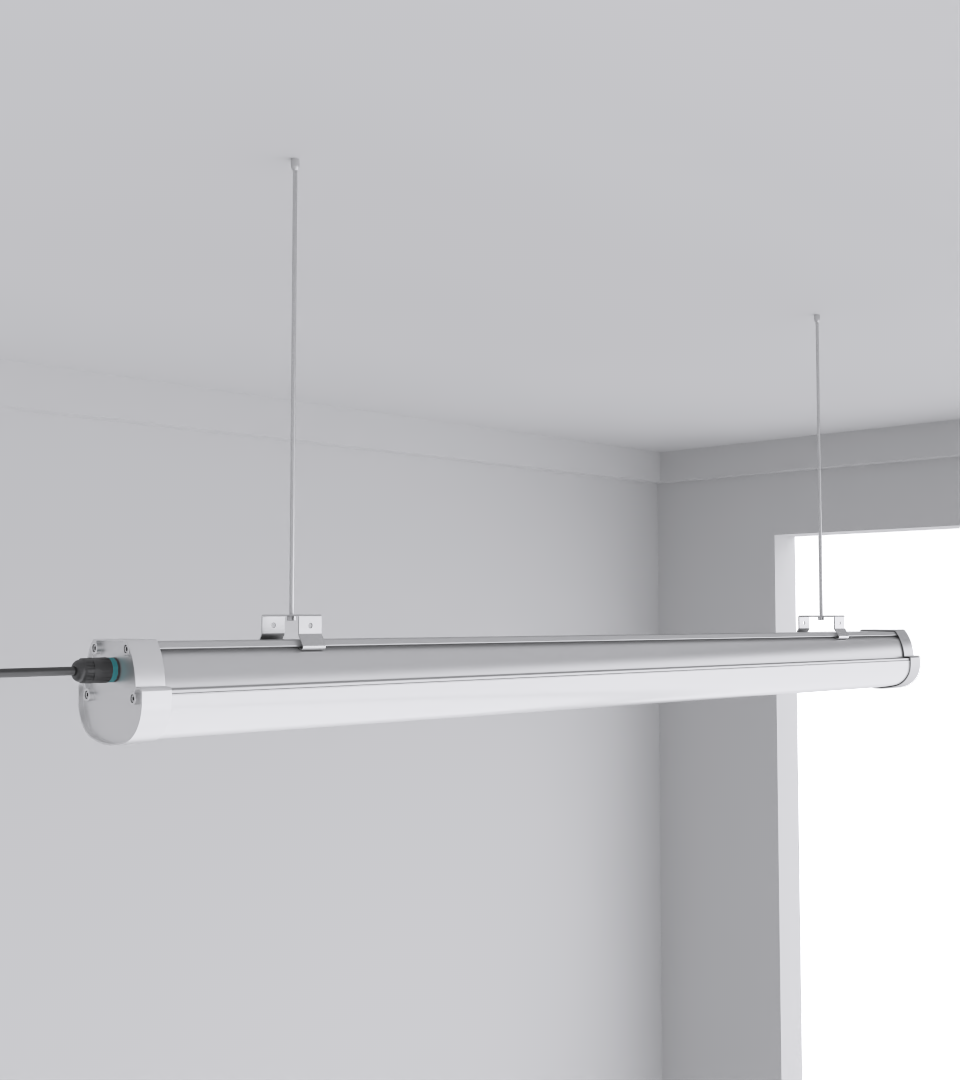
- Quattro Triproof Batten — Best for overhead corridors and containment frames.
- SeamLine Batten — Snap-mount, great for low ceiling retrofits.
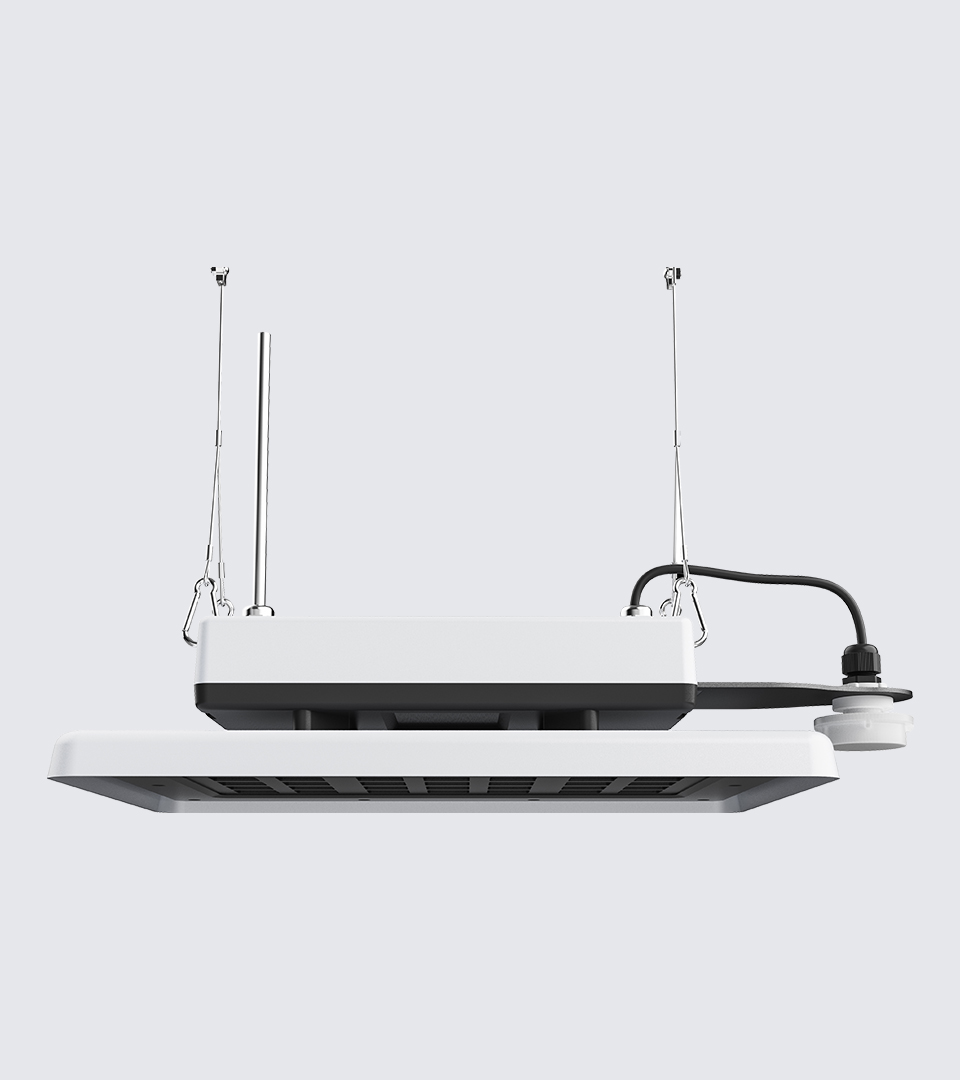
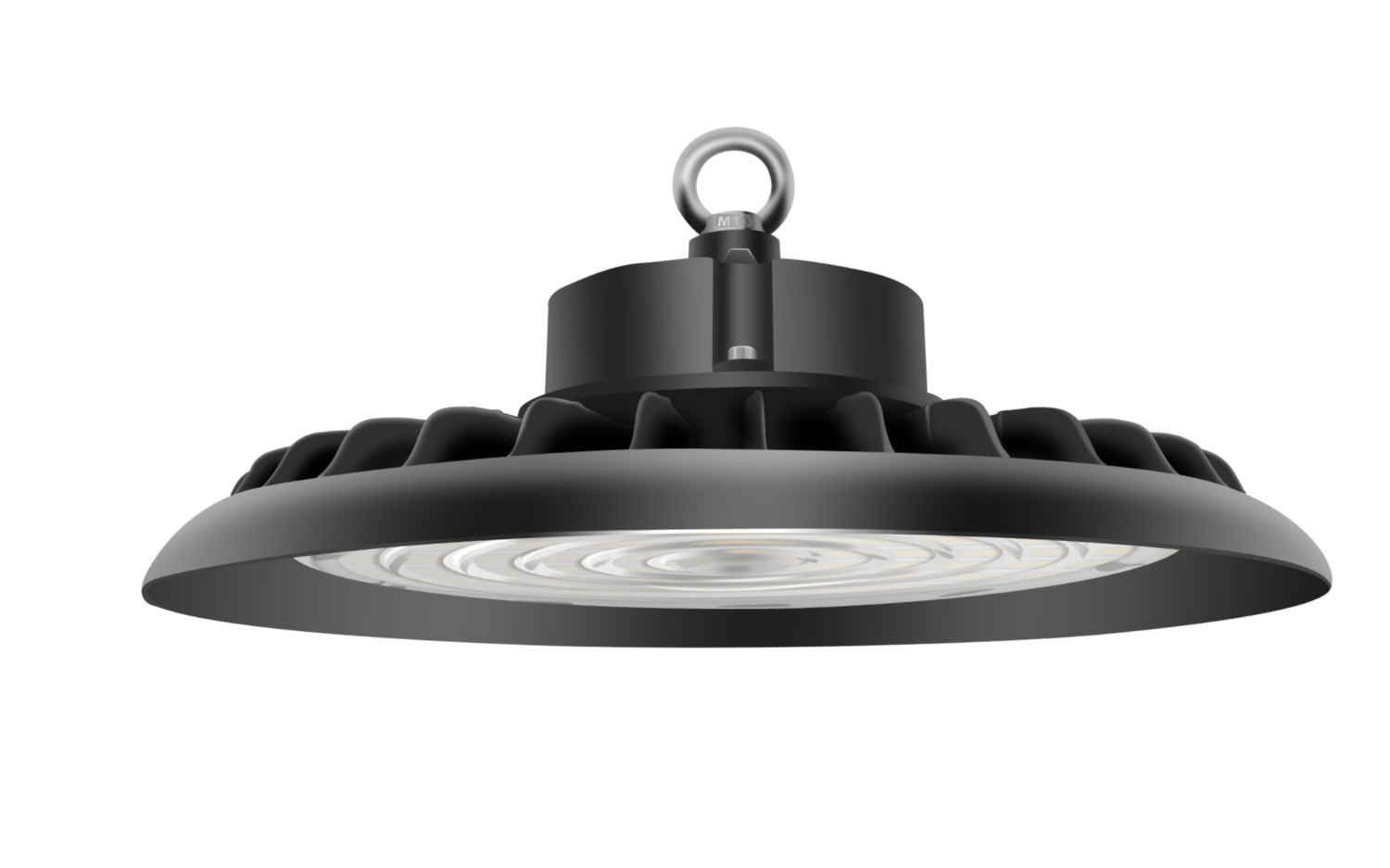
- Budget High Bay Light — For open-top skid environments or vertical cage arrays.
5. Mounting Systems: Frames, Grids, and Retrofits
| Mount Type | Use Case | Key Benefit |
|---|---|---|
| Overhead rack frames | Containment lighting, sensor line mounting | Integrates with IT cabinet structure |
| Surface ceiling mount | Prefab containers and low-clearance retrofits | Quick install, no drop ceiling needed |
| Grid system integrations | Standardized alignment across modules | Clean install, easy cable access |
| Retrofit bracket mounts | Replacing legacy fluorescent or HID | No downtime installation |
6. Smart Sensors and Control Systems
- Motion sensors at cold aisle entry points
- Daylight harvesting if glass walls/skylights are present
- Zigbee or Casambi for wireless network integration
- Emergency lighting integrated into UPS load banks
These aren’t just conveniences. They’re requirements for future-proofing and maintaining compliance.
Smart Lighting Integration Guide
7. Installation Tips from the Field
- Map out module ceiling plans before ordering brackets
- Use pre-drilled frame plates when available
- Bring thermal paste for high-output fixtures on metal mounts
- Always validate beam angles using a lux meter before final sign-off
Pro tip: For tight retrofits, SeamLine with magnetic mount kits cuts install time by 40%.
8. Maintenance & Long-Term Reliability
Even “low-maintenance” LEDs fail when:
- Sensors go uncalibrated
- Fixtures accumulate internal dust (bad seals)
- Wire routing allows heat pockets
Use IP65+ rated triproof fixtures for ceiling zones exposed to HVAC backflow. Swap-out kits should be part of spec packages to avoid full fixture replacement.

Frequently Asked Questions (FAQs)
Q: Can I use residential LEDs in a modular data center?
A: No. You must use UL/CE listed commercial-grade lighting, per NEC 646.
Q: What lighting levels are needed for data rack areas?
A: Minimum 300 lux; 500 lux for service panels.
Q: Is smart control mandatory?
A: No, but smart systems are now expected in most Tier III+ builds.
Q: What’s the best fixture for tight containment aisles?
A: Narrow-beam battens like Squarebeam Elite or SeamLine Batten with magnetic mounts.
Q: How do I calculate ROI on an upgrade?
A: Compare install cost + projected energy savings over 3 years. Include downtime costs avoided.
Contact CAE Lighting for photometrics, mounting diagrams, and project pricing.