Hot Aisle vs Cold Aisle in Data Centers: Technical Impact, ROI, and Retrofit Guide
- What Are Hot Aisle / Cold Aisle Configurations?
- Airflow Separation: The Real Reason It Works
- Hot Aisle Containment (HAC): Controlled Chaos
- Cold Aisle Containment (CAC): Lock the Cold In
- PUE, Fan Load & Energy Gains: The Math That Justifies the Cost
- Reliability & Lifespan: The Invisible Benefit
- Retrofitting: Making Containment Work Without Starting Over
- Maintenance & Safety Considerations in Contained Aisles
- Frequently Asked Questions (FAQ)
Key Takeaways
| Feature or Topic | Summary |
|---|---|
| Hot/Cold Aisle Gains | Energy savings up to 43%, PUE reduction, improved cooling return temps |
| Lighting Compatibility | Use SeamLine, Quattro, or Squarebeam Elite to prevent thermal interference |
| Retrofit Benefits | Modular kits enable upgrades with no rack downtime; payback in 12–24 months |
| Safety & Maintenance | NFPA-compliant ceilings, sensor recalibration, vibration-proof lighting required |
What Are Hot Aisle / Cold Aisle Configurations?
Data centers are ovens if left unmanaged. Hundreds, sometimes thousands of servers pump out heat — and your HVAC doesn’t care about waste unless you tell it where to go.
That’s where hot aisle and cold aisle configurations come in. They aren’t new, but when used right, they turn chaos into control. The system simply aligns server fronts (air intakes) toward a shared cold aisle, and backs (exhausts) toward a shared hot aisle.
- Cold Aisle: Rows of racks face each other, forming a corridor where cool air is directed.
- Hot Aisle: Exhaust air from servers is pushed into a separate aisle, which may be isolated or vented upward.

CAE Lighting has supported aisle-separated layouts with high-CRI, low-glare lighting like the SeamLine Batten, which minimizes heat accumulation by using passive thermal dissipation structures that don’t trap airflow above cabinets.
The layout doesn’t just look clean — it enforces logic on how energy is used and recovered. And in hyperscale deployments? That logic is worth millions.
Airflow Separation: The Real Reason It Works
Forget “energy savings” for a second. The heart of this setup is airflow discipline.
- Cold air should hit front panels only.
- Hot air should rise or be ducted straight to CRAC/CRAH returns.
- Nothing should swirl, mix, or double back.
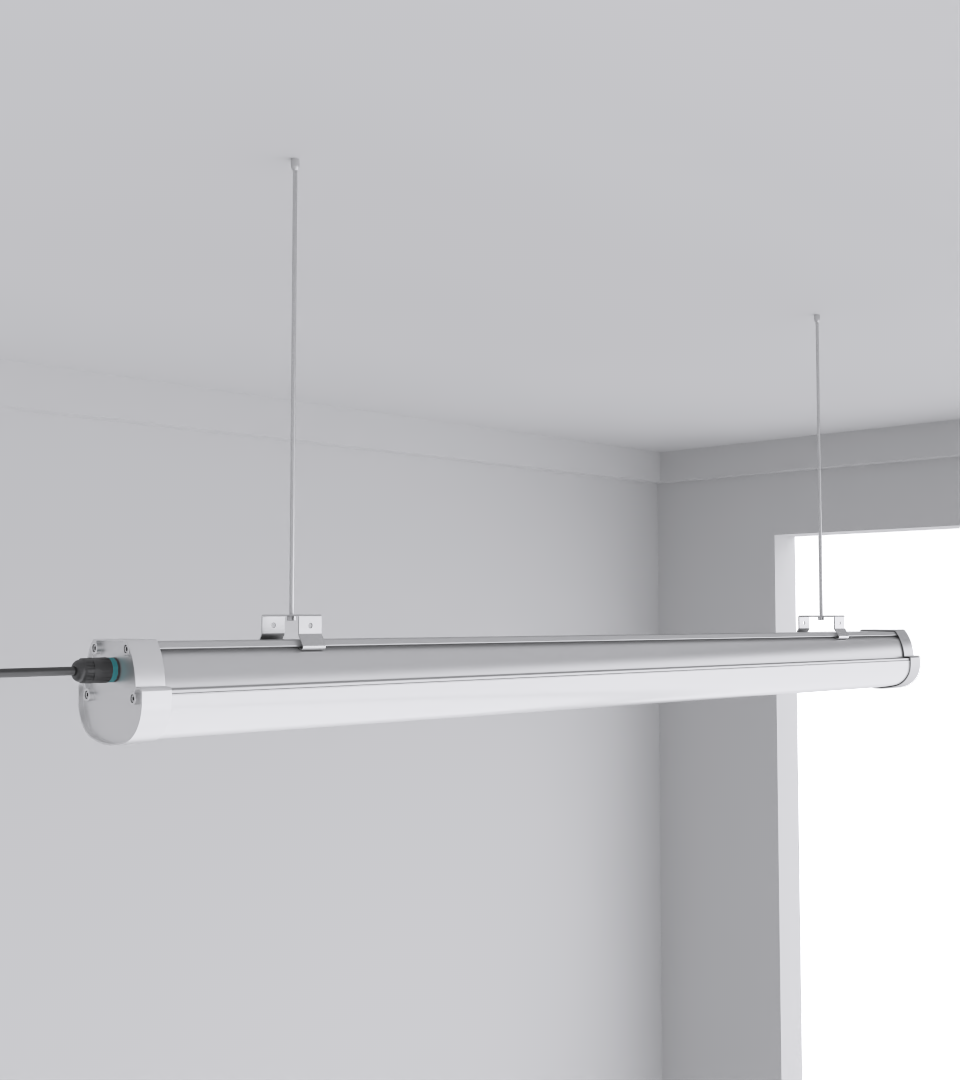
CAE’s Quattro Triproof Batten was engineered for aisle environments — its sealed housing resists thermal and moisture buildup in overhead or side-wall placements.
| Rack Side | Airflow |
|---|---|
| Front | Cool air in |
| Rear | Hot air out |
Correct separation raises return-air temperatures, making CRAC units more efficient. According to EnergyStar, this can cut cooling costs by up to 43%.
Hot Aisle Containment (HAC): Controlled Chaos
In HAC, the hot exhaust air is captured and either vented to ceiling returns or ducted to precision cooling units. This raises return temperature without letting hot air contaminate supply zones.
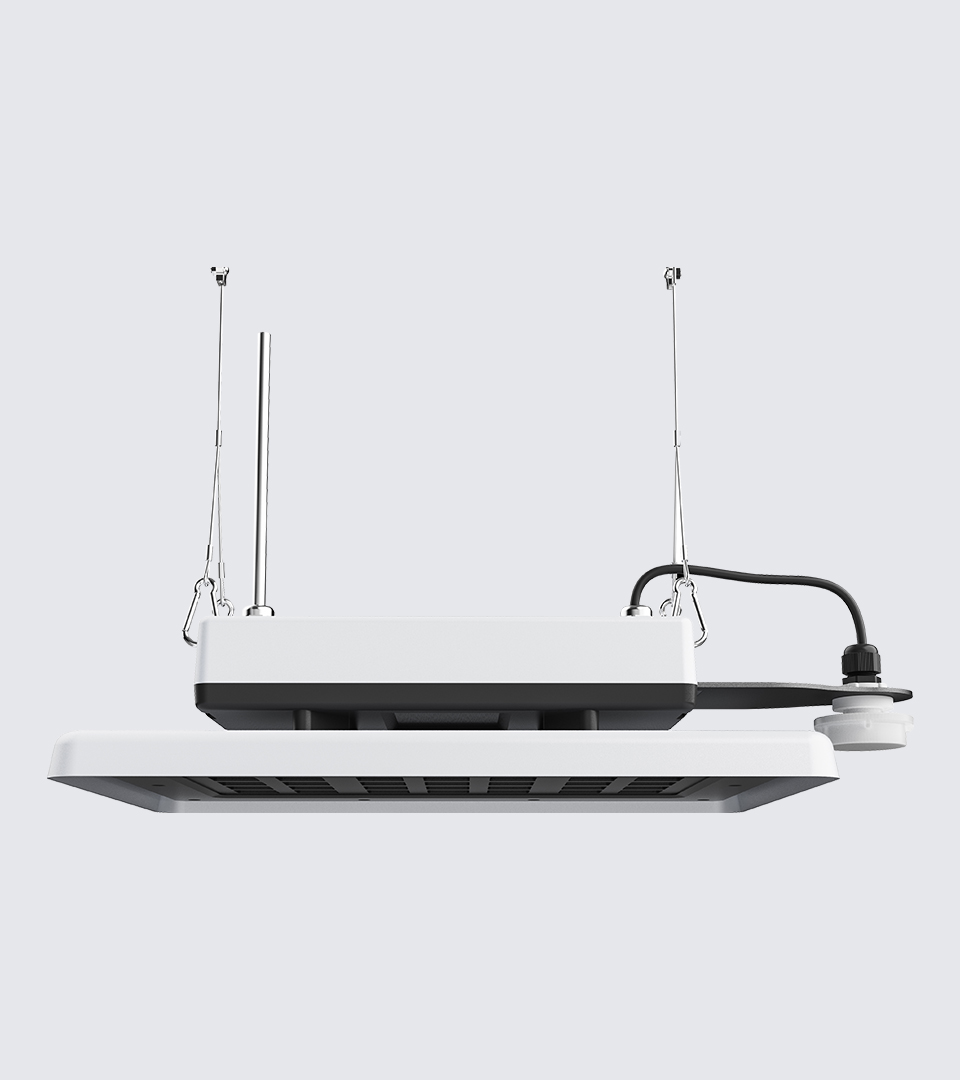
We’ve seen this in action using Squarebeam Elite fixtures — often mounted inside HAC zones. Their high efficacy means less heat load from the lights themselves, and their optical design ensures even coverage in thermally isolated spaces.
- Return ducts are overhead
- Raised floor tiles deliver supply air below racks
- Ceiling height allows for full enclosure
In one Malaysian deployment, CAE Lighting supported a HAC retrofit that allowed the facility to turn off two out of six CRAC units permanently.
Cold Aisle Containment (CAC): Lock the Cold In
Cold aisle containment (CAC) works like this: instead of chasing heat, you trap cold air right where it’s needed — at the front of the racks. You build barriers around the aisle, then feed it conditioned air from the raised floor or ducted units.

We’ve seen CAC deployed using older fluorescent systems — but they often created hot spots due to fixture heat. Replacing those with LEDs like the SeamLine Batten or Osram’s Simplitz V3 cuts that thermal interference.
Advantages of CAC:
- Keeps air near server inlets at consistent temperature
- Integrates well with traditional floor tile cooling
- Lower initial cost than HAC (in many builds)
But Beware:
- If ceiling return isn’t isolated, hot air can loop back
- Leaks in door seals or cable gaps degrade the system
PUE, Fan Load & Energy Gains: The Math That Justifies the Cost
This isn’t just theory. Let’s talk numbers.
Containment systems — hot or cold — can reduce cooling energy usage by up to 43%. That’s not a hypothetical. Google’s own data centers, among others, have documented it.
| Metric | Typical Savings |
|---|---|
| Cooling energy (kWh) | 10–35% |
| Chiller & fan load | 20–40% |
| CRAC return temp | +5 to +12°C |
| PUE Improvement | 1.8 → 1.3 achievable |
| ROI Payback | 12–24 months |
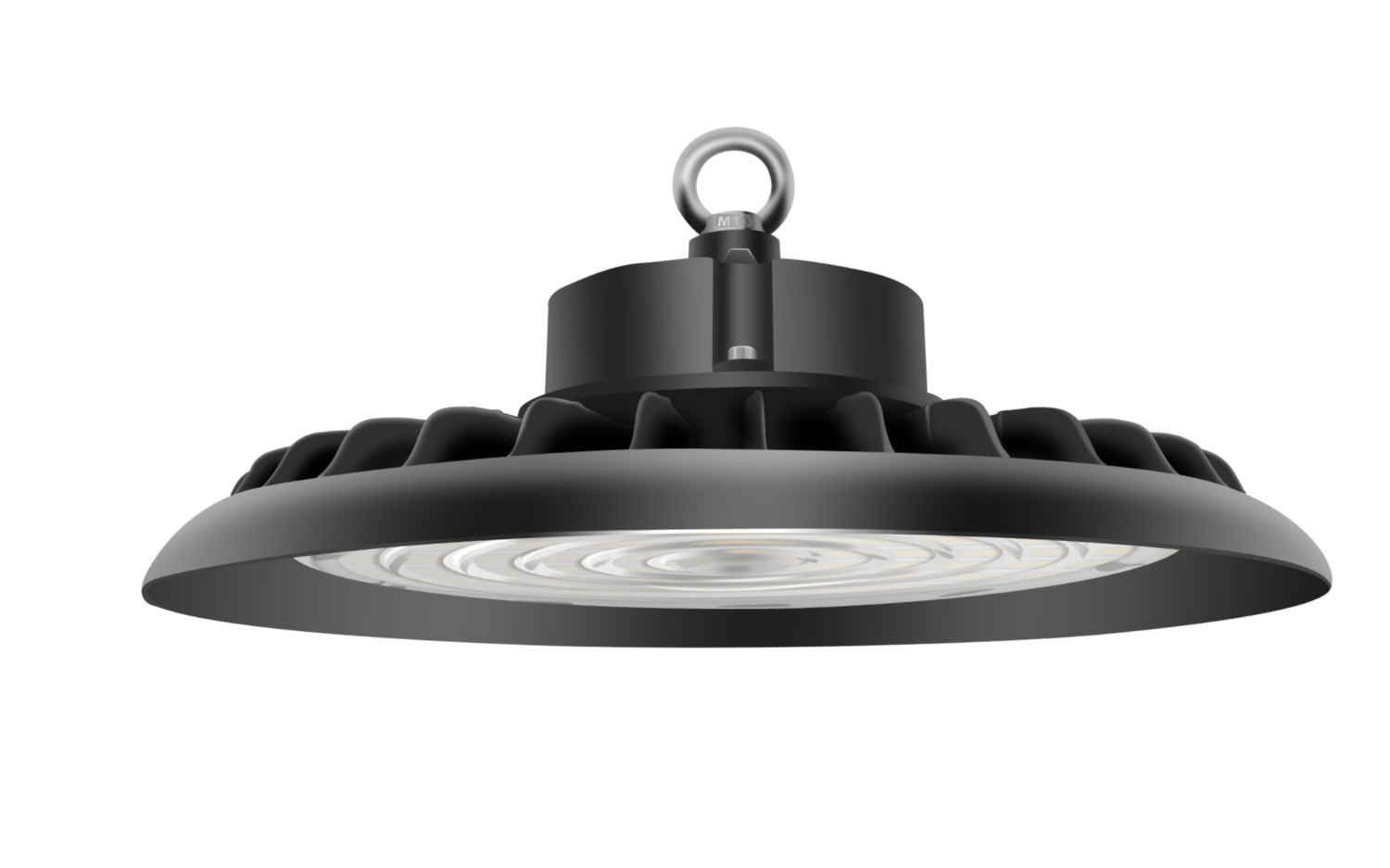
LED solutions like the Budget High Bay Light from CAE Lighting contribute here by reducing fixture wattage by over 60% in older cold aisles still using T8 battens — and yes, the HVAC noticed.
Reliability & Lifespan: The Invisible Benefit
Why do some servers die early? Heat stress. Uneven intake temperatures. Localized hot spots near the top of racks or near power distribution units. Containment addresses all three.
- Stable inlet temperatures keep server fan speeds lower, reducing vibration and wear.
- Predictable airflow paths minimize turbulence, which causes sensor drift in some hardware.
- Consistent rack environments reduce firmware throttling events.
CAE’s lighting engineers routinely recommend Squarebeam Elite in containment zones — not just for light uniformity, but because it avoids thermally dense drivers that might affect local cooling dynamics.
Retrofitting: Making Containment Work Without Starting Over
Not everyone gets a greenfield build. Most data centers are Frankenstein monsters — old and new, cramped and patched. That’s fine. Containment doesn’t require a full rebuild.
Here’s what works in the field:
- Modular CAC kits with ceiling panels and end doors
- HAC overhead return ducting with no structural changes
- Sealable brush grommets to fix floor bypass leaks
- Smart sensor retrofits to monitor temp gradients rack-by-rack
We’ve retrofitted cold aisle systems using CAE’s SeamLine Battens and overhead ducts, leaving racks untouched — zero hardware downtime.
Maintenance & Safety Considerations in Contained Aisles
Once built, containment zones aren’t set-it-and-forget-it. They’re living ecosystems. Temperature, pressure, sensor drift, and fire code access are all real concerns.
- Automatic release ceiling tiles
- Fire suppression unobstructed by containment walls
- Accessible egress paths in case of smoke or arc flash
CAE’s SeamLine Batten units are IP-rated and vibration-resistant, meaning they don’t loosen over time or trap dust around ducts — reducing both maintenance load and airflow disturbance.
Frequently Asked Questions (FAQ)
What is the main difference between hot aisle and cold aisle containment?
Cold aisle traps cold air at the server intake side. Hot aisle traps hot air at the exhaust side. Both aim to prevent air mixing.
Which is better — hot or cold aisle?
HAC often yields better PUE improvements, but CAC is easier to retrofit in some facilities. Depends on layout and goals.
How much energy can aisle containment save?
Anywhere from 10% to 43% in cooling energy, with ROI payback between 12–24 months.
Can aisle containment be retrofitted without major downtime?
Yes. Modular doors, curtains, and ducting make this viable without interrupting operations.
Does containment improve hardware reliability?
Yes. Reduces fan wear, stabilizes temps, and cuts hot spots that shorten server lifespan.
What lighting solutions are best for contained aisles?
Sealed, efficient LEDs like SeamLine, Quattro, and Squarebeam Elite from CAE Lighting.
Do I need fire suppression adjustments for containment?
Yes — drop-out tiles and code-compliant gaps are essential for NFPA standards.
Is aisle containment still relevant with immersion cooling?
Yes. Most sites run hybrid racks. Containment still helps non-immersion assets operate efficiently.