How to Design Dual Power Source Lighting Systems for Tier III/IV Data Centers (2025 Guide)
- What Are Dual Power Source Lighting Systems in Data Centers?
- Circuit Architecture: A/B Feeds & Lighting-Only Paths
- Emergency Lighting Integration & Compliance Codes
- Installation Best Practices: Routing & Failover Zones
- Smart Lighting & Sensors in Dual-Source Environments
- Testing, Monitoring & Preventing Mistakes
- Cost, Energy Metrics & ROI from Redundancy
- Field Lessons & Final Design Checklist
- Frequently Asked Questions (FAQ)
Key Takeaways
| Feature or Topic | Summary |
|---|---|
| Redundancy Design | Dual-feed A/B circuits ensure 2N or N+1 reliability for Tier III/IV facilities. |
| Emergency Compliance | Must comply with NEC, NFPA 101, and Uptime Institute for egress/emergency lighting. |
| Smart Controls | Sensor systems and smart controls support failover logic and occupancy savings. |
| Energy Optimization | LEDs reduce cooling demand and enhance PUE; dual-feed minimizes downtime risk. |
| Testing & Maintenance | Testing involves simulated failure drills, breaker load checks, and log audits. |
| Cost & ROI | Balancing redundancy costs vs outage risks is essential—ROI in energy alone can reach $2–6k/rack/yr. |
| Real-World Implementations | CAE Lighting’s Squarebeam Elite and Quattro Batten support dual-source installs across multiple countries. |
What Are Dual Power Source Lighting Systems in Data Centers?
Data centers don’t tolerate darkness. Ever. So when a light flickers off because of a single point of failure? That’s not just annoying—it’s potentially catastrophic. That’s where dual power source lighting systems come in. These setups use two separate circuits or power sources to feed critical lighting systems.
- Circuit A might come from the primary utility + UPS.
- Circuit B could be backed by a generator or alternate PDU path.
It’s like giving every luminaire a Plan B. Failover is instant, continuous, and nearly invisible to the eye—exactly what Tier III/IV compliance demands.
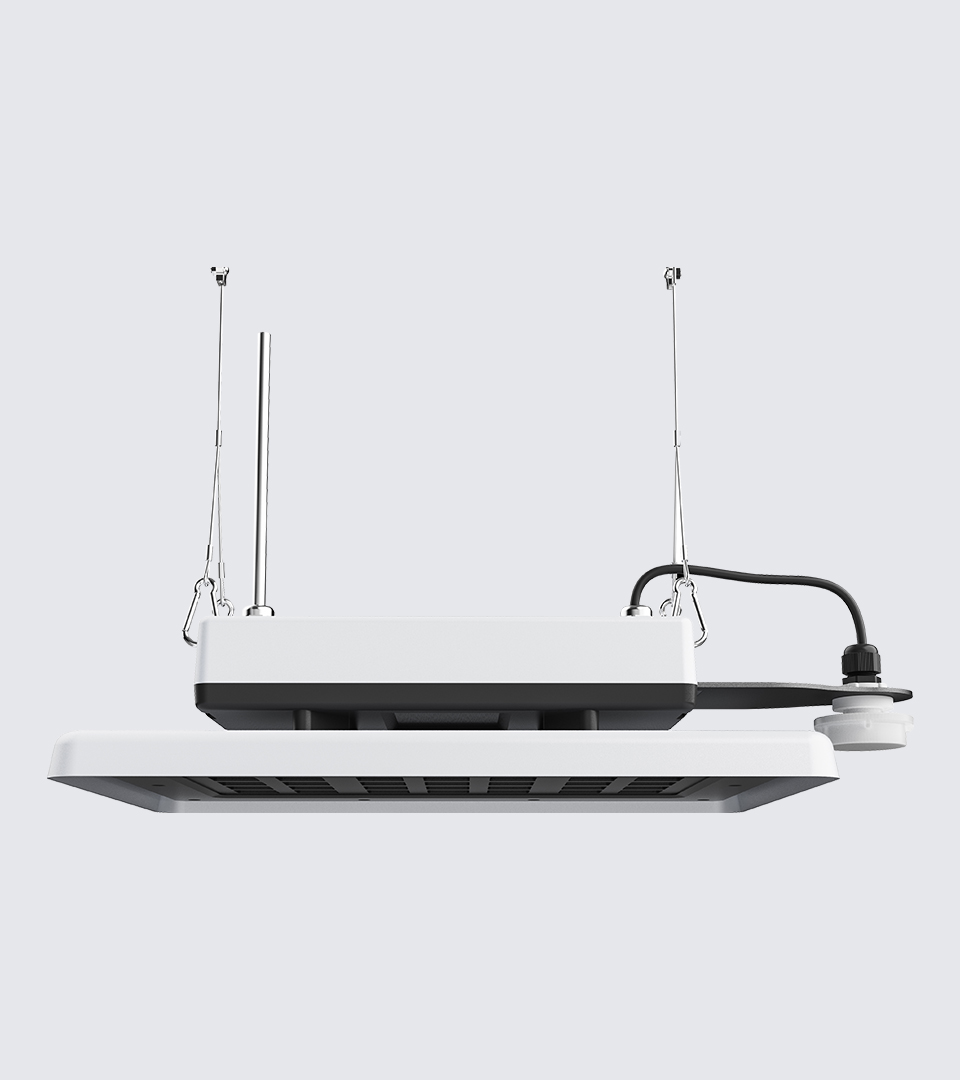
CAE Lighting’s Squarebeam Elite is built with this redundancy in mind—dual inputs, power quality protection, and EMI-resilient drivers.
Circuit Architecture: A/B Feeds & Lighting-Only Paths
Here’s where things get fun. Most folks design dual power paths for IT racks and forget lighting. Huge mistake.
- Lighting needs separate A/B feeds too, especially in:
- Emergency egress paths
- Security zones
- Raised-floor service corridors
Example circuit plan:
- Conduit A runs through west submain fed by UPS.
- Conduit B through generator-backed panel with an ATS (automatic transfer switch).
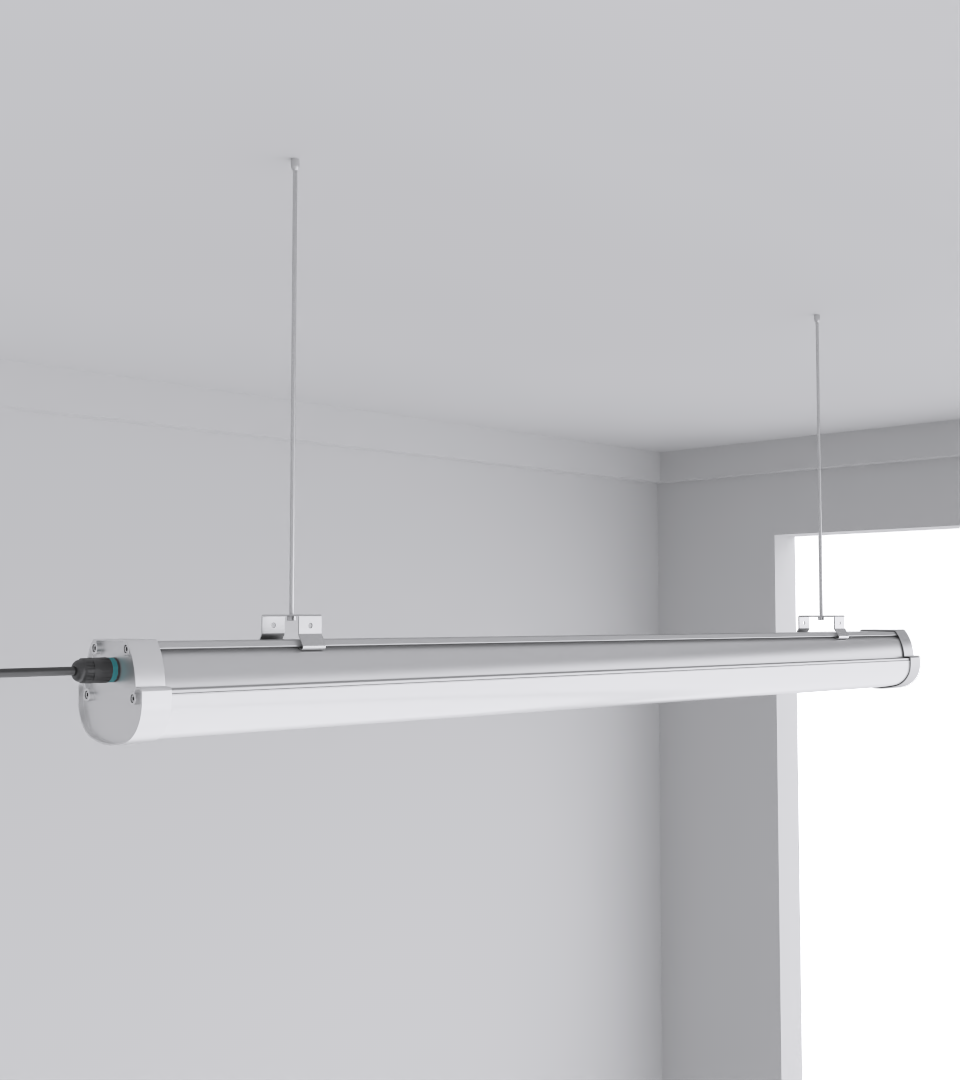
Each fixture like the SeamLine Batten or Quattro Triproof Batten can be tied to both sources, or be part of a failover grid.
Emergency Lighting Integration & Compliance Codes
Emergency lighting is where compliance gets teeth. NEC 700, NFPA 101, ISO/IEC 20000-1… the acronyms stack up fast.
Minimum expectations:
- 90-minute runtime after main power fails
- Proper spacing to illuminate exit paths and signage
- Separate circuit or power source than general lighting
CAE Lighting supports this with fixtures capable of dual-mode: normal+emergency, powered through either an inverter or battery-backed ATS system.
- Don’t forget: egress lighting must be tested monthly.
- Many facilities now use self-test emergency lights. Need a reliable one? Use Squarebeam Elite with failover alert LEDs.
Installation Best Practices: Routing & Failover Zones
Get sloppy with your routing and say goodbye to redundancy. That’s a bit dramatic, but also true.
- Physically separate conduits for A and B paths
- Label everything clearly (color-coded pipe tags or UV ink markers)
- Avoid shared junction boxes between dual-feed circuits
In raised floor areas, alternate every other row:
- One lit by A
- Next row by B
- Every third by dual-feed fixtures
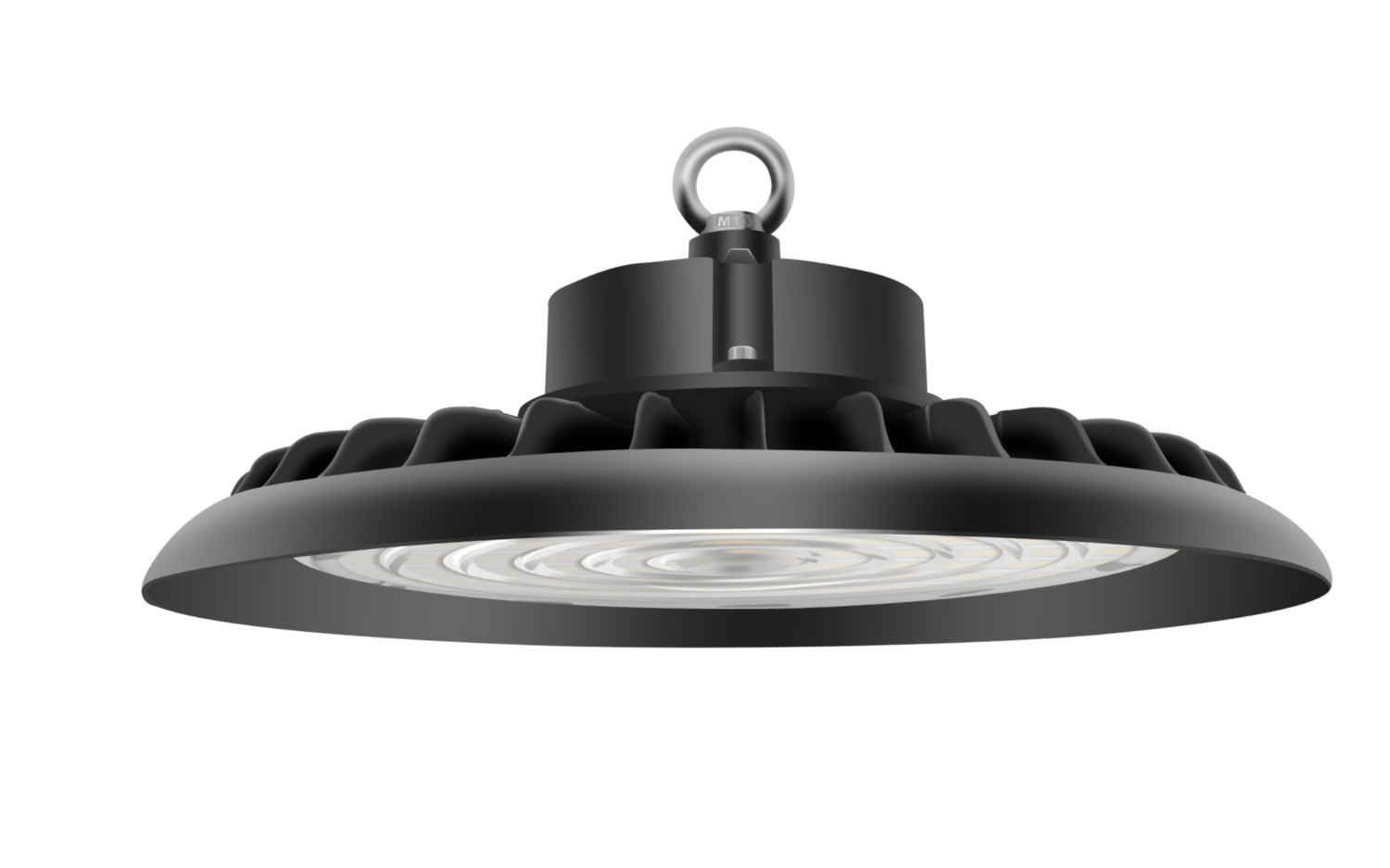
Keep loads balanced. CAE’s Budget High Bay Light supports separated input whips for this reason.
Smart Lighting & Sensors in Dual-Source Environments
Sensors aren’t just for saving energy. In dual-source setups, they can:
- Trigger alerts on failover events
- Prioritize certain circuits when battery runtime is limited
- Reduce load on inverters by dimming unused zones
The trick? Using low-latency communication protocols (e.g., DALI-2, Bluetooth Mesh) and fail-safe firmware.
CAE Lighting builds motion-sensor-ready modules that plug into products like SeamLine and Quattro without breaking UL rating.

Testing, Monitoring & Preventing Mistakes
Seen it happen: tech installs dual power but forgets to test inverter loads. Then blackout. Nobody happy.
Checklist:
- Simulate A-path loss and confirm auto-switchover
- Log driver response time (should be < 0.3 sec)
- Measure total harmonic distortion (THD) on both paths
- Monitor breaker temps over time — overloads often creep
Smart monitoring saves you here. CAE luminaires support inline power metering modules and support Modbus alerts.
Cost, Energy Metrics & ROI from Redundancy
Yes, dual circuits cost more. But so does downtime. For context:
| Setup Type | Avg Redundancy Cost | Est. Downtime Cost (per hour) |
|---|---|---|
| No redundancy | $0 | $50,000–$300,000 |
| Partial (N+1) | +15% | $5,000–$25,000 |
| Full 2N (dual) | +28–35% | $0 (in lighting-related loss) |
LED-based systems like CAE’s Quattro cut operational energy costs by 20–40% vs fluorescent.
Also worth noting:
- Lower BTU/hr = lower HVAC load
- LED lifespans reduce relamping labor
- ROI achieved within 12–20 months in most Tier III builds
Field Lessons & Final Design Checklist
I’ve walked through cold aisles in Singapore with battery lights failing after 45 mins. I’ve also seen flawless dual-powered layouts that kept racks visible during 6-hour generator tests. What made the difference? Planning.
Quick checklist:
- [x] A/B conduit physically separated?
- [x] Color labels or stencils visible?
- [x] Exit signs on their own power?
- [x] THD monitored?
- [x] Sensors integrated with failover logic?
- [x] UPS/inverter runtime calculated?
Get these right, and lighting never becomes your bottleneck.
Frequently Asked Questions (FAQ)
Q: Do all luminaires in a data center need dual inputs?
A: No. Focus on egress paths, cold aisles, and core operational zones. Balance cost vs risk.
Q: Can I use ATS for lighting?
A: Yes, especially micro-ATS with <20ms switch time. Make sure they’re UL 1008 listed.
Q: How often should I test emergency lighting?
A: Monthly functional test + annual 90-minute full-duration test per NFPA 101.
Q: Is dual-source lighting mandatory?
A: Not everywhere. But for Tier III/IV facilities, it’s best practice for uptime SLAs.
Q: Can I mix sensor-based dimming with emergency lighting?
A: You can, but ensure sensors don’t disable critical illumination under emergency power.
Want to see more? Browse all CAE Lighting data center products or get in touch with our team to discuss dual-feed lighting in your facility.