
How to Integrate Energy Dashboards into Data Centers: Protocols, Metrics, and Real-Time Monitoring Explained
–
Key Takeaways
| Feature or Topic | Summary |
|---|---|
| Integration Benefits | Energy savings, streamlined operations, enhanced monitoring, and predictive maintenance. |
| Key Protocols | BACnet, Modbus, SNMP ensure interoperability. |
| Implementation Strategies | Assess existing infrastructure, select compatible systems, phased deployment recommended. |
| Operational Advantages | Reduced downtime, improved safety, occupant comfort, and significant sustainability contributions. |
Data centers run on data, obviously. But tracking their own energy use? That’s where dashboards come in—and where most operators fall short. In this guide, I’ll walk through the real, technical, on-the-floor integration of energy dashboards in high-density environments, using real product examples from CAE Lighting and lessons learned the hard way.
Why Energy Dashboard Integration Actually Matters
- Operational savings: Identify vampire loads, HVAC inefficiencies, idle compute.
- Real-time alerts: Out-of-spec events trigger maintenance before failures.
- ESG compliance: Feed CUE and carbon data into reports.
- Strategic insight: Enables workload shifting based on energy costs or heat maps.
I’ve been inside facilities where a 0.1 drop in PUE saved six figures annually—just by identifying inefficient light zoning and runtime. Systems like CAE’s motion-triggered fixtures did half the job without IT needing to lift a finger.
Which Metrics Matter, and Why
| KPI | Meaning | Use Case |
|---|---|---|
| PUE | Power Usage Effectiveness | Most common metric—low = good |
| CUE | Carbon Usage Effectiveness | Supports ESG reporting |
| WUE | Water Usage Effectiveness | For cooling-heavy regions |
| DCiE | Data Center Infrastructure Efficiency | Inverse of PUE, used in Europe |

Tech Behind Integration: Protocols That Matter
- SNMPv3 for PDUs and smart lights
- Modbus RTU for HVAC
- MQTT from edge devices and microgrids
- RESTful APIs to unify in DCIM platforms
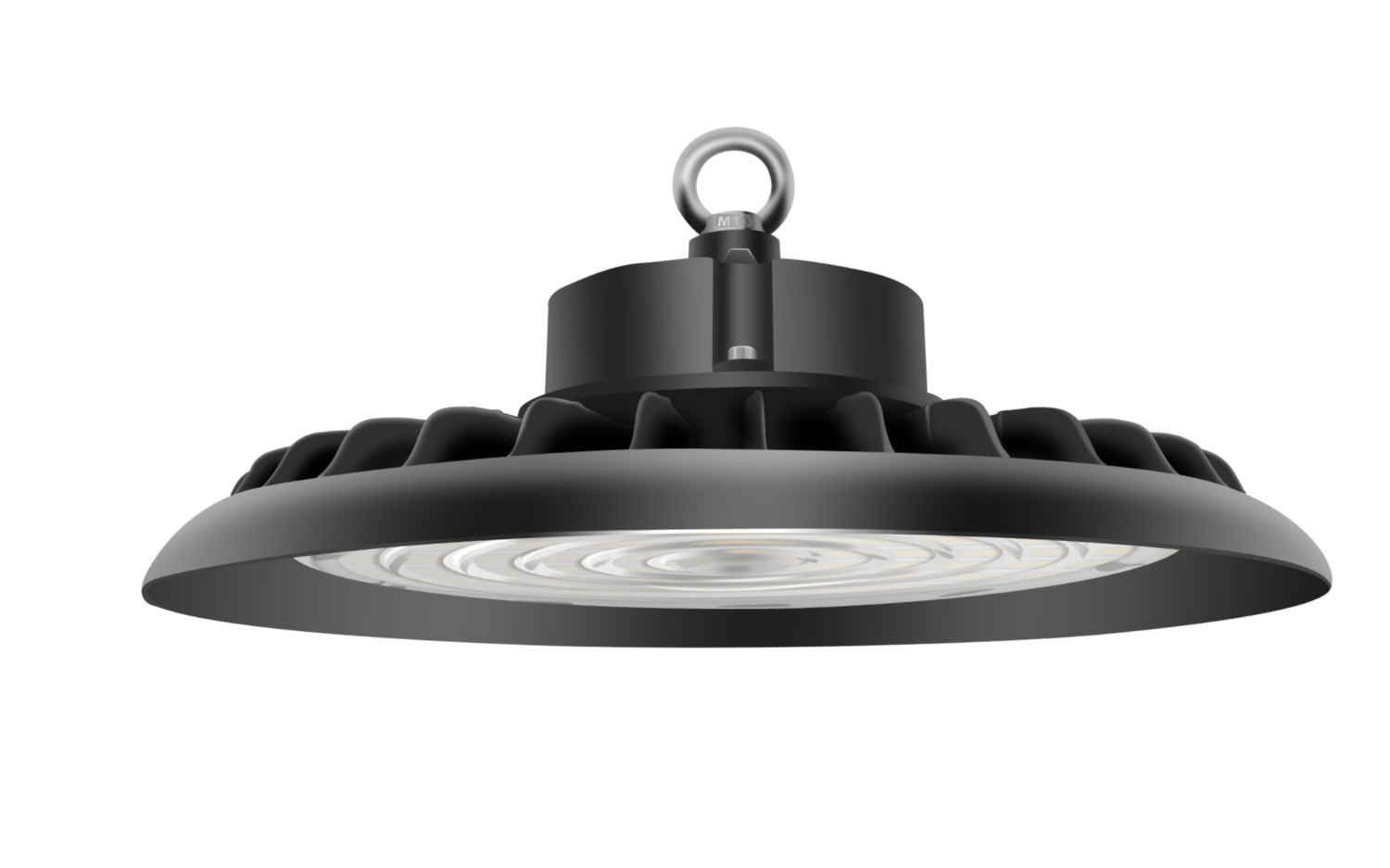
If you’re mixing legacy and new tech, you’ll need translators or gateways. CAE’s high bay systems can be patched in using SNMP for real-time luminance control.
Smart Lighting as a Data Source
- Always on unless automated
- Generate passive heat load
- Easy to retrofit with motion + daylight sensors
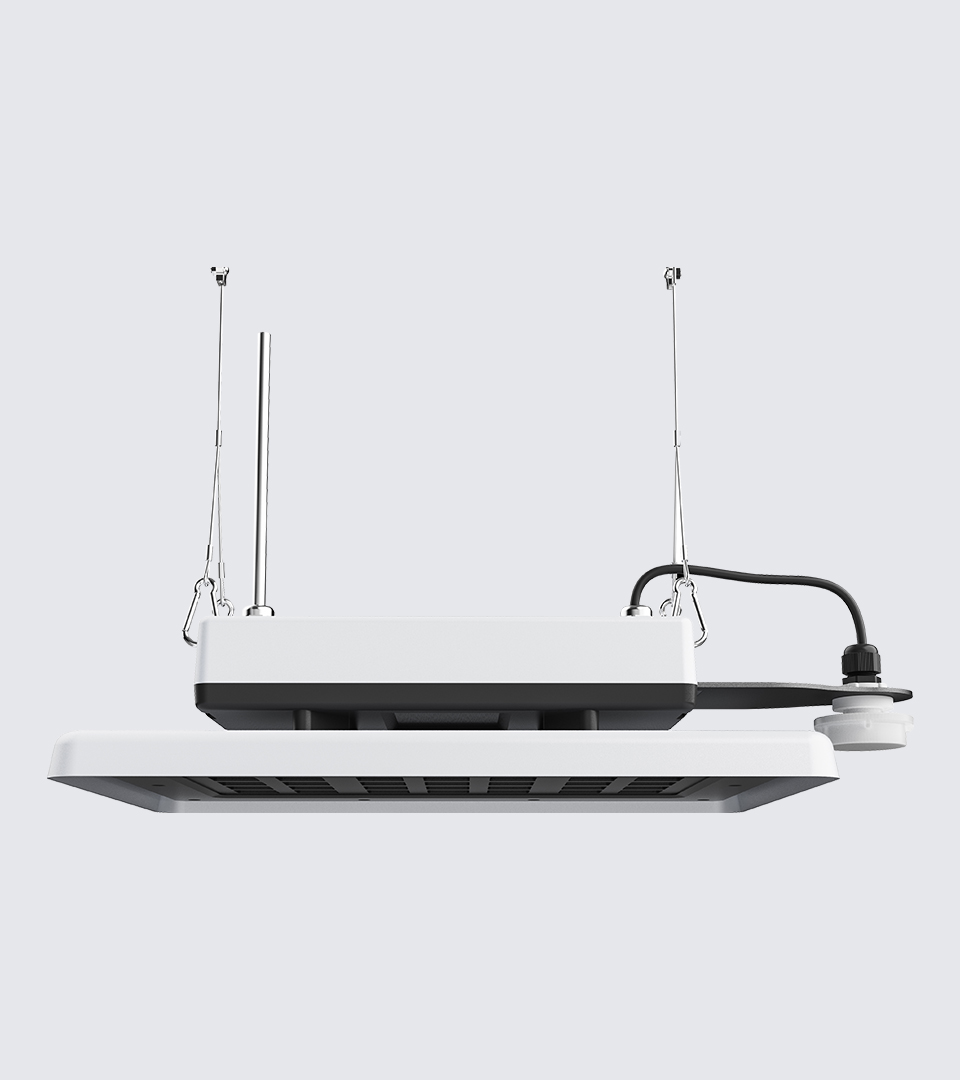
CAE Lighting’s Squarebeam Elite units have integrated sensor kits and Zigbee/Bluetooth mesh. In one Johor data hall, switching to sensor-controlled lighting dropped energy draw by 12% in hot aisles.

How to Normalize Lighting + HVAC + Power Data
- Standardize timestamps across sources
- Map device IDs to physical zones (rack rows, CRACs)
- Apply conversion factors to unify units (kWh, BTUs, lumens)
Use open-source ETL tools or dashboard-native backends. Don’t hand-code this unless you like pain. CAE’s devices simplify this with pre-labeled device IDs and consistent SNMP schema.
Embedding in DCIM Platforms
Once lighting and energy data is normalized, push it into:
- Nlyte for visualization
- Cisco’s Nexus Dashboard for anomaly tracking
- Homegrown Grafana panels with REST inputs
We’ve used CAE’s API endpoints to send lux, occupancy, and wattage into Grafana, aligning lighting with server load and HVAC cycles. When correlated, the dashboard revealed cold spots—exactly where old lights were burning 24/7 with no activity.
FAQs: Energy Dashboards in Data Centers
What’s the ROI on dashboard integration?
Depends on your baseline, but lighting + HVAC control can yield 10–25% savings annually.
Can I integrate CAE Lighting with my current dashboard?
Yes—SNMP, Modbus, and REST options are available for most CAE luminaires.
Do I need to replace all fixtures?
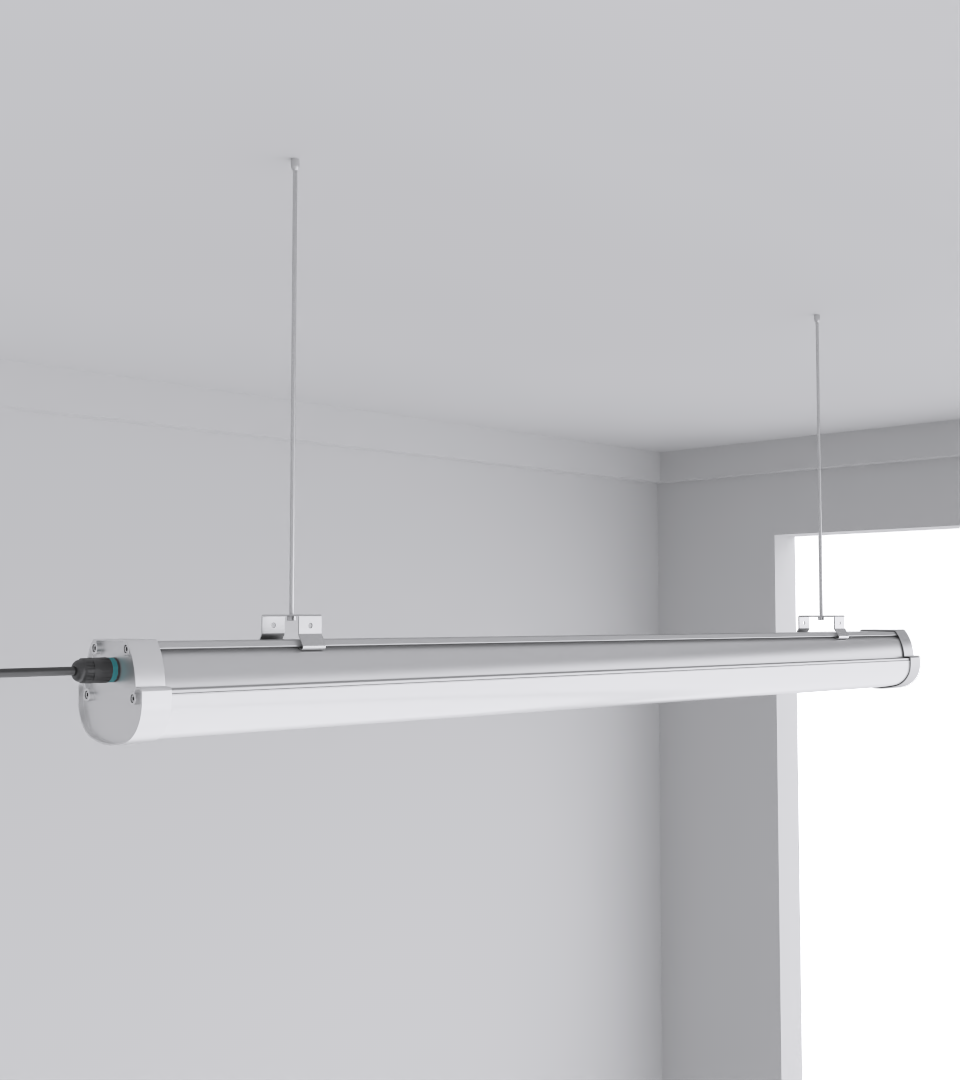
No. Retrofit sensor modules can be added to existing CAE battens and high bays.
What if I have old BMS infrastructure?
CAE systems can bridge into legacy BMS via RS485 or gateway-based Modbus.
Where do I start?
Start with your largest lighting zone. Pilot with CAE’s Squarebeam or SeamLine products in one high-traffic area and connect via SNMP to your monitoring tool.