
Identifying and Mitigating Toxic Materials in Legacy Data Center Fixtures: A Comprehensive Guide to Compliance, Safety, and Sustainable Upgrades
Key Takeaways
| Feature or Topic | Summary |
|---|---|
| Toxic Materials in Older Fixtures | Older data center fixtures may contain hazardous materials like PCBs, lead, and mercury, posing health and environmental risks. |
| Health and Environmental Risks | Exposure to these toxins can lead to serious health issues, including neurological damage and cancer, as well as environmental contamination. |
| Regulatory Compliance | Data center operators must comply with regulations such as TSCA and RCRA to safely dispose of hazardous materials. |
| Sustainable Solutions | Upgrading to energy-efficient, non-toxic LED fixtures can reduce the risks associated with older lighting systems. |
Toxic Materials in Older Data Center Fixtures: Risks, Regulations, and Sustainable Solutions
Data centers are the backbone of modern digital infrastructure, housing vast amounts of sensitive equipment that keeps the world connected. However, older fixtures in these data centers can be hazardous, often containing toxic materials like polychlorinated biphenyls (PCBs), lead, mercury, and flame retardants. These substances, when not managed properly, can pose significant risks to both human health and the environment.
In this article, we’ll take a deep dive into the risks associated with toxic materials in older fixtures, explore key regulations and compliance standards, and offer sustainable solutions for replacing outdated equipment in data centers.
Understanding Toxic Materials in Older Fixtures
Older lighting and electrical fixtures in data centers often contain toxic materials, some of which have been banned or regulated due to their hazardous nature. These materials can be found in a variety of components such as fluorescent ballasts, wiring, insulation, and switches. Below are some common contaminants:
- Polychlorinated Biphenyls (PCBs): Commonly found in older ballasts, PCBs can cause skin irritation and are carcinogenic.
- Lead: Present in some solder joints and circuit boards, lead exposure can lead to neurological damage.
- Mercury: Found in older fluorescent lights, mercury is toxic to the nervous system.
- Cadmium: Used in some batteries and coatings, cadmium can be a health hazard and cause environmental damage.
- Flame Retardants: Used in wires and cables, some flame retardants are linked to cancer and hormone disruption.
These materials are typically found in older equipment that may still be in use, meaning that facilities could unknowingly expose workers and the environment to harmful substances.
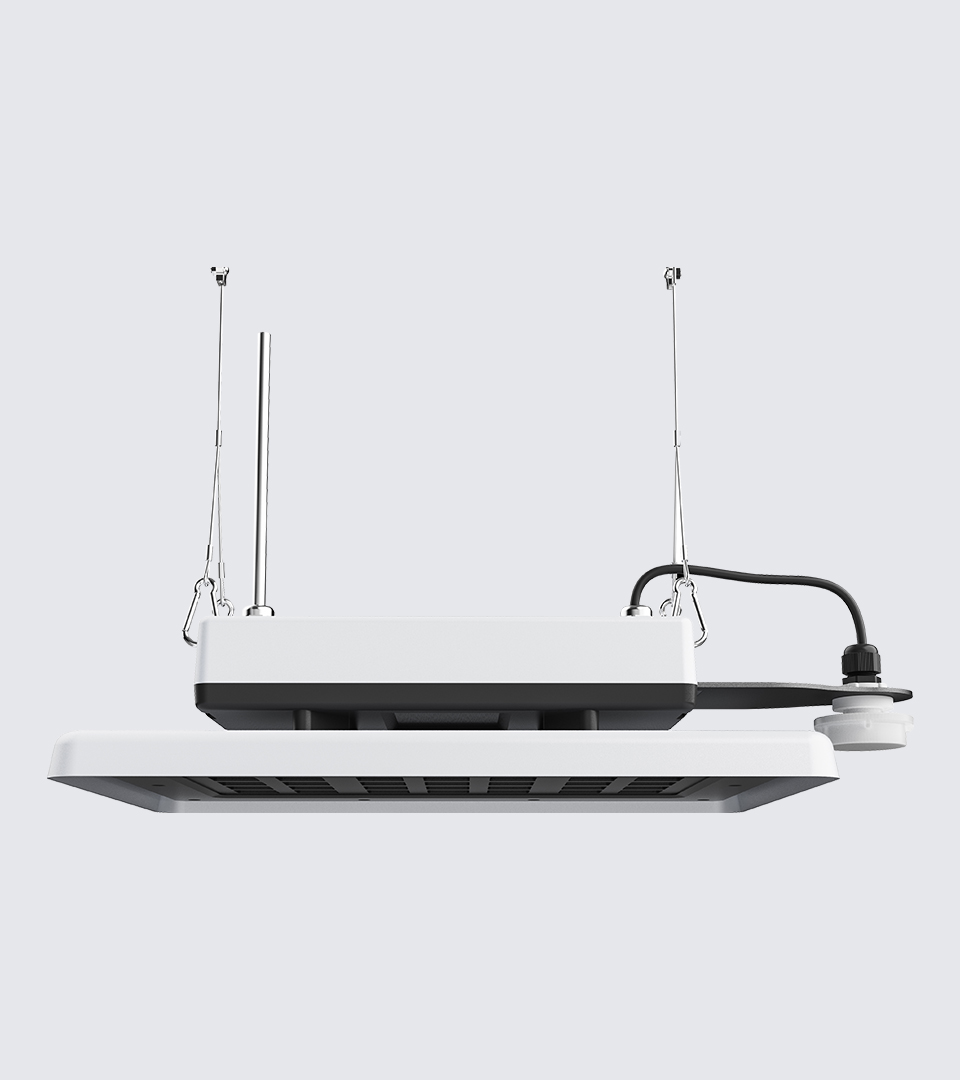
For more details, click to visit the SquareBeam Elite Product Details Page.
Health and Environmental Risks
The risks associated with these toxic materials are not limited to immediate health concerns. Long-term exposure can lead to chronic illnesses and environmental contamination. Here’s a breakdown of the impacts:
Health Risks
- Neurological Damage: Lead and mercury exposure can affect the brain, leading to developmental delays in children and cognitive issues in adults.
- Cancer: PCBs are classified as probable human carcinogens, and prolonged exposure can lead to various cancers, especially in the liver.
- Reproductive Toxicity: Some flame retardants have been shown to affect reproductive health and hormone levels.
Environmental Impact
Improper disposal of old fixtures can result in toxic materials leaching into the soil and groundwater. Mercury, for example, is a neurotoxin that can contaminate water sources, affecting both ecosystems and communities.
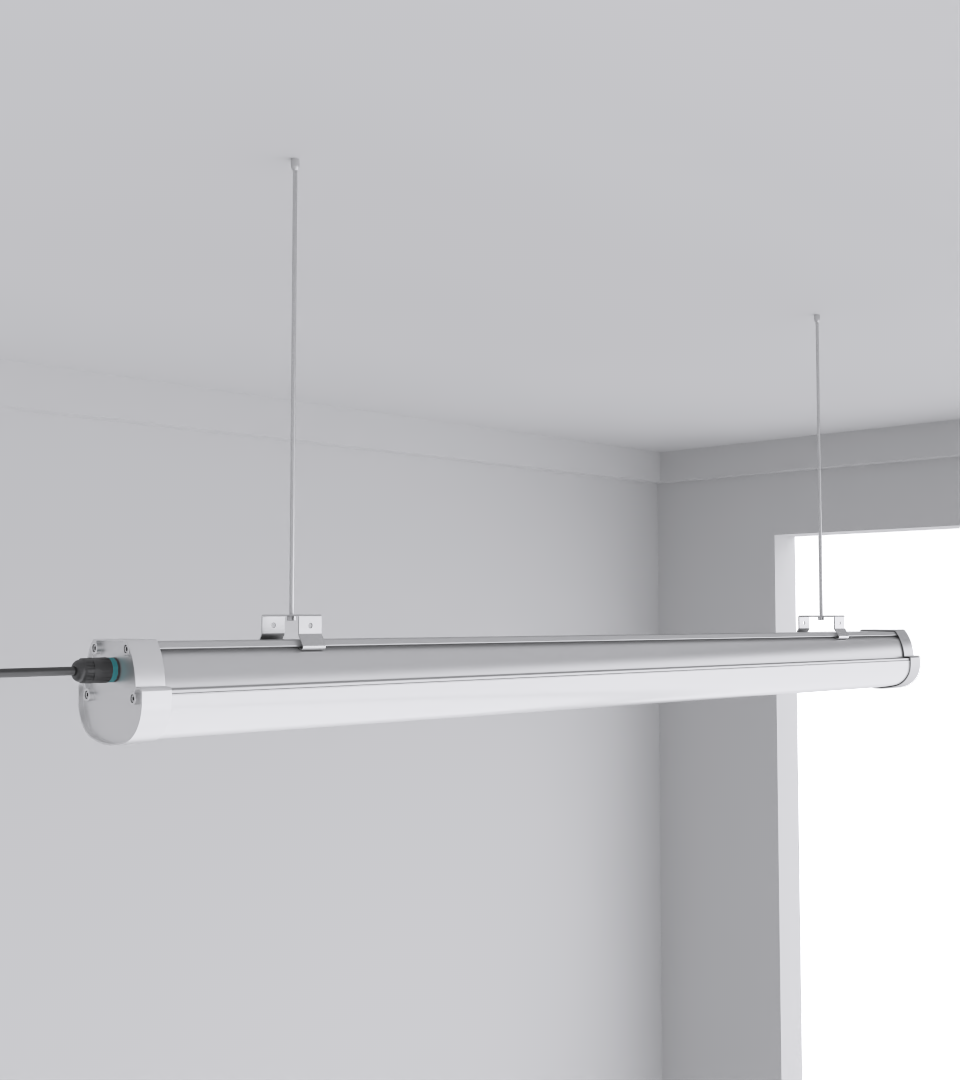
For more details, click to visit the Quattro Triproof Batten Product Details Page.
Regulatory Landscape
In the United States and many other countries, there are strict regulations governing the use and disposal of toxic substances. The Toxic Substances Control Act (TSCA) is one of the primary regulations that data centers need to follow when dealing with hazardous materials in older fixtures. Here are some key regulations and compliance requirements:
Key Regulations
- Toxic Substances Control Act (TSCA): Requires companies to identify and manage hazardous materials like PCBs in electrical equipment.
- Resource Conservation and Recovery Act (RCRA): Governs the disposal of hazardous waste, including materials found in old lighting and electrical fixtures.
- The Waste Electrical and Electronic Equipment (WEEE) Directive: In the EU, this directive regulates the disposal and recycling of electrical and electronic equipment.
Compliance Requirements
Data center operators must ensure that any hazardous materials are disposed of by certified recyclers. This involves working with IT asset disposition (ITAD) specialists and ensuring compliance with all local and international laws regarding waste handling.
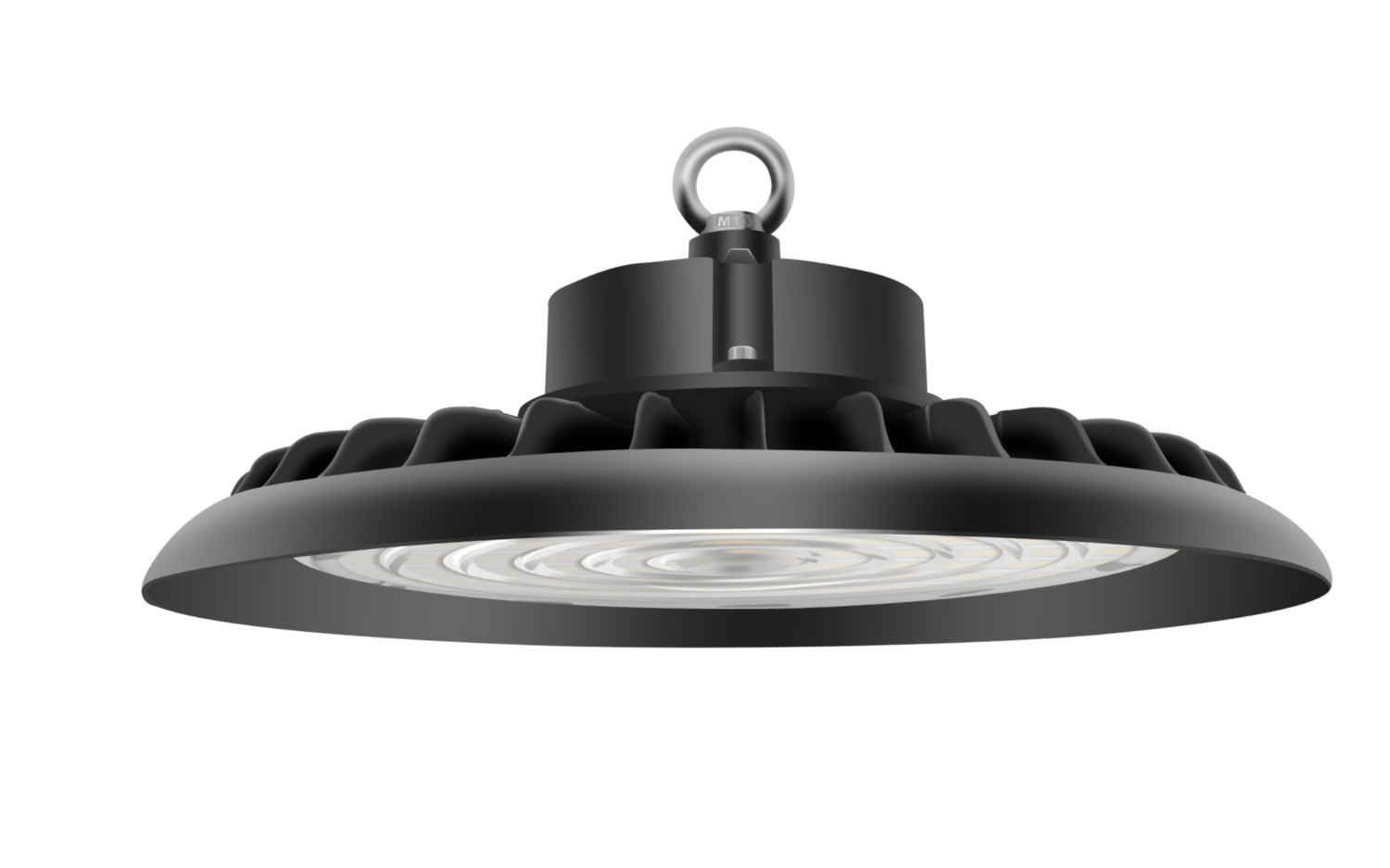
For more details, click to visit the Budget High Bay Light Product Details Page.
Identifying Hazardous Fixtures
Not all older fixtures contain toxic materials, but there are some clear indicators that can help data center managers spot potential hazards:
Inspection Techniques
- Visual Inspections: Check for signs of corrosion or aging in fluorescent ballasts, which may indicate the presence of PCBs.
- Lab Testing: For fixtures suspected of containing toxic materials, laboratory testing can confirm the presence of lead, mercury, or PCBs.
- Documentation: Keep track of the manufacturing dates and component specifications of lighting and electrical equipment. Equipment older than 30 years is more likely to contain hazardous substances.
Red Flags
- Ballast Humming or Leakage: Older fluorescent fixtures often leak oil if the ballast is damaged.
- Unusual Wear on Wiring: If cables or insulation are showing cracks or wear, there’s a risk of exposure to hazardous materials like flame retardants.

For more details, click to visit the SeamLine Batten Product Details Page.
Safe Handling and Removal
Once hazardous fixtures are identified, the next step is to remove them safely. Here are some best practices:
Best Practices
- Proper Labeling: Clearly mark hazardous fixtures to alert workers during removal.
- Containment: Use proper containment methods to prevent the spread of toxic materials during removal.
- Certified Recyclers: Partner with certified hazardous material disposal companies that specialize in handling electronics and lighting.
Personal Protective Equipment (PPE)
Workers should be equipped with gloves, respirators, and protective eyewear when handling old fixtures to minimize exposure to harmful substances.
Sustainable Replacement Options
One of the best ways to address the risks of toxic materials in older fixtures is by replacing them with modern, energy-efficient LED fixtures. These newer models are not only safer but also offer numerous environmental and economic benefits:
- Non-toxic Components: Modern LED fixtures do not contain toxic materials like lead or mercury.
- Energy Efficiency: LED lighting consumes significantly less energy, reducing operational costs and carbon footprint.
- Longer Lifespan: LEDs last longer than traditional fixtures, reducing the need for frequent replacements and waste.
Case Studies
Real-world case studies provide valuable lessons for data centers looking to mitigate the risks of toxic materials in older fixtures:
DHL Warehouse
In a major warehouse facility, toxic materials in outdated lighting systems led to a costly re-deployment of resources. By switching to energy-efficient SeamLine Battens, the facility reduced energy consumption by 30% and significantly decreased the potential for hazardous exposure.
Tech Facility
A large tech facility upgraded its entire lighting infrastructure with Squarebeam Elite fixtures. This not only eliminated the risks of toxic materials but also helped the facility meet its sustainability goals, improving overall lighting quality and safety.
Conclusion
Addressing the presence of toxic materials in older data center fixtures is critical for ensuring the health and safety of workers, as well as protecting the environment. By understanding the risks, staying compliant with regulations, and opting for eco-friendly lighting solutions, data centers can greatly reduce their exposure to these hazardous materials.
Call to Action
If you’re a data center manager or facility operator, it’s time to assess your existing lighting systems and make the switch to safer, more efficient solutions. Consider upgrading to products like the Squarebeam Elite or SeamLine Batten to enhance both safety and sustainability.
Frequently Asked Questions (FAQ)
Q: What toxic materials are commonly found in older data center fixtures?
A: Older fixtures may contain PCBs, lead, mercury, and flame retardants, which are hazardous to human health and the environment.
Q: How can I identify if a fixture contains toxic materials?
A: Look for signs of aging, such as cracked insulation or leaking ballasts, and consider laboratory testing for confirmation.
Q: What regulations govern the disposal of toxic materials in data centers?
A: The Toxic Substances Control Act (TSCA) and Resource Conservation and Recovery Act (RCRA) provide guidelines for handling and disposing of hazardous materials.
Q: How can I replace outdated fixtures with sustainable options?
A: Consider upgrading to modern, energy-efficient LED fixtures that are free of toxic materials and provide significant cost savings.