Integrating Renewable Energy in Data Centers: A Technical Guide for Scalable Deployment
–
- Understanding the Energy Demand and Sustainability Pressure
- Types of Renewable Sources Powering Today’s Facilities
- On-Site Generation vs. Power Purchase Agreements (PPAs)
- Energy Storage: What Actually Works?
- The Role of Smart Microgrids
- Metrics That Matter for Tracking Renewable Use
- Integration Challenges (And Real Workarounds)
- A Practical Roadmap to Start Integrating Renewables
- Frequently Asked Questions (FAQ)
Key Takeaways
| Feature or Topic | Summary |
|---|---|
| Integration Benefits | Energy savings, streamlined operations, enhanced monitoring, and predictive maintenance. |
| Key Protocols | BACnet, Modbus, SNMP ensure interoperability. |
| Implementation Strategies | Assess existing infrastructure, select compatible systems, phased deployment recommended. |
| Operational Advantages | Reduced downtime, improved safety, occupant comfort, and significant sustainability contributions. |
1. Understanding the Energy Demand and Sustainability Pressure
Data centers are ravenous energy consumers. In 2022, they pulled approximately 460 terawatt-hours (TWh) globally. That number’s set to double by 2026, per Utility Dive. Operators are now under mounting pressure — from governments, investors, and the public — to decarbonize.

- Regulatory deadlines from the EU, U.S. DOE, and others.
- Corporate sustainability targets (Scope 1, 2, and 3 emissions).
- Investor pressure on ESG metrics.
Explore CAE Lighting’s data center offerings
2. Types of Renewable Sources Powering Today’s Facilities
It’s not just about solar panels anymore. Operators now combine multiple energy sources:
- Solar PV (on rooftops, carports, or ground-mounted)
- Wind turbines — especially vertical-axis in compact areas
- Hydropower — mostly for rural/mountain regions
- Geothermal for stable heat exchange (especially in AHUs)
- Biomass CHP in colder climates
- Emerging: Tidal, hydrogen, and micro nuclear
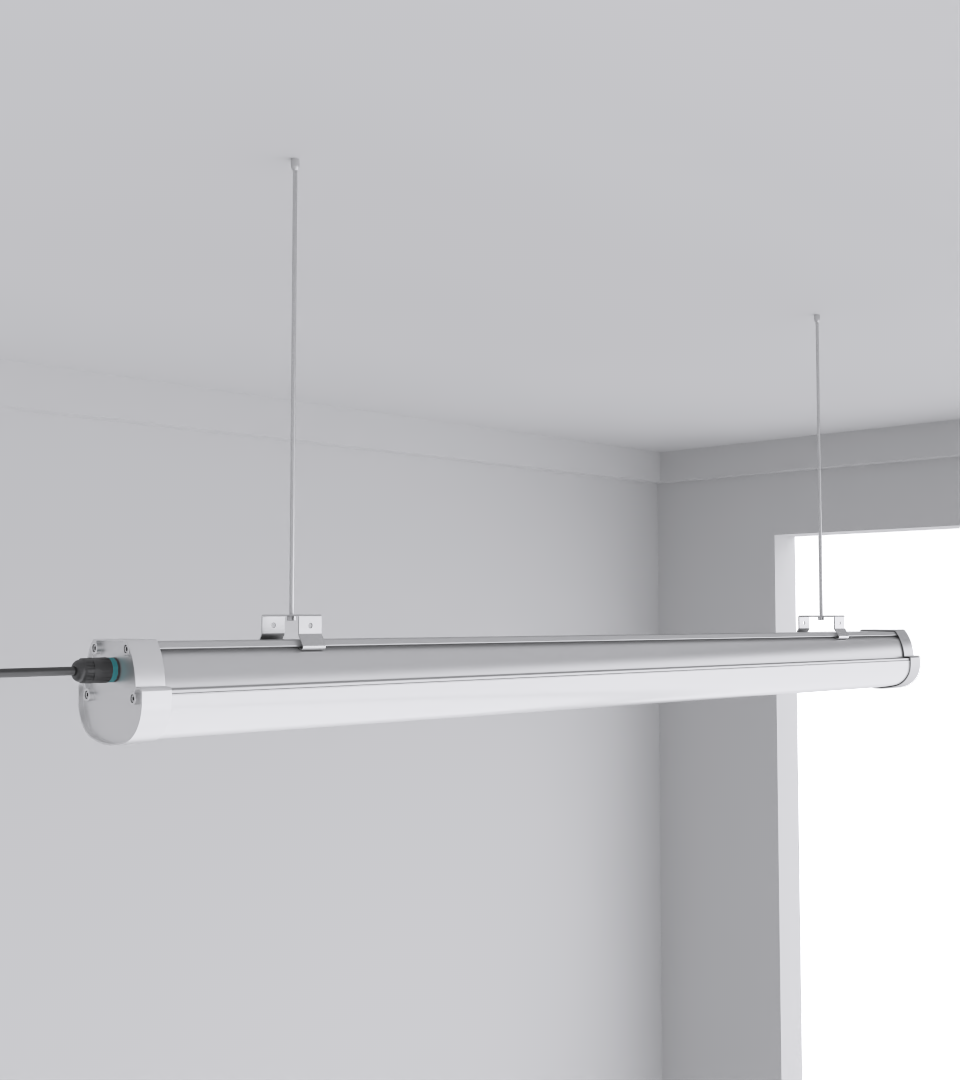
See SeamLine LED Batten in climate-controlled deployments
3. On-Site Generation vs. Power Purchase Agreements (PPAs)
Big players like Google often co-locate with renewable producers. Others prefer long-term PPAs with wind or solar farms. Each has trade-offs:
| Approach | Pros | Cons |
|---|---|---|
| On-site | No transmission loss, branding win | High CapEx, space needed |
| PPA | Scalable, easier finance | Less control, regional limitations |
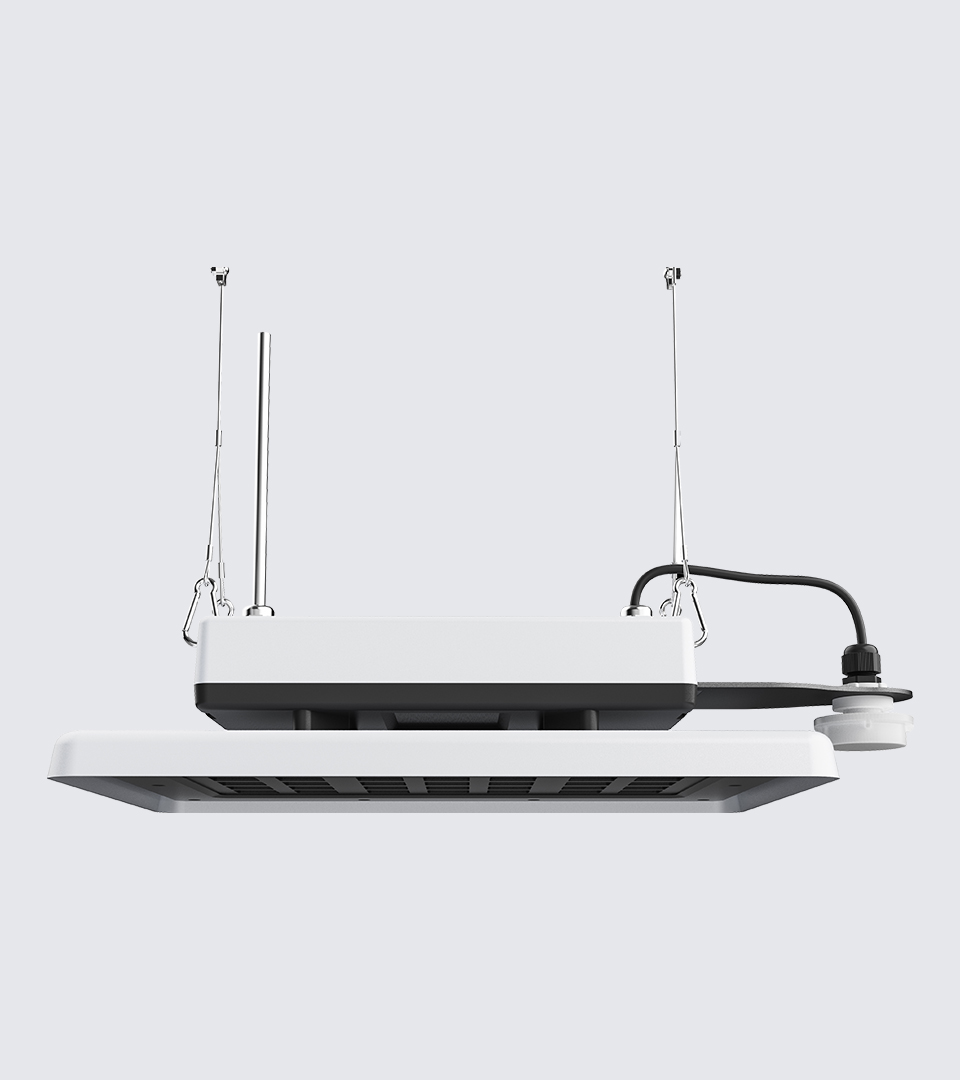
Squarebeam Elite enables safe lighting even near high-wattage installations.
4. Energy Storage: What Actually Works?
Without storage, renewables hit a wall during overcast days or peak load surges.
- Battery Energy Storage Systems (BESS) – often lithium-ion or flow batteries
- Thermal storage – like Exowatt’s modules
- Hybrid storage – gas backup + batteries (especially in APAC)
Tip from experience: Ensure your cooling systems and emergency lighting (like motion-activated LEDs) are tied to battery backup.
Read CAE’s emergency lighting guide
5. The Role of Smart Microgrids
Microgrids give data centers local autonomy. With smart switching, they can “island” from the main grid when needed.
- Local generation (solar, gas, etc.)
- Battery storage
- Grid interface tech (e.g., dynamic line rating)
Contact CAE Lighting for system-specific advice
6. Metrics That Matter for Tracking Renewable Use
- REF (Renewable Energy Factor)
- PUE — power usage effectiveness
- CUE — carbon usage effectiveness
- Scope 1–3 Emissions
- LCA (Life Cycle Assessment)
Read: Data Center Lighting’s Next Frontier
7. Integration Challenges (And Real Workarounds)
- Use rooftops + carports + shade canopies for solar layering
- Start with lower CapEx geothermal or biomass before full PV
- Partner with utilities early to get favorable interconnect terms
- Avoid cheap fixtures with poor IP ratings — downtime is expensive
Why CAE uses ISO-certified manufacturing
8. A Practical Roadmap to Start Integrating Renewables
- Conduct an audit of current energy use
- Identify viable generation sources for your region
- Run ROI projections with CapEx/OpEx models
- Design integration, including lighting and cooling retrofits
- Deploy in phases, starting with most cost-effective tech
- Monitor via REF and PUE dashboards
Get in touch with CAE for spec sheet assistance
Frequently Asked Questions (FAQs)
How do data centers use geothermal energy?
Geothermal is used via heat pumps that support heating/cooling loops, especially useful in climates with stable ground temps.
What’s the difference between PUE and REF?
PUE measures energy efficiency, while REF measures renewable energy contribution.
Can you retrofit an old data center for renewable integration?
Yes — through a mix of LED retrofits, battery-backed lighting, modular solar, and rooftop redesign.
What is the biggest barrier to solar in data centers?
Space constraints and interconnection delays are the two major issues.
Which lighting products are best for high-temperature server environments?
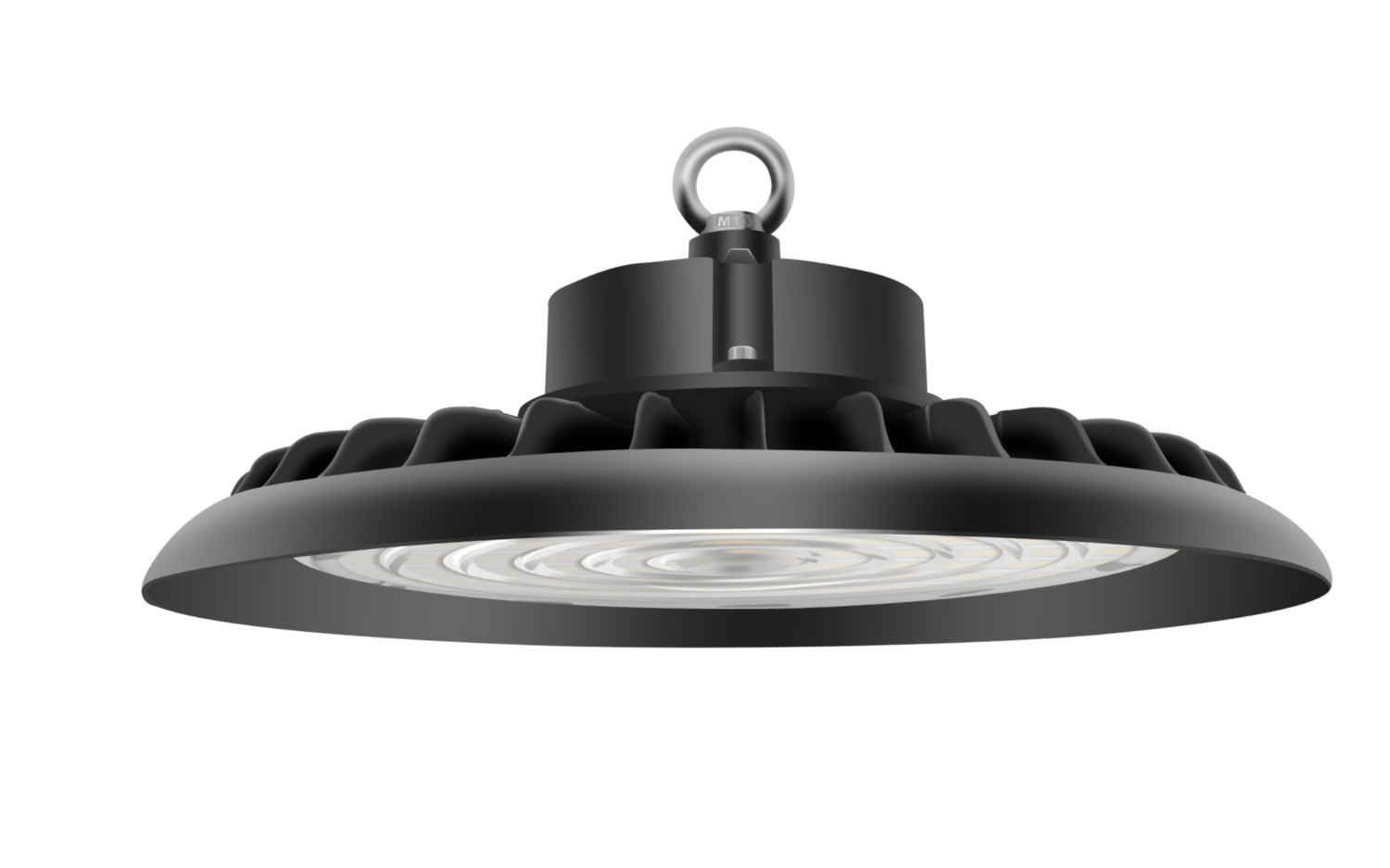
Squarebeam Elite and Quattro Triproof are engineered for thermal efficiency and low maintenance.