IoT Lighting Control in Data Centers: Protocols, Integration Strategies, and Energy Efficiency Gains
- Why Lighting Matters in Data Centers
- What IoT Lighting Control Actually Means
- How Smart Lighting Reduces Energy Waste
- Safety, Visibility & Workflow Improvements
- Integration with BMS and Control Platforms
- Cybersecurity in IoT Lighting
- Case Study: Energy ROI with CAE Systems
- Final Considerations: What to Ask Before Deploying
- Frequently Asked Questions (FAQ)
Key Takeaways
| Feature or Topic | Summary |
|---|---|
| Integration Benefits | Energy savings, streamlined operations, enhanced monitoring, and predictive maintenance. |
| Key Protocols | BACnet, Modbus, SNMP ensure interoperability. |
| Implementation Strategies | Assess existing infrastructure, select compatible systems, phased deployment recommended. |
| Operational Advantages | Reduced downtime, improved safety, occupant comfort, and significant sustainability contributions. |
Why Lighting Matters in Data Centers
Data centers aren’t just filled with humming servers and endless racks. They’re workplaces. People walk those aisles, do maintenance, and troubleshoot equipment. So lighting isn’t an afterthought — it’s critical.
- Inadequate lighting = slower repairs, more errors, more risk
- Over-lighting = wasted energy, excess heat
Smart lighting systems using IoT controls bridge this gap. And in large facilities — hyperscale or edge — the gains aren’t minor.
What IoT Lighting Control Actually Means
IoT lighting control goes far beyond motion sensors:
- Real-time feedback from occupancy and daylight sensors
- Programmable scenes triggered by schedules or user actions
- Remote access through apps or centralized dashboards
- Data logging for diagnostics and audits
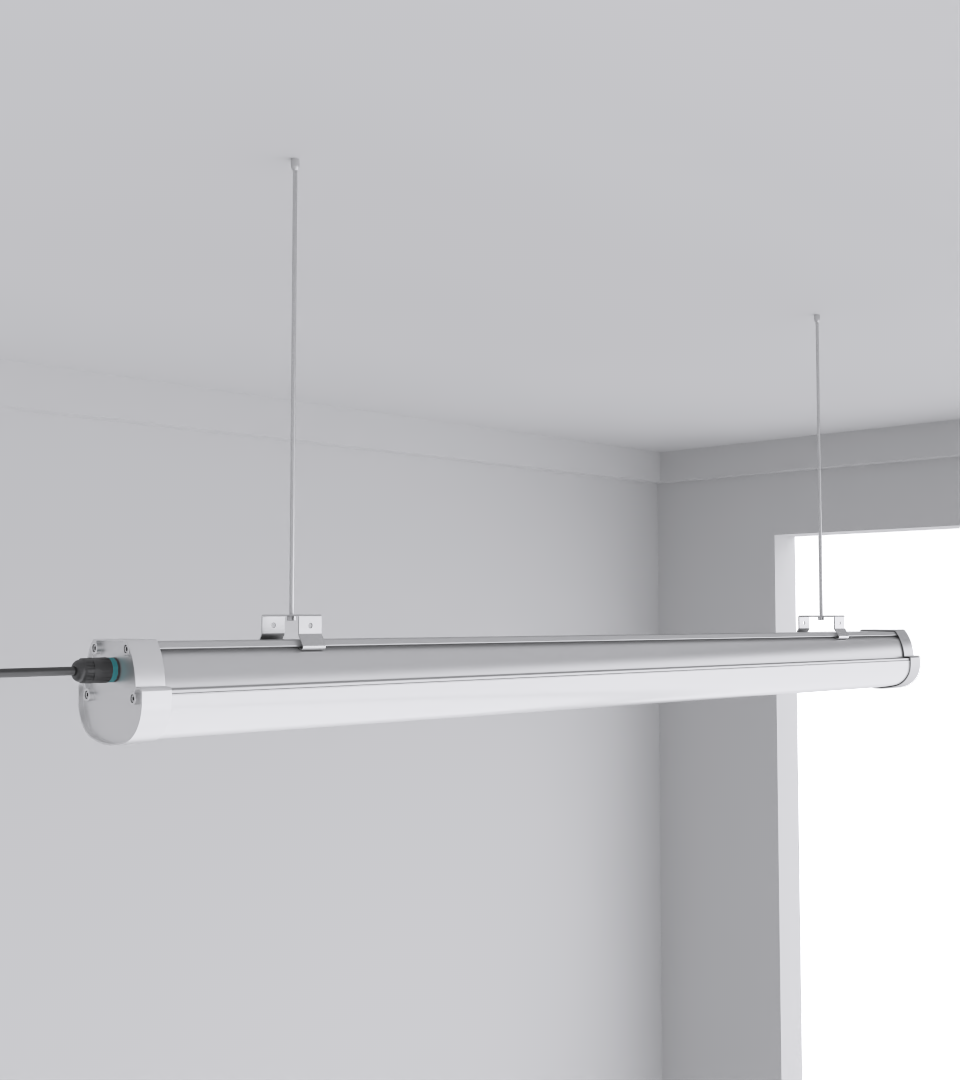
CAE Lighting’s Quattro Triproof Batten is a good example: rugged, IP-rated, and built to integrate into smart systems.
How Smart Lighting Reduces Energy Waste
Data centers use 10–50× more electricity than office buildings. Lighting alone can account for 5–10% of that, especially in high-bay or full-access facilities.
IoT-enabled systems reduce waste by:
- Turning lights off when zones are unoccupied
- Dimming based on natural daylight presence
- Grouping lights into logical zones instead of static circuits
| Feature | Energy Saving Impact |
|---|---|
| Motion sensors | ~30% |
| Daylight sensors | ~20% |
| Zone-based scheduling | ~10–30% |
Safety, Visibility & Workflow Improvements
From an operational standpoint, lighting affects:
- Worker accuracy when checking serials or ports
- Emergency navigation during outages
- Alertness in overnight shifts (circadian rhythm-aware lighting)
One overlooked trick: using adjustable Kelvin outputs (like 5000K for alertness vs 3000K for calmness) can increase productivity without altering luminance levels.
Integration with BMS and Control Platforms
No one wants another siloed system. Modern data center lighting must integrate with:
- BMS/SCADA dashboards
- Access control & fire systems
- Energy monitoring software
CAE’s SeamLine Batten supports wireless integration via Zigbee or BLE Mesh — perfect for retrofit without trenching cable.

Cybersecurity in IoT Lighting
Every node you add is a possible vulnerability. Key security steps:
- Use encrypted communication protocols
- Keep firmware regularly updated
- Segment lighting controls from core network
CAE Lighting’s systems comply with ISO 27001-aligned practices, adding peace of mind without adding manual workload.
Case Study: Energy ROI with CAE Systems
In a Malaysian data center retrofit project:
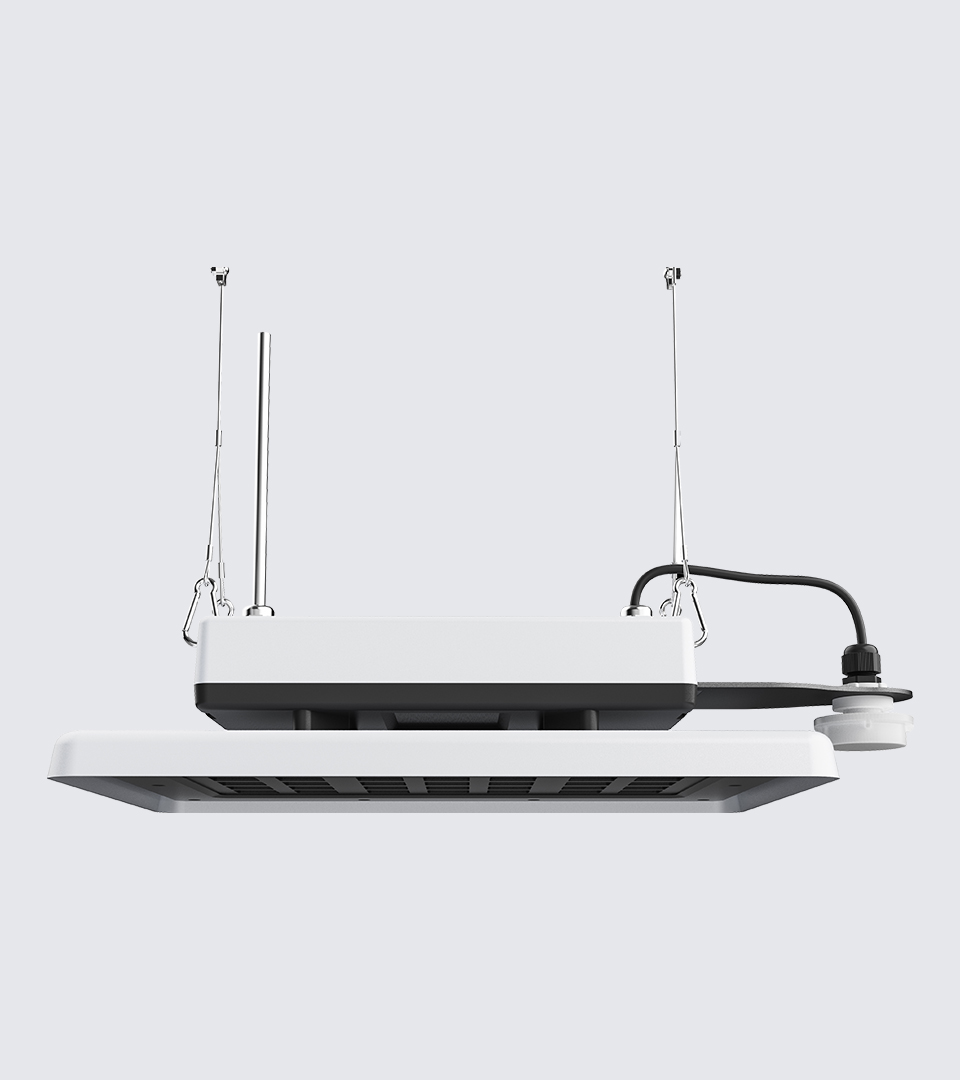
- Replaced 600 legacy fluorescents with Squarebeam Elite
- Enabled occupancy-based dimming
- Reduced lighting energy by 42%
- Maintenance team reported zero failures in 14 months
They also used thermal-rated casings to avoid lumen drop-off due to overheating.
Final Considerations: What to Ask Before Deploying
- ✅ Is your BMS or EMS compatible with Zigbee, DALI-2, or BLE Mesh?
- ✅ Are your luminaires IP-rated and thermally protected?
- ✅ Is cybersecurity built in — not an add-on?
- ✅ Are real clients using it in similar facilities?

Frequently Asked Questions (FAQ)
How much can IoT lighting save in a data center?
Typically between 30–80% of lighting-related energy use, depending on configuration and usage patterns.
What’s the best protocol: Zigbee, Bluetooth Mesh, or DALI-2?
Each has its use:
– Zigbee: Good for mesh coverage and scalability
– BLE Mesh: Simple, low-energy installations
– DALI-2: Best for advanced programmable control in wired setups
Are smart lights secure?
Yes — if installed properly. Use encrypted networks, separate VLANs, and update firmware regularly.
Can IoT lighting integrate with fire or access systems?
Yes. Most professional-grade systems support cross-integration via gateways or open standards.
What products are commonly used?
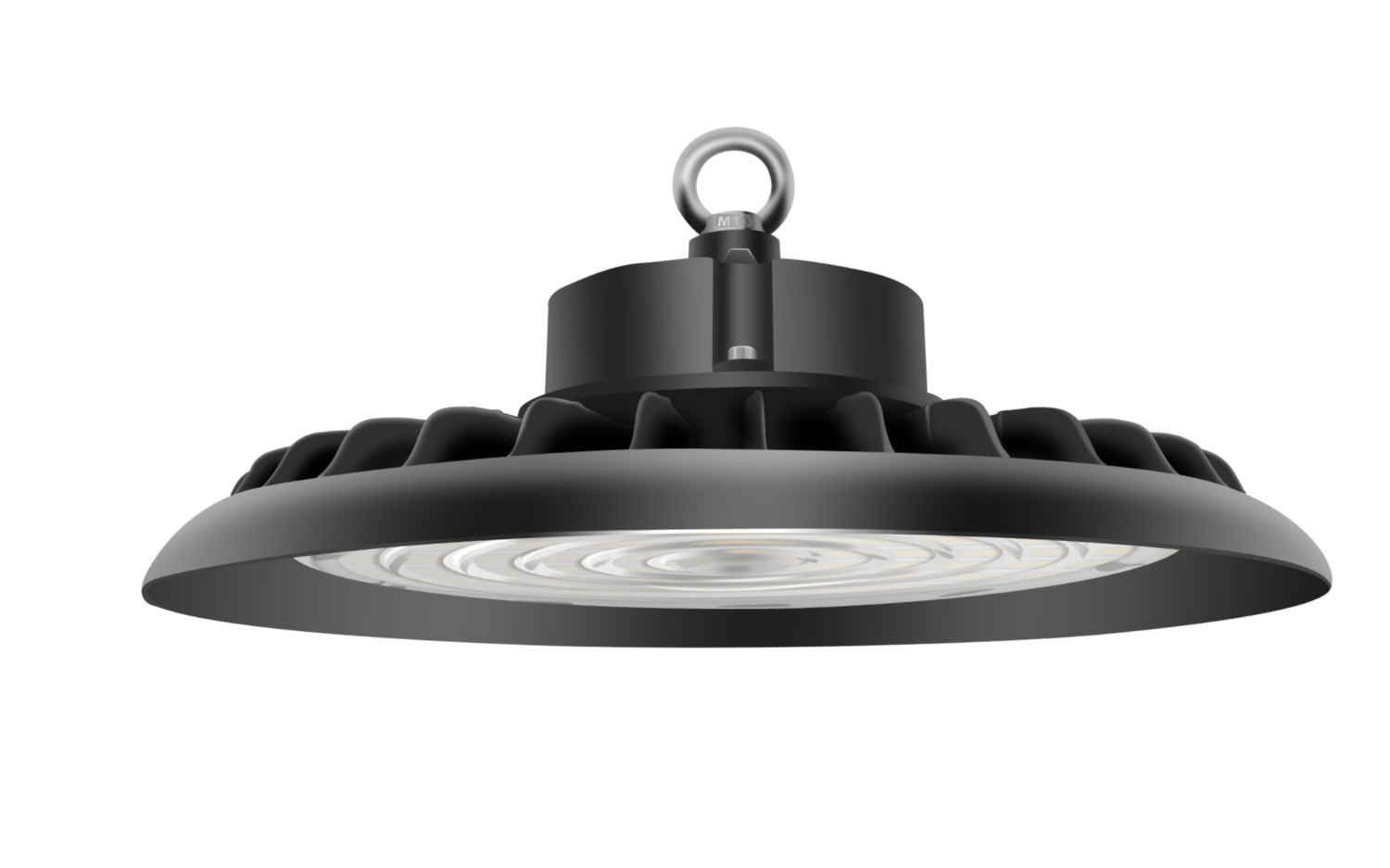
Squarebeam Elite, Quattro Triproof Batten, and SeamLine Batten are commonly deployed in server environments.
Contact CAE Lighting directly for sample kits or zone maps.