Lighting Compliance for Data Centers: Your 2025 Reference to IEC & ANSI Standards
- Why Lighting Standards Matter in Data Centers
- IEC vs ANSI: Two Systems, One Goal
- Key IEC Standards Used in Lighting Infrastructure
- ANSI and IES Standards for Data Center Lighting
- Design Parameters You Should Never Skip
- Integrating Smart Control and Reducing Energy Waste
- Field Implementation: Lessons That Stick
- Staying Compliant Across Facility Lifecycles
- FAQ: Overview of IEC and ANSI Standards in Data Centers
Key Takeaways
| Key Questions | Quick Answers |
|---|---|
| What are IEC and ANSI standards? | International and US lighting and safety regulations critical to data center lighting. |
| Why do data centers follow both? | To ensure cross-border compliance, safety, and performance consistency. |
| Which standards apply to luminaires? | IEC 60598-1, ANSI C136, and ANSI/IES RP-29-16 are central. |
| How do CAE Lighting’s products align? | Engineered for IEC and ANSI compliance — e.g., Squarebeam Elite, Quattro Triproof Batten. |
| What are the best practices for implementation? | Design for compliance upfront, validate during install, audit continuously. |
1. Why Lighting Standards Matter in Data Centers
Lighting in data centers does far more than illuminate racks. It keeps technicians safe, reduces human error, supports surveillance systems, and limits heat output. But here’s the rub: lighting that isn’t compliant doesn’t just risk safety — it can void insurance policies and delay inspections.
In Malaysia and Thailand, we’ve seen facility approvals fail simply due to missing emergency light specs or incorrect beam spread in fire exit corridors. That’s where standards like IEC 60598 and ANSI/IES RP-29-16 step in.
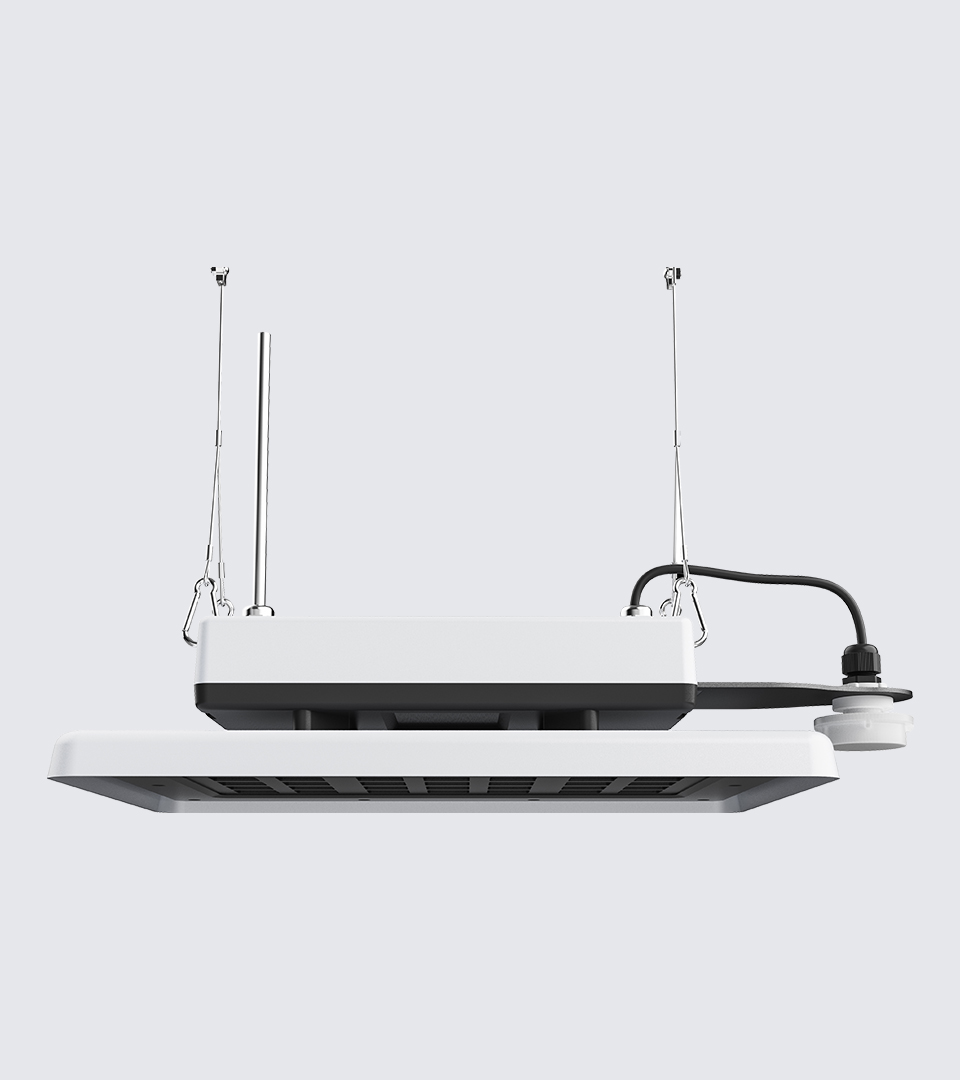
CAE Lighting’s Squarebeam Elite is one example of a luminaire purpose-built with these standards in mind — offering high uniformity and passive thermal design that aligns with both IEC and ANSI guidance for heat management and photometric distribution.
2. IEC vs ANSI: Two Systems, One Goal
The IEC (International Electrotechnical Commission) develops global electrotechnical standards. ANSI (American National Standards Institute) focuses on U.S. norms, often harmonized with IESNA and NEMA inputs. For lighting:
- IEC 60598 = Safety of luminaires
- ANSI C136 = Outdoor and area lighting
- ANSI/IES RP-29 = Lighting for industrial facilities
Main difference? ANSI tends to define performance and testing, while IEC zeroes in on structure and safety.
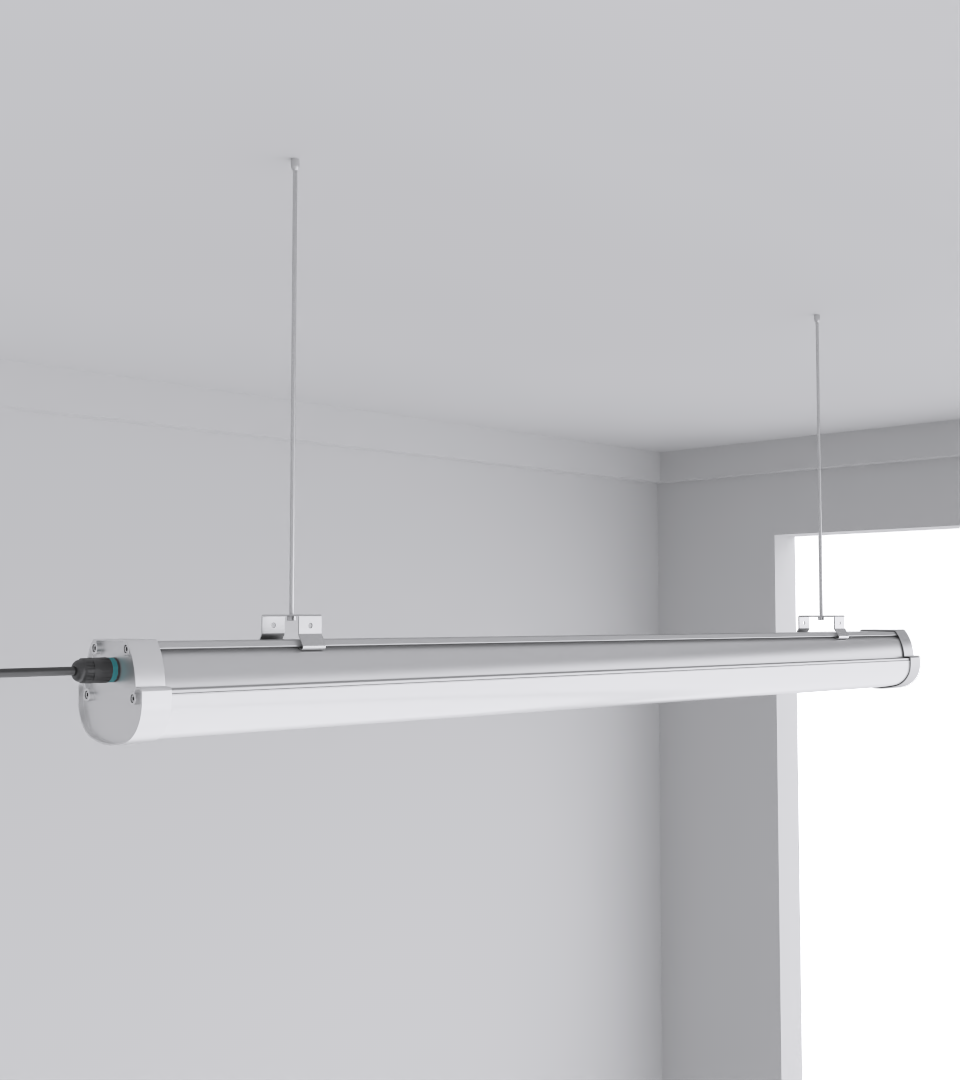
Products like Quattro Triproof Batten handle both scopes well, offering IP66 ingress protection (an IEC marker) and satisfying ANSI glare limits for horizontal installations.
3. Key IEC Standards Used in Lighting Infrastructure
You’ll often hear these tossed around on project calls, but they aren’t just checkboxes:
- IEC 60598-1: Luminaires’ construction, electrical safety, and thermal endurance.
- IEC 60364-7-718: Electrical installations in special locations — particularly for IT rooms.
- IEC 62443: Cybersecurity for automation and lighting control systems.
- IEC 60068-2-6: Resistance to vibration — critical in rack-adjacent fixtures.
Installers using CAE Lighting’s SeamLine Batten often choose it for exactly this reason — its extruded aluminum body provides compliance with mechanical durability requirements.

4. ANSI and IES Standards for Data Center Lighting
In U.S.-based or TIA-compliant facilities, ANSI is king. Here are a few:
- ANSI/IES RP-29-16: Illumination of Industrial Facilities — defines uniformity, vertical vs horizontal lighting, and UGR thresholds.
- ANSI/TIA-942: Full telecommunications infrastructure for data centers, including lighting guidance in areas such as hot/cold aisles and server zones.
- ANSI C136 Series: Performance specs for luminaires used in perimeters and site-wide areas.
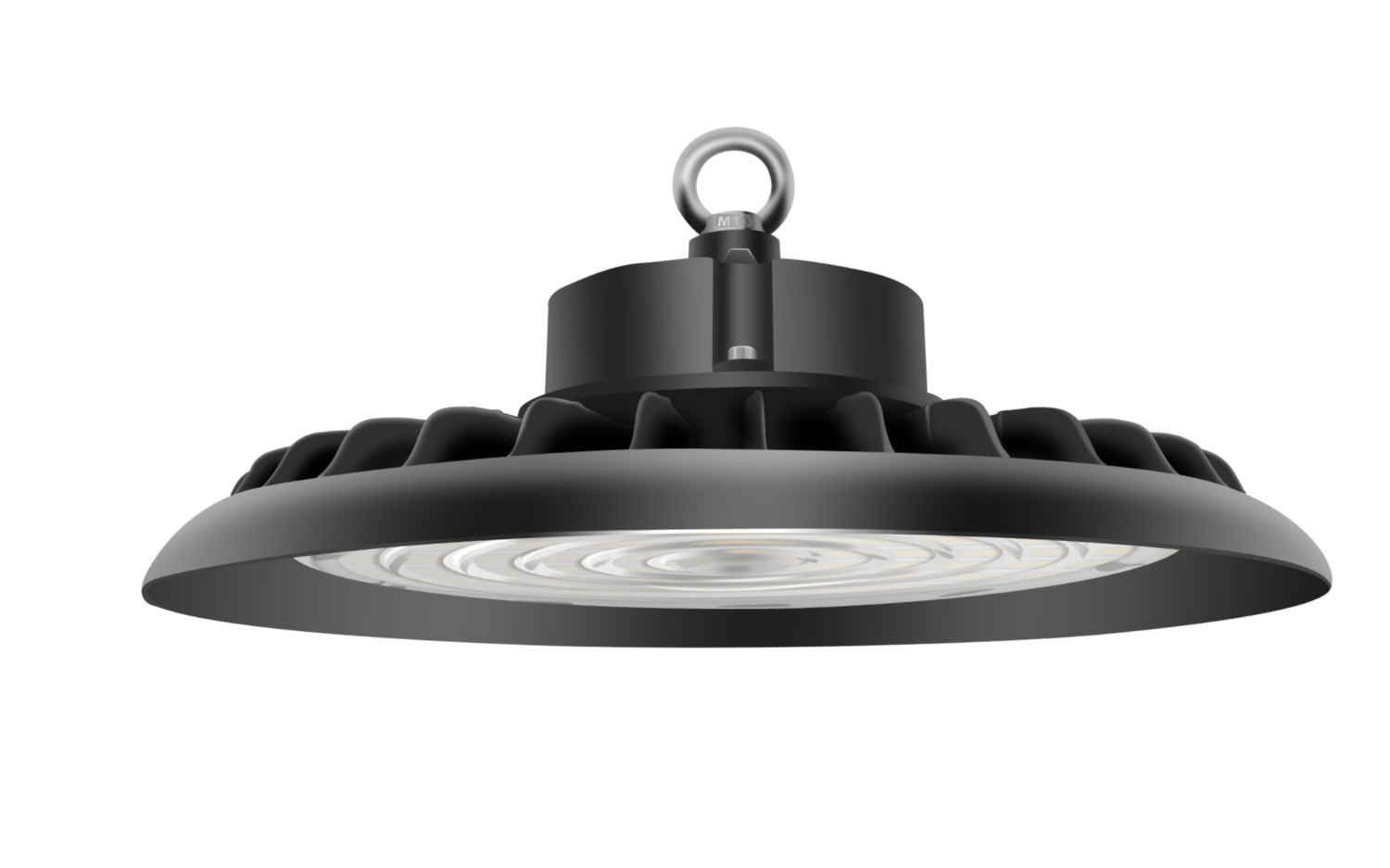
LED solutions like the Budget High Bay Light deliver value here, offering spec-grade output while staying well within ANSI-defined fixture limits for ceiling heights over 6m.
5. Design Parameters You Should Never Skip
Every project team we’ve worked with asks about lux levels. But that’s only the start. Here’s a simplified design checklist used by CAE Lighting consultants:
| Metric | Standard | Value |
|---|---|---|
| Minimum Illuminance | IES RP-29 | 300 lx |
| Uniformity Ratio | IEC 60598 | < 3:1 |
| Glare Rating (UGR) | ANSI/IES | ≤ 19 |
| Color Temp Recommendation | IEC/ANSI Hybrid | 4000K–5000K |
| CRI | IEC/ANSI Hybrid | ≥ 80 |
6. Integrating Smart Control and Reducing Energy Waste
Lighting standards don’t just affect compliance — they impact energy usage and automation readiness. Here’s where the lines blur into real savings:
- IEC 62386: Digital addressable lighting interface (DALI) standard.
- ANSI C137: Defines smart lighting protocols.
CAE Lighting supports smart upgrades like motion-detecting LED battens and photocell control modules — increasingly common in Tier III and Tier IV facilities in Southeast Asia.

7. Field Implementation: Lessons That Stick
Standards are great, but they mean little if ignored during install. We once audited a site in Selangor where lighting failed IP66 labelling — not because of the product, but poor end-capping.
Expert tip: Document your IP and impact resistance tests. Keep install heights and beam spreads in sync with what the photometric file recommends.
For reference: CAE Lighting offers downloadable IES files and product sheets for every model — a must during the install phase.
8. Staying Compliant Across Facility Lifecycles
One mistake teams make? Treating lighting compliance like a “one and done” deal. But IEC and ANSI standards are living documents — they get revised, and codes shift every few years.
What to do:
- Annual audit of lighting vs updated codes
- Log replacements with exact product SKUs
- Use sensors that report fixture health (optional but helpful)
CAE Lighting also advises clients to review data center emergency lighting practices annually as part of their fire code updates.
FAQ: Overview of IEC and ANSI Standards in Data Centers
What happens if my lighting doesn’t meet IEC standards?
You risk inspection failure, increased liability, and higher operational risk — particularly for fire safety and IP-rated zones.
Do I need to follow both IEC and ANSI in a Malaysian data center?
If your clients are multinationals or equipment is sourced globally, yes. It’s common to ensure dual compliance for flexibility.
How do I choose compliant lighting?
Start with products that publish photometric data and are tested to IEC/ANSI spec. View CAE Lighting’s full product lineup.
Are these standards legally required?
Often yes, depending on the jurisdiction and facility certification type (e.g., Uptime Institute, TIA, LEED).
What tools help with lighting standard checks?
Use DIALux or Relux with IES/ULD files. Also, check manufacturer compliance data — CAE Lighting provides these on request.