
Lighting Control Systems for Remote Modular Data Centers: Full Guide to Protocols, Sensors & BMS Integration
- Why Remote Modular Data Centers Need Smart Lighting Control
- What Are Lighting Controls in Data Centers?
- Wired vs Wireless Lighting Control Architectures
- Choosing the Right Protocol
- Components of a Remote Lighting Control System
- Integration with BMS, DCIM & EMS Platforms
- Remote Monitoring, Cloud Dashboards & Diagnostics
- Case Study: Energy Savings in a Modular Deployment
Key Takeaways
| Feature or Topic | Summary |
|---|---|
| Integration Benefits | Energy savings, streamlined operations, enhanced monitoring, and predictive maintenance. |
| Key Protocols | BACnet, Modbus, SNMP ensure interoperability. |
| Implementation Strategies | Assess existing infrastructure, select compatible systems, phased deployment recommended. |
| Operational Advantages | Reduced downtime, improved safety, occupant comfort, and significant sustainability contributions. |
1. Why Remote Modular Data Centers Need Smart Lighting Control
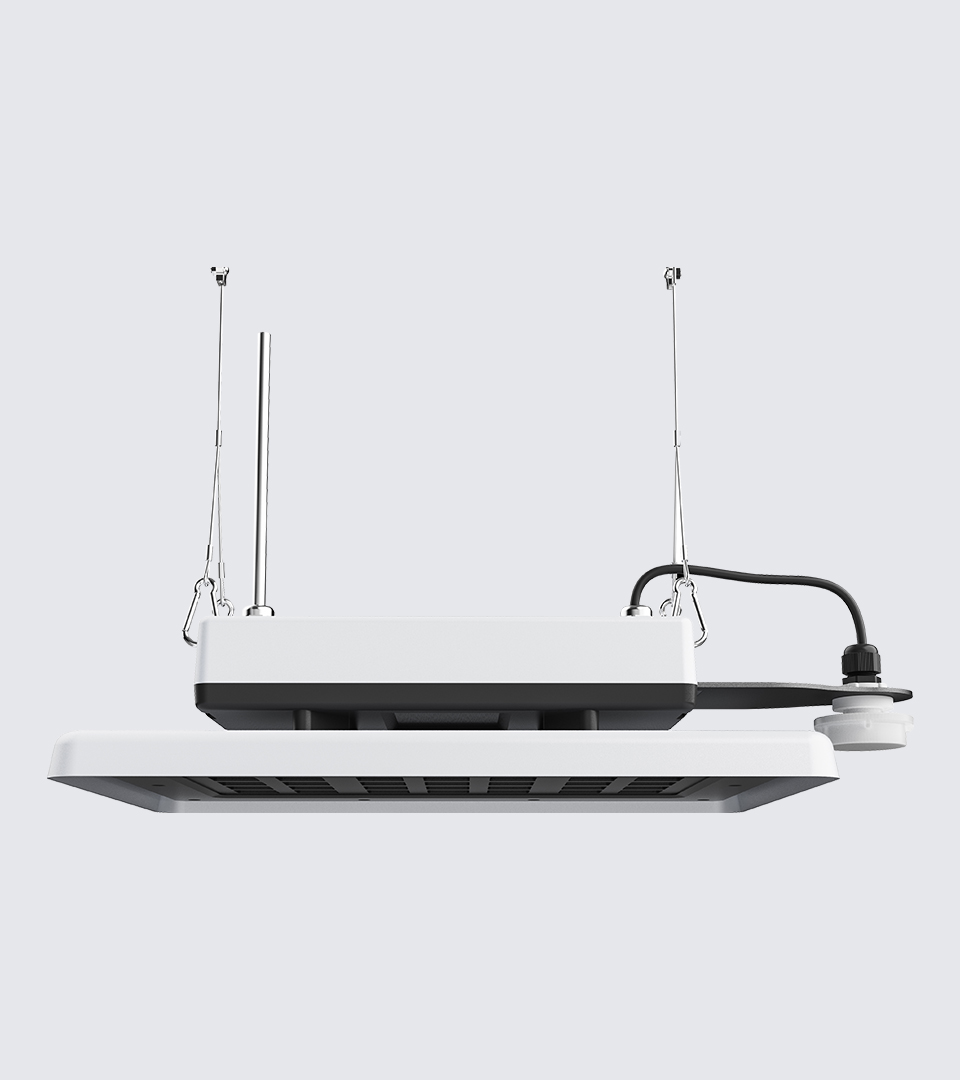
Modular data centers — whether in prefab buildings, shipping containers, or isolated deployments — bring a set of demands that traditional lighting setups can’t handle efficiently. No onsite maintenance team? Then everything better work the first time and keep working.
- Unstaffed or low-attendance sites need automated fault alerts
- Security lighting must integrate with access controls
- Modules may move — fixed wiring can’t
- Energy reduction mandates and uptime SLAs
2. What Are Lighting Controls in Data Centers?
Lighting controls go far beyond switches. We’re talking networked sensors, digital dimmable drivers, BMS-compatible gateways, and secure protocols that ensure reliable and efficient lighting.

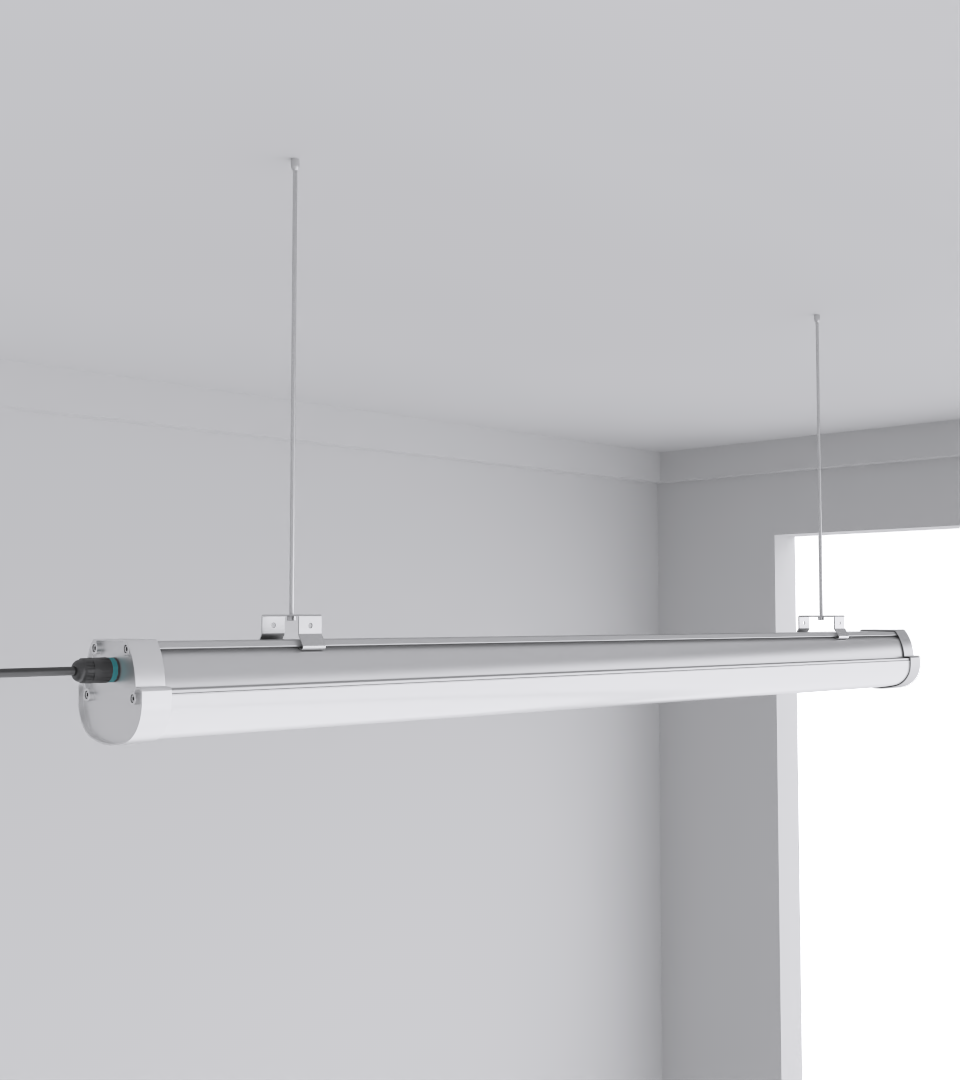
3. Wired vs Wireless Lighting Control Architectures
| Feature | Wired (DALI/0-10 V) | Wireless (Zigbee, BLE Mesh) |
|---|---|---|
| Cost of Infrastructure | High (more cabling) | Low (less labor, flexible) |
| Flexibility | Low | High — great for prefab |
| Security | Strong | Strong (if encrypted) |
4. Choosing the Right Protocol
| Protocol | Use Case | Pros | Cons |
|---|---|---|---|
| DALI / DALI-2 | Large wired systems | Addressable, scene memory | Cabling complexity |
| Zigbee | Wireless mesh | Flexible, scalable | Requires gateways |
5. Components of a Remote Lighting Control System
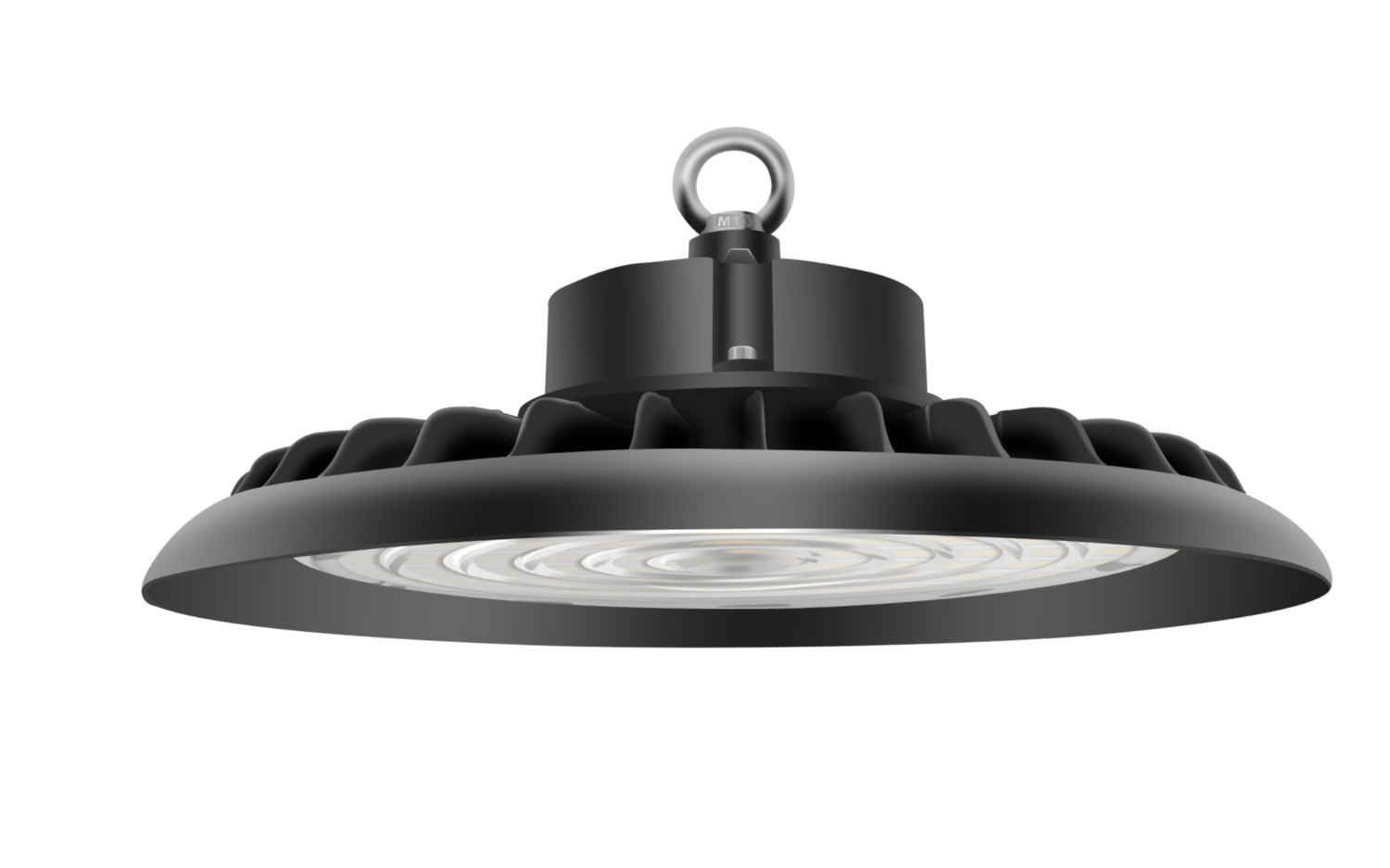
These systems include LED luminaires, DALI/D4i drivers, sensors (PIR, microwave), gateways, and cloud/BMS interfaces. Sensor placement matters. Poor sensor = bad automation.
6. Integration with BMS, DCIM & EMS Platforms
Smart sites demand integration. Your lighting should respond to temperature shifts, occupancy, and server load. CAE’s tech supports BACnet/IP, Modbus TCP, and open API handoffs.
7. Remote Monitoring, Cloud Dashboards & Diagnostics
Dashboards let you catch spikes, automate testing, push firmware. OTA is essential for unmanned sites. Sync fault reports with maintenance scheduling for maximum efficiency.
8. Case Study: Energy Savings in a Modular Deployment
CAE client in Penang achieved:
- 47% lighting energy savings
- 116 labor hours saved yearly
- Runtime cut by 31% through sensors
