Lighting Design for High-Density Data Centers: 20kW to 200kW Rack Strategies Explained
- Understanding Why High-Density Rack Lighting Needs a Rethink
- Who’s Involved—and What Do They Want?
- Performance Metrics That Actually Matter
- Design Compliance and What Gets Audited
- LPD & Foot-Candle Design That Works in Practice
- Smart Lighting Systems That Actually Help
- Coordinating Lighting with Thermal Planning
- Final Handoff: Commissioning & Documentation
- Frequently Asked Questions (FAQ)
Key Takeaways
| Feature or Topic | Summary |
|---|---|
| Rack Density Impact | Lighting design shifts significantly at 20–200kW per rack. Heat, visibility, uptime all factor in. |
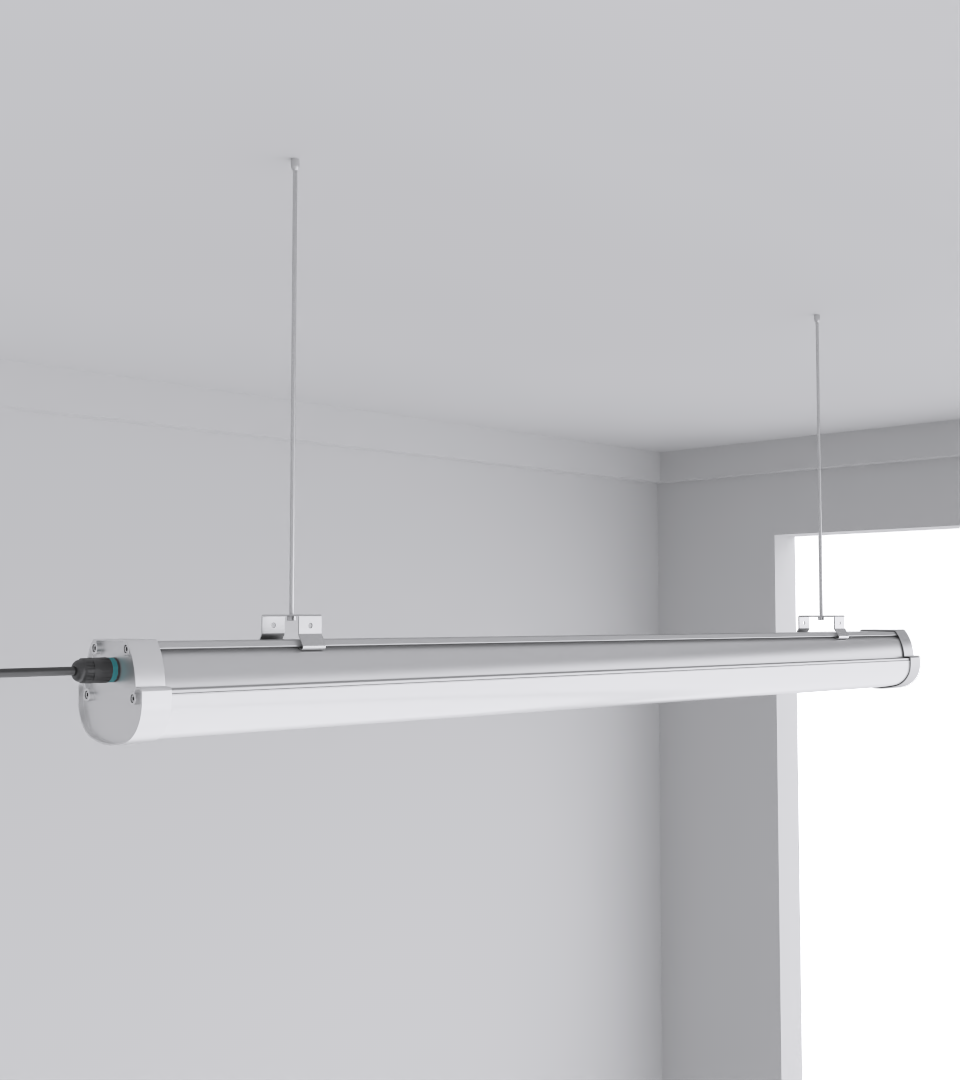
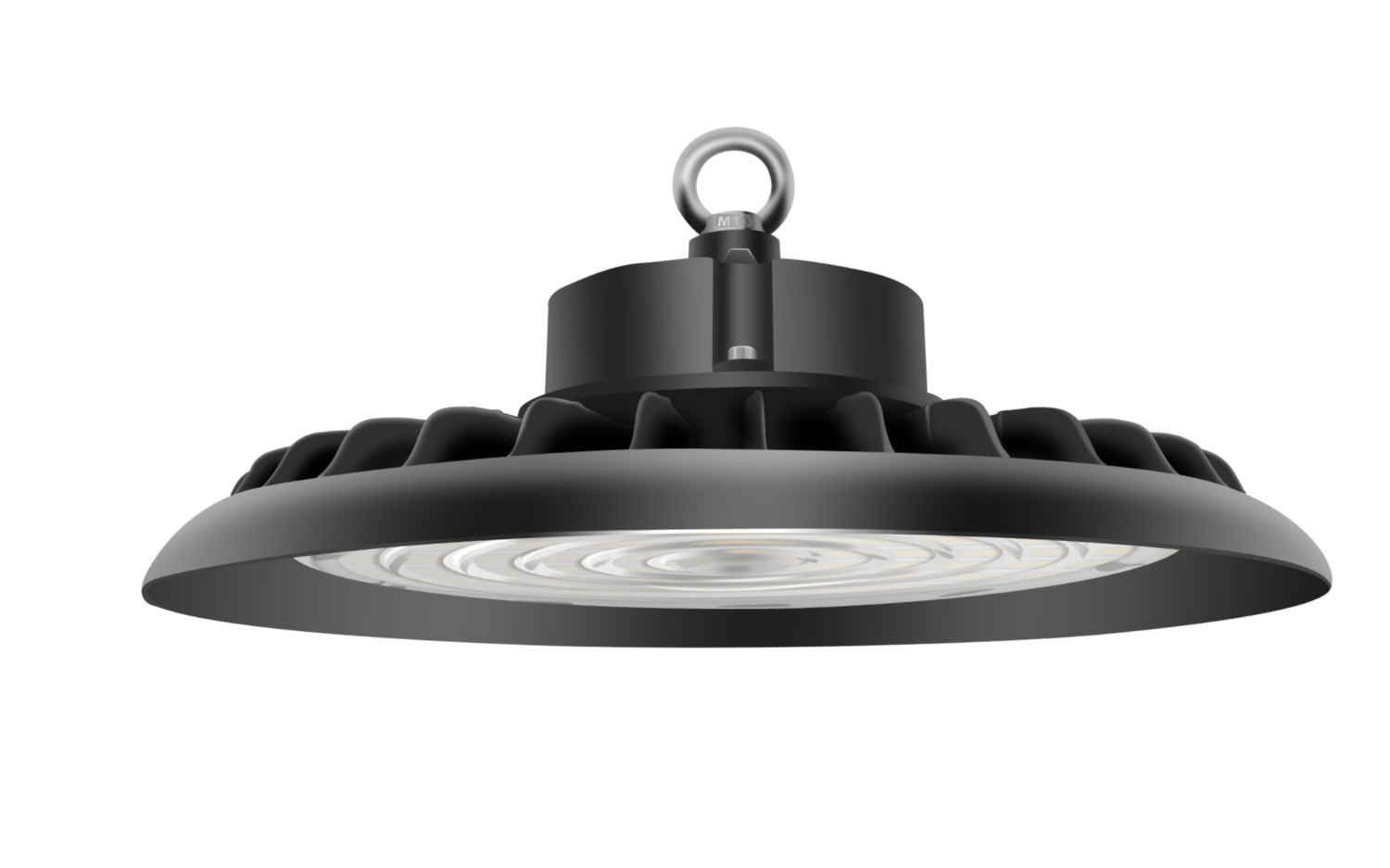
| Fixture Choice | High-IP, thermally tolerant fixtures like Squarebeam Elite are critical. |
| Lighting Design Priorities | Uniformity, glare control, thermal load, sensor placement, and IP rating matter more than lux count alone. |
| Smart Systems | Low-voltage + occupancy sensors enable energy savings up to 75%. |
| Real-World Use | CAE Lighting projects prove ROI in ultra-high-density environments. |
1. Understanding Why High-Density Rack Lighting Needs a Rethink
In data centers running 100kW+ racks, lighting isn’t just about visibility—it’s about survival. LEDs overheat. Shadows kill maintenance efficiency. Heat maps warp. Here’s what changes:
- Rack-level power outputs often exceed 150kW, especially in AI/HPC settings
- Lighting layouts must accommodate thermal containment zones
- Visibility during outages, even brief ones, can be critical for uptime
Typical Pitfalls:
- Using low-IP fixtures that fail under ceiling bath temps
- Placing sensors in dead zones (over ducts, behind cable trays)
- Prioritizing wattage over lighting uniformity
2. Who’s Involved—and What Do They Want?
Lighting projects in facilities like this aren’t owned by one person. Here’s the typical stakeholder map:
| Role | What They Need |
|---|---|
| Facility Managers | Energy savings, safety, clean installs |
| Electrical Engineers | Specs, LPD targets, PUE compliance |
| IT Operations | Visibility, sensor-based triggers for events |
| Execs / Finance | ROI models, sustainability metrics, warranty duration |

3. Performance Metrics That Actually Matter
- Foot-Candle (fc): 50fc at 3ft above floor in aisles
- Uniformity ratio: 0.6:1 or better
- Glare Index: UGR < 22 in work zones
- PUE: Lighting should be <5% of total load

4. Design Compliance and What Gets Audited
- ASHRAE: thermal zones must factor lighting
- ANSI/TIA‑942-B: photometric + LPD report required
- IP Ratings: IP65+ for raised floor zones
- Energy Codes: require sensor + control integration
5. LPD & Foot-Candle Design That Works in Practice
| Metric | Recommended Value |
|---|---|
| LPD | <0.9 W/sqft |
| Maintenance Zones | 70–100 fc |
| Aisles | 50 fc @ 3′ |
6. Smart Lighting Systems That Actually Help
- 3-zone occupancy sensors: active, transitional, passive
- Daylight harvesting (in NOC/office zones)
- Low-voltage systems: BACnet, Modbus
7. Coordinating Lighting with Thermal Planning
- LEDs still emit heat—placement matters
- Don’t block airflow or ceiling return paths
- Work with CFD engineers
8. Final Handoff: Commissioning & Documentation
- Deliver as-built layouts
- Validate photometrics
- Sensor trigger response logs
- Warranty info and spare part documentation
Frequently Asked Questions (FAQ)
Q: What IP rating is best for high-density racks?
A: IP65 or higher—especially near raised floors or ceiling baths.
Q: Can smart lighting improve my PUE?
A: Yes—via lower heat and energy draw, which reduces cooling needs.
Q: What’s the ROI timeframe on lighting upgrades?
A: Often 18–36 months in dense AI/HPC facilities using smart controls.
Q: Is daylight harvesting useful in server halls?
A: No, but useful in adjacent offices, corridors, or NOCs.
Q: What documentation is required during handover?
A: Photometric validation reports, zoning maps, IP ratings, and commissioning logs.
Want help planning or visualizing a custom layout? Contact CAELED here.