Maintenance of Backup Systems in Data Centers: A Technical Guide to UPS, Generators, and Battery Reliability
–
- Understanding Backup Systems in a Data Center
- Preventive, Predictive, and Corrective Maintenance
- UPS System Maintenance Best Practices
- Generator System Maintenance
- Battery System Maintenance
- Smart Monitoring Tools for Backup Systems
- Designing Redundancy and Failover Systems
- Compliance Standards in Backup Maintenance
- Frequently Asked Questions (FAQ)
Key Takeaways
| Feature or Topic | Summary |
|---|---|
| Backup Importance | Essential for uptime, preventing outages that cost $5,600+/min |
| UPS, Generator, Battery | Each needs individual inspection, testing, and replacement cycles |
| Monitoring Tools | AI, IoT dashboards prevent failure with real-time alerts |
| CAE Lighting Role | Lighting design reduces thermal load, supports smart systems |
Maintenance of Backup Systems in Data Centers
Understanding Backup Systems in a Data Center
Backup systems serve as the last line of defense against power outages that can cost thousands per minute. These systems consist of three key parts:
- UPS (Uninterruptible Power Supply): Delivers instant power during a failure.
- Generators: Maintain power over longer outages.
- Battery systems: Bridge the gap before generators start.
Each component must be tested regularly to avoid unexpected failure.
Preventive, Predictive, and Corrective Maintenance
- Preventive: Scheduled servicing (monthly, quarterly).
- Predictive: AI-powered insights to forecast component failure.
- Corrective: Repair after failure — last resort.
CAE Lighting’s smart-enabled luminaires integrate well into predictive systems, providing real-time health data.
UPS System Maintenance Best Practices
- Monthly inspections for dust, cable condition, and battery swelling.
- Quarterly battery testing for voltage and capacity.
- Annual firmware updates to correct errors and enhance efficiency.
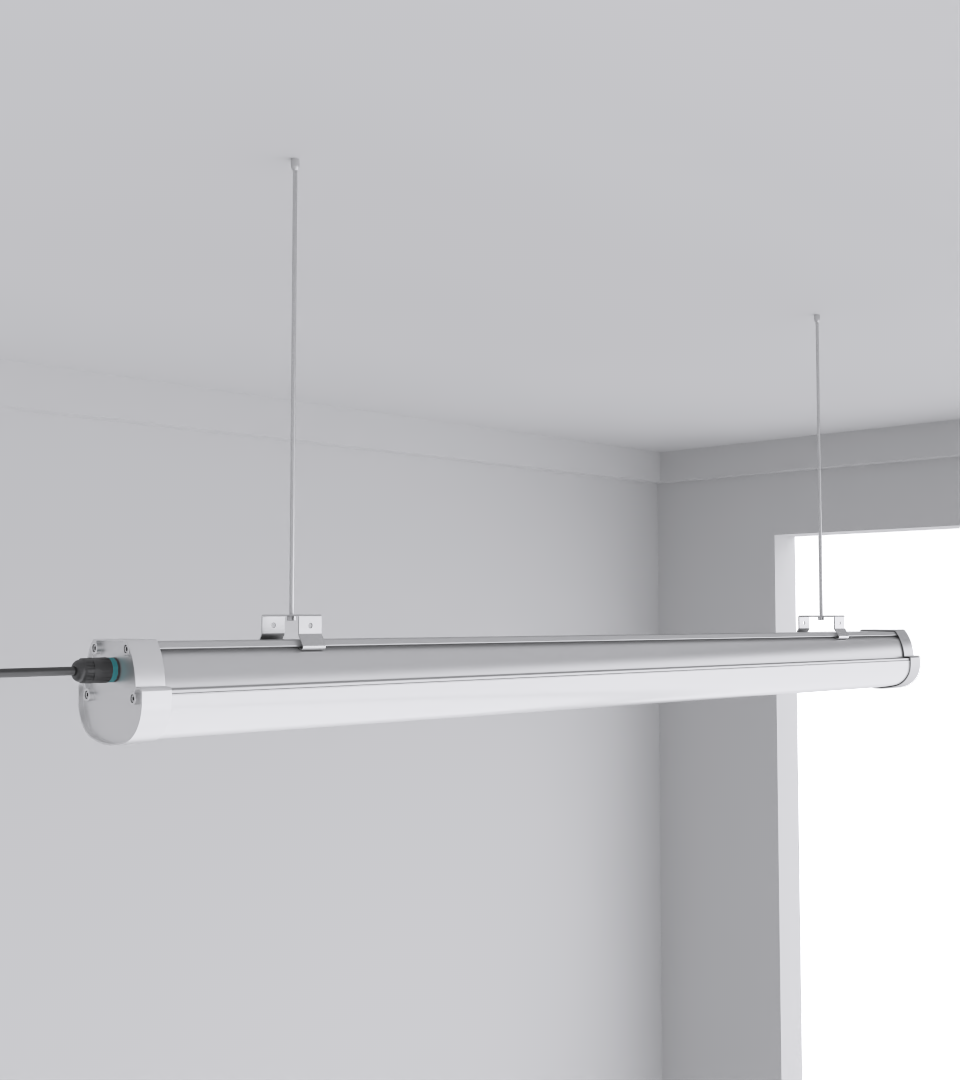
Environmental conditions matter. UPS units in poorly ventilated rooms fail faster. Using thermally efficient lighting, such as SeamLine Batten, helps maintain optimal conditions.

Generator System Maintenance
- Fuel management: Avoid stale diesel. Inspect tanks for algae.
- Oil & coolant checks: Bi-monthly minimum.
- Load testing: Simulate power loss every 3 months.
Using sensors and automated logs simplifies this, especially in setups using CAE Lighting’s robust infrastructure products.
Battery System Maintenance
- Inspect for corrosion monthly.
- Replace old batteries every 3-5 years.
- Perform discharge tests twice a year.
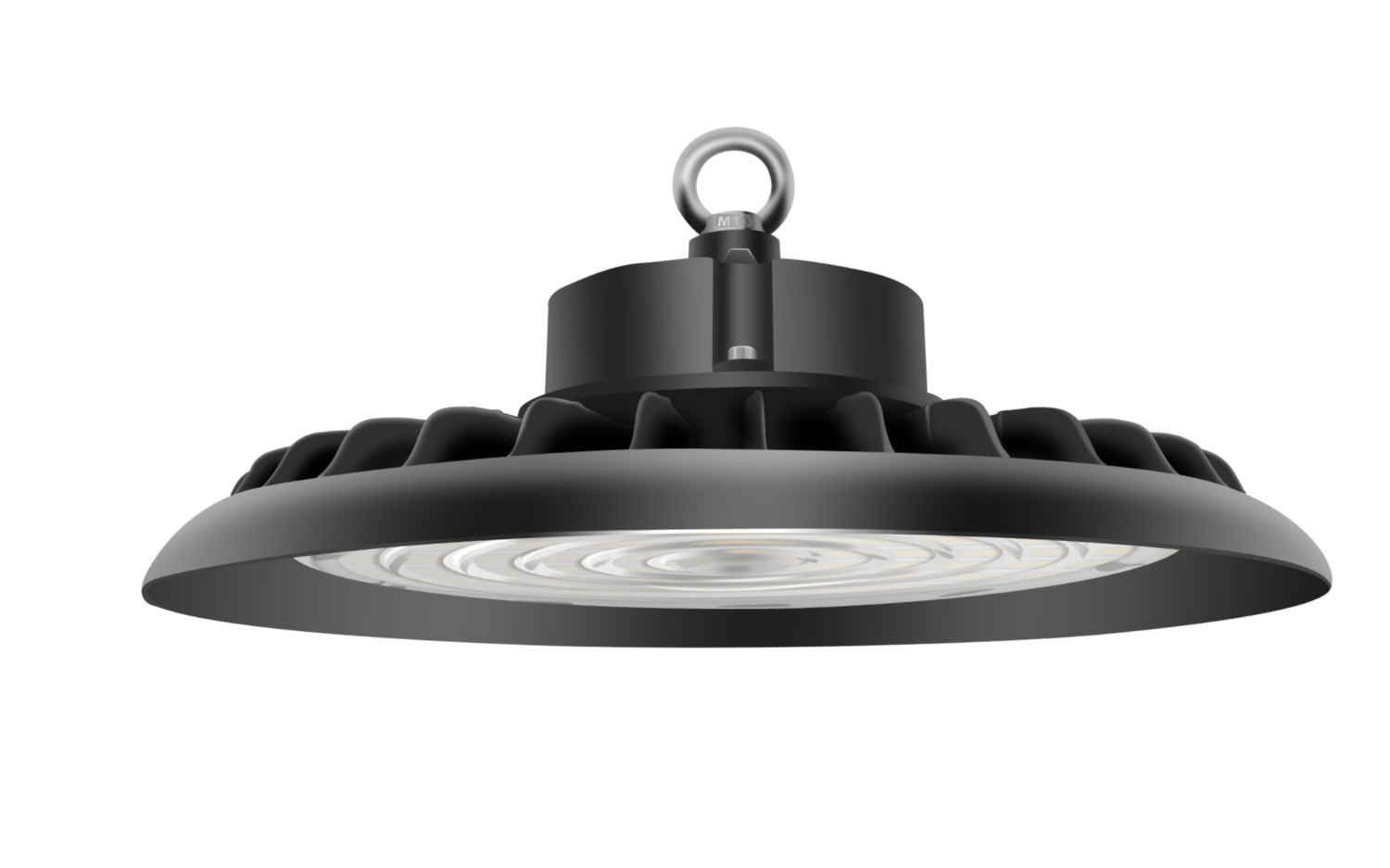
Avoid placing batteries in heat-heavy zones. Fixtures like the Budget High Bay reduce ambient heat build-up, improving lifespan.
Smart Monitoring Tools for Backup Systems
- IoT sensors: Monitor voltage, temp, humidity.
- AI dashboards: Forecast failures, reduce surprises.
- Central interfaces: Manage all equipment visually.
Lighting systems such as Quattro Triproof Batten integrate with BMS, enabling automated lighting failovers in tandem with power systems.
Designing Redundancy and Failover Systems
- N+1: One backup unit for every N primary units.
- 2N: Full duplication — costly but reliable.
- ATS (Automatic Transfer Switch): Shifts to backup instantly.
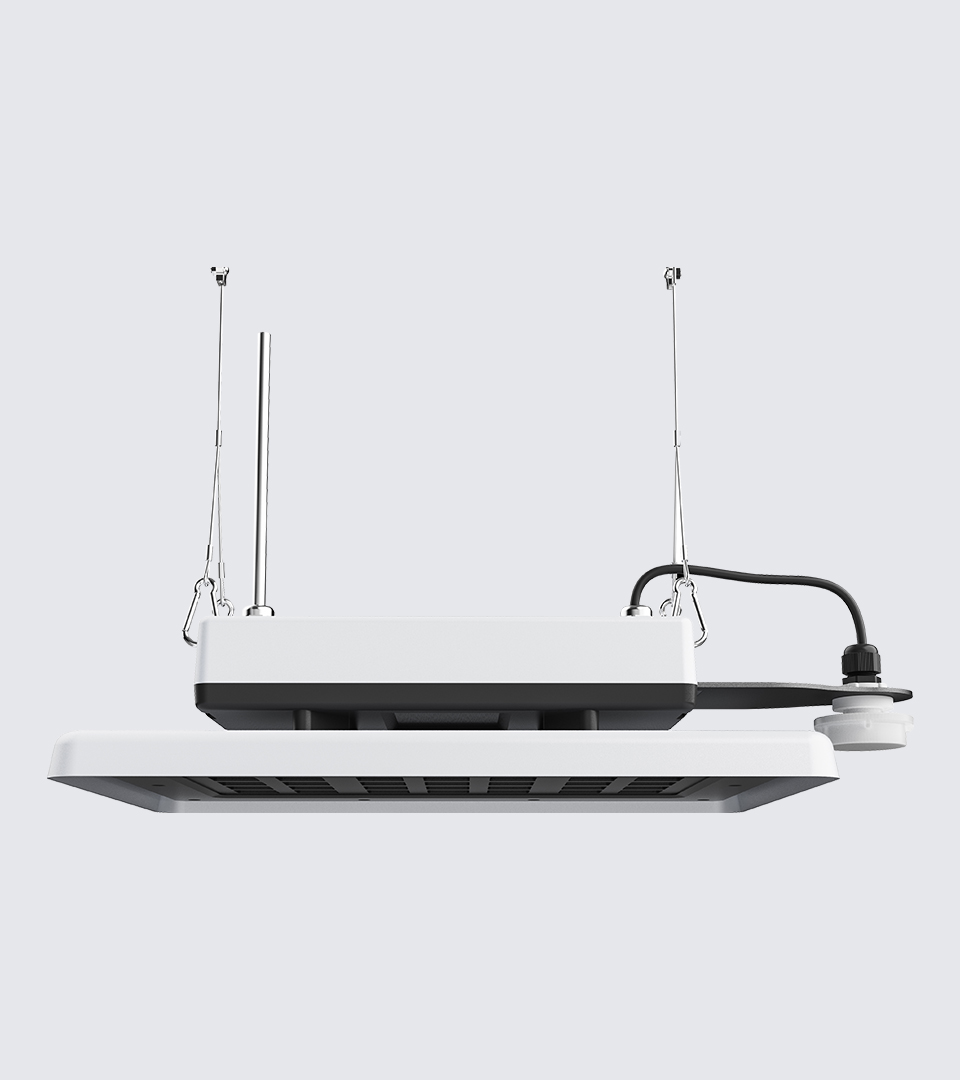
Lighting zones must also be designed with redundancy, especially for emergency egress routes. Fixtures like the Squarebeam Elite are used in such configurations.
Compliance Standards in Backup Maintenance
| Standard | Purpose |
|---|---|
| ISO 22301 | Business Continuity Framework |
| NFPA 110 | Generator Emergency Power Requirements |
| IEC 60364-7 | Electrical Installations in Buildings |
Frequently Asked Questions (FAQ)
Q: How often should UPS systems be tested?
A: Battery testing should occur quarterly; full system load tests at least annually.
Q: What’s the ideal replacement cycle for batteries?
A: Every 3–5 years, depending on temperature and usage.
Q: Can lighting interfere with battery cooling?
A: Yes. Poor lighting design increases room temperature. Use low-heat luminaires.
Q: What’s better — N+1 or 2N?
A: N+1 is efficient; 2N is better for mission-critical sites.
Q: Does CAE Lighting support smart integration?
A: Yes. Products like SeamLine Batten and Squarebeam Elite support BMS/IoT interfaces.