
Mastering Long-Term LED Maintenance in Data Centers: Proven Strategies for Efficiency, Cost Savings, and Reliability
- Understanding LED Technology in Data Centers
- The Role of Lighting in Data Center Operations
- Challenges in LED Maintenance
- Best Practices for Long-Term LED Maintenance
- Predictive Maintenance and Smart Technologies
- Energy Efficiency and Sustainability Considerations
- Cost-Benefit Analysis
- Vendor Selection and Lighting as a Service (LaaS)
- Future Trends in LED Lighting for Data Centers
- Conclusion
Key Takeaways
| Feature or Topic | Summary |
|---|---|
| Integration Benefits | Energy savings, streamlined operations, enhanced monitoring, and predictive maintenance. |
| Key Protocols | BACnet, Modbus, SNMP ensure interoperability. |
| Implementation Strategies | Assess existing infrastructure, select compatible systems, phased deployment recommended. |
| Operational Advantages | Reduced downtime, improved safety, occupant comfort, and significant sustainability contributions. |
Understanding LED Technology in Data Centers
LED lighting is a primary choice for modern data centers because of its energy efficiency and reliability. Here’s why it stands out:
- Energy Efficiency: Compared to traditional incandescent or fluorescent lights, LEDs consume significantly less power. In data centers, where every watt counts, this translates to massive savings over time.
- Longevity: LEDs can last up to 50,000 hours, far outlasting other types of lighting. This means fewer replacements, reducing maintenance costs.
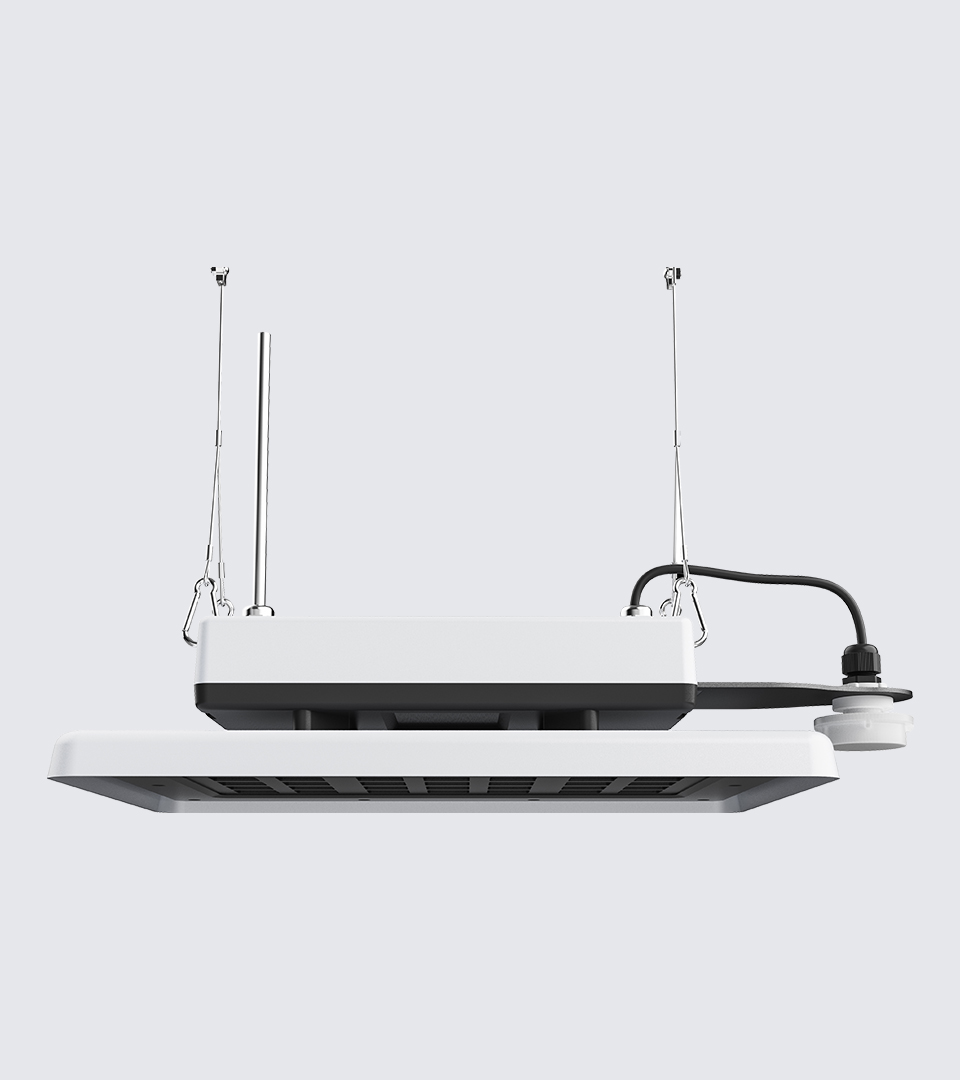
- Thermal Management: LEDs operate cooler, which helps prevent overheating in the high-heat environments of data centers. This is particularly beneficial when paired with Squarebeam Elite, which ensures optimal cooling.
Advantages Over Traditional Lighting
- Instant Full Brightness: LEDs do not require time to “warm up,” unlike fluorescent lights. This feature is crucial for ensuring full lighting immediately in mission-critical areas.
- Dimmability: Many LED systems offer dimming capabilities, which can further reduce energy consumption without compromising the lighting quality.
The Role of Lighting in Data Center Operations
Lighting is integral to data center operations, not only for safety but also for productivity and cost management.
- Safety and Visibility: Proper lighting ensures visibility in emergency situations and enhances safety during routine maintenance or repairs.
- Impact on Energy Consumption: Data centers are notorious for their energy use, so optimizing lighting for minimal consumption is critical. LEDs play a big role here, especially in data centers with high lighting demands.
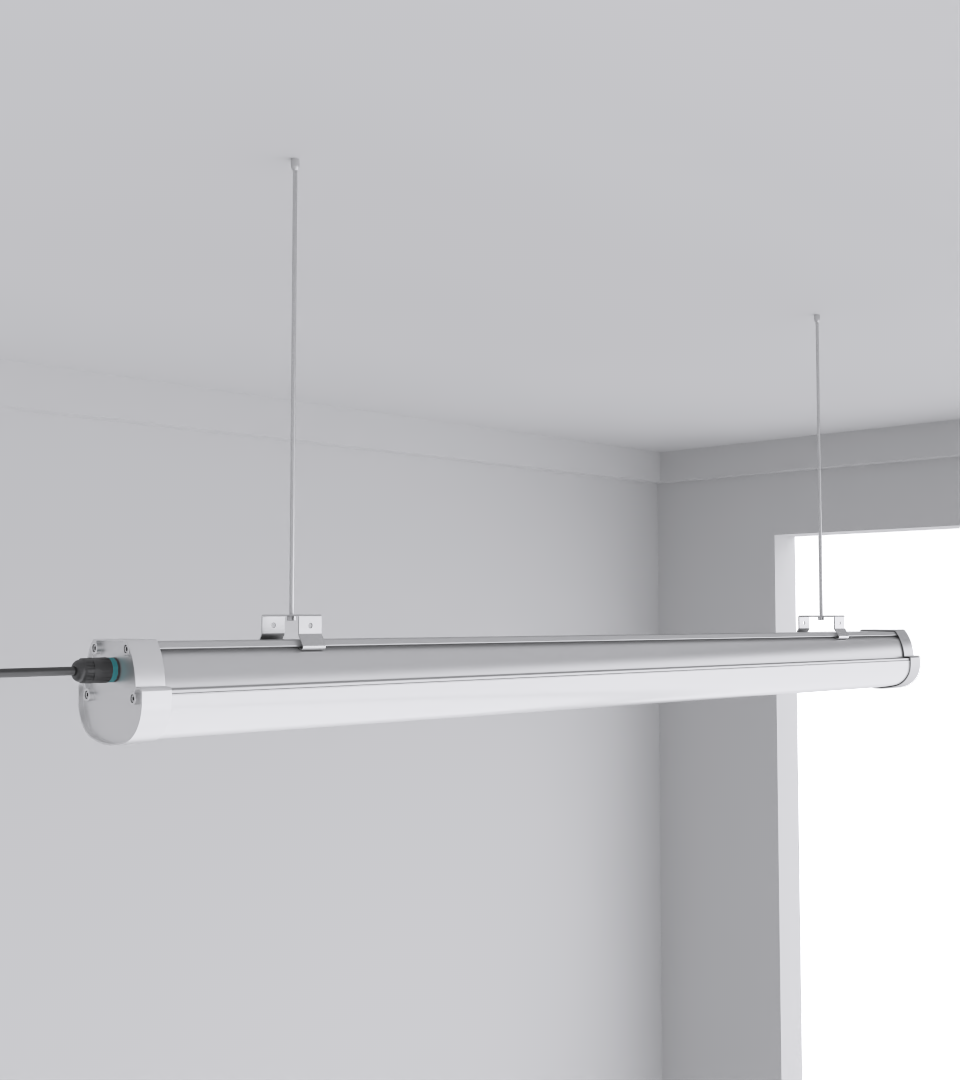
For example, CAE’s Quattro Triproof Batten is designed to illuminate environments that demand both high energy efficiency and durability, ensuring the lighting system doesn’t contribute to unnecessary energy drains.
Challenges in LED Maintenance
While LEDs are more reliable than traditional lights, maintenance in high-density environments such as data centers presents unique challenges:
- Access Issues: LED fixtures are often installed in areas that are difficult to reach, making inspections and repairs a challenge.
- Heat and Humidity: Data centers are high-heat environments, and LEDs are not immune to wear due to excessive heat or humidity.
- Wear and Tear: Over time, LEDs can experience lumen depreciation, where their brightness diminishes. This can affect both performance and energy savings.
Best Practices for Long-Term LED Maintenance
To ensure long-term performance, maintenance must be proactive rather than reactive. Some best practices include:
- Regular Inspection and Cleaning: Dust and dirt can accumulate, affecting the efficiency of LEDs. Cleaning them regularly helps maintain optimal brightness.
- Lumen Depreciation Monitoring: Track lumen levels over time to anticipate when LEDs need to be replaced.
- Preventive Maintenance Schedules: Implement a regular inspection schedule to address issues before they lead to system failure.
Tip from Experience: During one project in a high-tech data center, we observed a noticeable drop in lighting performance after six months of use due to poor ventilation. Ensuring adequate airflow can significantly prolong the lifespan of LED lights.

Predictive Maintenance and Smart Technologies
One of the biggest advancements in LED maintenance is the integration of predictive maintenance technologies, allowing you to monitor the system in real time and address issues before they arise.
- Building Management System (BMS) Integration: BMS can track lighting conditions and signal when maintenance is needed.
- IoT Sensors: These sensors can collect data on power consumption and lighting performance, sending alerts when issues are detected.
- Data Analytics: By analyzing trends in the data, you can forecast when maintenance or replacements will be needed.
For example, using smart sensors, CAE Lighting’s Simplitz Batten can integrate into a larger network of sensors, allowing for precise control over your lighting environment.

Energy Efficiency and Sustainability Considerations
LED technology is highly regarded for its energy efficiency. However, there are additional steps you can take to further enhance sustainability in data center operations:
- Optimizing Lighting for Energy Savings: Use dimming capabilities and motion sensors to ensure lights are only on when necessary.
- Sustainable Disposal and Recycling: As LEDs reach their end of life, ensure that they are disposed of responsibly, adhering to environmental standards.
- Energy Efficiency Standards: Follow industry certifications like ISO 50001 for energy management to further reduce consumption.
Cost-Benefit Analysis
The initial investment in LED technology may seem high, but the long-term benefits are undeniable. Here’s a simple breakdown:
- Upfront Costs: Higher than traditional lights but offset by lower energy use and maintenance costs.
- Long-Term Savings: Over the life of the LEDs, the savings on energy bills can be substantial. Plus, fewer replacements mean lower overall maintenance costs.
For example, after switching to LEDs, a data center in Singapore reported energy savings of over 20% in the first year alone.
Vendor Selection and Lighting as a Service (LaaS)
When choosing LED vendors, look for:
- Proven Reliability: Ensure the vendor offers long-lasting, high-quality products.
- Support and Service: Opt for a vendor that offers robust support for ongoing maintenance and troubleshooting.
One model growing in popularity is Lighting as a Service (LaaS), where the vendor manages the lighting system for you, handling installation, maintenance, and monitoring.
Future Trends in LED Lighting for Data Centers
The future of LED lighting in data centers is bright (pun intended):
- AI and Machine Learning: These technologies will improve predictive maintenance by analyzing lighting performance data more efficiently.
- Integration with Renewable Energy: Data centers will increasingly integrate their LED lighting with renewable energy sources to further reduce their carbon footprint.
Conclusion
Long-term maintenance of LED lighting systems in data centers is essential for ensuring efficiency, safety, and sustainability. By following the best practices outlined above and integrating smart technologies, data centers can enjoy optimal lighting performance while minimizing costs. As LED technology continues to evolve, keeping up with the latest trends and predictive tools will be key to future-proofing your data center operations.
Frequently Asked Questions (FAQ)
- How often should LED lights be replaced in data centers? LED lights typically last 50,000 hours or more, but periodic inspections are needed to monitor lumen depreciation and performance.
- What is the lifespan of LED lighting in high-temperature environments? LEDs in high-heat areas like data centers can last 5-10 years, depending on their quality and maintenance.
- How can predictive maintenance improve LED lighting reliability? Predictive maintenance uses sensors and data analytics to forecast potential failures, allowing for repairs before issues affect operations.
- What are the energy savings associated with LED lighting upgrades? Switching to LED lighting can reduce energy consumption by up to 80% compared to traditional systems.
- How does Lighting as a Service (LaaS) work in data centers? LaaS involves outsourcing the management and maintenance of lighting systems, including installation, repairs, and monitoring.