
Mastering WELL Building Standard in Data Centers: A Complete Guide to Certification, Best Practices, and Practical Applications
- Introduction to WELL Building Standard and Its Application in Data Centers
- What is WELL Building Standard?
- Challenges Data Centers Face and How WELL Can Address Them
- WELL Certification Process for Data Centers
- Integrating WELL with Other Standards
- WELL Features for Data Centers: Practical Applications
- Challenges and Solutions for WELL Implementation in Data Centers
- The Future of WELL in Data Centers
- Conclusion
- Frequently Asked Questions
Key Takeaways
| Feature or Topic | Summary |
|---|---|
| Integration Benefits | Energy savings, streamlined operations, enhanced monitoring, and predictive maintenance. |
| Key Protocols | BACnet, Modbus, SNMP ensure interoperability. |
| Implementation Strategies | Assess existing infrastructure, select compatible systems, phased deployment recommended. |
| Operational Advantages | Reduced downtime, improved safety, occupant comfort, and significant sustainability contributions. |
Introduction to WELL Building Standard and Its Application in Data Centers
WELL Building Standard is a performance-based system for measuring, certifying, and monitoring features of the built environment that impact human health and well-being. While its focus initially revolved around office spaces, its application has extended into more specialized environments, including data centers. In this article, we dive into how WELL can be specifically integrated into the design and operation of data centers, which require unique approaches to indoor air quality, lighting, and overall occupant well-being.
What is WELL Building Standard?
The WELL Building Standard is divided into categories aimed at improving different facets of human health. These categories include Air, Water, Nourishment, Light, Movement, Thermal Comfort, Sound, Materials, Mind, and Community. WELL certification can apply to all types of buildings, but in data centers, several of these areas play a critical role in creating optimal environments for both people and equipment.
1. Air: Proper ventilation and air filtration help reduce airborne contaminants and improve indoor air quality.
2. Water: Clean, accessible water is fundamental to occupant health.
3. Nourishment: While nourishment may not be a major focus in data centers, providing healthy snack options or food in common areas can still contribute to worker wellness.
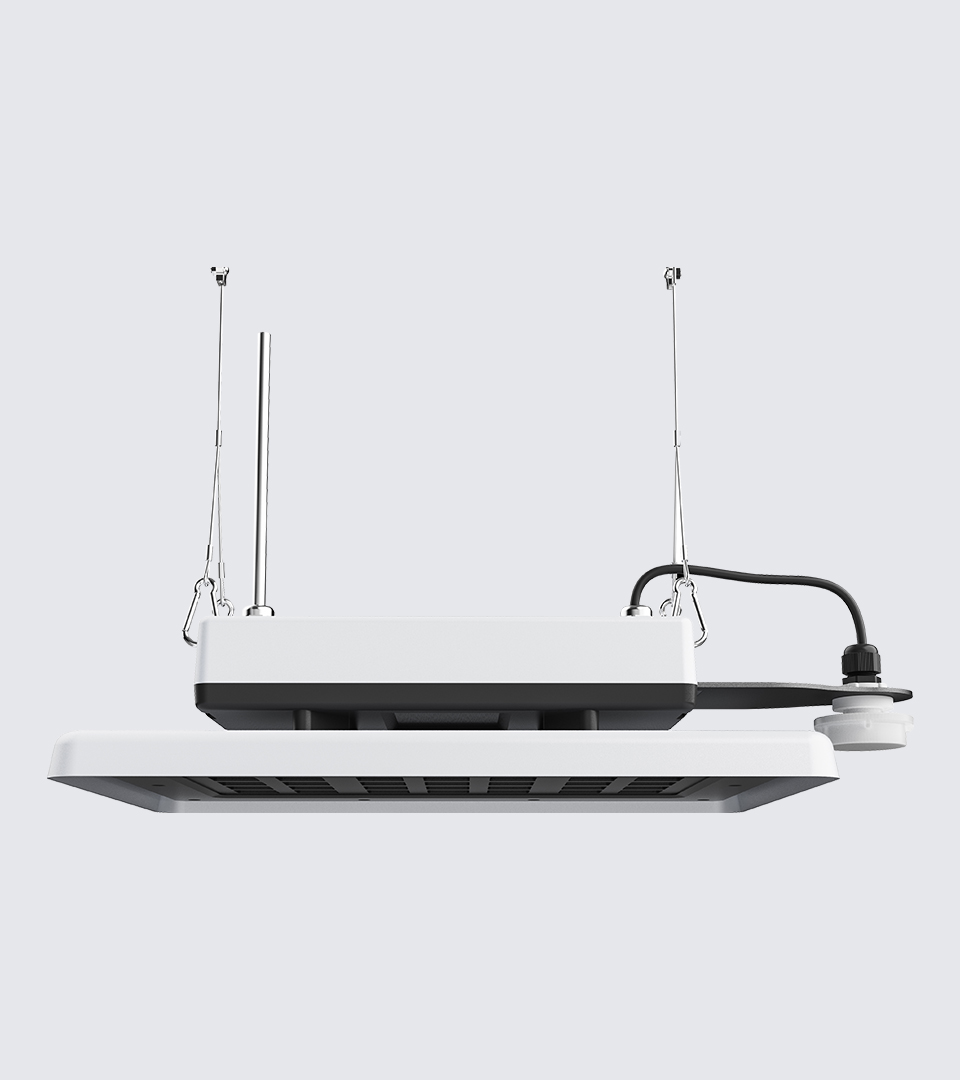
4. Light: Data center lighting impacts productivity and worker health. Using lighting systems that mimic natural circadian rhythms can help boost alertness and reduce fatigue.
5. Movement: Encouraging movement through design (e.g., pathways that encourage walking) can improve health and productivity.
6. Thermal Comfort: Maintaining an appropriate temperature for both workers and equipment is crucial in high-density environments like data centers.
Challenges Data Centers Face and How WELL Can Address Them
Data centers present some specific challenges that WELL guidelines can address effectively:
- Air Quality: The need to maintain a clean, consistent airflow for both personnel and sensitive equipment is paramount.
- Lighting: Constant artificial lighting in data centers can disrupt natural circadian rhythms. WELL’s lighting standards advocate for adjustments that align with the natural day-night cycle to improve worker productivity.
- Noise: Noise pollution is a common issue in data centers. WELL guidelines address acoustic performance to reduce distractions and improve focus.
- Thermal Comfort: Cooling is a major operational concern in data centers, as servers generate significant heat. WELL’s thermal comfort guidelines suggest strategies to maintain optimal temperatures for human workers while managing the heat load from equipment.
WELL Certification Process for Data Centers
Getting WELL certification for a data center isn’t just about ticking off a checklist. It requires a detailed, methodical approach, as follows:
- Preconditions: These are the mandatory aspects that must be in place, such as air filtration systems and sufficient lighting.
- Optimization: Beyond meeting the preconditions, data centers must go above and beyond in areas such as noise control, air quality management, and lighting designs that promote health and well-being.
- Verification: WELL assessors visit the facility to ensure compliance. This includes reviewing plans, inspecting systems, and monitoring ongoing operations to ensure the guidelines are being met.
Integrating WELL with Other Standards
Data centers often aim to meet several sustainability standards, such as LEED, BREEAM, and others. WELL can work in harmony with these certifications. For instance, a data center could seek LEED certification for energy efficiency and WELL certification for its focus on human health. By aligning WELL’s guidelines with other sustainability standards, data centers can streamline their certification processes and create a more comprehensive environmental approach.
WELL Features for Data Centers: Practical Applications
The WELL Building Standard includes several key features that are crucial in data centers:
- Air Quality: Installing advanced air filtration systems helps maintain optimal air quality and ensures the health of personnel working in these facilities.
- Lighting: Specialized circadian lighting systems, which adjust the intensity and color of lights throughout the day, help improve worker performance and comfort.
- Thermal Comfort: Data centers typically experience fluctuating temperatures due to high-energy demands. WELL guidelines promote strategies to keep temperatures comfortable for both staff and equipment.
- Sound: By managing sound levels within the data center environment (e.g., through acoustic treatments), the WELL standard can mitigate noise-related distractions, enhancing focus and comfort.
Challenges and Solutions for WELL Implementation in Data Centers
Implementing WELL in a data center can present challenges, especially due to the high-energy environment and specialized needs of the facility. Here are some challenges and their solutions:
- Challenge: High energy demands may conflict with WELL’s emphasis on sustainability.
Solution: Implement energy-efficient systems such as LED lighting and advanced HVAC systems that improve both sustainability and human comfort. - Challenge: Noise management in a space filled with servers and equipment.
Solution: Integrating soundproofing and noise-canceling technologies, especially in worker areas, can minimize disruptions and improve productivity.
The Future of WELL in Data Centers
The role of WELL in data centers is evolving as new technologies and systems emerge. Features such as smart lighting, AI-powered air quality monitoring, and adaptive thermal systems are shaping the future of WELL certifications. The next iteration, WELL v6, is expected to integrate more advanced technologies, making it even easier for data centers to maintain high standards of environmental and human health.
Conclusion
The WELL Building Standard offers a powerful framework for data centers looking to enhance employee well-being and operational efficiency. By focusing on areas like air quality, lighting, and thermal comfort, data centers can not only improve occupant health but also optimize energy consumption and sustainability. As data centers continue to evolve, WELL certification will likely become a more prominent aspect of sustainable building practices.
For more information, visit CAE Lighting’s solutions.
Frequently Asked Questions
1. What is the WELL Building Standard?
The WELL Building Standard is a performance-based certification that focuses on enhancing human health and well-being in built environments, covering aspects such as air quality, lighting, thermal comfort, and more.
2. Can data centers get WELL certification?
Yes, data centers can pursue WELL certification by addressing specific guidelines related to air quality, lighting, noise control, and thermal comfort.
3. What are the benefits of WELL certification for data centers?
WELL certification can improve employee productivity, create healthier environments, reduce energy costs, and align with other sustainability certifications like LEED.
4. How can WELL be integrated with other sustainability standards?
WELL can complement standards like LEED or BREEAM by addressing the human health aspect of sustainability, while the others focus on energy efficiency and environmental impact.