
Maximizing Data Center Efficiency: A Comprehensive Guide to Tax Incentives, Rebates, and Savings Opportunities
Key Takeaways
| Feature or Topic | Summary |
|---|---|
| Integration Benefits | Energy savings, streamlined operations, enhanced monitoring, and predictive maintenance. |
| Key Protocols | BACnet, Modbus, SNMP ensure interoperability. |
| Implementation Strategies | Assess existing infrastructure, select compatible systems, phased deployment recommended. |
| Operational Advantages | Reduced downtime, improved safety, occupant comfort, and significant sustainability contributions. |
Understanding Intelligent Lighting Controls
Intelligent lighting controls in data centers can significantly enhance energy efficiency and system performance. These systems use sensors and smart technology to adjust lighting based on occupancy, time of day, and external conditions, ensuring optimal usage of energy resources.
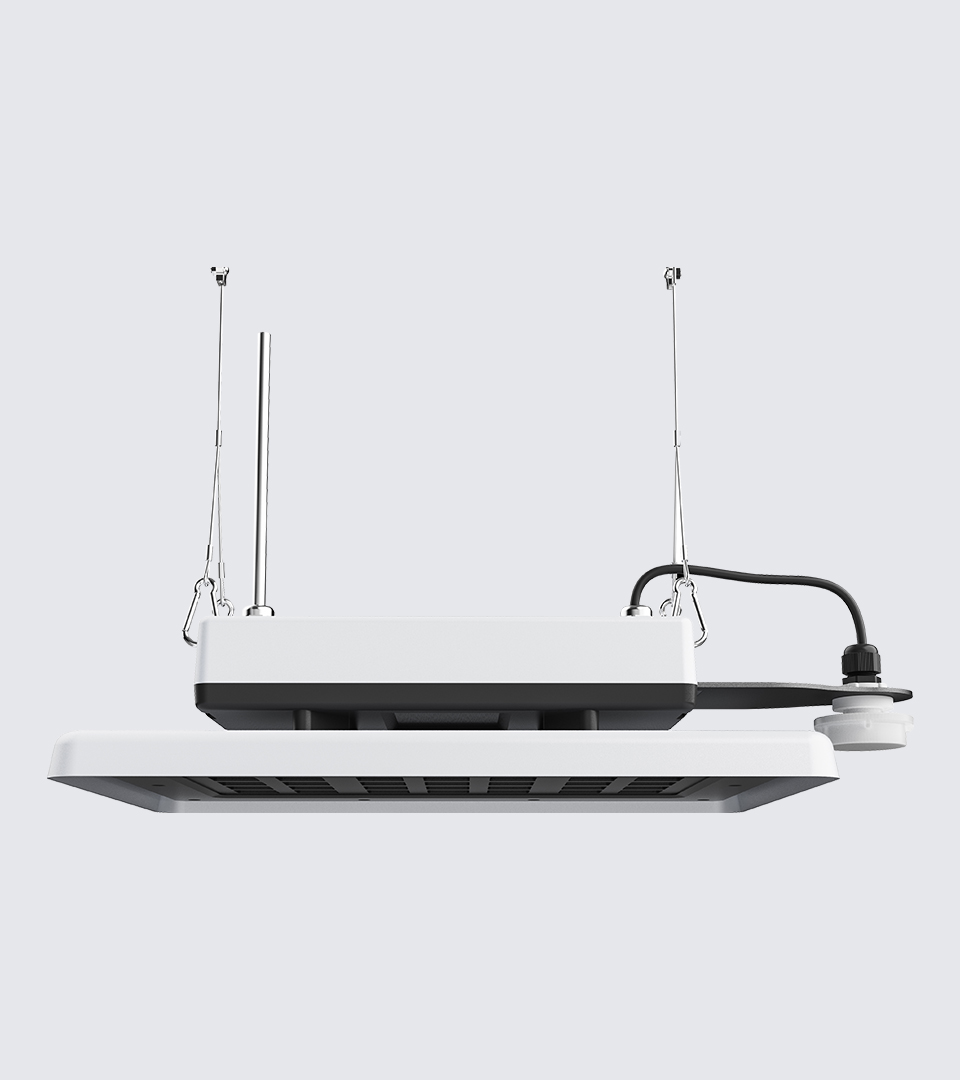
Overview of DCIM Software
Data Center Infrastructure Management (DCIM) software plays a crucial role in managing the operations and maintenance of data centers. DCIM tools provide visibility into the data center’s infrastructure and enable users to monitor energy consumption, cooling, and lighting systems for enhanced performance and cost management.
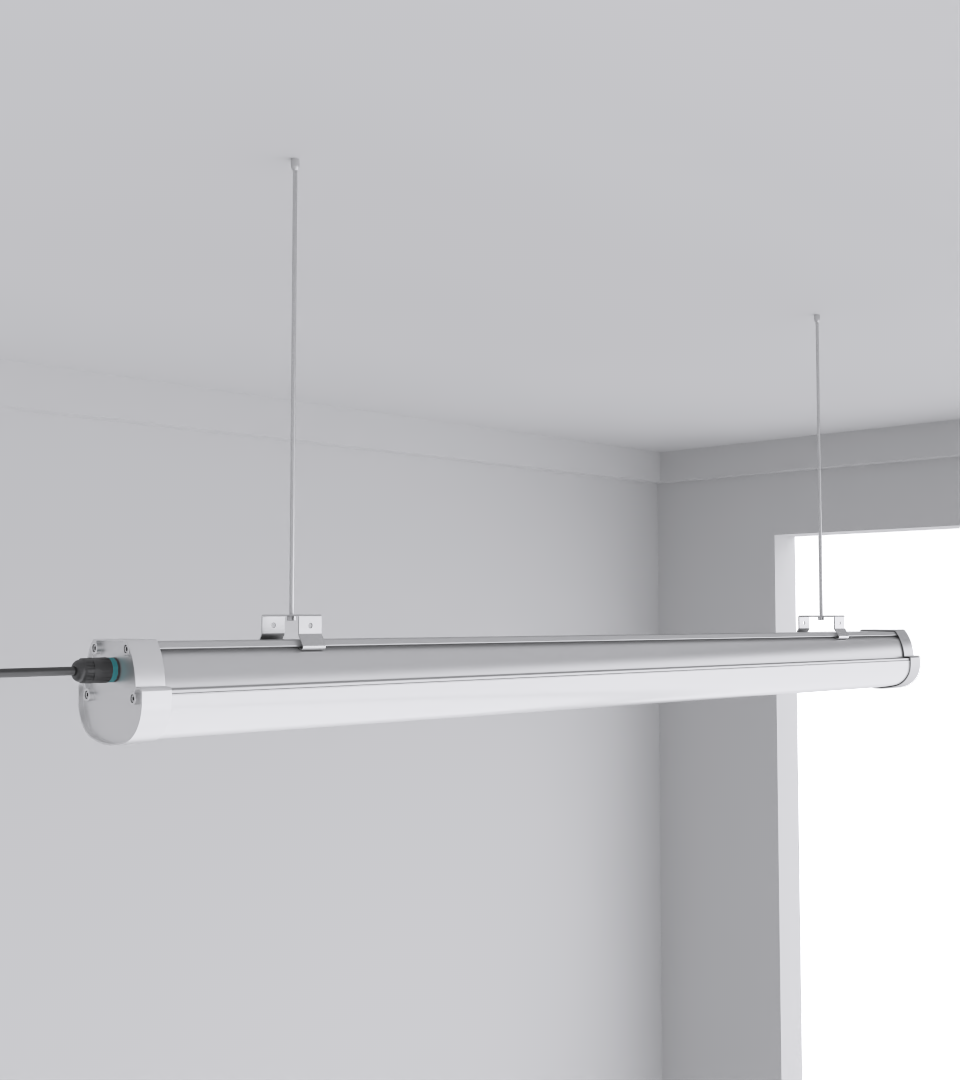
The Need for Integration
Integrating intelligent lighting controls with DCIM systems can optimize both energy consumption and operational efficiency in data centers. The seamless communication between lighting systems, cooling, and energy management software reduces overall costs and improves system responsiveness.
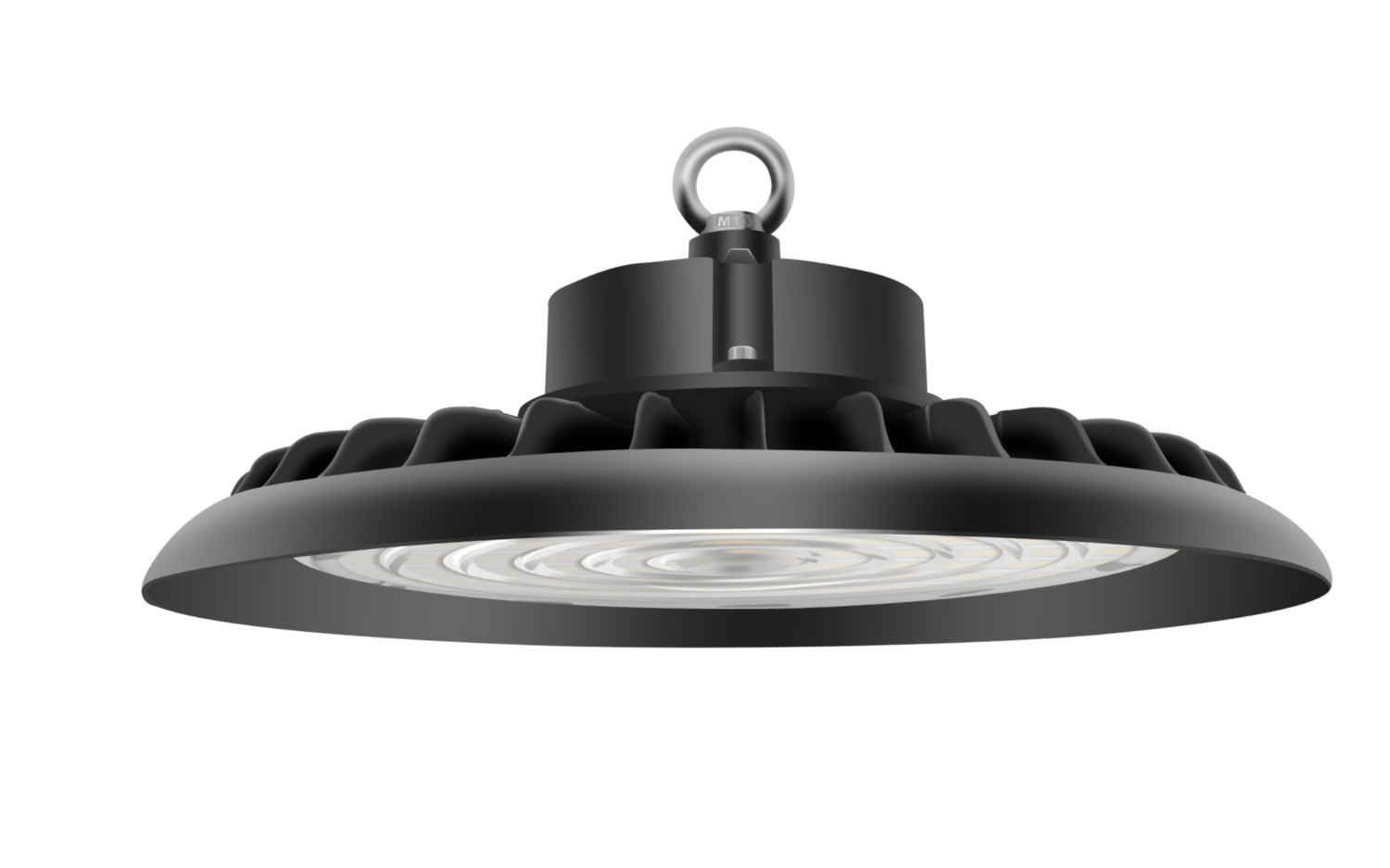
Technical Aspects of Integration
Integrating intelligent lighting systems with DCIM software involves a series of technical steps, including the selection of compatible sensors, controllers, and software platforms. Proper configuration ensures that lighting systems respond dynamically to operational conditions and external factors.

Implementation Strategies
Successful implementation of intelligent lighting controls in data centers requires a well-planned strategy. This includes selecting appropriate technologies, training staff, and setting up phased deployments to ensure minimal disruption to operations while optimizing energy savings.

Energy Efficiency and Sustainability
Intelligent lighting controls contribute to the energy efficiency and sustainability of data centers by reducing unnecessary lighting usage. Systems are designed to adjust automatically based on occupancy, time, and environmental conditions, ensuring the least energy consumption while maintaining adequate lighting.
Operational Benefits
By integrating intelligent lighting systems with data center operations, organizations can improve overall operational performance. Key benefits include reduced downtime, enhanced safety, and increased employee productivity, which ultimately lead to cost savings and higher system reliability.
Challenges and Solutions
Although intelligent lighting systems offer numerous benefits, their integration into existing infrastructure can present challenges. These include compatibility issues, initial investment costs, and the need for ongoing maintenance. However, these obstacles can be mitigated with careful planning, training, and the selection of scalable solutions.
Future Trends
The future of intelligent lighting in data centers is likely to involve more advanced integrations with AI and IoT technologies, enabling real-time data analytics for further optimization of lighting systems. As the technology evolves, more sophisticated systems will emerge that offer even greater energy savings and operational efficiencies.
Frequently Asked Questions (FAQ)
What is intelligent lighting control in data centers?
Intelligent lighting control systems adjust lighting based on real-time conditions, such as occupancy and time of day, to optimize energy use and improve operational efficiency.
How can intelligent lighting help with energy savings?
By automatically adjusting lighting levels when areas are unoccupied or during off-peak hours, intelligent systems reduce unnecessary energy consumption.
Are intelligent lighting controls compatible with existing systems?
Many intelligent lighting systems are designed to integrate easily with existing data center infrastructure, provided they meet specific compatibility standards like BACnet or Modbus.