Maximizing Efficiency with Low-Wattage High-Lumen Fixtures: Essential Guide for Data Centers
–
- Introduction
- Understanding Lighting Efficiency
- Benefits of Low-Wattage High-Lumen Fixtures
- Selecting the Right Fixtures
- Installation Considerations
- Maintenance and Longevity
- Advanced Technologies
- Case Studies
- Cost Analysis
- Challenges and Solutions
- Future Trends
- Conclusion
- Frequently Asked Questions (FAQ)
Key Takeaways
| Feature or Topic | Summary |
|---|---|
| Integration Benefits | Energy savings, streamlined operations, enhanced monitoring, and predictive maintenance. |
| Key Protocols | BACnet, Modbus, SNMP ensure interoperability. |
| Implementation Strategies | Assess existing infrastructure, select compatible systems, phased deployment recommended. |
| Operational Advantages | Reduced downtime, improved safety, occupant comfort, and significant sustainability contributions. |
Low-Wattage High-Lumen Fixtures in Data Centers: Maximizing Efficiency and Performance
Data centers are high-demand environments that require reliable, efficient, and long-lasting lighting solutions. The implementation of low-wattage, high-lumen fixtures provides significant benefits, particularly in terms of energy savings and operational efficiency. In this article, we’ll explore the technical details of selecting and utilizing these fixtures in data centers.
Understanding Lighting Efficiency
In any lighting system, efficiency is the key to reducing operational costs. It’s important to understand the basic concepts of lighting efficiency—lumens, watts, and efficacy ratings.
Lumens vs. Watts
While watts measure energy consumption, lumens measure the amount of light emitted. High-lumen fixtures are designed to produce a significant amount of light using fewer watts, which is especially beneficial in data centers where energy consumption is a major concern.
Efficacy Ratings
Efficacy is the ratio of lumens to watts. Fixtures with higher efficacy ratings convert more energy into light rather than heat, resulting in better performance and lower energy bills.
Thermal Management
Thermal management is essential in high-performance environments like data centers. LED fixtures with advanced thermal solutions help maintain optimal performance while prolonging the lifespan of the light fixtures. This is especially critical in environments where ambient temperatures can fluctuate due to the density of equipment.
Benefits of Low-Wattage High-Lumen Fixtures
Low-wattage high-lumen fixtures are becoming more popular in data centers due to their numerous benefits beyond just lighting.
Energy Efficiency
These fixtures significantly reduce energy consumption, which directly translates into cost savings. A data center can see reductions in lighting energy costs by up to 70% with the adoption of energy-efficient lighting solutions.
Enhanced Illumination
In terms of performance, high-lumen output ensures optimal visibility for both staff and equipment. This improves operational safety, making it easier to monitor and manage the environment.
Sustainability
Sustainability isn’t just a buzzword—it’s a necessity for modern data centers. Low-wattage fixtures contribute to energy savings and can help data centers achieve green building certifications like LEED, aligning with global sustainability goals.
Compliance
With industry regulations tightening around energy consumption, adopting low-wattage fixtures ensures compliance with energy efficiency standards, minimizing the risk of regulatory issues and fines.
Selecting the Right Fixtures
Choosing the right low-wattage, high-lumen fixture is not as simple as picking the brightest option. Factors like fixture type, mounting options, and lumen output are crucial for ensuring the best performance in your data center.
Fixture Types
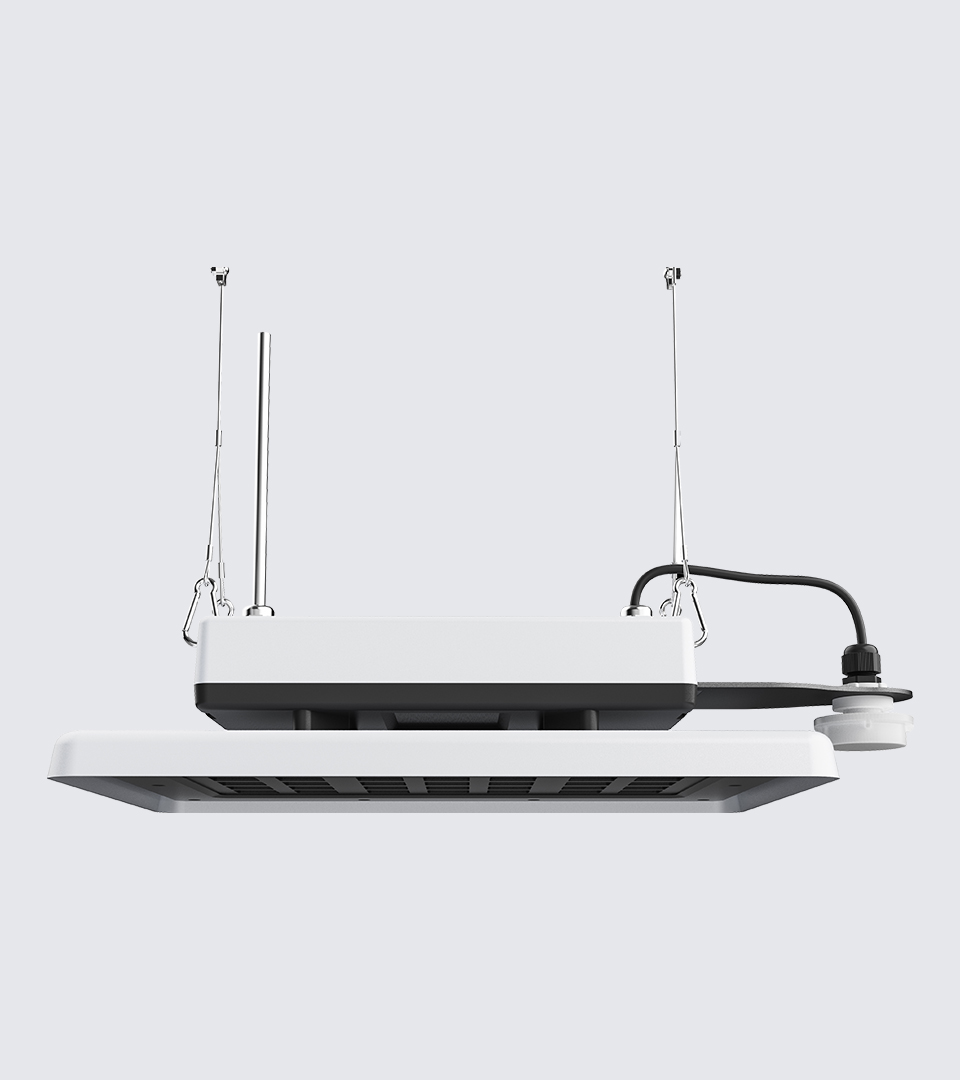
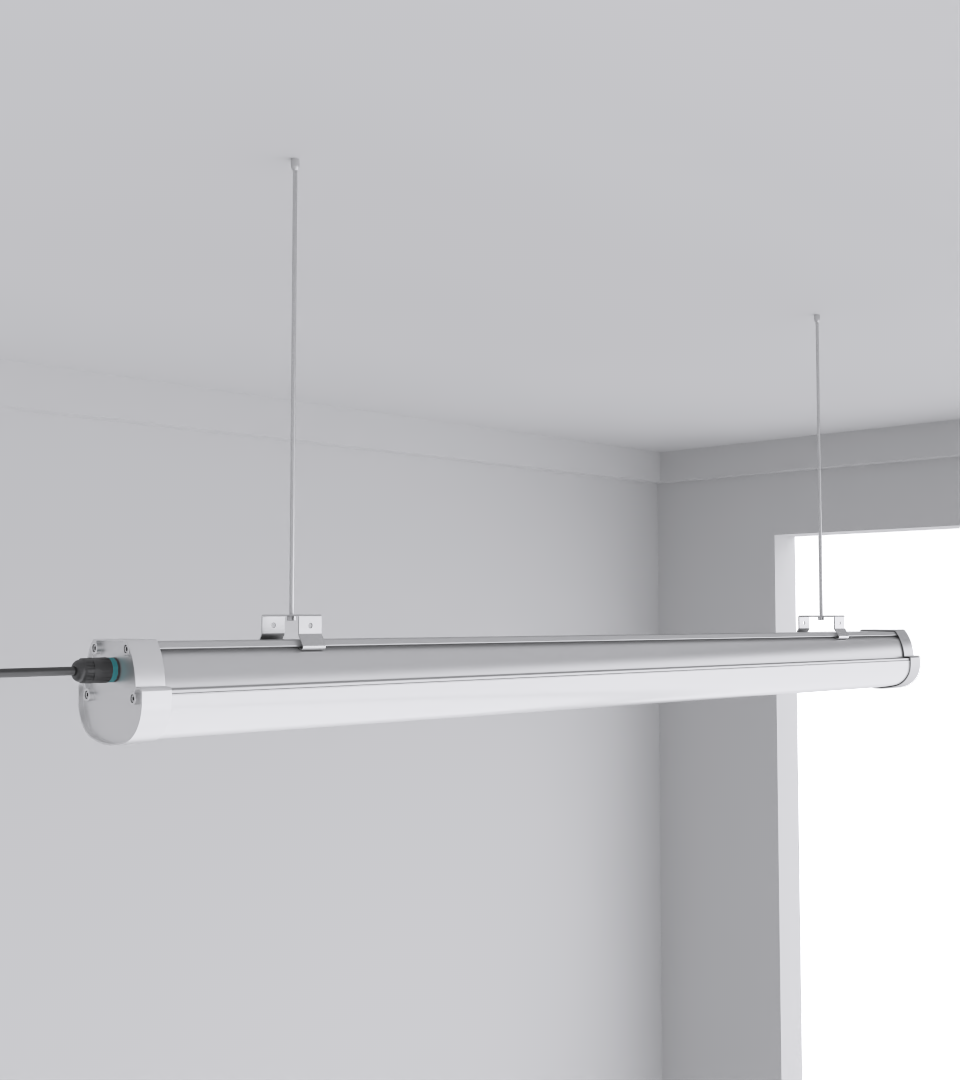
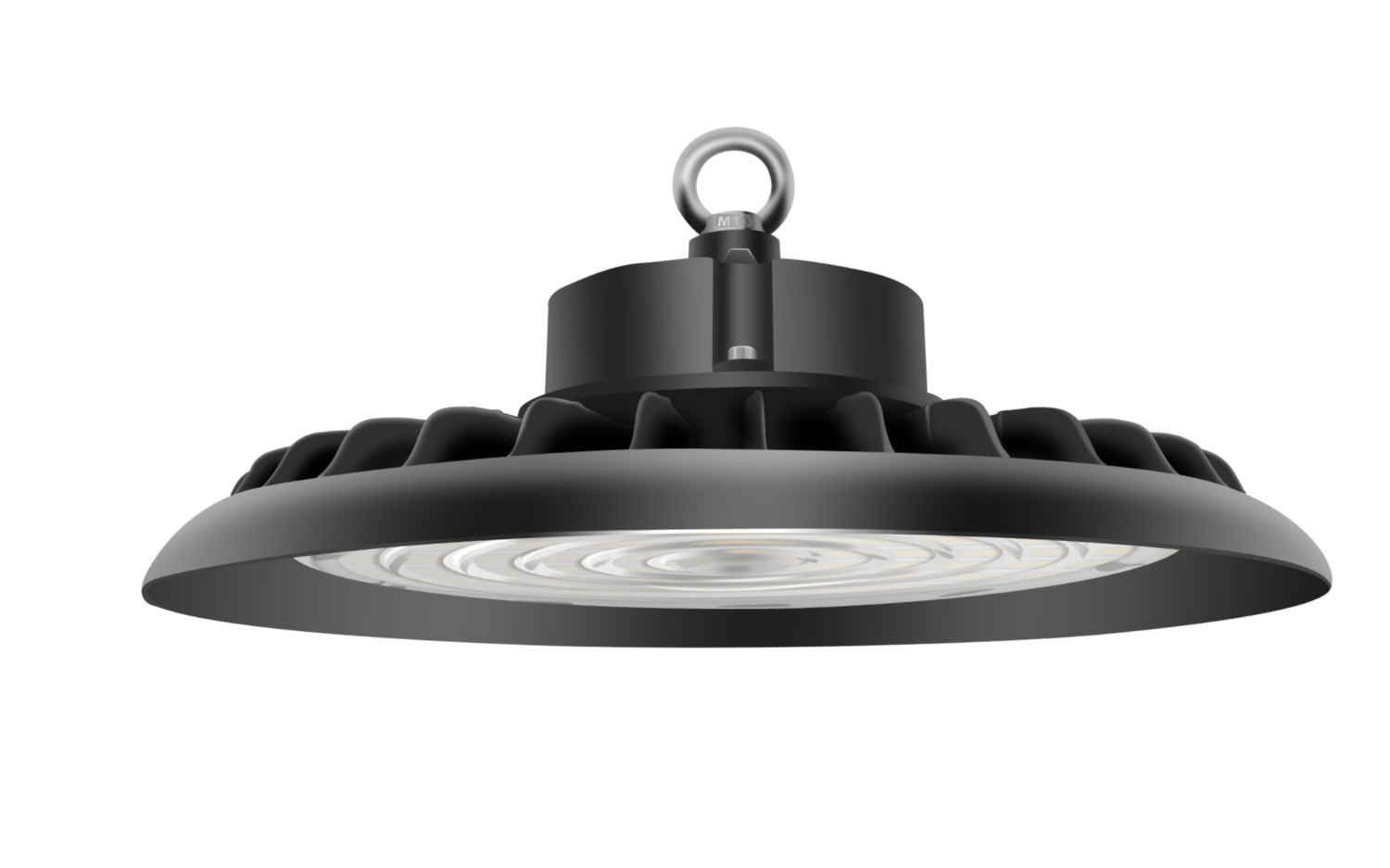
Fixtures come in various forms such as UFO high bays, linear high bays, and strip lights. Each type is suited for different areas in the data center, with linear battens being ideal for long aisles and high bays perfect for large open spaces.
Mounting Options
Mounting options such as ceiling, pendant, or wall-mounted solutions each offer different benefits in terms of light distribution and ease of installation.
Lumen Output
Calculating the appropriate lumen output based on the data center’s size and layout is critical. More lumens are required for areas with higher operational activity, while storage or server spaces may need fewer lumens.
Color Temperature
Selecting the right color temperature between 4000K to 5000K helps ensure that the lighting does not disrupt the natural circadian rhythm of data center staff while providing clear visibility.
Installation Considerations
Proper installation ensures that the lighting system operates efficiently throughout its lifespan.
Layout Planning
Efficient lighting layouts are essential for ensuring uniform illumination across the data center. Poor layout planning can lead to dark spots or excessive glare, both of which can reduce visibility and safety.
Power Supply
The choice between line voltage, low-voltage, and Power over Ethernet (PoE) systems depends on the existing infrastructure and the scale of the data center. Each system offers different advantages in terms of installation flexibility and energy consumption.
Wiring and Cabling
Using the right wiring and cabling methods is essential to ensuring safe and efficient operation. Data centers should follow best practices to avoid short circuits and ensure that power delivery is consistent.
Compliance with Standards
Adhering to standards such as TIA-942-A ensures that the lighting system meets both safety and performance requirements for data centers, providing peace of mind for operators.

Maintenance and Longevity
Maintaining low-wattage high-lumen fixtures is essential for ensuring their long-term performance and reliability.
Regular Inspections
Routine inspections help identify any issues before they lead to system failures. Ensuring that all fixtures are properly working and that no components have become damaged or faulty will reduce the need for replacements.
Cleaning Protocols
Proper cleaning methods ensure the fixtures perform optimally. Dust and debris can affect the light output and lead to overheating, so regular cleaning is recommended.
Replacement Strategies
Planning for fixture replacements when they reach the end of their life cycle is vital for avoiding unexpected downtime. This can be particularly important in data centers that operate 24/7.
Warranty and Support
Understanding the manufacturer’s warranty and support services ensures that you have access to help if issues arise, minimizing operational disruption.
Advanced Technologies
Lighting technologies continue to evolve, offering additional features to improve data center performance.
Smart Lighting Systems
Integrating sensors, dimming features, and occupancy controls can reduce energy consumption by ensuring that lights are only on when needed.
Daylight Harvesting
Leveraging natural light to reduce artificial lighting use during the day can save significant amounts of energy, especially in areas with windows or skylights.
DC Powered Lighting
DC-powered systems can help reduce energy losses compared to traditional AC-powered systems, making them a more energy-efficient option for data centers.
Intelligent Controls
IoT-driven controls can help data center operators monitor and adjust lighting in real-time, improving energy efficiency and responsiveness to operational needs.
Case Studies
Real-world examples show the effectiveness of low-wattage high-lumen fixtures in data centers.
Retrofit Projects
Several data centers have retrofitted their existing lighting systems with high-efficiency LED solutions, reducing energy costs and improving visibility without major infrastructure changes.
New Builds
For new data center projects, incorporating low-wattage high-lumen fixtures from the outset ensures a more efficient and cost-effective lighting setup.
Performance Metrics
Case studies often demonstrate that implementing these fixtures can reduce lighting energy consumption by up to 70% while improving overall illumination levels by 40%.
Cost Analysis
Upgrading to low-wattage, high-lumen fixtures involves an initial investment, but the long-term savings are substantial.
Initial Investment
The upfront costs may be higher than traditional lighting systems, but the ROI in terms of energy savings makes the investment worthwhile.
Return on Investment (ROI)
Typically, data centers can recoup their investment in energy-efficient lighting within 1-2 years due to reduced energy costs.
Incentives and Rebates
Many local and national programs offer financial incentives or rebates for upgrading to energy-efficient lighting systems, further reducing the overall cost.
Challenges and Solutions
Every lighting system faces challenges, but with the right approach, these can be easily overcome.
Heat Management
Effective thermal management solutions are crucial in preventing overheating and ensuring that the fixtures continue to perform well in high-heat environments.
Fixture Compatibility
Ensuring that new fixtures are compatible with existing systems is essential for avoiding installation headaches and costly retrofits.
Budget Constraints
While initial costs can be higher, the long-term savings on energy and maintenance often offset the investment.
Regulatory Compliance
Navigating the complex regulatory landscape can be challenging, but ensuring compliance with standards like TIA-942-A guarantees safety and performance.
Future Trends
The future of lighting in data centers is exciting, with several trends shaping the industry.
Emerging Technologies
Advancements in smart lighting and wireless control systems are driving innovation in data center lighting.
Sustainability Goals
Sustainability will continue to be a major driving force, with data centers looking for ways to reduce their environmental footprint.
Industry Standards Evolution
As energy efficiency becomes a higher priority, expect continued developments in lighting standards and technologies to support data center growth.
Conclusion
Low-wattage, high-lumen fixtures are a game-changer for data centers looking to reduce energy consumption, enhance operational efficiency, and maintain a high standard of performance. By selecting the right fixtures, focusing on proper installation, and embracing advanced technologies, data centers can achieve long-term savings while adhering to industry standards.
Frequently Asked Questions (FAQ)
Q1: How much energy can I save by switching to low-wattage high-lumen fixtures?
A1: Data centers can save up to 70% on lighting energy costs by switching to low-wattage, high-lumen LED fixtures.
Q2: What is the best color temperature for data center lighting?
A2: 4000K to 5000K is ideal for data centers, providing a neutral white light that supports visibility and minimizes glare.
Q3: How often do I need to replace low-wattage high-lumen fixtures?
A3: High-quality LED fixtures can last up to 50,000-100,000 hours, reducing the frequency and cost of replacements.
Q4: Can smart controls be integrated into low-wattage high-lumen fixtures?
A4: Yes, smart lighting controls such as occupancy sensors and dimming features can be integrated into these fixtures for further energy savings.