
Maximizing Energy Efficiency: How Reducing Phantom Lighting Loads in Data Centers Can Cut Costs and Improve Performance
–
- Understanding Phantom Lighting Loads
- Impact on Energy Efficiency and Operational Costs
- Technological Solutions to Mitigate Phantom Lighting Loads
- Best Practices for Lighting Design and Management
- Case Studies and Real-World Applications
- Regulatory and Industry Standards
- Future Trends in Data Center Lighting
- Frequently Asked Questions (FAQ)
Key Takeaways
| Feature or Topic | Summary |
|---|---|
| Phantom Lighting Loads | Unnecessary energy draw from lighting systems, affecting energy consumption without visible benefit. |
| Impact on PUE | Phantom loads negatively affect Power Usage Effectiveness, reducing overall energy efficiency. |
| Technological Solutions | LED lighting, motion sensors, and advanced control systems help minimize phantom lighting loads. |
| Energy Efficiency Benefits | Mitigating phantom lighting loads leads to lower energy bills and contributes to sustainability goals. |
Introduction to Phantom Lighting Loads
Phantom lighting loads refer to energy consumption from lighting systems that are either on unnecessarily or consume power when not needed. In data centers, lighting is essential for both functionality and safety. However, traditional lighting systems often remain operational longer than necessary, leading to inefficiency.
Energy Consumption in Data Centers
Lighting accounts for a small but significant percentage of a data center’s energy consumption. Phantom loads, although often overlooked, contribute to unnecessary power draw. Data centers are under increasing pressure to optimize energy use, not just for cost savings but also for environmental sustainability.
Impact on Energy Efficiency and Operational Costs
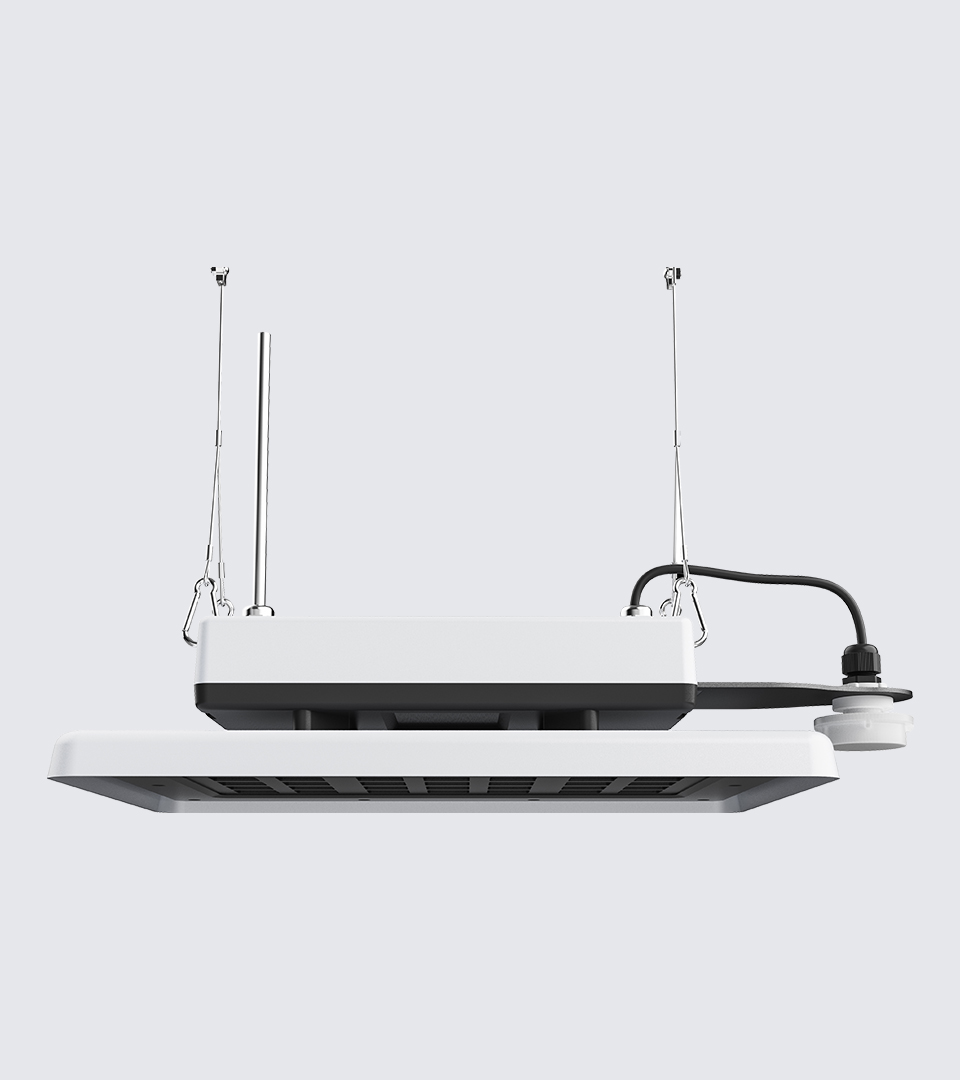
Phantom lighting loads increase overall energy consumption, which directly impacts operational costs in data centers. This is especially critical for facilities operating 24/7, where every watt counts.
Financial Implications
The energy used by phantom loads is wasted, contributing to inflated electricity bills and potentially higher cooling costs. It also impacts the data center’s Power Usage Effectiveness (PUE) metric, a key indicator of energy efficiency.
- Energy Wastage: Lighting systems that stay on unnecessarily contribute to wasted energy, significantly raising operational costs.
- Cooling Costs: More energy consumed by lighting means more heat generated, increasing the load on cooling systems.
Explore how to reduce your data center’s PUE
Technological Solutions to Mitigate Phantom Lighting Loads
Several technologies and practices can help reduce phantom lighting loads in data centers, making them more energy-efficient.
LED Lighting Systems
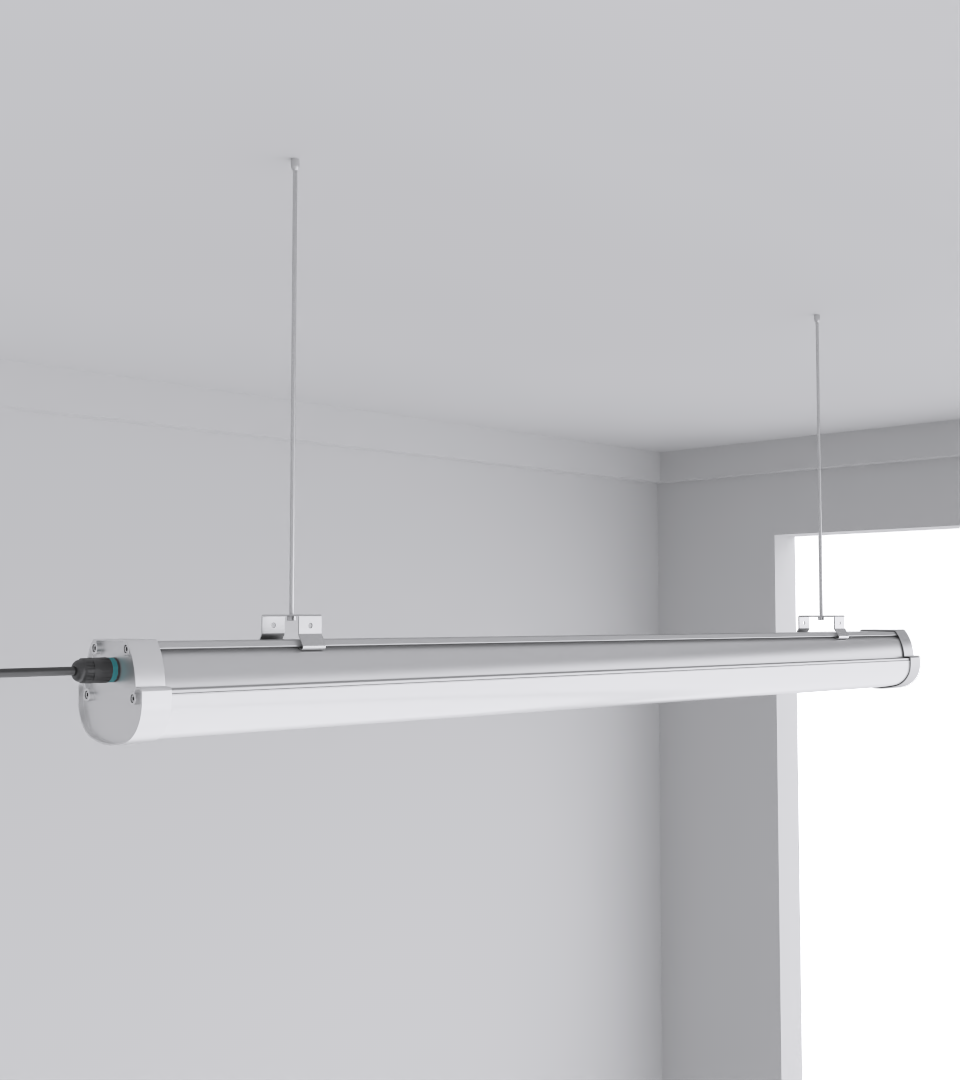
LED lighting uses significantly less power compared to traditional lighting technologies. In addition, LED systems can be equipped with dimming capabilities, further reducing energy consumption.
Motion Sensors and Occupancy-Based Controls
Implementing motion sensors and occupancy-based control systems ensures that lights are only on when needed. This prevents lights from running in unused areas, cutting down on unnecessary energy usage.
Advanced Lighting Control Systems
Systems that integrate timers, daylight sensors, and IoT connectivity can intelligently control the lighting, adjusting it based on time of day and occupancy patterns.
Learn more about smart lighting integration in data centers
Best Practices for Lighting Design and Management
Reducing phantom loads begins with thoughtful design and operational practices. Simple changes to how lighting is managed can have a significant impact on energy efficiency.
- Designing Efficient Lighting Layouts: Planning lighting layouts to avoid over-illumination is key.
- Scheduling and Maintenance Protocols: Establishing lighting schedules ensures that lights are turned off after hours.
- Employee Training: Training facility staff on energy-efficient lighting practices helps reinforce energy-saving habits.
View energy-efficient lighting solutions for retail and commercial spaces
Case Studies and Real-World Applications
Here are some real-world examples of how addressing phantom lighting loads in data centers has led to significant energy savings:
Example 1: Data Center in Johor
In a large data center in Johor, the transition to LED lights and motion sensors in hallways reduced energy consumption by 20%, lowering both lighting and cooling costs.
Example 2: Energy Savings at a Global Data Center
A multinational data center company integrated advanced lighting control systems, achieving a 30% reduction in lighting energy usage within the first six months.

Discover more case studies on data center lighting
Regulatory and Industry Standards
Data centers must comply with various regulations and standards to ensure energy efficiency. These include guidelines from organizations like ASHRAE and LEED, which outline energy-efficient building practices.
Compliance Benefits
- Incentives and Rebates: Governments offer incentives for energy-efficient lighting solutions.
- Energy Star Certification: Data centers that meet specific energy criteria can gain access to certification, improving their environmental profile.
Learn about data center standards
Future Trends in Data Center Lighting
The future of lighting in data centers is marked by innovations like AI-driven lighting management and IoT integration. These technologies enable real-time adjustments and predictive energy savings.
AI and IoT Integration
- Predictive Lighting: AI systems will forecast lighting needs, adjusting the intensity based on occupancy and ambient light.
- Smart Building Integration: IoT will link lighting systems with other energy management devices, optimizing energy use across the entire facility.
Learn more about the future of lighting in data centers
Frequently Asked Questions (FAQ)
What are phantom lighting loads?
Phantom lighting loads are energy losses from lighting systems that continue to consume power even when not providing necessary illumination.
How can I reduce phantom lighting loads in my data center?
Switching to energy-efficient LED lighting, integrating occupancy sensors, and utilizing advanced lighting control systems are effective strategies.
What is the impact of phantom loads on my data center’s energy efficiency?
Phantom lighting loads increase energy consumption and negatively affect Power Usage Effectiveness (PUE) ratios, leading to higher operational costs.
Can AI and IoT help in reducing phantom lighting loads?
Yes, AI-driven lighting systems and IoT integration can optimize lighting schedules and adjust illumination in real time based on occupancy and ambient light.