
Maximizing Heat Resistance in Emergency Lighting: Essential for Data Center Safety and Operational Continuity
–
- Introduction
- Understanding Heat Resistance in Emergency Fixtures
- Regulatory Standards and Compliance
- Selecting Heat-Resistant Emergency Fixtures
- Installation Considerations
- Maintenance and Testing Protocols
- Case Studies and Real-World Applications
- Future Trends and Innovations
- Conclusion
- Frequently Asked Questions (FAQ)
Key Takeaways
| Feature or Topic | Summary |
|---|---|
| Heat Resistance Benefits | Ensures emergency fixtures perform reliably under high heat conditions, crucial in data centers. |
| Compliance with Standards | Adherence to regulations such as UL 924 and NEC is essential for ensuring fixture safety and reliability. |
| Fixture Selection | Consider factors like temperature tolerance, materials, and battery life to ensure fixture performance. |
| Maintenance Best Practices | Routine inspections and battery checks are vital for keeping fixtures operational in emergencies. |
Introduction
Emergency lighting in data centers isn’t just a regulatory requirement—it’s a critical component for ensuring operational continuity during emergencies. With the increasing reliance on technology and the massive amount of data processed daily, maintaining proper lighting systems during power failures becomes indispensable. Data centers are subject to elevated temperatures due to the heat generated by servers and equipment. Emergency fixtures must be able to withstand these high heat conditions, ensuring they continue functioning when they are needed the most.

Understanding Heat Resistance in Emergency Fixtures
Heat resistance refers to a fixture’s ability to continue operating effectively under high temperatures. For data centers, this means fixtures must perform reliably in temperatures that can exceed 40°C or higher.
Materials Used in Heat-Resistant Fixtures
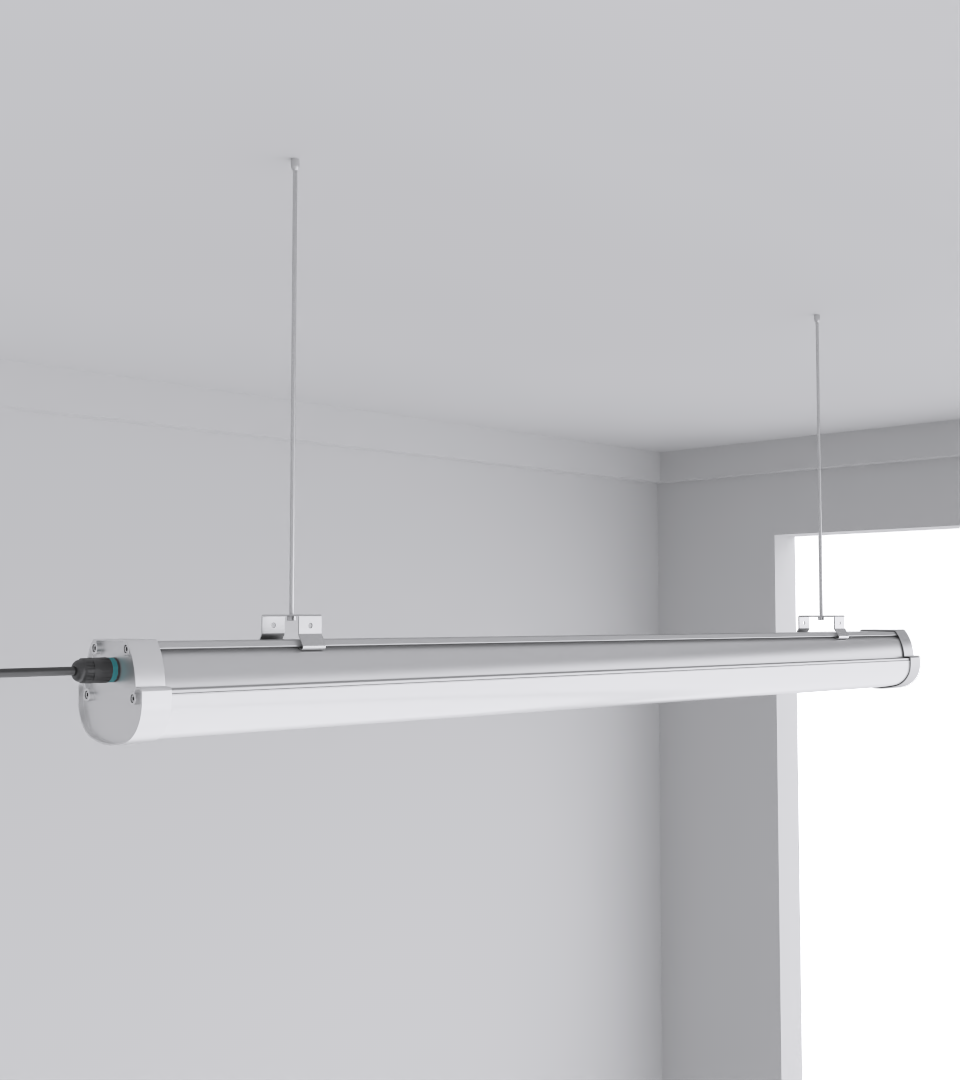
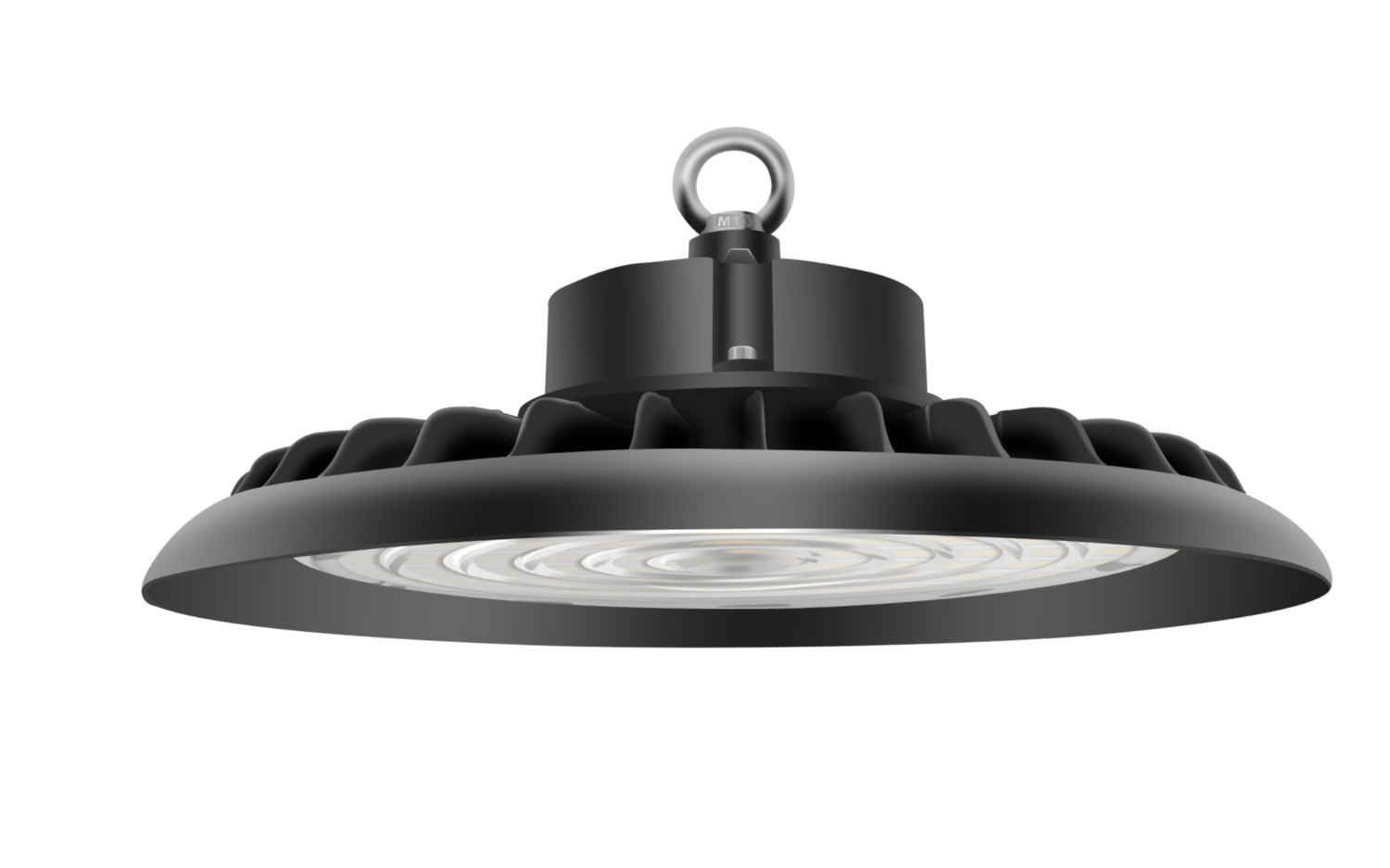
Common materials that enhance heat resistance in lighting fixtures include flame-retardant thermoplastics, high-grade aluminum for heat dissipation, and specialized coatings that prevent degradation from thermal exposure.
Temperature Ratings and Fixture Performance
Each fixture has a rated temperature tolerance, and exceeding this temperature can result in malfunction or complete failure. Choosing the right fixture with a sufficient temperature rating ensures longevity and operational reliability.
Regulatory Standards and Compliance
Data center emergency lighting must comply with several industry standards to ensure safety and functionality. The most important standards include:
- UL 924: Provides guidelines for emergency lighting equipment, ensuring fixtures remain operational during power interruptions.
- NFPA 70: Establishes the National Electrical Code (NEC) which governs the installation of lighting systems, including requirements for emergency lighting in high-risk areas like data centers.
- NEC: Mandates temperature and safety considerations in electrical installations, including emergency fixtures.
Non-compliance can lead to costly penalties and, more critically, safety hazards during emergencies.
Selecting Heat-Resistant Emergency Fixtures
When selecting heat-resistant emergency lighting fixtures for data centers, key factors to consider include:
- Temperature Range: Ensure the fixture can handle the maximum operating temperature of the data center.
- Material Durability: Choose materials that maintain integrity and performance at higher temperatures.
- Battery Life: Long-lasting batteries that can withstand high temperatures without degradation are crucial for ensuring reliability during emergencies.
Fixture Comparisons
Comparing fixture types (LED vs fluorescent) is also important, as LED fixtures typically offer better heat resistance and energy efficiency.
Installation Considerations
Proper installation is vital to ensure the heat resistance of emergency lighting fixtures. Key considerations include:
- Placement: Fixtures should be strategically placed to ensure coverage in areas that are critical during power failures.
- Integration with Infrastructure: Emergency lighting should integrate seamlessly with HVAC and fire suppression systems to maximize safety.
- Compliance with Safety Codes: Installations must comply with national and international safety codes, ensuring accessibility and proper spacing.

Maintenance and Testing Protocols
Routine maintenance and testing are necessary to ensure emergency lighting fixtures remain heat-resistant and functional during a crisis. This includes:
- Inspection: Regular checks for wear and tear, especially on the housing and wiring.
- Battery Testing: Monitoring battery health and replacing batteries at the recommended intervals.
- Thermal Performance Testing: Ensuring fixtures are not affected by thermal stress over time.
Case Studies and Real-World Applications
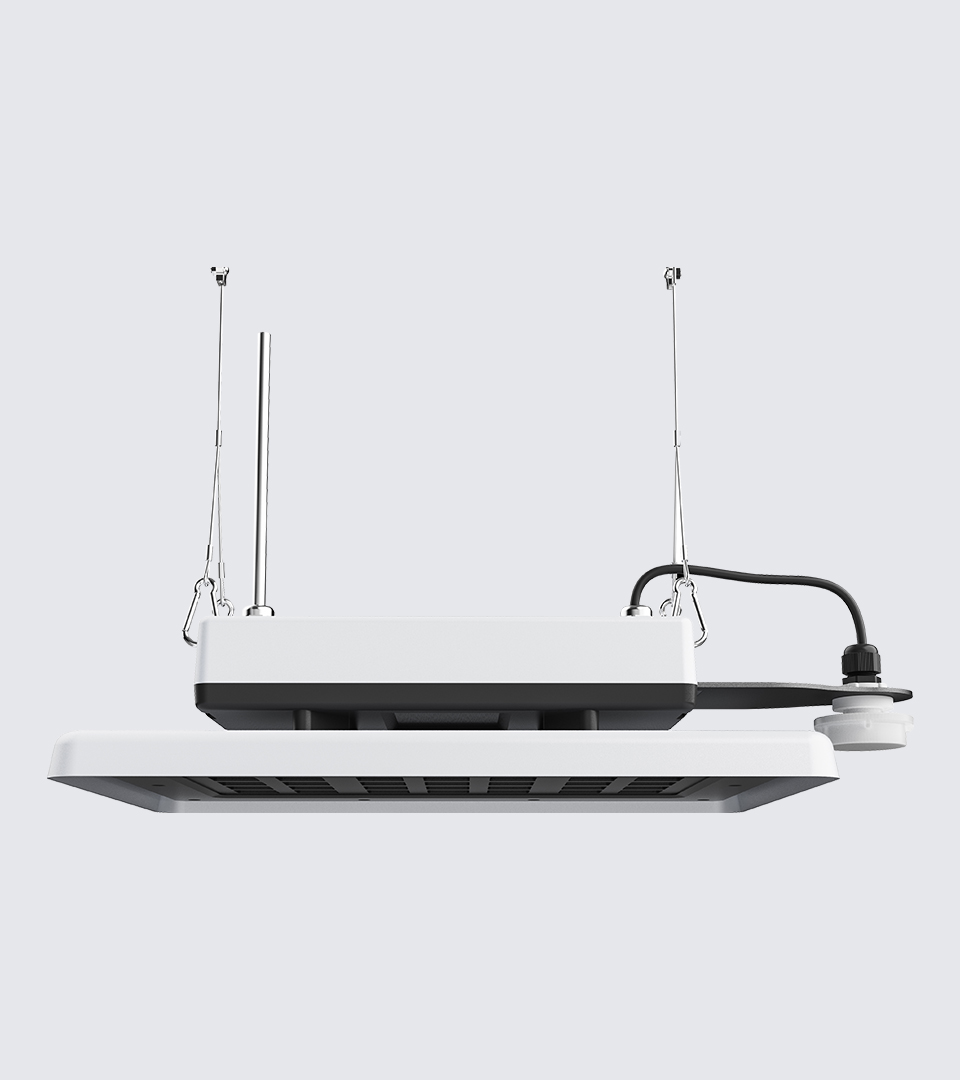
Several data centers have successfully implemented heat-resistant emergency lighting, resulting in fewer incidents and improved safety. For example, in a large logistics hub in Thailand, CAE Lighting’s Squarebeam Elite fixtures maintained consistent performance during a power outage, even with temperatures reaching 45°C.
Future Trends and Innovations in Emergency Lighting
The future of emergency lighting in data centers looks bright with technological innovations on the horizon. Key developments include:
- LED Advancements: Newer LED technologies offer better heat management, reducing energy consumption and heat output.
- Smart Lighting Integration: Emergency lighting systems are becoming more intelligent, with IoT integration allowing for remote monitoring and management.
- Regulatory Shifts: As data centers continue to grow, expect stricter regulations around thermal management and energy efficiency for emergency fixtures.
Conclusion
In conclusion, ensuring heat resistance in emergency lighting is crucial for the safety and operational continuity of data centers. Selecting the right fixtures, following regulatory standards, and committing to regular maintenance can make all the difference in preventing failures during critical moments. Data center managers and operators must prioritize heat resistance when specifying and maintaining emergency lighting systems, as even minor temperature fluctuations can lead to significant safety risks.
Frequently Asked Questions
1. What is the importance of heat resistance in emergency lighting?
Heat resistance ensures that emergency lighting systems can continue to function in high-temperature environments, which is critical in data centers where equipment generates significant heat.
2. How do I know if an emergency lighting fixture is heat-resistant?
Look for fixtures with high temperature ratings, typically specified in product documentation. Ensure they are made from durable materials that can withstand high temperatures without failing.
3. What are the best materials for heat-resistant emergency fixtures?
Common materials include flame-retardant thermoplastics, aluminum housings for heat dissipation, and high-performance LED components.
4. Can heat-resistant emergency fixtures be used in other high-temperature environments?
Yes, fixtures designed for data centers can also be used in other environments that experience high temperatures, such as manufacturing plants or storage facilities.
5. What maintenance is required for heat-resistant emergency fixtures?
Regular inspection, battery health checks, and thermal performance testing are essential to ensure continued functionality.