
Mitigating Flicker and Glare in Data Centers: Lighting Standards, Health Risks, and Real-World Solutions
- Why Flicker and Glare Matter in Data Centers
- The Mechanics of Flicker in LED Lighting
- What Exactly Is Glare — and Why It’s Worse in Data Centers
- Health Risks from Prolonged Exposure
- Measurement & Compliance
- Fixing the Problem — What Actually Works
- Layout Planning & Ergonomics
- Final Advice: Train, Measure, Repeat
- Frequently Asked Questions
Key Takeaways
| Feature or Topic | Summary |
|---|---|
| Flicker | Often caused by PWM dimming or poor drivers in LED lighting. Invisible flicker (>80Hz) can still trigger fatigue and headaches. |
| Glare | Comes from high-luminance contrast or poorly placed fixtures. Causes eye strain, discomfort, and increased error rates. |
| Vulnerable Staff | Shift workers, older employees, those with neurological conditions are more sensitive. |
| Measurement Tools | Flickermeters, luxmeters, and glare index calculations are essential for baseline audits. |
| Health Impacts | Migraines, eye strain, circadian rhythm disruptions, reduced alertness. |
| Standards | IEEE 1789, ICNIRP, WELL v2, OSHA, and ISO 45001 provide flicker/glare thresholds and guidance. |
| Solutions | Use flicker-free luminaires, anti-glare optics, smart dimming controls, and staff training. |
| Real-World ROI | Reduced absenteeism, fewer safety incidents, improved staff performance. |
The Ultimate Guide to Flicker & Glare in Data Centers: Health Risks, Standards & Mitigation
1. Why Flicker and Glare Matter in Data Centers
Data centers operate 24/7. That means lighting systems do too. If you’re running high-output luminaires that flicker or produce harsh glare, you’re not just hurting your power efficiency — you’re creating a long-term occupational health issue.
Flicker isn’t always visible. Some systems pulse at rates above 100Hz — high enough that we don’t consciously see it, but still enough to cause neurological stress.
Glare? It’s more obvious. Server racks reflect it. White floors bounce it. You’ll notice it at 2AM during shift three, when someone gets a migraine.
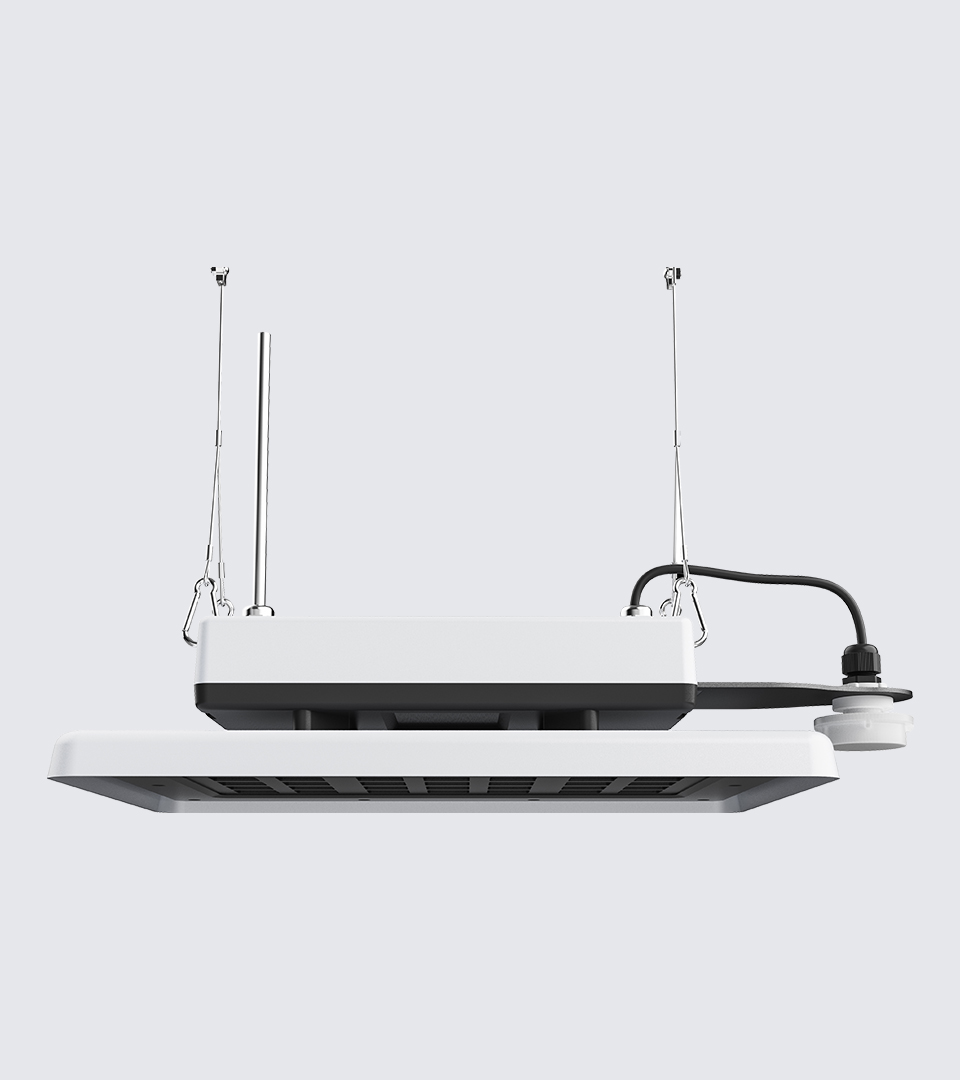
2. The Mechanics of Flicker in LED Lighting
- PWM Dimming: Most LED dimmers use Pulse Width Modulation. Fast on/off cycling controls brightness — but still creates oscillation.
- Driver Quality: Cheap drivers? More flicker.
- AC Ripple: Power fluctuations from AC input cause luminance shifts.
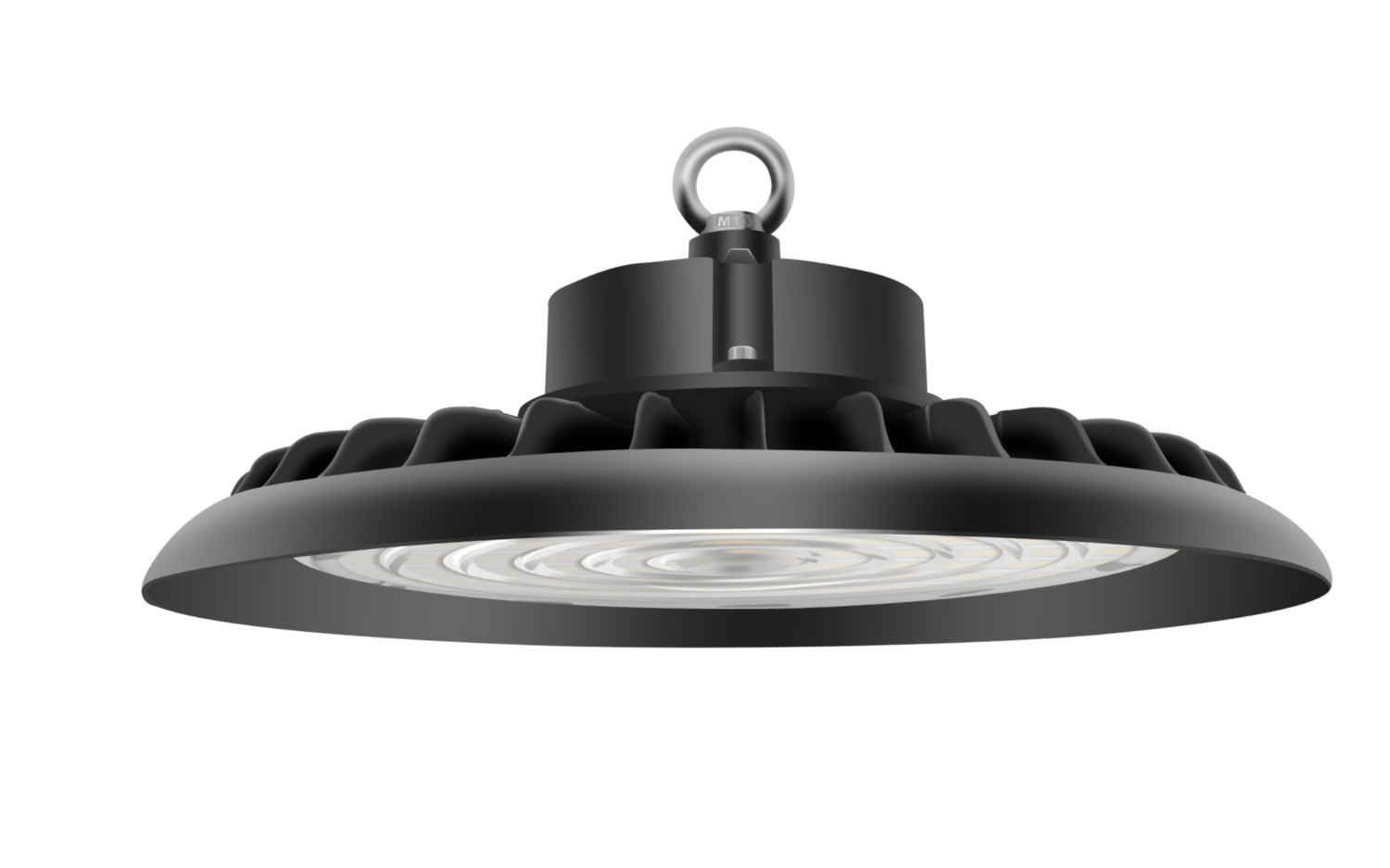
3. What Exactly Is Glare — and Why It’s Worse in Data Centers
- Discomfort Glare: Annoying but doesn’t impair vision.
- Disability Glare: Obstructs visibility — serious risk.
Why it’s worse in data centers:
- Reflective metal servers amplify contrast
- Floor reflectance can double perceived brightness
- Eye adaptation is slow in cold-white, high-lux zones
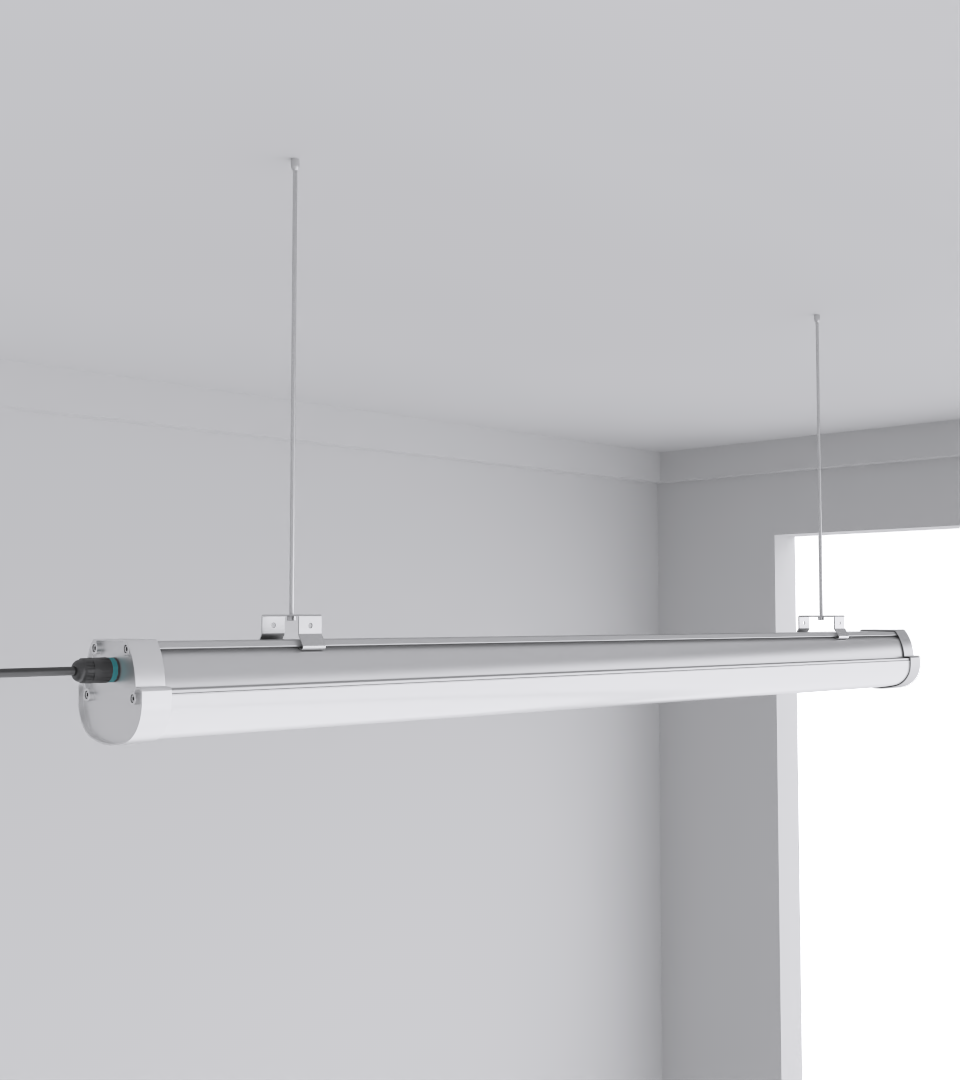
4. Health Risks from Prolonged Exposure
- Migraines and eye fatigue from high contrast lighting
- Increased accident rates from visibility impairment
- Circadian disruption from blue-heavy, inconsistent light

5. Measurement & Compliance
- Flickermeter or high-speed photometer
- Unified Glare Rating (UGR) meter or simulation
- Baseline audit: compare daytime/nighttime shifts

6. Fixing the Problem — What Actually Works
- Switch to DC-powered, flicker-free drivers
- Use diffusers and lensing to reduce glare angles
- Install tunable white lighting where night shifts rotate
- Integrate sensors with soft-start dimming
7. Layout Planning & Ergonomics
- Avoid direct downlight over screens
- Use angled fixtures near reflective racks
- Provide ambient + task zones separately
8. Final Advice: Train, Measure, Repeat
- Spotting symptoms of flicker sensitivity
- How to report lighting issues
- When to call for a lighting audit
Frequently Asked Questions
1. How do I know if my lights are flickering?
Use a smartphone slow-mo camera or flickermeter.
2. Is glare just brightness?
No. It’s contrast between bright and dark zones that causes eye strain.
3. Are older staff more at risk?
Yes. Aging eyes adapt more slowly and are more glare-sensitive.
4. What’s the ideal lux level in server rooms?
200–300 lux ambient, with task lighting under 500 lux.
5. Can LED lighting cause health issues?
Poor quality LED drivers can — through invisible flicker and blue light exposure.
6. How often should I audit lighting?
Every 6–12 months or after any system upgrade.