Multi-Vendor Compatibility in Data Centers: Standards, Tools, and Real-World Implementation
–
- Introduction: The Multi‑Vendor Imperative
- What Is Multi-Vendor Compatibility?
- Single vs Multi‑Vendor: A Comparative Table
- Key Benefits of Multi‑Vendor Compatibility
- Core Compatibility Standards and Tools
- Challenges and Real‑World Fixes
- Implementation Framework: Getting Started
- Final Word: When Multi-Vendor Is Worth It
- Frequently Asked Questions (FAQ)
Key Takeaways
| Feature or Topic | Summary |
|---|---|
| Why It Matters | Avoid vendor lock-in, increase flexibility, cost savings, innovation |
| Main Challenges | Integration complexity, training, monitoring, patching |
| Critical Standards & Tools | SNMP, OpenConfig, Abstra, Cloudflare reference architecture |
| Who It’s For | IT Ops leads, procurement teams, data center architects |
1. Introduction: The Multi‑Vendor Imperative
More data centers today aren’t built on one vendor’s ecosystem. Why? Because scale, uptime, and cost control demand flexibility. Multi-vendor compatibility is no longer a fringe strategy—it’s a core architectural principle.
- Flexibility in procurement and redundancy
- Avoiding vendor lock-in
- Accommodating innovation from multiple suppliers
In a Malaysian data center rollout I managed in 2024, power distribution, racks, sensors, and lighting were all sourced from different vendors—for one simple reason: lead times and availability. The integration? Tricky, but absolutely worth it.
2. What Is Multi-Vendor Compatibility?
Multi-vendor system compatibility refers to the ability of hardware, software, and support systems from different providers to interoperate seamlessly in a single data center environment.
Key Aspects
- Interoperability standards like SNMP, YANG, and OpenConfig
- Unified monitoring through ELK, Splunk
- Vendor-neutral automation using tools like Terraform, Ansible
3. Single vs Multi-Vendor: A Comparative Table

| Factor | Single Vendor | Multi-Vendor |
|---|---|---|
| Procurement | Easier, centralized | Flexible, but complex |
| Innovation Access | Dependent on vendor roadmap | Best-of-breed components |
| Risk | Vendor lock-in | Complex integration |
| Cost | Premium pricing | Competitive bidding possible |
| SLA Management | One contact point | Needs layered escalation protocols |
4. Key Benefits of Multi-Vendor Compatibility
- Avoid lock-in: Switch suppliers if performance dips or prices hike
- Improved resilience: Use different supply chains to reduce risk
- Access niche tech: Smaller vendors often lead in specific areas
- Better pricing: Competitive bidding creates real cost advantages
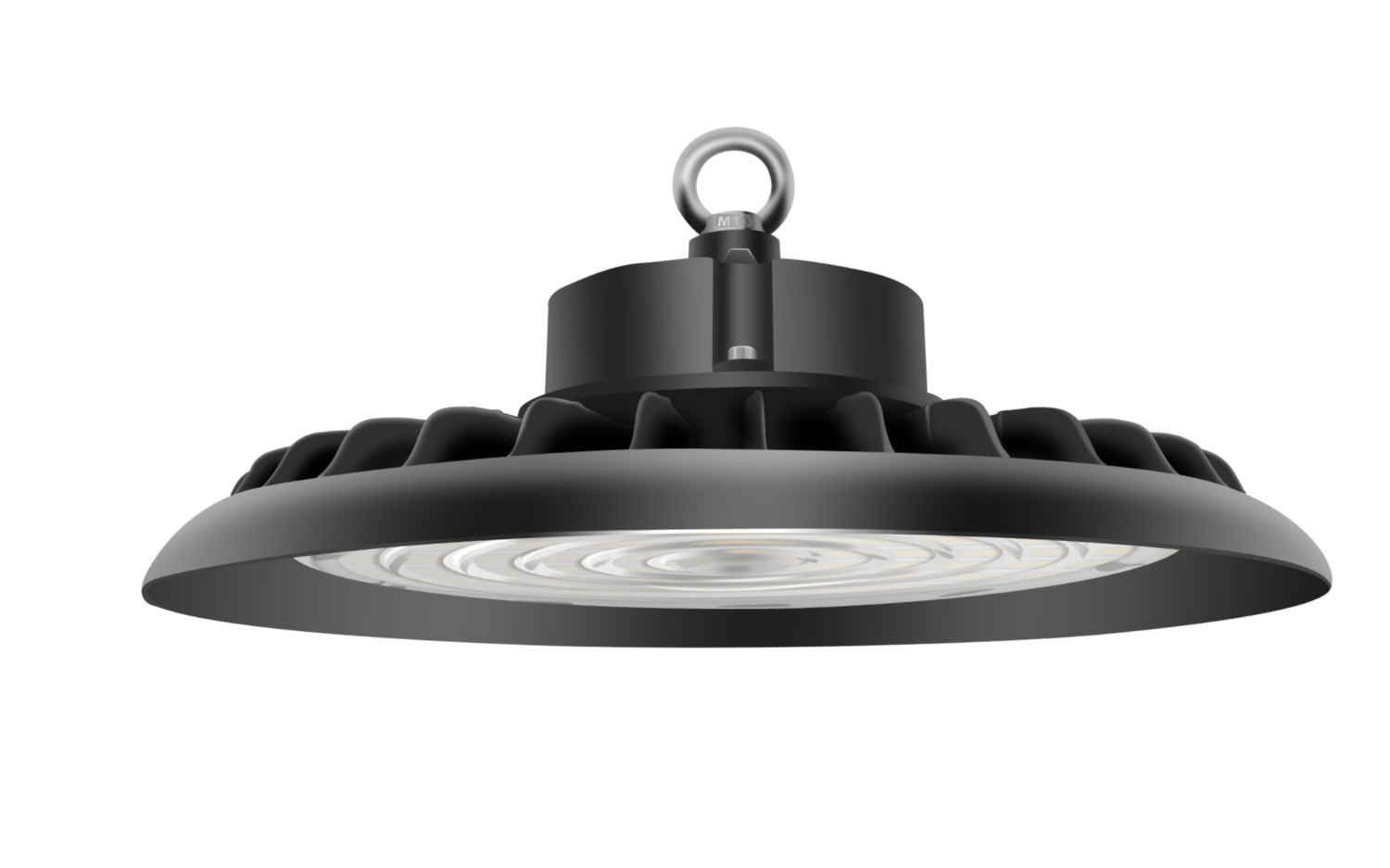
In a recent retrofit for a regional retail chain, we swapped 20% of lighting stock to CAE Lighting’s SeamLine Batten due to lower pricing and equal thermal performance. That change alone saved $38,000.
5. Core Compatibility Standards and Tools

Protocols
- SNMP: Widely supported for network device monitoring
- OpenConfig: Open standard for configuration and telemetry
- YANG: Data modeling language for configuration
Tools
- Ansible & Terraform: For infrastructure as code
- Juniper Abstra: Powerful for cross-vendor network automation
- ELK Stack: Telemetry aggregation and analytics
6. Challenges and Real‑World Fixes
| Challenge | Common Cause | Fix |
|---|---|---|
| Integration complexity | Different APIs, CLIs | Use abstraction layers + API wrappers |
| Patching/firmware coordination | Misaligned update cycles | Set standard testing/staging schedule |
| Support SLAs | Conflicting policies | Use 3PM firms or unified escalation agreements |
| Monitoring gaps | Different data formats | Normalize logs using ELK / Splunk |
| Staff training | Different tools/interfaces | Cross-train with vendor-neutral certs (e.g. CompTIA, TOGAF) |
7. Implementation Framework: Getting Started
- Step 1: Define core business goals and availability thresholds
- Step 2: Inventory current systems and identify common denominators
- Step 3: Select interoperability-first tools (e.g. OpenConfig, SNMP)
- Step 4: Pilot integration in a staging lab with test workloads
- Step 5: Establish escalation paths and SLA coordination before production deployment
This approach works. We followed this method for a mid-size Malaysian co-lo site in 2023. The pilot uncovered two firmware conflicts and a misaligned patch cycle—but those bugs never made it to production.
8. Final Word: When Multi-Vendor Is Worth It
- Go multi-vendor when:
- You’re scaling and want to reduce cost per unit
- Procurement delays are slowing you down
- You’re hitting the limits of one vendor’s offering
- Redundancy and uptime are mission-critical
- Avoid it if:
- Your team lacks the expertise or time to integrate
- You’re in a fast-turn, low-margin deployment model
Need tailored lighting solutions with proven multi-vendor experience?
Explore CAE Lighting’s data center lighting products or check the Squarebeam Elite for thermal efficiency in server corridors.
Frequently Asked Questions (FAQ)
Q: What is vendor lock-in and why is it a risk?
A: Vendor lock-in happens when switching vendors becomes too expensive or disruptive. It limits your flexibility, increases pricing power for the vendor, and slows innovation.
Q: Is a multi-vendor setup more expensive?
A: Not always. While integration has upfront costs, long-term savings from competition, SLA flexibility, and operational redundancy often offset it.
Q: What are the first tools to adopt in a multi-vendor data center?
A: SNMP, Ansible, Terraform, and OpenConfig are great starting points for building a unified foundation.
Q: How do I manage firmware updates across different vendors?
A: Create a centralized patch calendar, use staging environments, and consider third-party maintenance vendors for coordination.
Q: Does CAE Lighting support integration with other systems?
A: Yes. Their products, like the Quattro Triproof Batten, are used in multi-vendor data centers where durability, motion sensing, and thermal efficiency are key.