
NFPA 75 Compliance in Data Centers: Fire Protection, Emergency Systems, and Lighting Safety Explained
–
- Introduction to NFPA Standards in Data Centers
- What Is NFPA 75 and Why It Matters
- Lighting System Fire Safety: Overlooked Compliance Needs
- Emergency Lighting Requirements Under NFPA 101
- Emergency Power-Off (EPO) and Backup Power Systems
- Smoke Detection and Suppression System Integration
- Common NFPA Violations in Lighting Installations
- How CAE Lighting Fixtures Align with NFPA Compliance
- Frequently Asked Questions (FAQ)
Key Takeaways
| Feature or Topic | Summary |
|---|---|
| NFPA 75 Overview | Sets fire protection requirements for IT equipment environments. |
| Applicability | Applies to facilities with high-value or mission-critical electronics. |
| Lighting Compliance | Emergency lighting, fire-resistant fixtures, and sensor compatibility must meet NFPA codes. |
| Emergency Protocols | EPO switches, backup power, and suppression systems must follow NFPA 75 and 110. |
1. Introduction to NFPA Standards in Data Centers
Data centers are not just racks and blinking lights—they’re fire-prone environments loaded with high-density electronics. The National Fire Protection Association (NFPA) defines specific standards to reduce risks. NFPA 75 is central to fire safety, but it doesn’t live alone. Codes like NFPA 70 (NEC), NFPA 76, and NFPA 101 also play a role. The goal? Prevent loss of data, life, and millions of dollars.
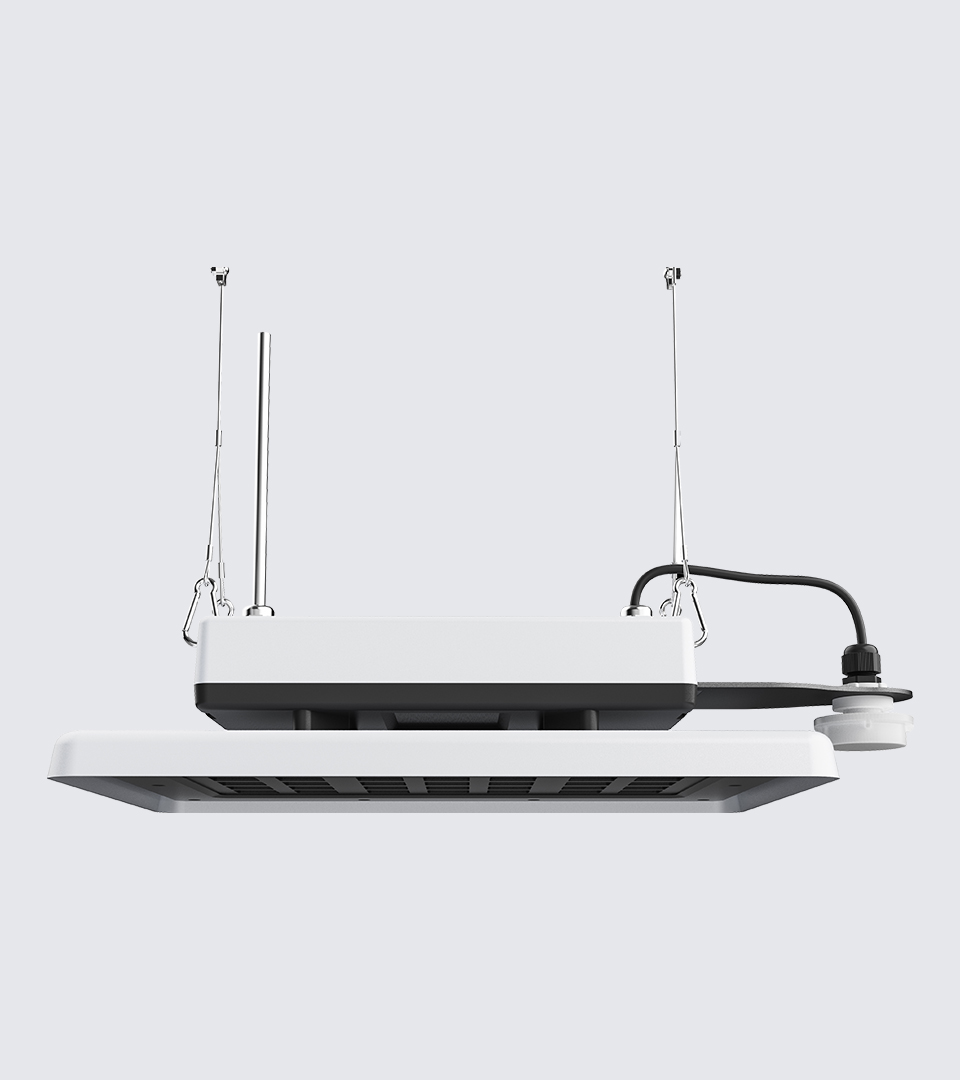
Most facility managers don’t realize this, but even lighting systems need fire-safe integration—from fixture heat profiles to emergency backup pathways. We’ve seen non-compliance wipe out entire build approvals.
2. What Is NFPA 75 and Why It Matters
NFPA 75 provides the framework for fire protection of IT equipment. That includes:
- Data halls
- Server rooms
- UPS & battery spaces
- Cable trays and risers
It sets minimum thresholds for detection, suppression, and infrastructure design. Why’s it matter? Because equipment downtime is expensive. And because insurers require it.
3. Lighting System Fire Safety: Overlooked Compliance Needs
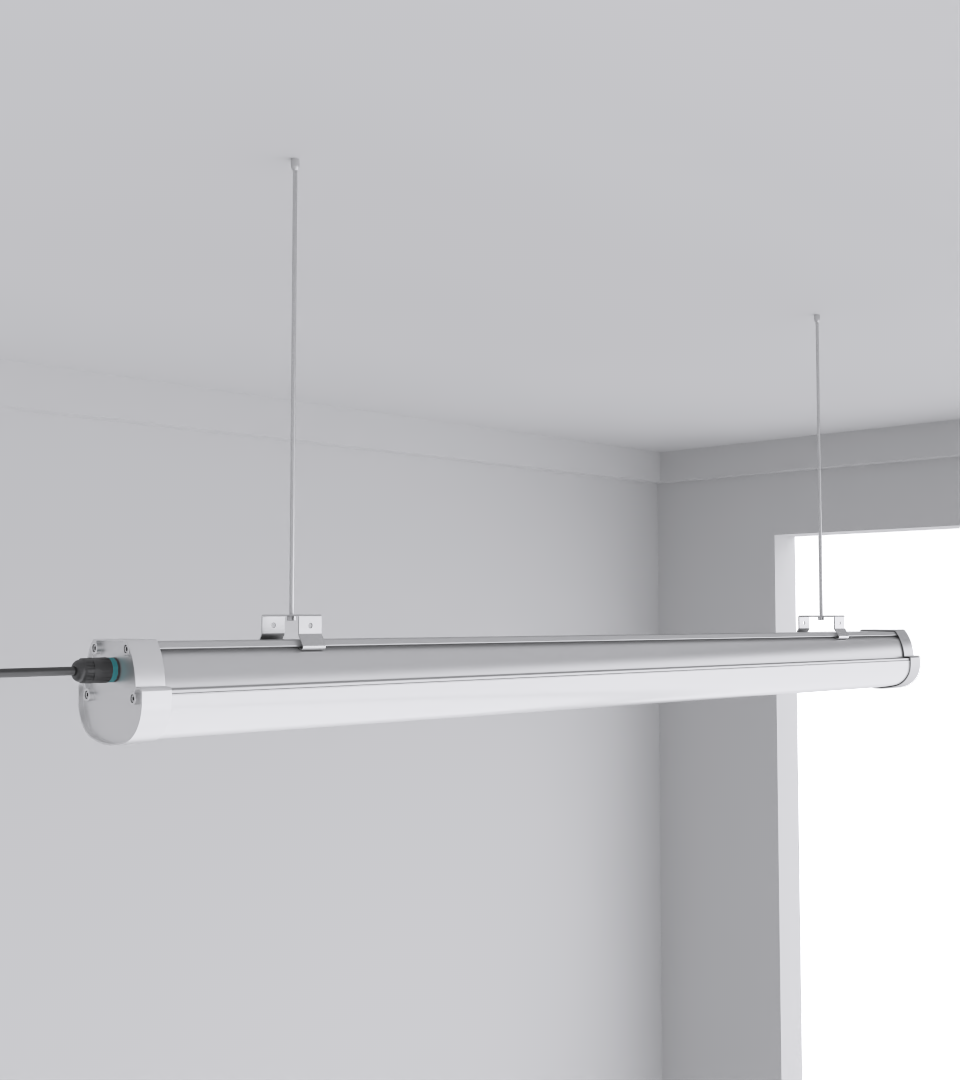
Most electrical engineers focus on circuits and grounding. But NFPA compliance extends to how lighting interacts with fire systems:
- Luminaire heat output must not interfere with suppression triggers
- Emergency lighting must meet NFPA 101 (Life Safety Code) lux levels
- Fixtures in fire zones must use flame-retardant or IP-rated housings

4. Emergency Lighting Requirements Under NFPA 101
Life Safety Code (NFPA 101) mandates that exit paths and egress zones:
- Maintain >1 foot-candle (10.8 lux) along exit paths
- Operate on battery backup for a minimum of 90 minutes
- Be clearly marked with photoluminescent or internally lit signage
5. Emergency Power-Off (EPO) and Backup Power Systems
NFPA 75 requires that:
- EPO switches be located outside IT rooms
- Switches are clearly labeled and accessible
- Power shuts down without arc flash risk
NFPA 110 then takes over—covering the generator response:
- Automatic transfer switch within 10 seconds
- Monthly testing protocol
- Load bank testing for runtime assurance
6. Smoke Detection and Suppression System Integration
Fire starts small. Detection must be fast. NFPA 75 requires:
- Smoke detection in all IT zones
- VESDA or equivalent high-sensitivity sampling
- Suppression using inert gas, water mist, or clean agents (like Novec 1230)
7. Common NFPA Violations in Lighting Installations
| Violation | Problem Created |
|---|---|
| Fixtures mounted in front of suppression heads | Blocked spray patterns |
| Non-rated cable through fire partitions | Voided compartmentalization |
| No battery backup for exit lighting | Code violation, inspection failure |
8. How CAE Lighting Fixtures Align with NFPA Compliance
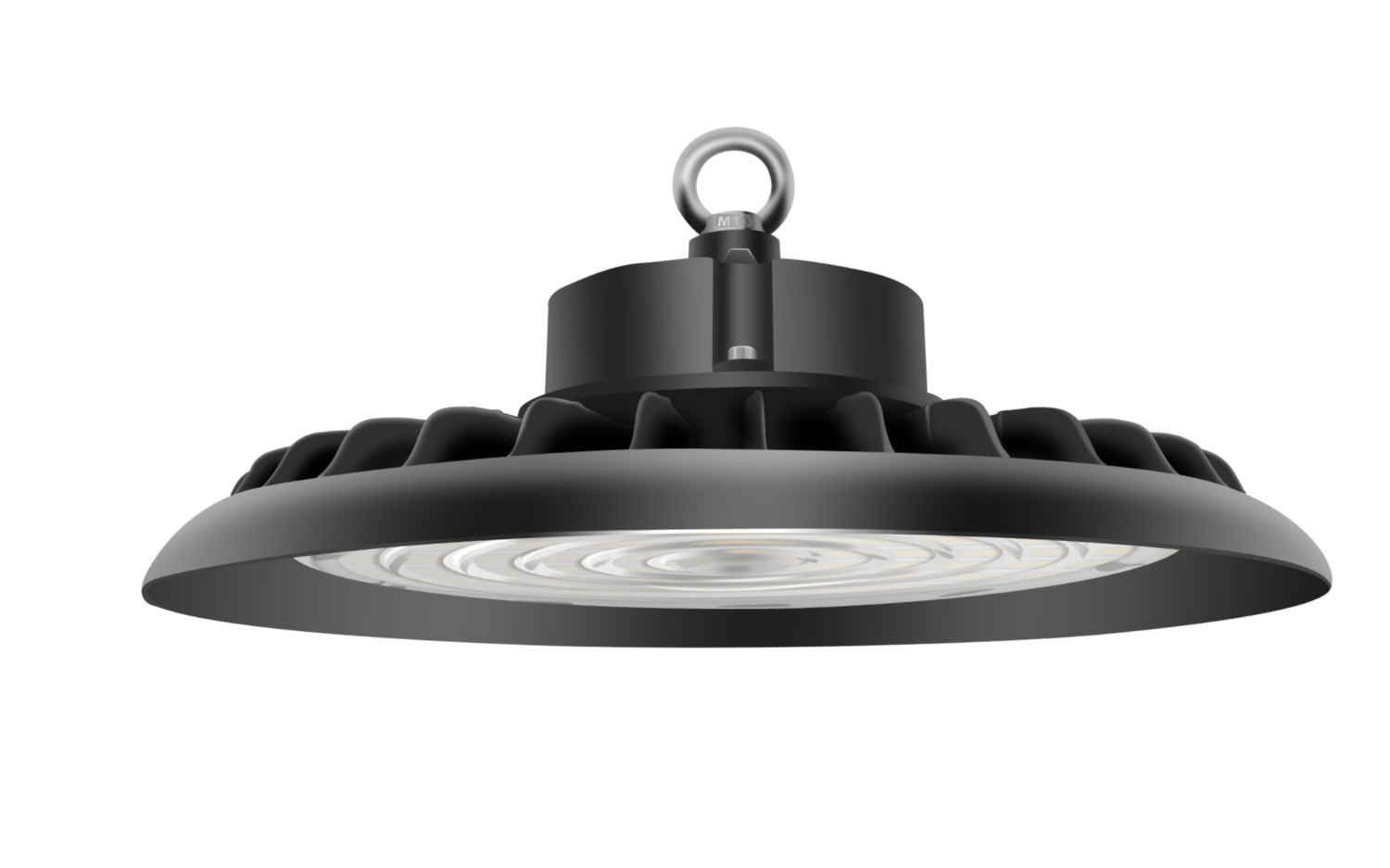
CAE Lighting’s fixtures like the Squarebeam Elite are tested for high ambient resistance, emergency integration, and fire enclosure spacing.
- IEC safety voltage labeling
- IP65/IP66 for water-mist zones
- Sensor-mounting compatibility with no airflow disruption
For more on product specs, visit CAE Lighting Products.
Frequently Asked Questions (FAQ)
Q: Is NFPA 75 mandatory for all data centers?
A: Not always. It becomes mandatory if your IT equipment value or function is critical to operations.
Q: Do emergency lights need to be fire-rated?
A: The fixture itself doesn’t need to be fire-rated, but it must function under heat and include backup power.
Q: Can LED lights trigger false suppression events?
A: Poorly designed high-heat LEDs can. Always check stacking temperatures and airflow impact.
Q: Are motion sensors allowed in NFPA-rated zones?
A: Yes, if they are enclosed in fire-rated or IP65-rated housings.
Q: Do I need both NFPA 75 and NFPA 76?
A: Only if your facility has both IT and telecom operations. Most colocation centers do.