
Optimal Fixture Height for Data Centers: Standards, Calculations, and Installation Guide
- What Is Fixture Height and Why It Actually Matters
- Standards and Metrics: It’s Not a Guessing Game
- Mounting Types: Which Works Where?
- How to Actually Calculate the Right Height
- Glare, Shadows, and Weird Angles
- Fixture Height’s Impact on Controls and Sensors
- Maintenance, Safety, and Practical Reach
- Choosing the Right Fixtures Based on Height
- FAQ: Common Questions on Fixture Height in Data Centers
Key Takeaways
| Question | Quick Answer |
|---|---|
| What is fixture height and why does it matter in data centers? | Fixture height is the vertical distance from the fixture to the work surface. It influences brightness, glare, energy use, and maintenance access. |
| What’s the recommended mounting height for LED luminaires in server rooms? | Typically 2.5–4.5 m depending on space usage, lux targets (300–500 lux), and ceiling types. |
| How does fixture height affect lux levels and energy efficiency? | Higher fixtures can reduce fixture count but risk under-lighting. Lower mounts improve lux but raise energy and maintenance costs. |
| Are there specific standards for lighting height in data centers? | Yes. TIA-942, ISO 14644, and GB/T standards define lux targets and mounting safety for critical facilities. |
| What’s the difference between pendant and surface-mounted fixtures? | Pendant fixtures allow adjustable height and focused coverage. Surface mounts are static and suited for low plenum areas. |
| How can fixture spacing be optimized at various heights? | Use distance-to-height ratio (D/H) of 1:1.2–1:1.5 for optimal uniformity. RCR and beam angle affect this too. |
| What role do sensors play at different mounting heights? | Mounting height affects motion/dimming sensor coverage; too high leads to reduced sensitivity. |
| How does CAE Lighting address fixture height concerns in its product designs? | CAE Lighting’s Squarebeam Elite and SeamLine Batten are designed for modular height mounting and optimized beam distribution for racks. |
1. What Is Fixture Height and Why It Actually Matters
“Fixture height” sounds pretty basic, right? Just… how high the light is from the ground. But if you’re working in a data center, it might as well be the difference between seeing the server labels or guessing in the dark while sweating.
- It controls:
- How evenly light hits the racks
- How much glare you get off metal housings
- Whether sensors can see movement
- And if hot air from LEDs disrupts the airflow up top
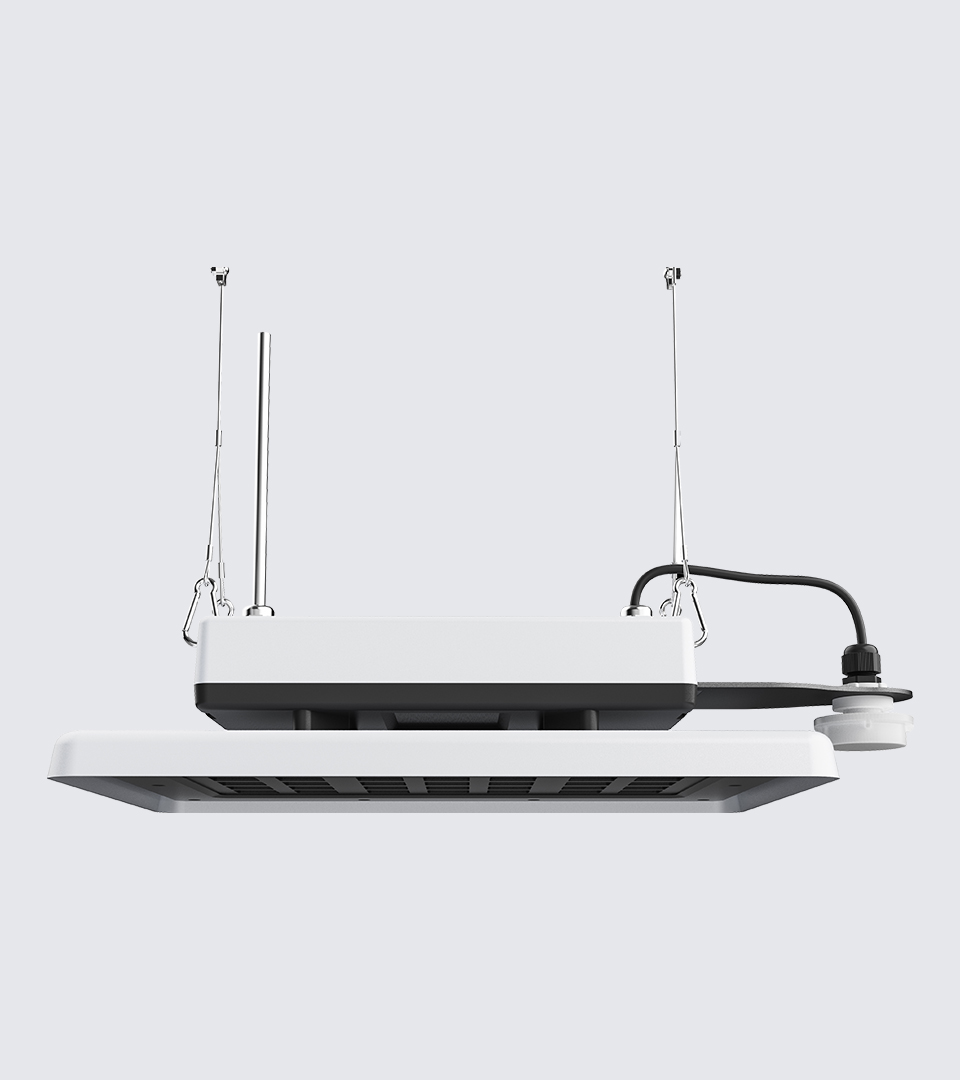
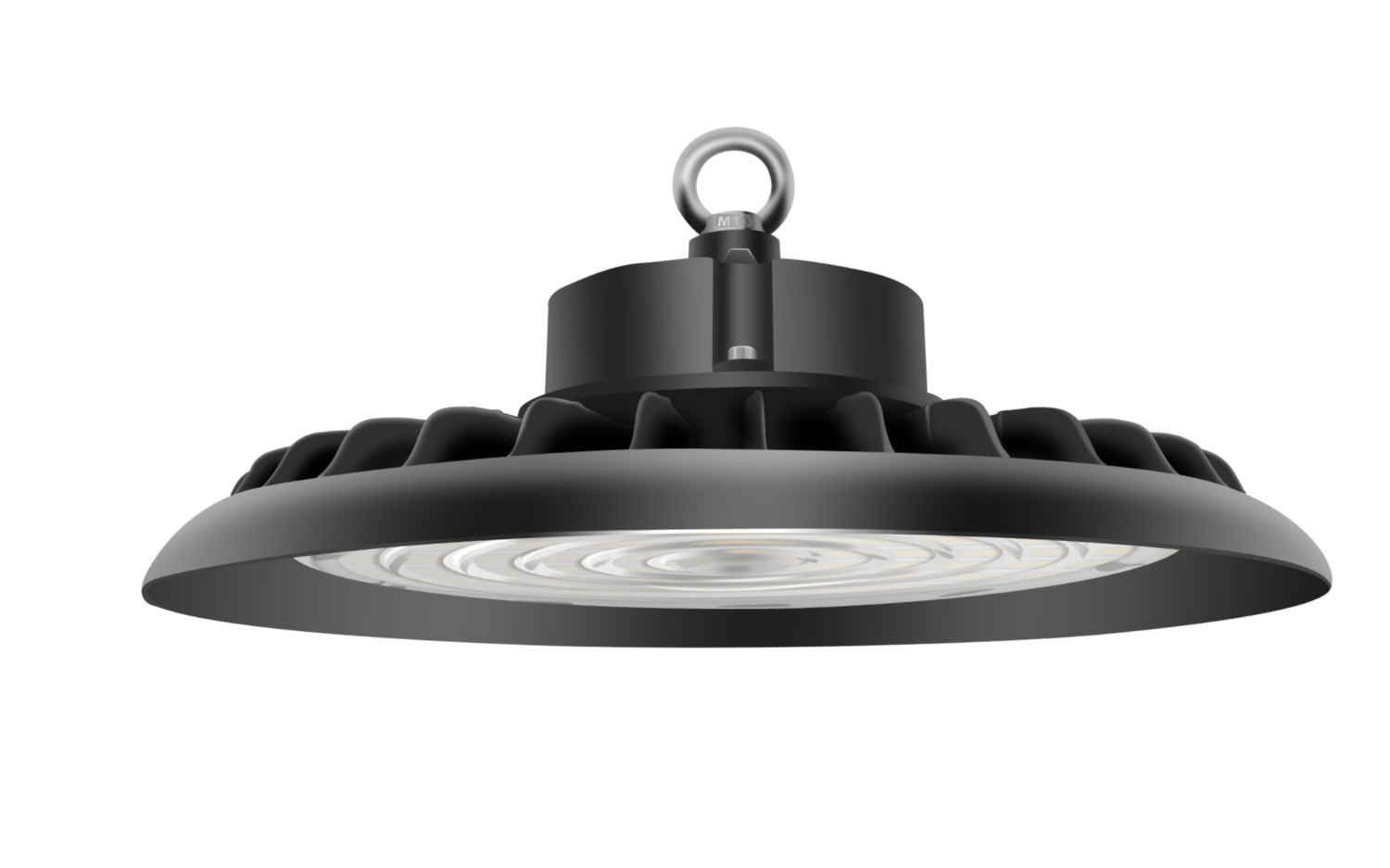
One time we saw a contractor install high-bays at 6 meters in a 3.5-meter room. Beautiful fixtures, wasted output. You could’ve lit a warehouse. Not a server hall.
2. Standards and Metrics: It’s Not a Guessing Game
There’s no freestyle here. Standards like TIA-942, ISO 14644, and GB/T define illuminance values you must hit — or you risk safety violations and headaches with audits.
| Area | Lux (Recommended) |
|---|---|
| Server aisles (working) | 300–500 lux |
| Maintenance zones | 500–750 lux |
| Egress/emergency paths | ≥10–20 lux |
Add reflective surfaces like black or white cabinets? That throws your numbers off. We’ve had setups where black server racks required a 20% increase in fixture count versus white ones.
3. Mounting Types: Which Works Where?
There are three main mounting types:
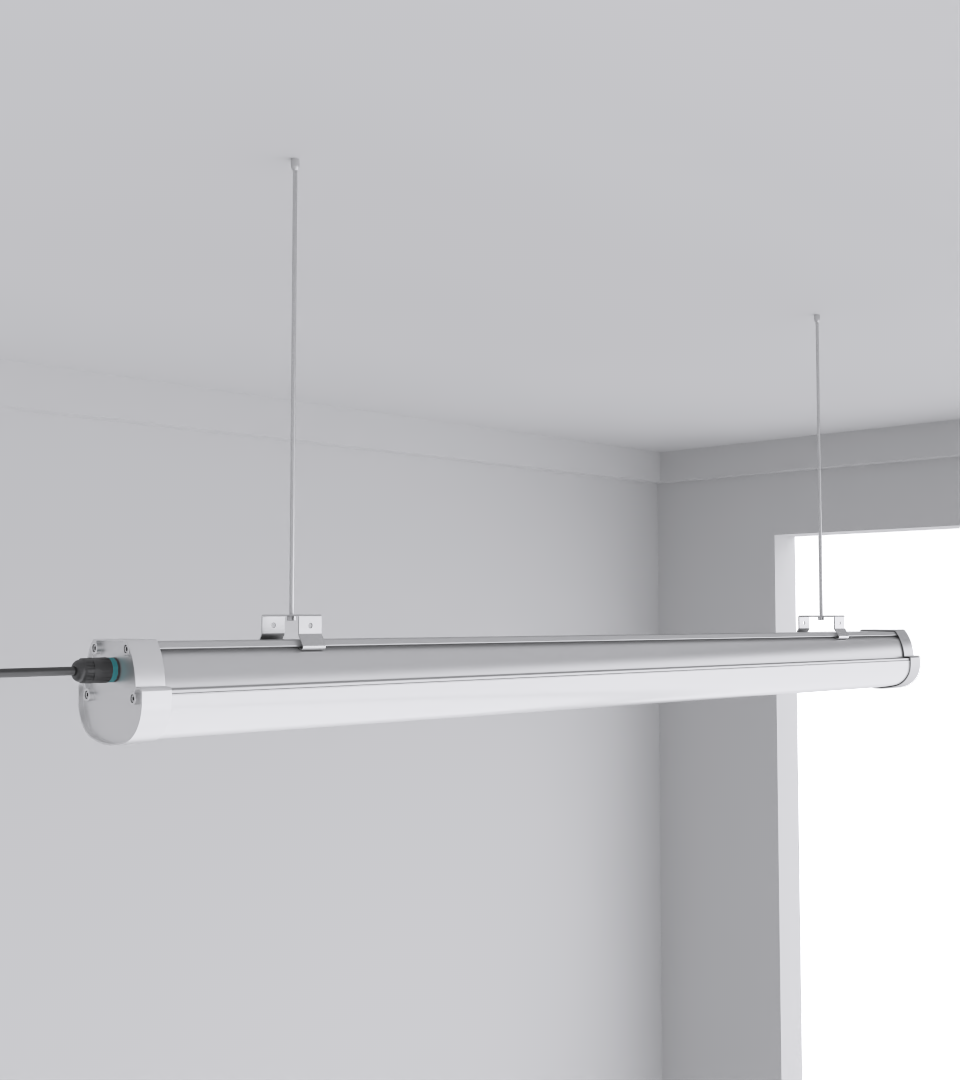
- Surface-mounted (flat to ceiling; good for low clearances)
- Pendant-mounted (adjustable height, reduces glare)
- Track-mounted or flexible arms (for directional or task lighting)
In older Malaysian server rooms with low plenum space, we still use SeamLine Batten on surface mounts to avoid HVAC interference.

4. How to Actually Calculate the Right Height
This is where folks get nervous: math. But it’s not bad.
You need:
- Target lux level
- Fixture lumen output
- Beam angle
- Spacing & height (D/H ratio)
Quick Formula (simplified):
Mounting Height ≈ √(Area × Target Lux ÷ Total Lumens × CU × LLF)
Where:
- CU = coefficient of utilization
- LLF = light loss factor
Example: For 300 lux in a 100 m² data hall using 150 lm/W battens spaced 2.5 m apart, aim for about 3.2–3.5 m height.
5. Glare, Shadows, and Weird Angles
High fixtures = long shadows. Especially when rows of racks create vertical blind spots.
What we do:
- Angle optics slightly off-vertical
- Use asymmetric lenses
- Keep D/H ratio at 1:1.2 or tighter
Also, avoid installing over HVAC grilles — heat + lens distortion = warped distribution.
6. Fixture Height’s Impact on Controls and Sensors
Motion sensors placed too high might not detect low-speed movement, like a technician walking past a rack slowly. Or worse — they’ll fail to trigger emergency overrides.
At CAE Lighting, we tested this:
- 3.5 m height = optimal PIR coverage for narrow aisles
- >5.5 m = unreliable detection, even with high-sensitivity modules
Smart lighting systems like those integrated into Squarebeam Elite are now designed with adjustable sensor angle + intensity per height tier.
7. Maintenance, Safety, and Practical Reach
It’s nice when things work — until you have to clean, replace, or test them.
Here’s what makes maintenance easier:
- ≤4 m mounting height (ladder access)
- Track or hinged-mount systems for drop-down access
- Integrated diagnostics (auto-report failures)
In a facility in Johor, we swapped out all ceiling panels just to adjust lighting during a PUE optimization. Never again.
8. Choosing the Right Fixtures Based on Height
Not all luminaires are made for every height. Too low and you get glare bombs. Too high and you waste output.
| Height Range | Recommended Fixture Type | CAE Product Match |
|---|---|---|
| 2.5–3.5 m | Linear batten (wide beam, surface/panel) | SeamLine Batten |
| 3.5–4.5 m | Pendant high bay or track batten with asymmetric optics | Squarebeam Elite |
| 5.0+ m | High-output IP65 fixture, integrated cooling | Quattro Triproof Batten |
9. FAQ: Common Questions on Fixture Height in Data Centers
Q: How high should lights be in a standard server room?
A: Typically between 2.8–4.2 meters, depending on the ceiling design and equipment layout.
Q: Does mounting height affect sensor performance?
A: Yes, especially PIR and microwave sensors — they lose sensitivity when placed too high.
Q: Can I just reuse the same height for every room?
A: No. Cooling zones, ceiling obstructions, and room use vary — height must be customized.
Q: Are there rules on minimum clearance between fixtures and ceiling?
A: Yes. Most manufacturers specify at least 50–100 mm for thermal dispersion.
Q: What about emergency lighting fixture height?
A: It must meet minimum lux at egress paths — usually around 2.5–3 m from floor level.