
Optimizing Centralized Emergency Lighting Systems for Data Centers: Ensuring Compliance, Efficiency, and Safety in Critical Environments
–
Key Takeaways
| Feature or Topic | Summary |
|---|---|
| Integration Benefits | Energy savings, streamlined operations, enhanced monitoring, and predictive maintenance. |
| Key Protocols | BACnet, Modbus, SNMP ensure interoperability. |
| Implementation Strategies | Assess existing infrastructure, select compatible systems, phased deployment recommended. |
| Operational Advantages | Reduced downtime, improved safety, occupant comfort, and significant sustainability contributions. |
Introduction to Centralized Emergency Lighting Systems
Emergency lighting is a critical component in data centers, ensuring that operations continue smoothly during power outages or emergencies. These systems are essential for safeguarding personnel and equipment, ensuring compliance with regulations, and improving overall facility safety. In data centers, where uptime is paramount, the role of emergency lighting cannot be overstated. Centralized emergency lighting systems are especially favored in these environments due to their ability to provide consistent, reliable lighting across vast spaces with minimal maintenance.

Understanding Centralized Emergency Lighting Systems
A centralized emergency lighting system operates from a single power source, providing backup lighting to the entire facility in the event of a power failure. This contrasts with decentralized systems, where individual battery-backed lights are dispersed throughout the facility. Centralized systems offer several advantages, including easier maintenance, more efficient energy use, and greater control over performance. These systems are crucial in large-scale environments like data centers, where downtime can lead to severe consequences.
- Cost-Effective: Reduced installation and maintenance costs.
- Reliability: Single point of failure minimizes the risk of multiple failures.
- Simplified Testing and Monitoring: Easier to test and maintain than decentralized systems.
Regulatory Compliance and Standards
Data centers must adhere to strict safety standards to ensure that their emergency lighting systems are compliant with NFPA 101 and UL 924. These regulations outline the requirements for emergency power systems, including lighting and signage, in commercial buildings. Compliance ensures that the data center is ready for emergencies, providing safe egress paths for personnel and preventing potential hazards due to power loss.
- NFPA 101: Life Safety Code for emergency lighting systems.
- UL 924: Standards for emergency lighting equipment.
Failure to comply with these regulations can result in penalties and, more importantly, jeopardize the safety of personnel and the security of data.
Designing a Centralized Emergency Lighting System
Designing a centralized emergency lighting system for a data center requires careful planning. The system must be capable of providing sufficient illumination for all critical areas, including server rooms, aisles, and emergency exits.
- Data Center Layout: Identify areas requiring continuous lighting.
- Power Requirements: Determine necessary battery capacity and autonomy.
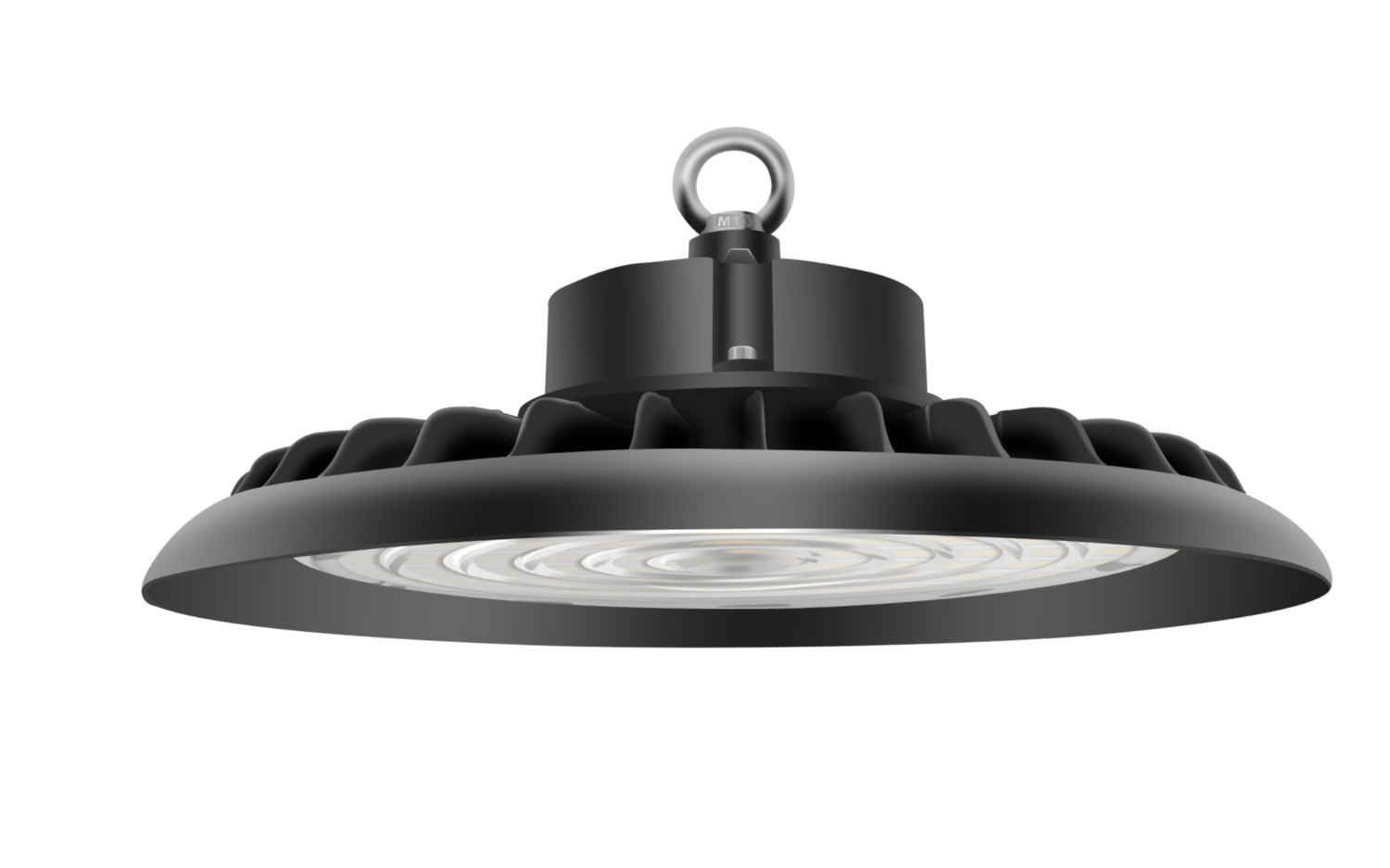
- Lighting Fixtures: Choose reliable and energy-efficient LED lights.
Ensuring proper integration with existing electrical infrastructure is also crucial to prevent conflicts and ensure seamless performance during power outages.
Implementation Best Practices
Successful implementation of a centralized emergency lighting system relies on following industry best practices. Proper installation, testing, and training are essential for long-term reliability.
- Installation: Ensure proper placement of inverters and lighting fixtures.
- Testing: Regular testing of backup power systems to verify functionality.
- Training: Provide staff with training on system operations and emergency protocols.
Adhering to these practices helps reduce the risk of system failure during emergencies.

Maintenance and Monitoring
Regular maintenance and proactive monitoring are essential for keeping emergency lighting systems in top condition. Monitoring systems, especially those integrated with Building Management Systems (BMS), can track performance and alert facility managers to potential issues before they cause disruptions.
- Routine Inspections: Check for any signs of wear and tear.
- Proactive Monitoring: Use software to monitor system health and receive alerts.
- Troubleshooting: Address common issues such as power failures or malfunctioning lights.
Advanced Features and Technologies
The integration of Digital Addressable Lighting Interface (DALI-2) and smart lighting solutions can significantly enhance the efficiency and control of centralized emergency lighting systems.
- DALI-2 Integration: Enables remote control and monitoring of individual fixtures.
- Smart Lighting: Allows for dynamic adjustments based on occupancy and ambient light conditions.
- LED Technology: Offers energy efficiency and extended lifespan.
These technologies not only improve performance but also contribute to reducing energy consumption and maintenance costs.
Case Studies and Real-World Applications
Case studies provide valuable insights into the successful implementation of centralized emergency lighting systems in data centers. These real-world examples highlight the benefits of centralized systems, including cost savings, improved reliability, and compliance with safety standards.
- Example Case Study: Data Center in Johor – A centralized lighting system reduced operational downtime during an outage by 50%, ensuring that critical systems remained operational.
These success stories offer practical guidance for data center operators looking to implement or upgrade their emergency lighting systems.
Conclusion
Centralized emergency lighting systems are essential for ensuring the safety, reliability, and compliance of data centers. By carefully designing, implementing, and maintaining these systems, operators can significantly reduce risks and ensure compliance with safety regulations. Advanced technologies such as DALI-2 integration and LED lighting further enhance system performance, making them an ideal choice for modern data center environments.
Frequently Asked Questions (FAQ)
- What is a centralized emergency lighting system?
A centralized emergency lighting system operates from a single power source to provide backup lighting throughout a facility, ensuring safety during power outages. - How do centralized systems compare to decentralized systems?
Centralized systems are more cost-effective, reliable, and easier to maintain than decentralized systems, which require individual battery backups for each light. - What regulations govern emergency lighting in data centers?
Data centers must comply with **NFPA 101** and **UL 924** standards to ensure their emergency lighting systems are safe and reliable. - How do I integrate smart lighting into my emergency system?
Integrating **DALI-2** and other smart lighting controls allows for real-time monitoring and control, optimizing energy efficiency and ensuring system reliability. - Why is LED technology preferred in emergency lighting systems?
LED technology is energy-efficient, has a long lifespan, and provides consistent illumination, making it ideal for emergency lighting applications.