
Optimizing Data Center Efficiency: Balancing Human Comfort with Operational Demands
Key Takeaways
| Feature or Topic | Summary |
|---|---|
| Integration Benefits | Energy savings, streamlined operations, enhanced monitoring, and predictive maintenance. |
| Key Protocols | BACnet, Modbus, SNMP ensure interoperability. |
| Implementation Strategies | Assess existing infrastructure, select compatible systems, phased deployment recommended. |
| Operational Advantages | Reduced downtime, improved safety, occupant comfort, and significant sustainability contributions. |
Balancing Human Comfort and Operational Needs in Data Centers
Data centers are complex environments where both human comfort and operational needs must be carefully balanced. The high-performance equipment in data centers requires strict environmental controls, and yet the people working within these spaces need to be in conditions conducive to productivity and health. The intersection of these two needs — human comfort and operational efficiency — presents a challenge that many data center managers struggle with.
Why Comfort Matters in Data Centers
Human comfort in data centers isn’t just a luxury — it’s critical to ensuring productivity and health. Factors such as temperature, humidity, air quality, and even noise levels can significantly affect the performance of staff working in these spaces. Poor environmental conditions can lead to fatigue, reduced concentration, and even health issues over time. On the other hand, it’s not just about keeping workers comfortable — operational efficiency must be maintained too, meaning that the HVAC system needs to balance both without increasing energy costs unnecessarily.
A prime example of this challenge is seen in facilities that attempt to maintain a uniform temperature throughout the space. While this may seem ideal, it can lead to overcooling certain areas and energy waste. Instead, targeting specific zones based on the operational load and the presence of staff might be a more efficient strategy. This can help keep energy costs in check while ensuring the workspace remains within the optimal temperature range for human comfort.

The Role of HVAC Systems
HVAC systems are crucial to regulating both human comfort and operational efficiency. These systems control temperature, humidity, and air quality, which can have a direct impact on the performance of the data center’s servers and the well-being of its staff.
Types of Cooling
- Comfort Cooling: This is designed to maintain the ideal temperature for humans — typically around 22-24°C. It’s not precision-focused but is sufficient for ensuring workers are comfortable.
- Precision Cooling: Used primarily for maintaining the ideal environment for the equipment, it keeps temperatures within a narrow range to prevent overheating of servers and hardware.
When human comfort and operational needs align, HVAC systems can be optimized to maintain the ideal temperature for both equipment and staff. For example, certain areas can be cooled more heavily during peak operational hours, while others can be slightly warmer when fewer staff are present.
Managing Energy Consumption
Data centers are notorious for their high energy consumption. With operations running 24/7, energy costs can quickly spiral out of control. By balancing the needs of human comfort with operational efficiency, data center managers can significantly reduce unnecessary energy use.
One of the easiest ways to improve energy efficiency is through the strategic placement of equipment and the use of smart HVAC systems. These systems use sensors and algorithms to adjust cooling and airflow based on real-time data, reducing energy waste and lowering operational costs. For example, a motion-sensor-based lighting system — such as CAE Lighting’s SeamLine Batten — can help minimize energy consumption in areas with little activity.
Implementing Smart Controls
Smart HVAC systems go a step further by learning and adapting to the needs of both the building’s systems and its occupants. Automated adjustments based on factors such as time of day, occupancy, and equipment load help optimize energy use without compromising comfort.
Case Studies of Effective Balancing
Several data centers have successfully balanced human comfort with operational needs, achieving both energy efficiency and a conducive environment for employees.
Case Study 1: Data Center in Singapore
A data center in Singapore implemented motion-sensing HVAC and lighting systems to manage both environmental conditions and energy consumption. By integrating these smart systems, they reduced energy use by 25% while keeping the temperature within comfortable levels for workers. This system also adjusted cooling based on the proximity of servers, reducing the overall cooling load.
Case Study 2: Data Center in California
Another example is a facility in California that used smart HVAC control systems combined with energy-efficient LED lighting. The integration of these technologies not only improved the working conditions for employees but also significantly reduced operational costs by cutting energy consumption by 30%.
Future Trends in Data Center Design
As technology continues to evolve, so too do the solutions available for balancing human comfort and operational efficiency. The rise of AI-powered smart systems and machine learning has opened new possibilities for more sophisticated temperature and airflow control systems. These technologies can analyze data in real-time to adjust environmental conditions precisely, reducing waste and optimizing both worker comfort and energy consumption.
Best Practices for Balancing Comfort and Efficiency
- Implement Zoned Cooling: Target high-density server areas with increased cooling and adjust temperatures in less critical zones.
- Use Smart HVAC Systems: These systems adapt to changes in workload, optimizing energy use without compromising comfort.
- Focus on Air Quality: Fresh air circulation and humidity control are essential for both equipment and employee health.
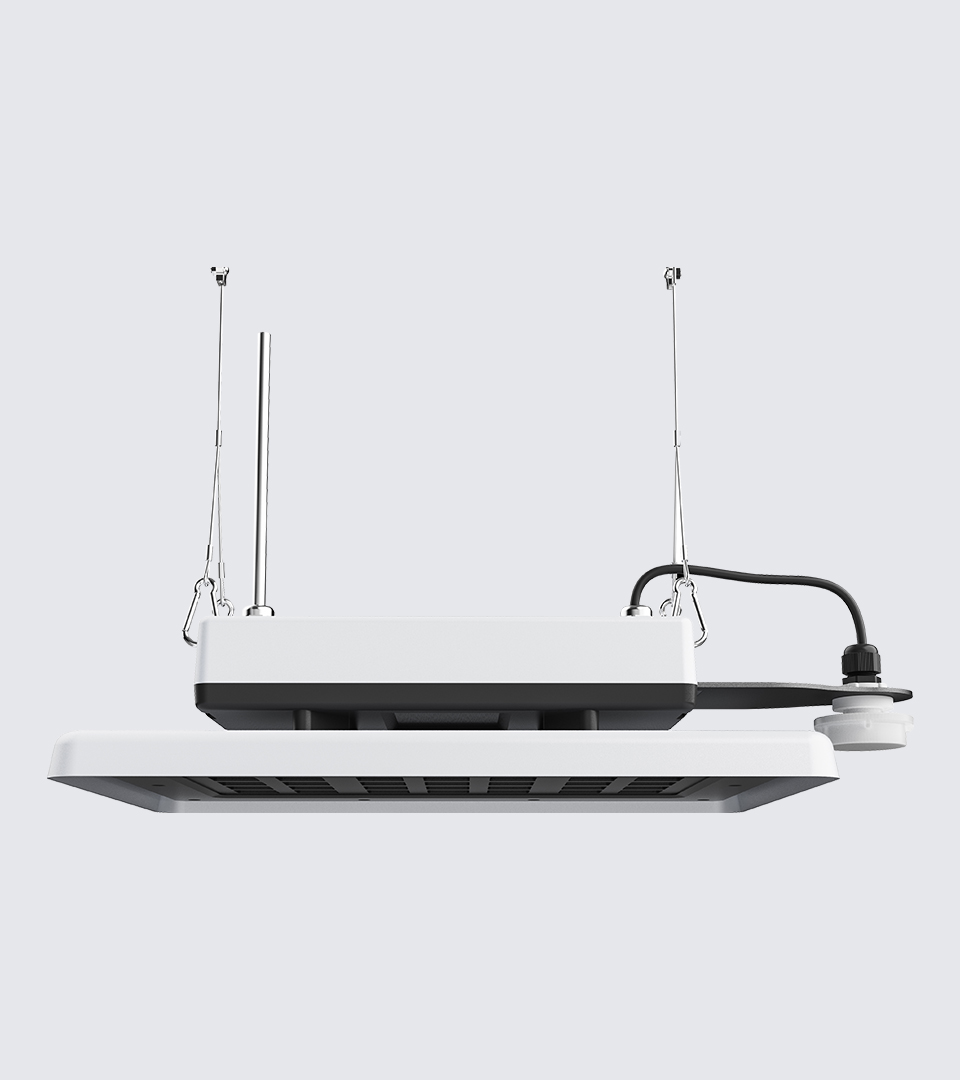
- Monitor and Adjust Lighting: Use energy-efficient lighting solutions like the Squarebeam Elite to enhance visibility without driving up energy costs.
Conclusion
Balancing human comfort and operational efficiency in data centers is no easy task, but it is achievable with the right strategies and technologies. By focusing on smart HVAC systems, energy-efficient lighting solutions, and a data-driven approach to environmental control, data center managers can create a space that works for both the people and the equipment. This not only improves productivity and employee well-being but also enhances the overall performance and sustainability of the data center.
Frequently Asked Questions
- How does HVAC optimization affect energy costs in data centers? HVAC optimization can reduce energy consumption by ensuring that cooling is applied where and when it’s needed, avoiding energy waste and unnecessary overcooling.
- What are the most energy-efficient lighting solutions for data centers? Energy-efficient solutions such as the SeamLine Batten and Squarebeam Elite are designed to provide robust lighting while minimizing energy use.
- Why is precision cooling necessary for data centers? Precision cooling ensures that temperatures are kept within a narrow range, preventing overheating of equipment, which is critical to maintaining system performance and uptime.
- What role does smart technology play in data center operations? Smart technology, including AI and machine learning, helps optimize HVAC and lighting systems in real-time, making adjustments based on environmental conditions and operational load to reduce energy use while maintaining comfort.