Optimizing Data Center Efficiency with AI-Powered Predictive Lighting Systems
Key Takeaways
| Feature or Topic | Summary |
|---|---|
| Integration Benefits | Energy savings, streamlined operations, enhanced monitoring, and predictive maintenance. |
| Key Protocols | BACnet, Modbus, SNMP ensure interoperability. |
| Implementation Strategies | Assess existing infrastructure, select compatible systems, phased deployment recommended. |
| Operational Advantages | Reduced downtime, improved safety, occupant comfort, and significant sustainability contributions. |
1. What Is Predictive Lighting and Why It Matters
AI-driven predictive lighting systems use environmental and behavioral data—like motion, light levels, and occupancy patterns—to adjust brightness, zones, and schedules in real-time. Unlike static systems that follow set timers, predictive systems learn.
- Motion sensors detect human activity.
- Ambient sensors gauge daylight penetration.
- Machine learning models adjust output automatically.
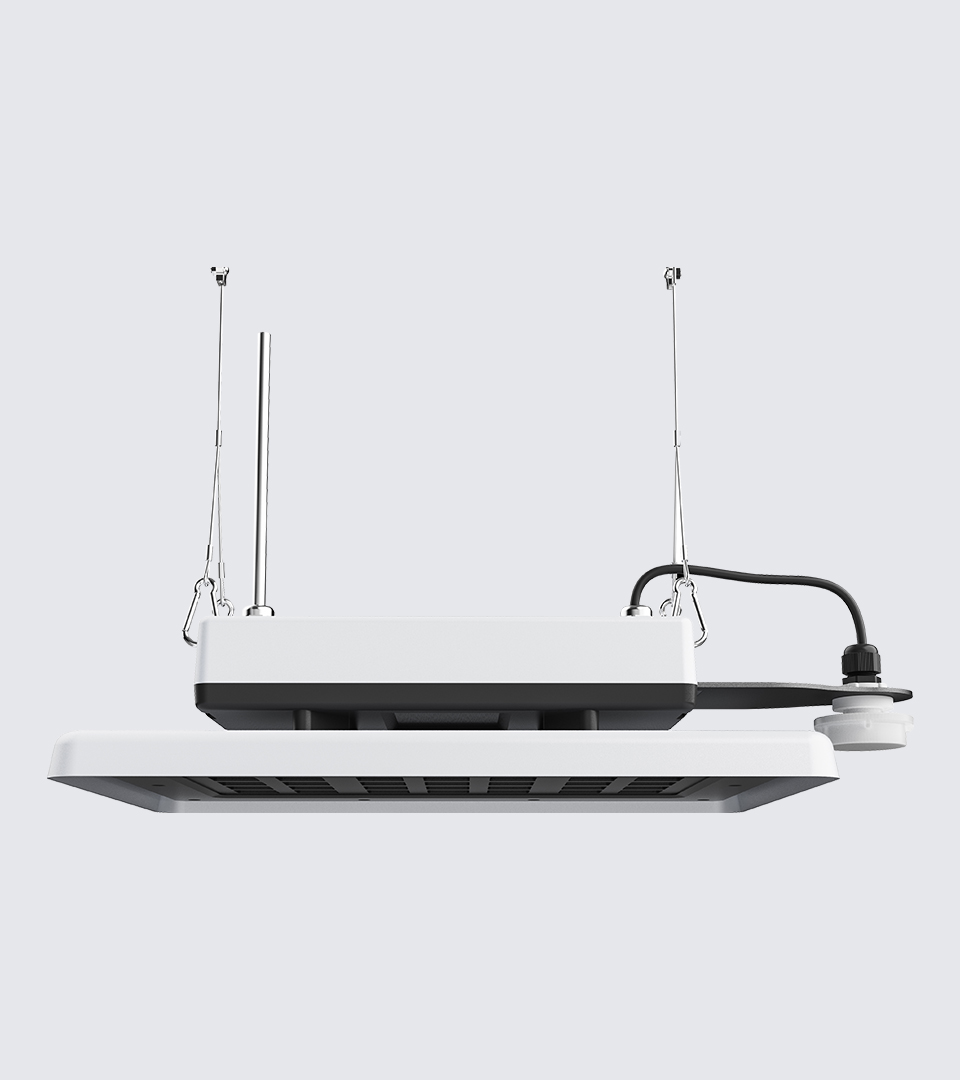
In data centers, where lighting typically accounts for 1–2% of energy but directly affects cooling load and worker comfort, that control matters. Especially when paired with CAE Lighting’s Squarebeam Elite, which maintains output integrity under high thermal stress.
2. Core Technologies That Make It Work
AI lighting isn’t just about software. It’s a system built from tightly integrated layers:
- Sensors: Occupancy, daylight, temperature, humidity
- Connectivity: Zigbee, Bluetooth Mesh, or direct Ethernet
- Processing Layer: Edge AI chips or cloud-based ML systems
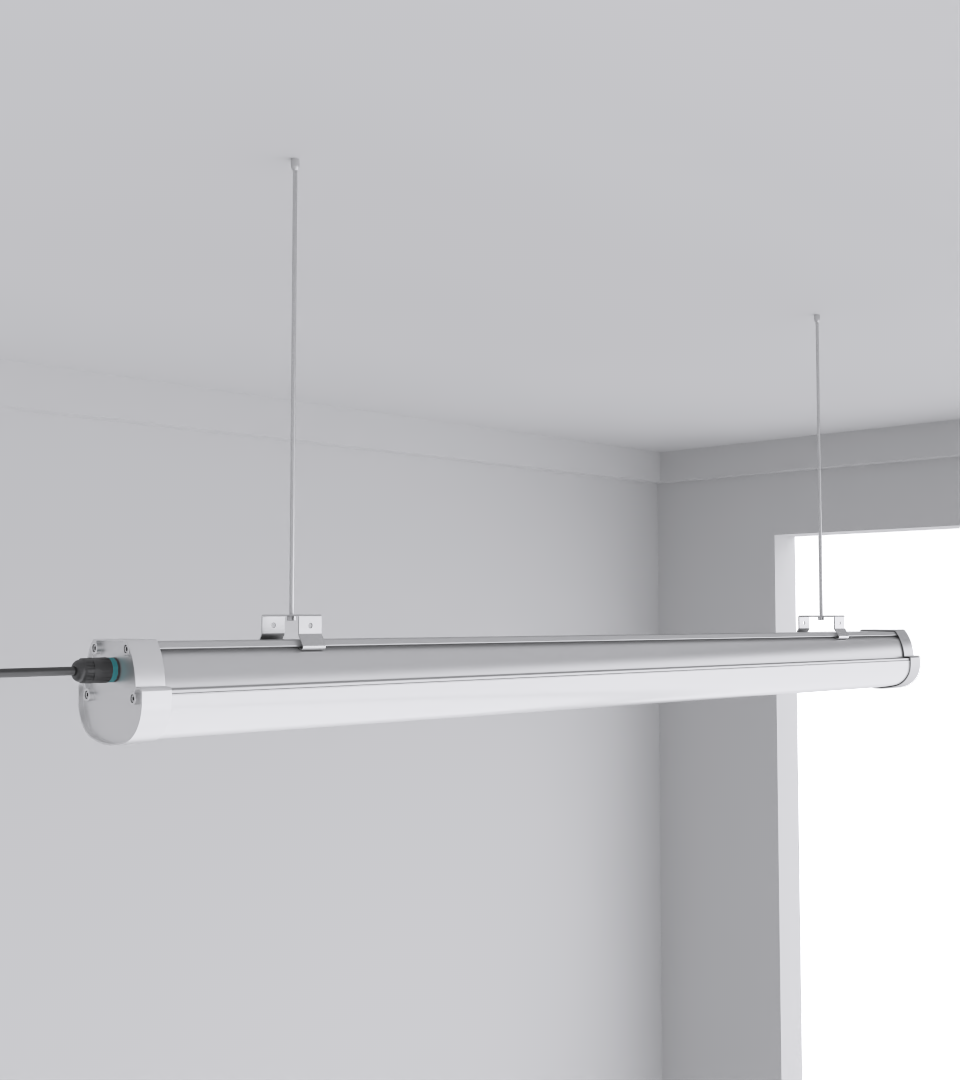
- Fixtures: Compatible luminaires like the Quattro Triproof Batten that handle dynamic input reliably
3. Sustainability & Energy Impact
| Metric | Impact Range | Notes |
|---|---|---|
| PUE Contribution | 1–3% reduction | From lighting-related heat management |
| Lighting Energy | 10–30% saved | Based on real-time vs timer-based usage |
| Carbon Avoidance | Up to 0.3 t/yr | Per 1,000 sq m of facility lighting |
| HVAC Synergy | 3–5% HVAC gain | Less heat load due to smarter lighting |

4. Technical Overview: How Predictive Lighting Functions
- Sensor Arrays: Track movement, ambient brightness, temperature, even vibrations
- Data Integration: Plug into DCIM/BMS like Schneider EcoStruxure or ABB Ability
- ML Model Types: Supervised learning (for known activity patterns), Reinforcement learning (for environment-driven adaptation)
- Control Algorithms: Trigger changes per rack, aisle, or cabinet zone

5. Real ROI: Money, Maintenance, Metrics
| Component | Traditional | Predictive | Savings |
|---|---|---|---|
| Annual Energy (kWh) | 180,000 | 126,000 | 54,000 kWh |
| CO₂ Emissions (kg) | 75,000 | 52,500 | 22,500 |
| Annual Maintenance Hours | 200 | 120 | 80 hrs |
6. Implementation Strategy: Where to Start
- Inventory current fixtures and control systems
- Map zones by operational criticality
- Identify dark zones, overlit areas
- Select 1–2 aisles (high traffic + low variability)
- Install smart sensors, update cabling
- Integrate CAE’s systems into existing BMS
- Monitor for 3–6 months
7. Challenges You’ll Face
- Sensor Drift: Regular recalibration needed
- Legacy Incompatibility: Some old BMSs resist data feeds
- Security: Unsecured IoT sensors = open attack surface
- Training Data Gaps: Rare use patterns might confuse ML models
8. Common Questions (FAQs)
Q: Is predictive lighting worth it in small data centers?
A: Yes. Even in small-scale deployments, savings and compliance benefits justify it.
Q: What kind of sensors are required?
A: PIR motion, light level, temp/humidity, vibration (optional), and sometimes ultrasonic.
Q: Can this work with existing fixtures?
A: In many cases, yes. But retrofitting is only cost-effective when fixtures are compatible.
Q: How secure is the data?
A: Depends on how it’s processed—edge processing is safer than public cloud without controls.
Q: Is CAE Lighting a trusted vendor?
A: Yes. Their data center portfolio includes certified, thermally tested systems built for reliability.
Need a full integration guide or sample spec sheets? Reach out to CAE Lighting to start a tailored pilot.