
OSHA-Compliant Emergency Lighting for Data Centers: Code Requirements, Fixture Specs, and Design Rules (2025 Guide)
–
Table of Contents
- Key Takeaways
- 1. Introduction
- 2. OSHA 1910.37 and 1910.38—What They Actually Say
- 3. NFPA and UL Standards Integration
- 4. Emergency Fixtures in Data Center Environments
- 5. Fixture Types and Placement
- 6. Testing Protocols and Maintenance Cycles
- 7. Installation Tips & Common Violations
- 8. Design Planning and Integration with Safety Systems
- FAQs
Key Takeaways
| Question | Summary Answer |
|---|---|
| Does OSHA require emergency lighting in data centers? | Yes, under OSHA 1910.37 and 1910.38, with illumination and signage standards enforced. |
| How long must emergency lights last? | Minimum 90 minutes under NFPA 101 and UL 924 compliance requirements. |
| What are the OSHA lux standards for exit signs? | At least 54 lux (5 foot-candles) on the illuminated surface. |
| What’s the difference between UL 924 and NFPA 101? | UL 924 sets hardware specs; NFPA 101 governs overall life safety performance, including brightness and run-time. |
1. Introduction
Emergency fixtures aren’t just bright boxes above doors—they’re mandated, regulated, and surprisingly easy to get wrong in data centers. OSHA compliance is critical in mission-critical environments where downtime is costly and code violations are worse. Emergency lighting in data centers isn’t just about ticking boxes—it’s about safety in high-risk, power-sensitive spaces.
2. OSHA 1910.37 and 1910.38—What They Actually Say
- OSHA 1910.37(b): Exit routes must be adequately lit and clearly marked.
- OSHA 1910.38: Emergency action plans must be documented, trained, and periodically reviewed.
- Fixtures must ensure visibility during power loss and guide egress with adequate lighting levels.
Read more about OSHA’s emergency planning requirements
3. NFPA and UL Standards Integration
- NFPA 101: Requires 1 foot-candle (≈10.8 lux) average along exit paths, 0.1 fc minimum.
- UL 924: Defines emergency lighting performance, transfer time (<10s), and diagnostic features.
- Exit signage: Must remain lit for 90 minutes, self-testing preferred.
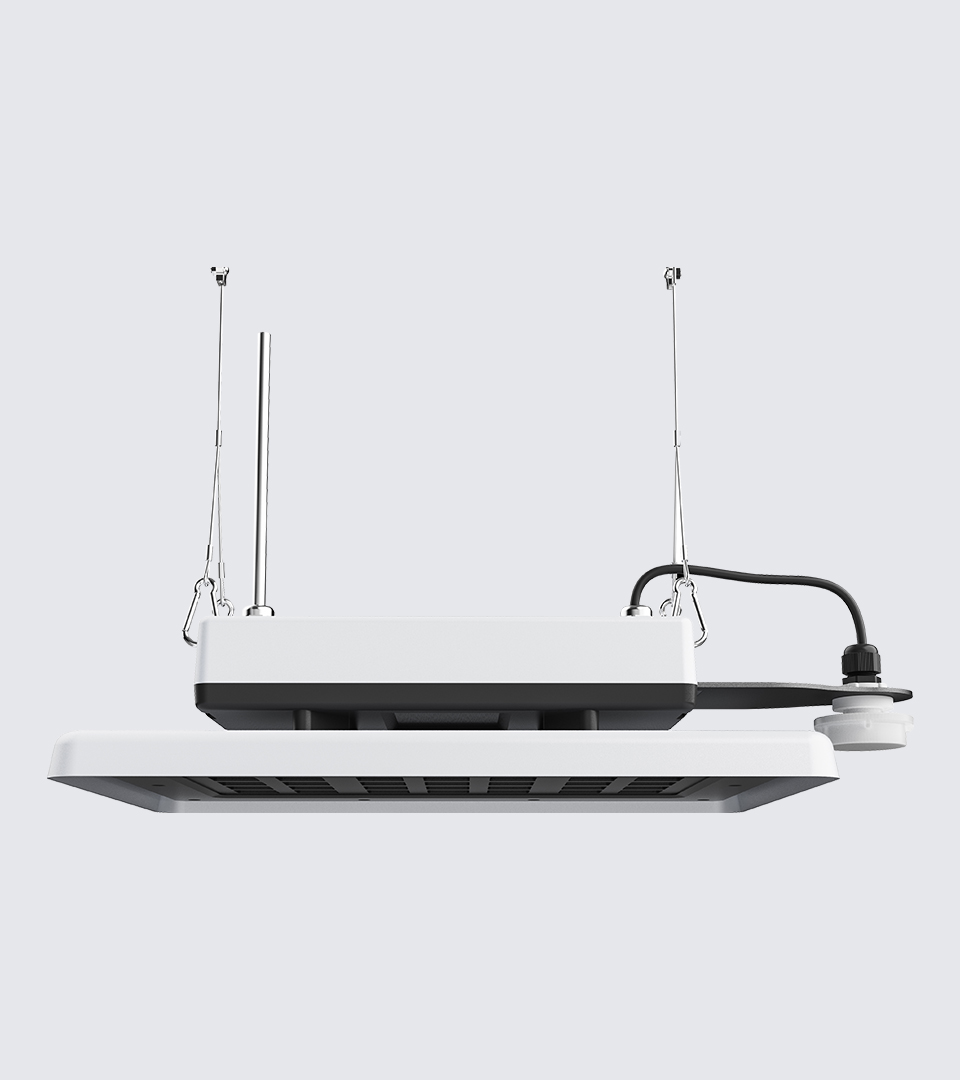
4. Emergency Fixtures in Data Center Environments
- Confined spaces + redundancy expectations
- High ambient temperatures
- Integration with centralized UPS systems and inverters
- Ventilation and heat-load concerns near battery racks
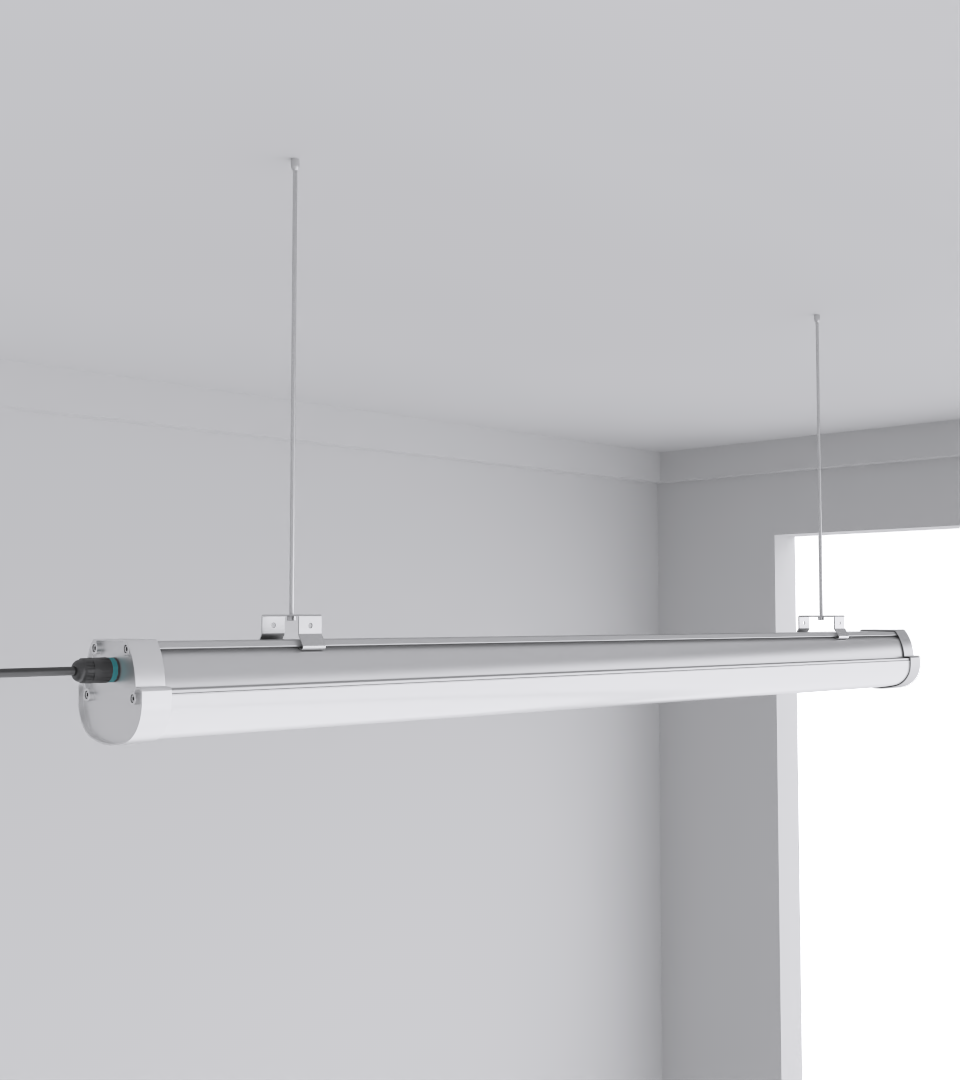
5. Fixture Types and Placement
- Wall-mounted emergency lights: for narrow corridors
- Ceiling-mounted fixtures: for cold aisles
- Photoluminescent exit signs: low-energy, often code-permitted
- Use of motion-sensing emergency lights in low-traffic utility zones

6. Testing Protocols and Maintenance Cycles
- 30-second functional test monthly
- 90-minute full load test annually
- Maintain a testing logbook
- Use self-diagnostic fixtures to automate log-keeping
7. Installation Tips & Common Violations
- Never mount exit signs where HVAC vents can obscure visibility
- Watch for open wiring or non-weatherproof housings
- Avoid daisy-chaining backup circuits without rated inverters
- Use fixtures compliant with UL 924, not just CE marked
Read how CAE Lighting ensures compliance
8. Design Planning and Integration with Safety Systems
- Include fixture layout in the Emergency Action Plan (EAP)
- Coordinate visual/auditory alarms with lighting circuits
- Install backup lighting in:
- Generator rooms
- Fire command centers
- BMS equipment bays
FAQs
- Q: Does OSHA require specific brands for emergency lights?
A: No, but lights must meet performance criteria under OSHA, NFPA 101, and UL 924. - Q: Can photoluminescent signs be used in data centers?
A: Yes, in areas with enough ambient charging light and if local codes allow. - Q: How often should emergency lights be tested?
A: Monthly (30 seconds) and annually (90 minutes), documented in logbooks. - Q: Is it okay to use emergency lights powered from the main UPS?
A: Usually not. OSHA recommends separate circuits or UL 924 inverters. - Q: What’s the minimum illumination level for OSHA compliance?
A: Exit routes: 5 fc (≈54 lux) minimum at signs; 1 fc average on paths under NFPA.
For fixture consultation, spec sheets, and installation guidance, contact CAE Lighting.