Power Constraints in Modular Data Centers: Engineering Solutions for AI-Driven Loads
–
Key Takeaways
| Question | Quick Answer |
|---|---|
| What causes power constraints in modular data centers? | Delayed grid access, high-density AI workloads, cooling demands, and interconnection bottlenecks. |
| Can on-site generation help? | Yes, with co-gen, SMRs, or thermal systems like Exowatt. |
| What lighting supports modular setups? | Energy-efficient options like Squarebeam Elite and Quattro Triproof Batten. |
| How to reduce operational risk? | Combine DCIM, energy storage, utility partnerships, and site selection. |
| What role does lighting play in power strategy? | Efficient lighting reduces total facility load and supports modular power budgets. |
1. Understanding Modular Data Centers and Why Power Is the New Bottleneck
Modular data centers offer rapid deployment and scalability, but their very strength—speed—often outpaces grid access.
- Prefabricated and containerized units can be operational in under 6 months
- Grid interconnection in top U.S. markets can take 2–7 years
- AI training loads demand → 80–200 MW per site
2. Modular vs. Traditional Sites: Power Tension Is Higher in the Fast Lane
Traditional data centers are part of the grid development timeline. Modular setups are not.
- Power contracts lag physical deployment
- Local infrastructure may not scale fast enough
- Regulatory friction adds 12–36 months in high-demand zones
Lighting Advice from Field Use:
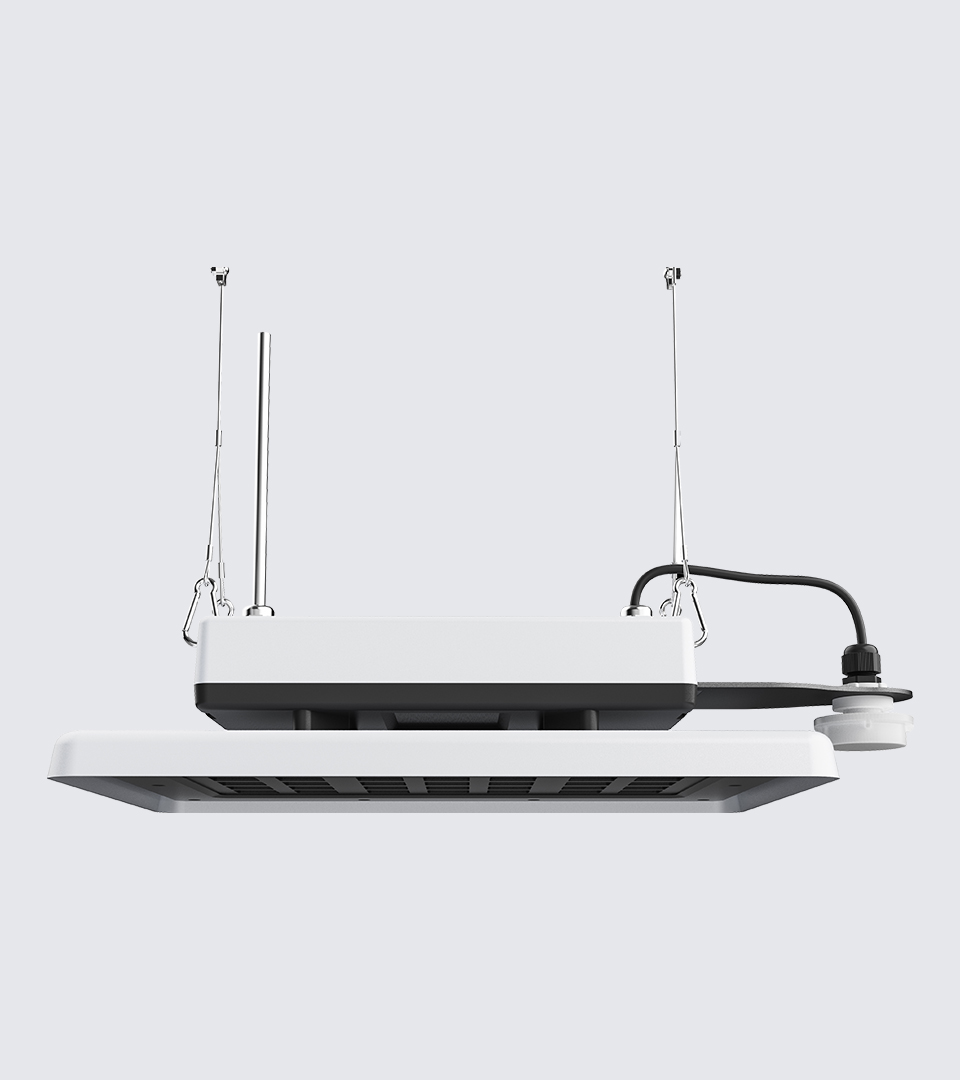
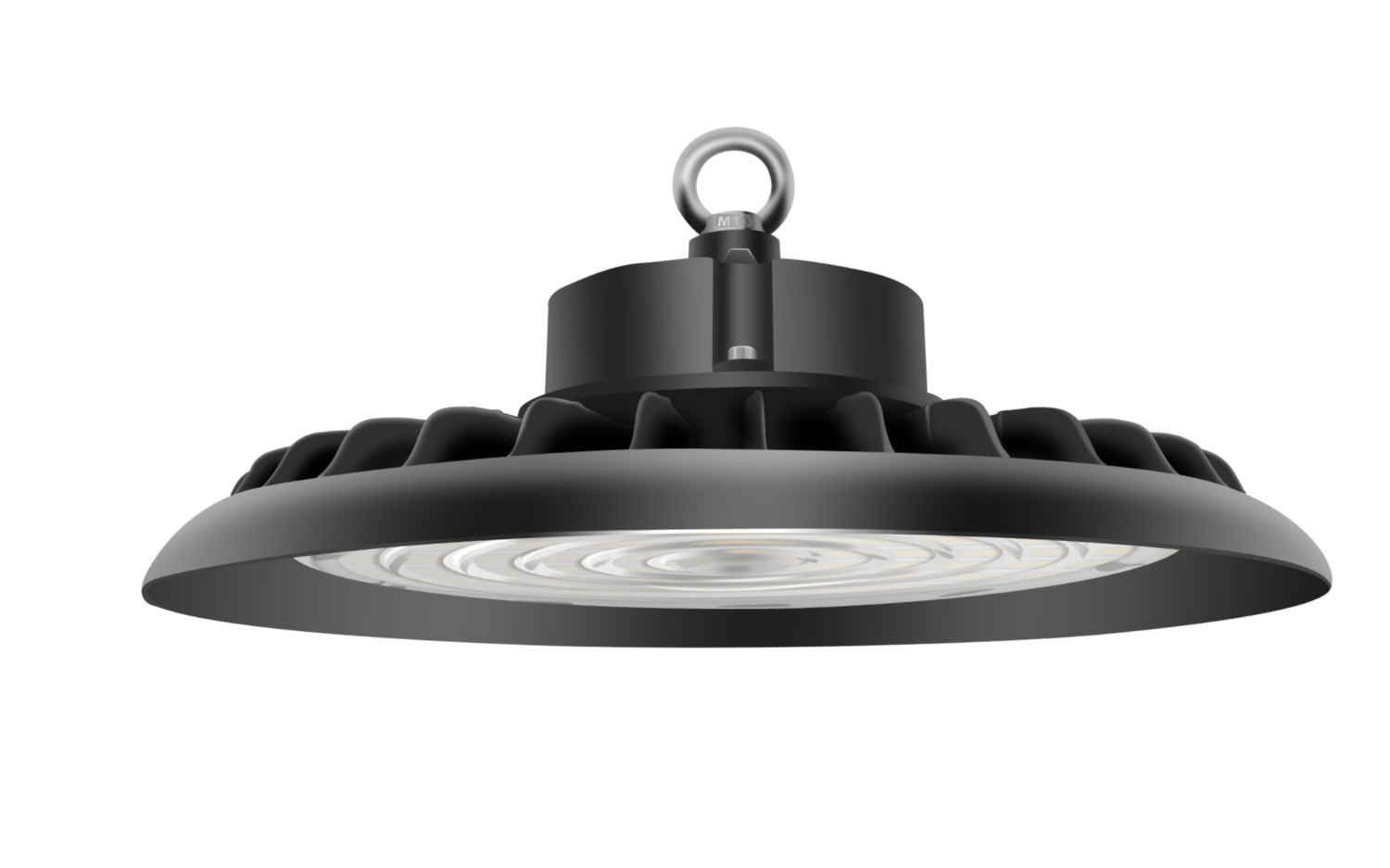
In a recent Johor deployment, CAE’s Budget High Bay helped reduce heat pockets that were interfering with UPS efficiency. Power consumption dropped by 9%.
3. Behind-the-Meter: What Works When the Grid Doesn’t
To handle slow interconnection, operators are turning to:
- Natural Gas Co-Gen (stable, site-based)
- Small Modular Reactors (SMRs)
- Solar-Thermal (Exowatt’s 2025 container solution)
- Lithium & Flow Battery Storage
4. Site Selection for Power Availability — Not Just Fiber
Fiber’s fast. Power isn’t. New siting strategies now prioritize:
- Adjacent industrial brownfields with idle capacity
- States with strong utility partnerships
- Community solar buybacks or microgrid-ready land

5. Cooling and Power Are Inseparable
Cooling doesn’t just use power—it drives the facility’s load profile.
- Liquid Cooling: ≤30% total power reduction at high densities
- Close-Coupled Cooling: Works best with containerized designs
- Lighting Efficiency: A single aisle swap to LEDs saves up to 200 kWh/month

6. Redundancy Doesn’t Have to Mean Waste
- Use DCIM to dynamically reallocate workloads
- Design for tiered power tolerances (N, N+1, N+2)
- Optimize lighting to reduce failover load
7. Lighting’s Role in Power Strategy: The Overlooked Element
- Poor lighting can compromise PUE
- It strains backup systems unnecessarily
- It introduces heat that affects cooling design
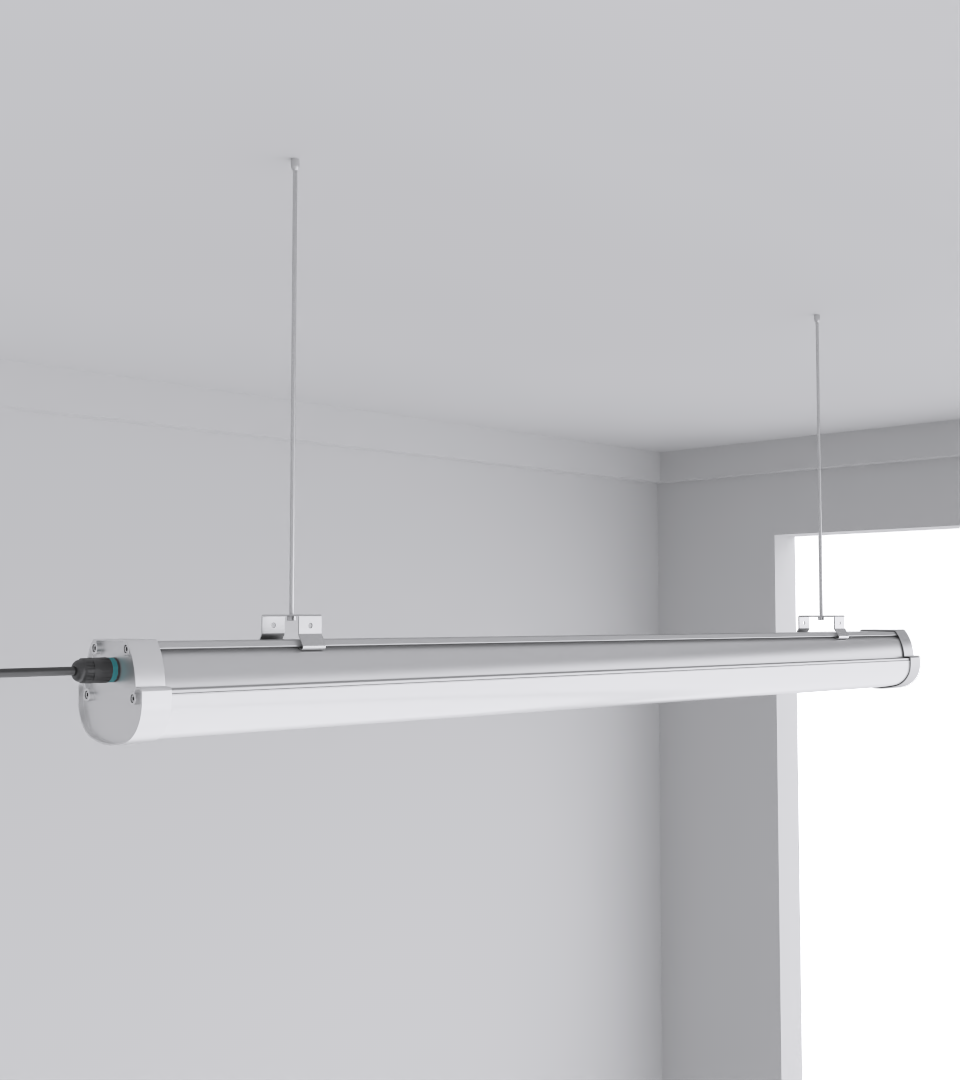
CAE Lighting’s role: Passive cooling via batten design, sensor-driven illumination, and quick-connects to reduce install times.
8. Final Guidance: What Experts Are Doing Now
- Plan for 2x site power needs—minimum
- Design lighting with emergency and battery profiles
- Avoid isolated designs—plan lighting in sync with rack/cooling layout
To explore compatible lighting, visit CAE Lighting’s full product range.
Frequently Asked Questions
Q: What is the biggest challenge in powering modular data centers?
A: Grid access delays, especially in high-demand zones like Northern Virginia.
Q: Can efficient lighting reduce the power budget?
A: Absolutely. Efficient lighting like CAE’s SeamLine and Quattro units reduce draw and thermal load.
Q: How do SMRs fit in?
A: SMRs provide consistent on-site power for isolated or fast-scaling data centers.
Q: Is it worth investing in energy storage?
A: Yes—especially for peak shaving and reducing dependency on unstable utility supply.
Q: What lighting certifications matter in modular setups?
A: IP ratings, triproof protection, and thermal performance testing are key in these environments.