
Precise Lighting, Precise Zones: The Engineer’s Guide to Data Center Fixture Selection
–
- What Zone-Specific Lighting Actually Means (and Why It Exists)
- Mapping the Data Center into Lighting Zones
- What Happens If You Use the Wrong Fixture?
- Controls: Why Sensors Must Be Smarter Than the Lights
- Thermal + Energy Impact Across Zones
- Specification: What You Should Never Forget in the BOM
- Installation Realities: Where It All Breaks Down
- Final Checklist for Each Zone (Before You Sign Off)
- Frequently Asked Questions (FAQ)
Key Takeaways
| Feature or Topic | Summary |
|---|---|
| Why Zone-Specific Lighting? | Different zones require different fixtures based on heat, layout, or compliance needs. |
| Hot vs Cold Aisles | Hot aisles need thermally rated lights; cold aisles require low-glare distribution. |
| Top Fixtures | Squarebeam Elite, SeamLine Batten, Quattro Triproof |
| Controls & Sensors | Smart sensors reduce energy use in inactive zones; DALI2 preferred for reliability. |
| Spec Sheet Essentials | Always define Ta rating, beam angle, UGR, IP level, sensor compatibility, and emergency compliance. |
1. What Zone-Specific Lighting Actually Means (and Why It Exists)
We’re not trying to reinvent how lights shine. We’re trying to make them behave, one zone at a time.
In a data center, not all rooms are born equal. Some run hot. Some sit empty for hours. Some need 24/7 visibility because if someone stubs a toe in an MMR room during an outage, that’s a lawsuit waiting to happen.
Zone-specific fixture selection means matching each lighting product to the actual job it does in its assigned space.
- Hot aisles = High ambient temperature → use thermal-rated luminaires.
- Cold aisles = Glare-free, even light → avoid hard shadows.
- Corridors = Low-profile, motion-activated → reduce wasted output.
- Emergency exits = Backup battery + signage compliance.
If your lighting plan uses the same fixture type in all zones, that’s not a plan — that’s just hope. And hope doesn’t pass NFPA audits.
2. Mapping the Data Center into Lighting Zones
You ever try to light a loading dock the same way you light a server corridor? That’s how you end up with condensation inside your fixture or a nasty glare on patch panel labels.
Let’s slice up the common spaces:
| Zone | Lighting Consideration | Recommended Fixture |
|---|---|---|
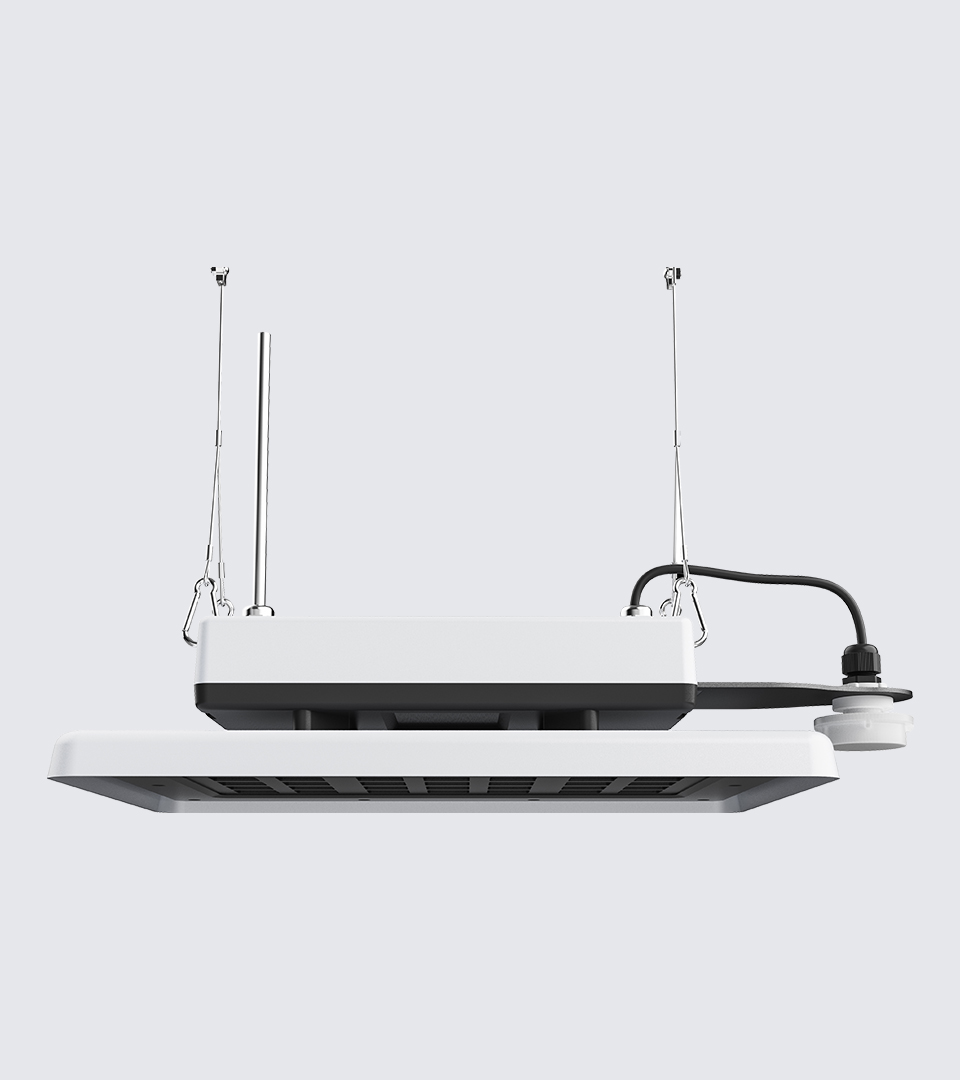
| Hot Aisles | Thermal resistance, minimal heat output | Squarebeam Elite |
| Cold Aisles | Glare control, UGR < 19, precise beam spread | SeamLine Batten |
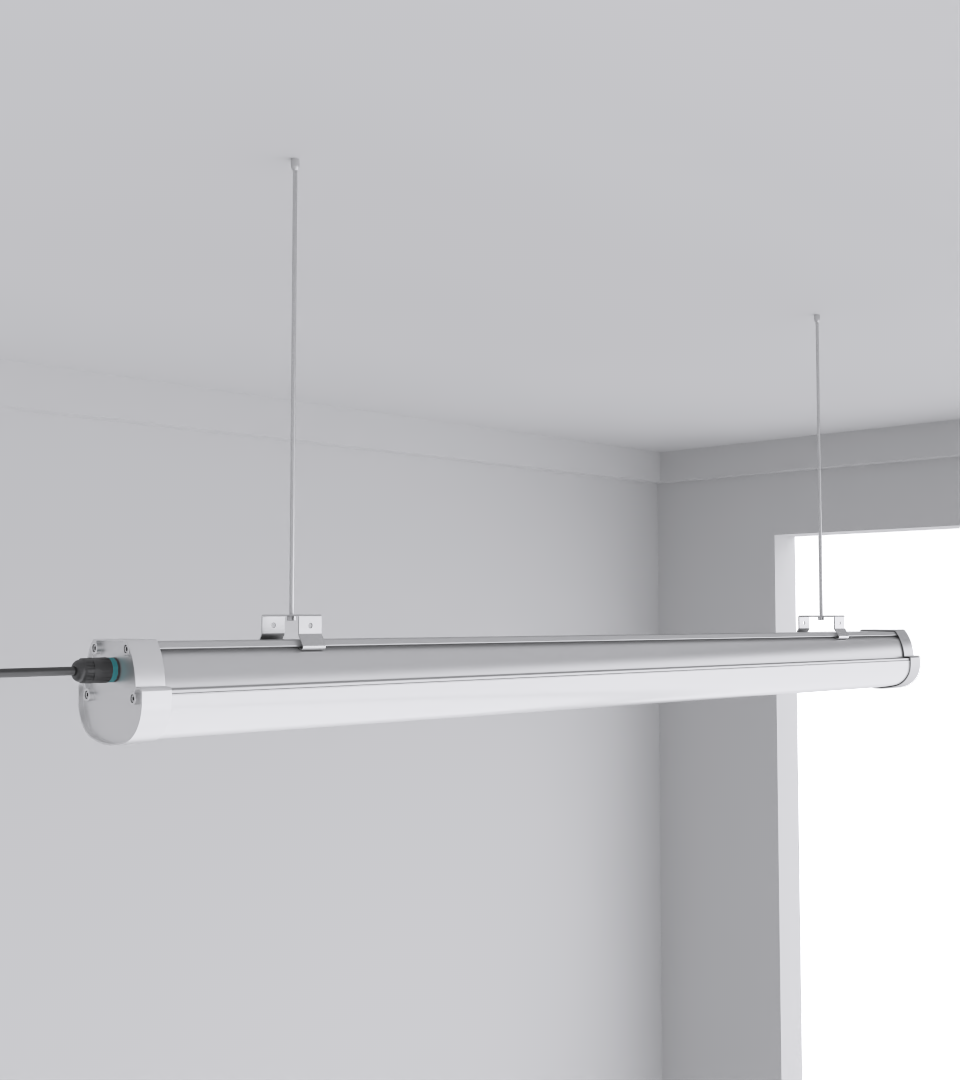
| Corridors/Periphery | Motion-activated, lower wattage, long runtime | Quattro Triproof Batten |
| UPS/Emergency Paths | Backup battery, IEC/UL emergency rating | Emergency-rated triproof or dual circuit |
| Staging Rooms/MMRs | Higher lux levels, task-oriented illumination | Modular LED panels |

3. What Happens If You Use the Wrong Fixture?
I remember one retrofit where we swapped in standard battens into a 40°C hot aisle. Six months later? Drivers popping like popcorn.
Wrong fixtures create:
- Overheating → shortens lifespan
- Flicker → eyestrain for tech staff
- Compliance failure → failed inspections
- Waste → over-illumination in empty zones
Use Ta45+ fixtures for zones above 35°C. This is non-negotiable. We’ve seen Simplitz V3 fail in thermally intense areas. You can’t risk that in a critical environment.

4. Controls: Why Sensors Must Be Smarter Than the Lights
PIR sensors in cold aisles don’t work unless they’re tuned right. Trust me, I’ve had facilities where lights flick on 5 seconds too late — just in time for someone to trip.
Use:
- DALI2-compliant sensors for reliable zone dimming
- Zonal scheduling tools for scene-based control (e.g. cold aisle, active vs. idle mode)
- Battery status alerts for emergency lighting fixtures
This isn’t about luxury. It’s about making sure someone sees the floor when the UPS cuts in.
5. Thermal + Energy Impact Across Zones
Lighting can contribute 2–5% of total heat load in older data centers. That might sound small—until it raises your Power Usage Effectiveness (PUE) by 0.1+.
Recommendations:
- Use high-efficacy fixtures (>150 lm/W)
- Avoid halogen or outdated LED panels
- Mount at correct spacing to prevent overlap hotspots
- Centralize control wiring to allow zone-off sequences during idle periods
6. Specification: What You Should Never Forget in the BOM
Let’s make this simple. Here’s what should be in your zone-specific spec sheet:
| Spec Field | Required? | Notes |
|---|---|---|
| IP Rating | ✅ | At least IP54 in HVAC-exposed areas |
| Thermal Rating (Ta) | ✅ | Minimum Ta45 in hot zones |
| Beam Angle | ✅ | 90°–120° for cold aisles |
| UGR (Unified Glare Rating) | ✅ | <19 for aisle zones |
| Sensor Compatibility | ✅ | DALI2 or Zigbee if smart integration needed |
| Power Factor | ⚠️ | >0.9 recommended |
7. Installation Realities: Where It All Breaks Down
Every plan looks neat in CAD. Reality? You hit cable trays, weird mounts, HVAC return vents.
- We recommend SeamLine Batten for awkward drop-ceiling installs.
- Use suspended mounts for high-ceiling loading zones.
- Avoid placing sensors behind cable ladders — they’ll misfire constantly.
8. Final Checklist for Each Zone (Before You Sign Off)
- ✅ Do you have thermal specs by zone?
- ✅ Are sensors mapped to actual traffic patterns?
- ✅ Are aisle fixtures beam-aligned to the racks?
- ✅ Do you have at least one emergency fixture per 50 ft?
- ✅ Did you check driver temps at 100% load?
Frequently Asked Questions (FAQ)
Q: Can I use the same fixture across all zones if it’s rated IP65 and 120 lm/W?
A: No — thermal tolerance, beam angle, and glare rating differ by zone.
Q: What’s the benefit of Ta45 vs Ta25 rated fixtures?
A: Ta45 survives hot environments; Ta25 may fail early in data halls with poor airflow.
Q: Should I use emergency fixtures with internal batteries or a central backup system?
A: Depends on your budget and layout. Central is cleaner for maintenance, distributed is more fault-tolerant.
Q: What lighting levels should I aim for in hot aisles?
A: Typically 300–500 lux, but check ASHRAE or ISO/IEC standards.
Q: How do I prevent sensor false-triggers in corridors?
A: Use microwave or dual-tech sensors, and avoid airflow paths that can simulate motion.