
Precision Maintenance Scheduling in Data Centers: Leveraging Low-Load Windows for Maximum System Uptime
- 1. What Are Low-Load Hours — and Why They Matter
- 2. Identifying Low-Load Windows with Data
- 3. Maintenance Task Categorization
- 4. Mapping Maintenance to Server Load Curves
- 5. Using CMMS + DCIM for Precision Scheduling
- 6. Risk Mitigation and Redundancy Prep
- 7. Real Case Study: Fintech Operator Scheduling at 1:30 AM
- 8. What Comes Next: Continuous Scheduling Improvement
- Frequently Asked Questions (FAQ)
Key Takeaways
| Feature or Topic | Summary |
|---|---|
| What are low-load hours? | Periods of minimal data center activity, often late night or weekends. |
| Why schedule maintenance then? | To minimize downtime and avoid impacting SLA-critical operations. |
| How to identify load dips? | Use DCIM tools, server logs, and traffic analytics to find patterns. |
| Which tools help automate it? | CMMS and AI-based schedulers for predictive and conflict-free planning. |
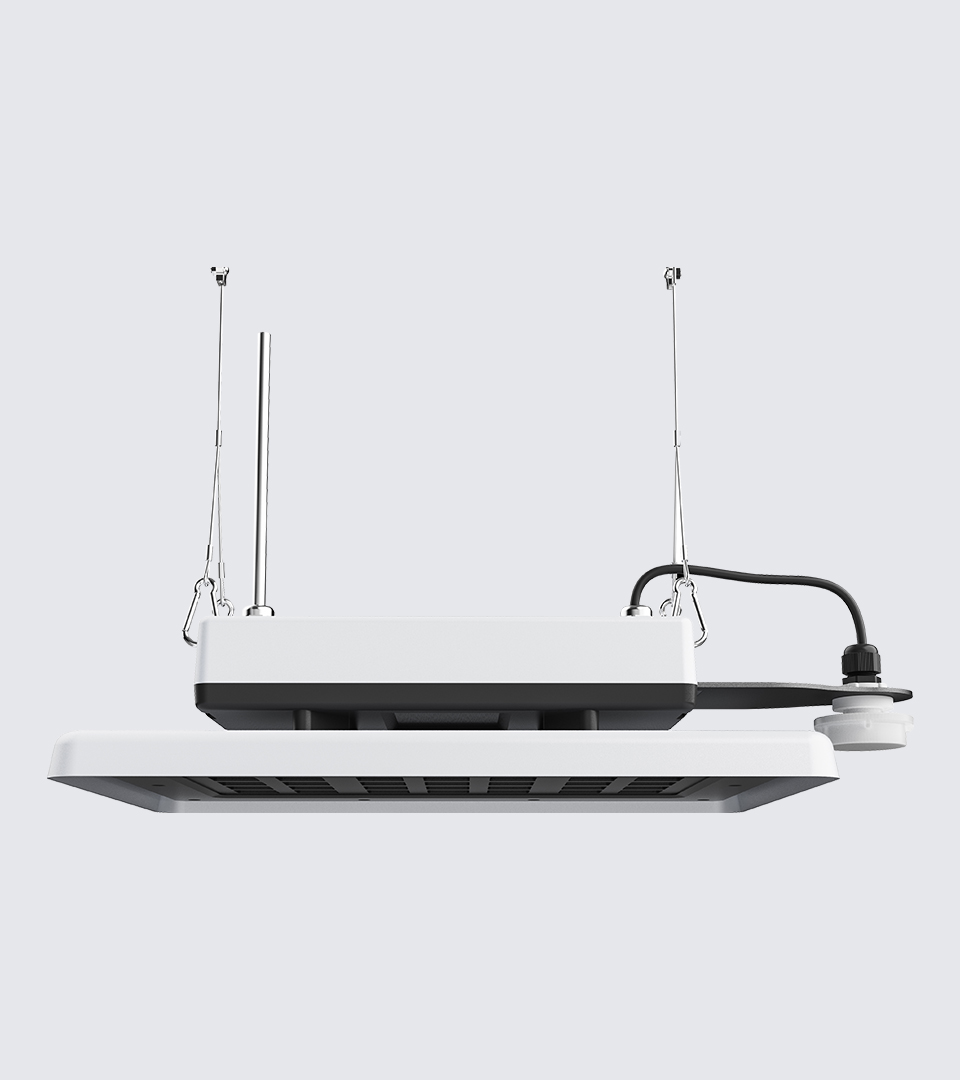
| What lighting supports maintenance? | CAE Lighting’s motion-sensor LEDs and Squarebeam Elite for high-temp zones. |
1. What Are Low-Load Hours — and Why They Matter
Low-load hours are not a mystery—they’re the quiet moments. That post-midnight lull. That pre-dawn digital silence when traffic is low, processors hum quietly, and servers run cooler.
- Most North American centers hit low-load 1:00–5:00 AM local time.
- For global centers, low-load maps to regional usage curves.
Why it matters:
- Less user disruption
- Lower thermal loads (less risk during shutdowns)
- Easier SLA compliance
- Night crews often available
2. Identifying Low-Load Windows with Data
Relying on gut-feel or anecdotal “slow periods” is a mistake. Use actual data.
- Pull 30-day server utilization metrics
- Cross-match with traffic logs (HTTP, RDP, SSH)
- Overlay HVAC/CRAC usage to spot thermal troughs

3. Maintenance Task Categorization
| Task Type | Recommended Window | Backup Needed? |
|---|---|---|
| Firmware updates | 1–4 AM | Yes |
| Cable audits | Anytime off-peak | No |
| Lighting tests | Overnight shifts | No |
| Rack replacement | Weekends 2–6 AM | Yes |
4. Mapping Maintenance to Server Load Curves
Once load windows are plotted, map jobs accordingly:
- Software updates: mid-week 1:30 AM
- Major component swaps: Sunday 3:00–6:00 AM
- CRAC fan maintenance: after data activity dips
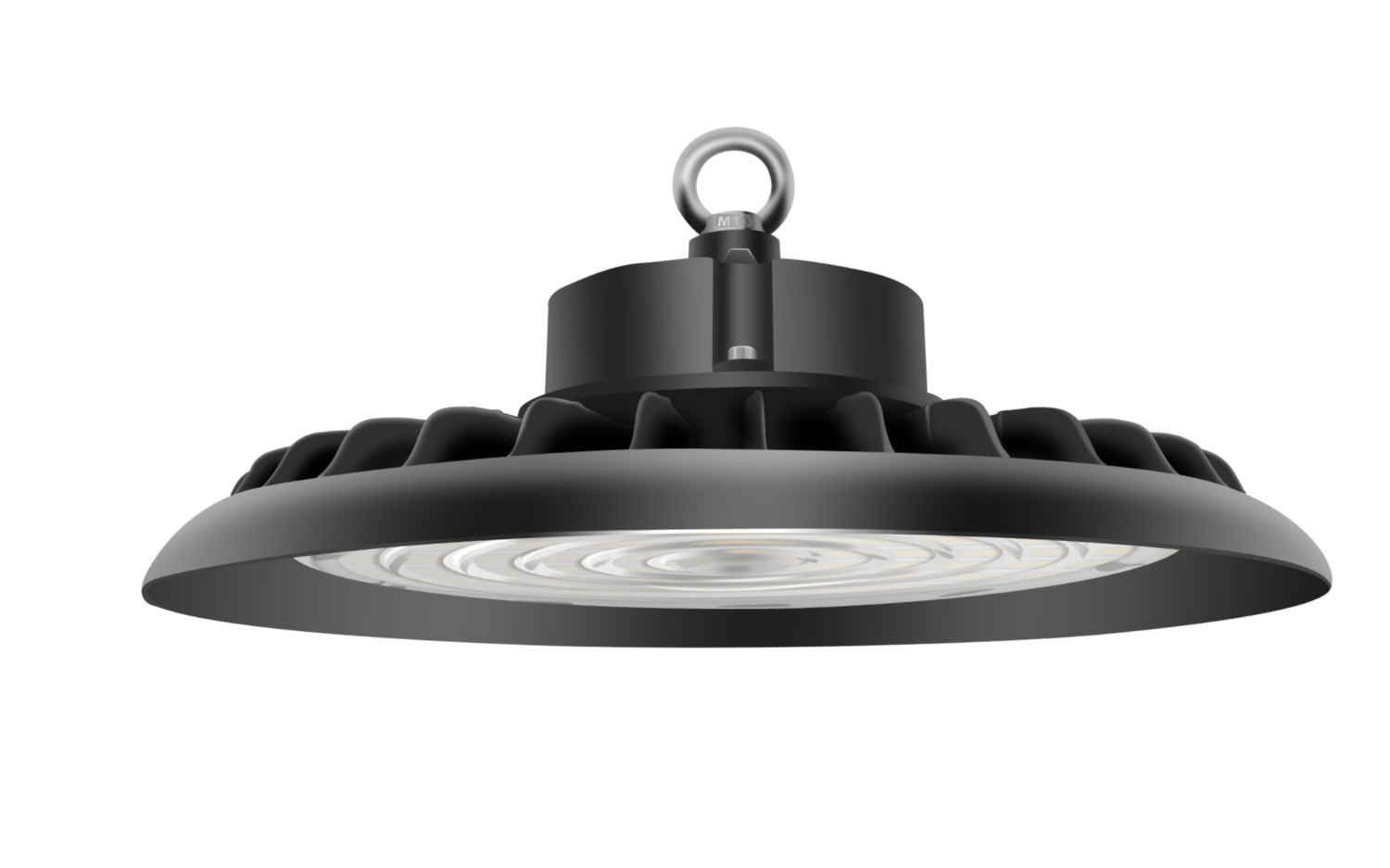
Example: A Bangkok co-location site pairs CAE’s Budget High Bay with night-shift maintenance. It’s bright, silent, and runs cool.
5. Using CMMS + DCIM for Precision Scheduling
Your spreadsheets won’t cut it at scale. Pair CMMS with real-time metrics.
- CMMS = task/crew/time tracking
- DCIM = live equipment health + environment
Link them and you’ll know:
- Which rack needs work
- When it’s least risky
- Who’s qualified to do it

6. Risk Mitigation and Redundancy Prep
Every job comes with risk—even during low load.
Checklist before scheduling:
- Is failover in place?
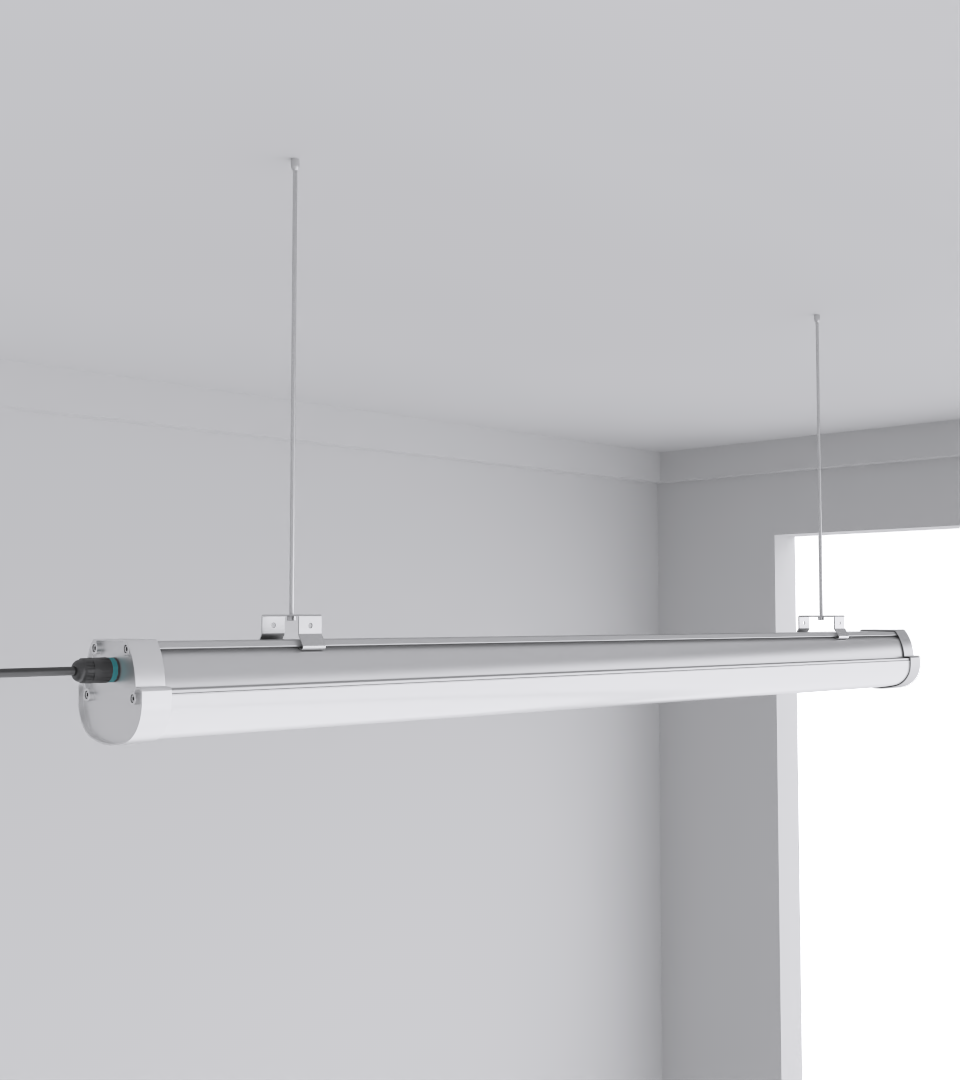
- Does crew have backup lighting? (SeamLine Batten)
- What’s your rollback plan?
Many teams forget lighting. If a shutdown hits mid-task in darkness, it becomes a safety issue. Motion-sensor LEDs with independent battery backup are cheap insurance.
7. Real Case Study: Fintech Operator Scheduling at 1:30 AM
In 2024, a Singapore fintech shifted all core OS patching to 1:30 AM Saturday.
Results:
- SLA breach rate dropped 12%
- Emergency cooling events cut in half
- They bundled tasks: patching + visual cable audits + lighting test using Squarebeam Elite
This wasn’t innovation—it was just paying attention to timing and tool alignment.
8. What Comes Next: Continuous Scheduling Improvement
Maintenance scheduling isn’t one-and-done. It evolves.
Refine using:
- Monthly KPI reviews
- Post-maintenance debriefs
- AI-driven anomaly flagging (many DCIM tools now support this)
And always log:
- Task type
- Execution time
- Failures or escalations
One last thing: share your wins. We’ve learned the most from postmortems and end-of-shift notes.
Frequently Asked Questions (FAQ)
What time is considered low-load for most data centers?
Typically 1:00 AM – 5:00 AM local time.
What kind of lighting is safe for night maintenance?
Use high-temp rated LEDs like Quattro Triproof Batten and motion-sensor lights with backup.
How can I tell if it’s safe to run maintenance?
Check live load metrics, cooling loads, and CMMS/DIMM for conflicts or black-out periods.
How often should I update my scheduling windows?
Review them monthly—or after any incident.
What if load patterns change seasonally?
Use rolling 30-day windows and compare to past years. Always adapt.