Private Data Centers: Design Standards, Efficiency Benchmarks, and Compliance Frameworks
–
- What is a Private Data Center? Definition, Purpose, and Core Differences
- Architecture and Tier Standards for Private Data Centers
- Cost and Total Cost of Ownership (TCO)
- PUE, Energy Efficiency, and Cooling Strategies
- Compliance and Data Sovereignty in Private Facilities
- Security Layers: Physical and Cyber
- Scaling, Hybrid Integration, and AI Readiness
- Common Pitfalls and Expert Recommendations
- Frequently Asked Questions (FAQ)
Key Takeaways
| Topic | Summary |
|---|---|
| Definition | A private data center is owned or leased by a single entity, offering full control over infrastructure, security, and compliance. |
| Architecture | Typically built to Uptime Institute Tier II–IV standards, with redundancy, modular scaling, and optimised layout for cooling and power. |
| Cost | CapEx and OpEx vary, with benchmarks around $8–12M per MW for construction, plus ongoing operational expenses. |
| Efficiency | Power Usage Effectiveness (PUE) goals range from 1.2–1.5, achievable with advanced cooling and efficient lighting like CAE Lighting’s Squarebeam Elite. |
| Compliance | Must align with regulations such as HIPAA, GDPR, ISO 27001, and regional data sovereignty laws. |
1. What is a Private Data Center? Definition, Purpose, and Core Differences
A private data center is an exclusive-use facility that is either fully owned or long-term leased by a single organisation. Unlike public cloud or shared colocation environments, all resources—racks, power, cooling, and security—are dedicated to one entity. This offers tighter control over performance, compliance, and customisation.
Industries like banking, healthcare, and defence often prefer private facilities because of stringent regulatory requirements. These environments allow full-stack security integration and bespoke operational workflows without the constraints of a multi-tenant model.

2. Architecture and Tier Standards for Private Data Centers
Private data centers are typically built to Uptime Institute’s Tier II, III, or IV standards. These classifications define redundancy and fault tolerance:
- Tier II: Redundant capacity components
- Tier III: Concurrent maintainability
- Tier IV: Fault tolerance at every layer
Designs often integrate hot and cold aisle containment, dual power feeds, and modular buildouts. This allows scaling without disrupting live operations.
3. Cost and Total Cost of Ownership (TCO)
Building a private data center requires significant CapEx, often between $8–12M per MW of IT capacity. Operational costs (OpEx) include staffing, utilities, maintenance, and upgrades.
| Cost Category | Typical Range |
|---|---|
| Construction (per MW) | $8–12 million |
| Annual OpEx | $1–1.5 million |
4. PUE, Energy Efficiency, and Cooling Strategies
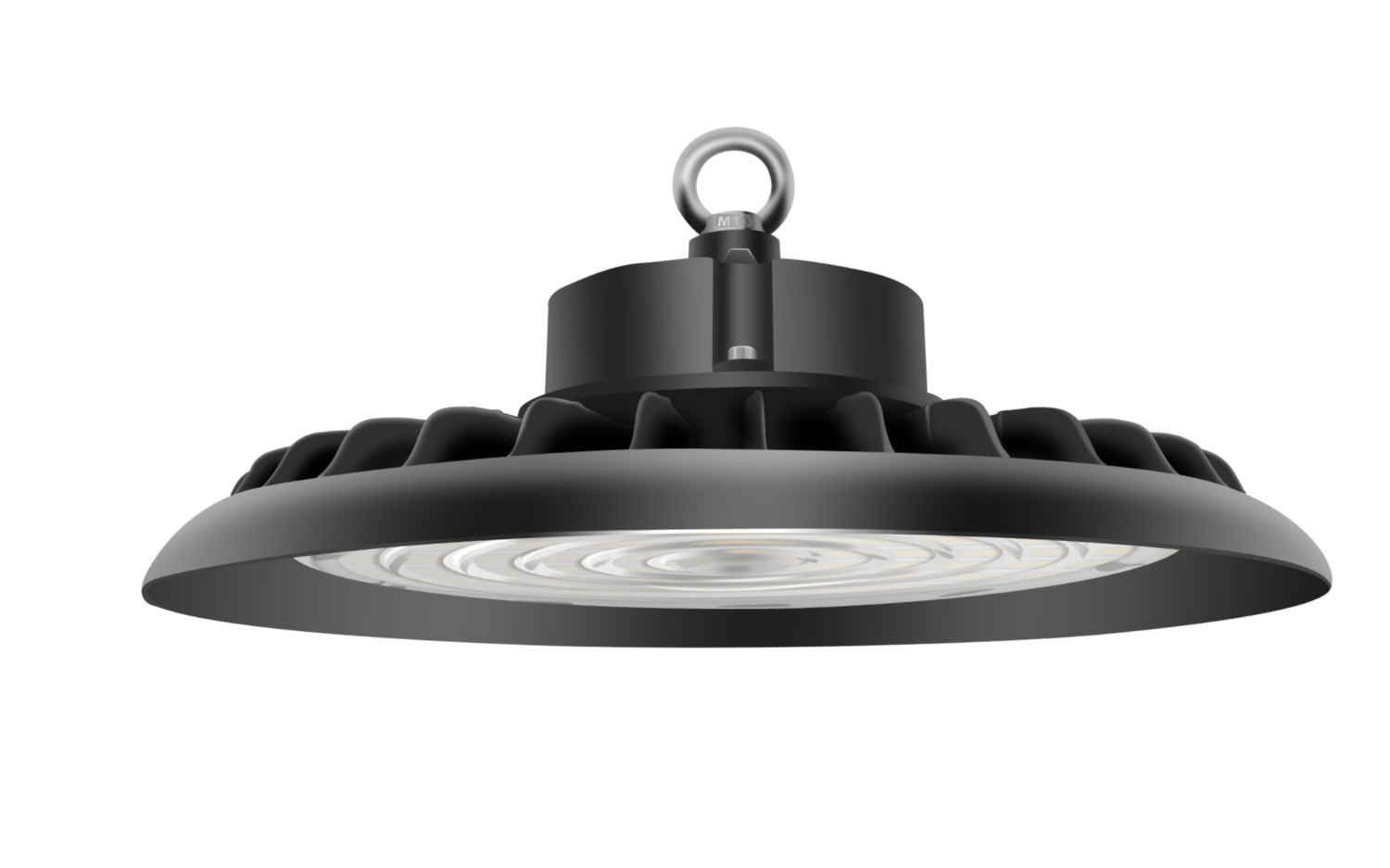
Private facilities aim for low Power Usage Effectiveness (PUE) values, typically between 1.2 and 1.5. Achieving these levels requires a combination of advanced cooling solutions and energy-efficient infrastructure. Efficient lighting plays a role here, as it reduces heat load and supports cooling performance. For example, the Squarebeam Elite LED luminaire provides high lumen output with minimal thermal contribution, easing the demand on cooling systems.
- Air cooling with aisle containment
- Liquid cooling for high-density server racks
- Immersion cooling for HPC and AI workloads
5. Compliance and Data Sovereignty in Private Facilities
Compliance frameworks such as HIPAA, GDPR, ISO 27001, and NIST SP 800-145 influence both the operational and architectural design of a private data center. Data sovereignty requirements often mandate that data be stored and processed within specific jurisdictions, impacting location selection and facility design. Meeting these requirements is non-negotiable for regulated industries and often dictates the selection of on-site security systems, monitoring protocols, and backup solutions.

6. Security Layers: Physical and Cyber
Security for private data centers must be layered, integrating both physical and cyber measures. Physical security includes biometric access controls, anti-tailgating mantraps, and 24/7 video surveillance. On the cyber side, zero-trust networking, segmentation, and DDoS protection are implemented to prevent unauthorized access or disruption. The integration of physical access logs with cybersecurity monitoring creates a unified security response, ensuring that physical breaches automatically trigger network lockdown procedures.
7. Scaling, Hybrid Integration, and AI Readiness
Private data centers often adopt modular construction, enabling incremental capacity expansion without service interruptions. Hybrid integration allows these facilities to connect securely with public cloud platforms for workload flexibility. AI readiness is an increasing priority, requiring infrastructure capable of supporting high-density GPU deployments and advanced cooling systems to handle associated thermal loads.
8. Common Pitfalls and Expert Recommendations
Common pitfalls in private data center projects include overestimating initial power and cooling requirements, selecting sites without accounting for latency to major network hubs, and failing to implement sufficient redundancy in backup systems. Drawing from field experience, involving infrastructure specialists and technology suppliers early in the planning stage can mitigate these risks. Proactive engagement ensures capacity planning is aligned with realistic growth projections and compliance demands.
Frequently Asked Questions (FAQ)
What industries use private data centers?
Finance, healthcare, government, manufacturing, and defence sectors are the primary users due to high compliance and security needs.
How much does it cost to operate a private data center?
Annual operating costs typically range from $1–1.5 million per MW of IT load, depending on facility size, location, and design.
Can private data centers integrate with cloud services?
Yes. Many adopt hybrid strategies using secure connections or SD-WAN to link private infrastructure with public cloud environments.
What is the lifespan of a private data center?
Generally 15–20 years, assuming regular upgrades to power, cooling, and network systems are maintained.
Are private data centers more secure than colocation facilities?
They can be, as they allow complete control over physical and cyber security protocols, though effectiveness depends on execution and ongoing management.