Real-Time Light Monitoring in Data Centers: Sensor Integration, Protocols, and ROI Explained
–
- What Is Real-Time Light Monitoring?
- Why Light Monitoring Matters in Data Centers
- CAE Lighting’s Solutions for Real-Time Monitoring
- Integration with DCIM and BMS
- Data Sampling Protocols & Considerations
- Benefits: Uptime, Safety, ROI
- Deployment Tips from the Field
- FAQ: Common Questions About Light Monitoring in DCs
Key Takeaways
| Feature or Topic | Summary |
|---|---|
| Integration Benefits | Energy savings, streamlined operations, enhanced monitoring, and predictive maintenance. |
| Key Protocols | BACnet, Modbus, SNMP ensure interoperability. |
| Implementation Strategies | Assess existing infrastructure, select compatible systems, phased deployment recommended. |
| Operational Advantages | Reduced downtime, improved safety, occupant comfort, and significant sustainability contributions. |
1. What Is Real-Time Light Monitoring?
Real-time light monitoring means continuous tracking of lighting conditions inside a data center—beyond just whether a bulb is on. It covers three key things:
- Lux levels (how bright it is)
- Color temperature (spectrum control in Kelvin)
- Occupancy/motion detection
Most older systems used timers or switches. Real-time setups work on constant sampling, often every few seconds or milliseconds, using smart sensors that feed data into software platforms like BMS or DCIM. Unlike HVAC or cooling, lighting has traditionally been static—but in modern, high-efficiency environments, every watt counts.
2. Why Light Monitoring Matters in Data Centers
Lighting is often underappreciated in facility planning, but:
- It directly affects human safety
- It impacts power usage effectiveness (PUE)
- It can be used for compliance auditing
Real cases I’ve worked on in Malaysia showed that retrofitting even 30% of a lighting zone to smart sensing LED battens brought down operational energy costs by 18% over six months.
3. CAE Lighting’s Solutions for Real-Time Monitoring
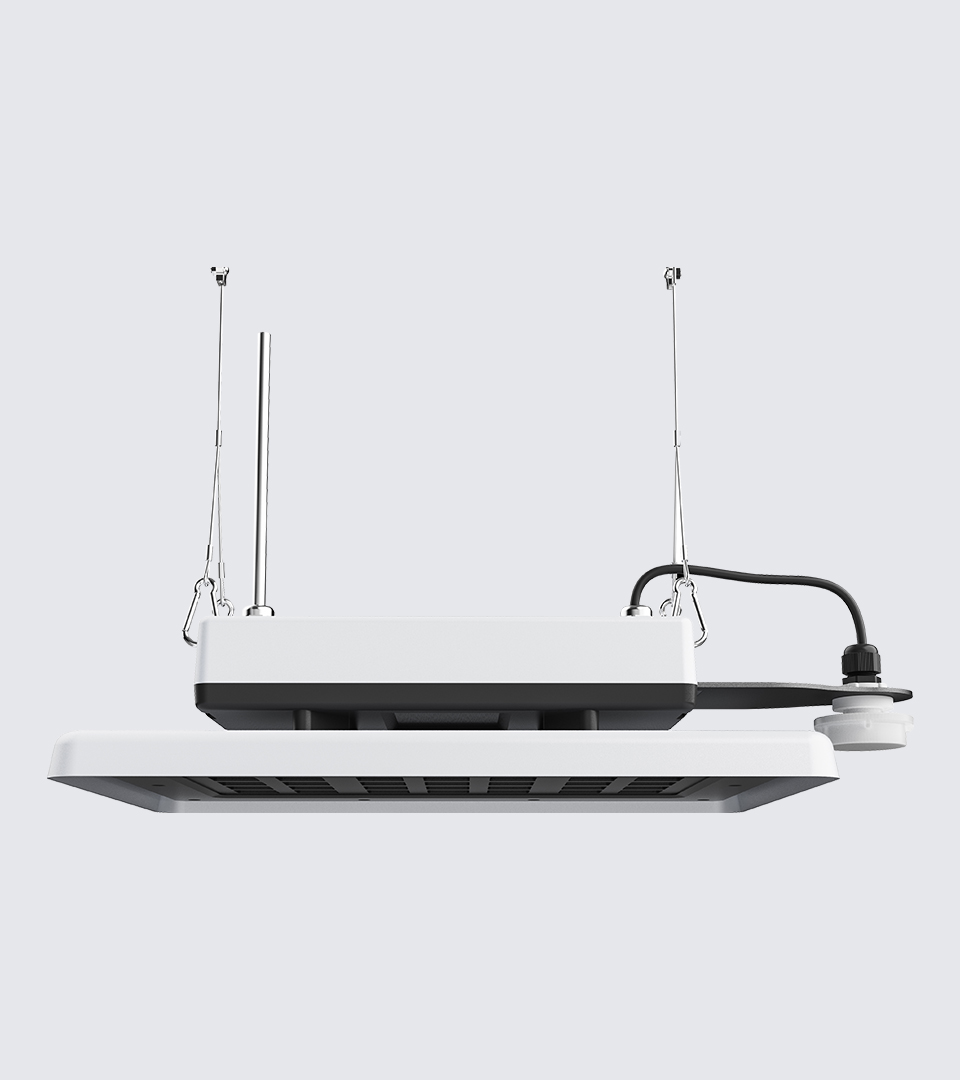
- Squarebeam Elite – LED fixture with high thermal tolerance, ideal for high-density racks
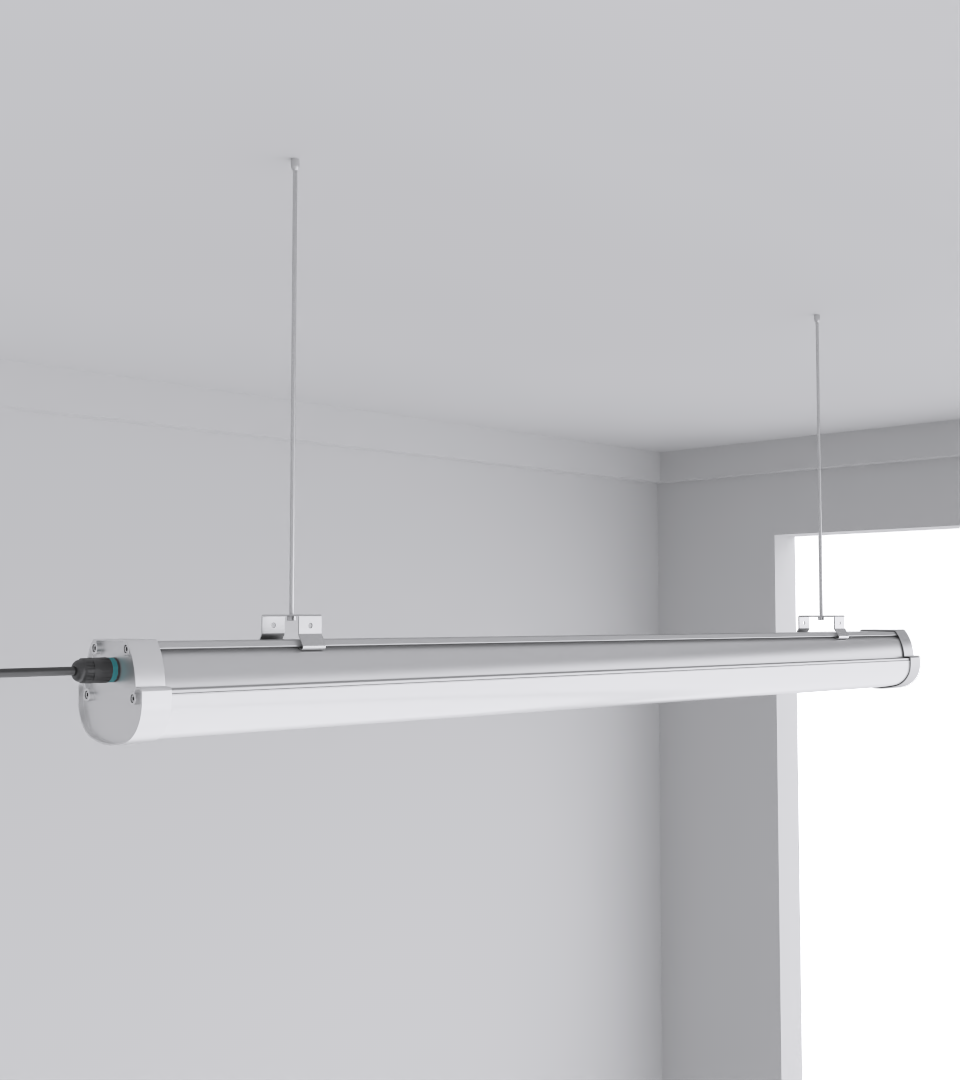
- Quattro Triproof Batten – Waterproof, dustproof, ideal for cold aisle containment
- SeamLine Batten – Modular batten with dimming controls and PoE-ready support

4. Integration with DCIM and BMS
Systems from CAE Lighting can feed directly into:
- DCIM dashboards (like Sunbird or Nlyte)
- BMS suites via BACnet or SNMP
5. Data Sampling Protocols & Considerations
| Protocol | Used For | Speed | Notes |
|---|---|---|---|
| SNMP | DCIM polling | Medium | Widely supported |
| Modbus RTU | Sensor buses | Fast | Low overhead |
| MQTT | IoT alerts | Very fast | Lightweight |
| REST API | Cloud dashboards | Medium | Flexible, JSON-based |
6. Benefits: Uptime, Safety, ROI
Real-world benefits:
- 20–40% savings in lighting-related energy
- Better preventive maintenance planning
- Lower cooling costs due to reduced radiant heat
- Compliance reporting becomes automated
7. Deployment Tips from the Field
- Pre-audit: Use a portable lux meter to baseline every aisle.
- Map occupancy zones: Match to workflow paths.
- Install gateway first: Get data pipeline set before sensors.
- Threshold tuning: Too sensitive = alert fatigue.
- Train ops teams: Give them access to real dashboards.
8. FAQ: Common Questions About Light Monitoring in DCs
Q: Can existing lights be retrofitted?
A: Yes. CAE Lighting’s SeamLine Batten supports retrofits with existing trunking.
Q: How do I measure ROI?
A: Track kWh saved + maintenance time reduced. Most installs recoup in 12–18 months.
Q: Is this just for large data centers?
A: No. Even edge data centers benefit from energy and safety improvements.
Q: How accurate are the sensors?
A: Good-quality lux sensors stay within 5% drift annually.
Q: Is this just about energy?
A: No. Safety, compliance, and cooling balance are equally critical.